
Three Years Living in Africa: 10 Experiences I’ll Never Forget
After three years living in Ghana, these are ten of the most unforgettable travel experiences across Africa that changed how I see the world…
Three years isn't a lifetime, but it's long enough for a place to change you. When I packed up my apartment in Chicago and moved to Ghana in 2022, I expected a change of scenery, maybe an adventure here and there or at least a good story to come home and tell when I, what I figured would be inevitably, decided to return home.
What I didn't expect was how dramatically my perspective on travel, nature, and life would shift; how the journey would become much more impactful than the destination.
Looking back, these aren't necessarily the "best" places I've visited. They're simply the moments that have stayed with me the most.
Three Years, Ten Experiences That Changed Everything
10. Wechiau Hippo Community Sanctuary, Ghana
Imagine yourself in a dugout canoe with a single paddle, a rushing Volta River in one of the most remote parts of Northern Ghana, and a bloat of hippos staring you down while you hang onto the shoreline branches.
In Ghana’s Upper West Region, along the border with Burkina Faso, the Wechiau Community Hippo Sanctuary protects a 40-kilometer stretch of the Black Volta River and the surrounding woodlands.
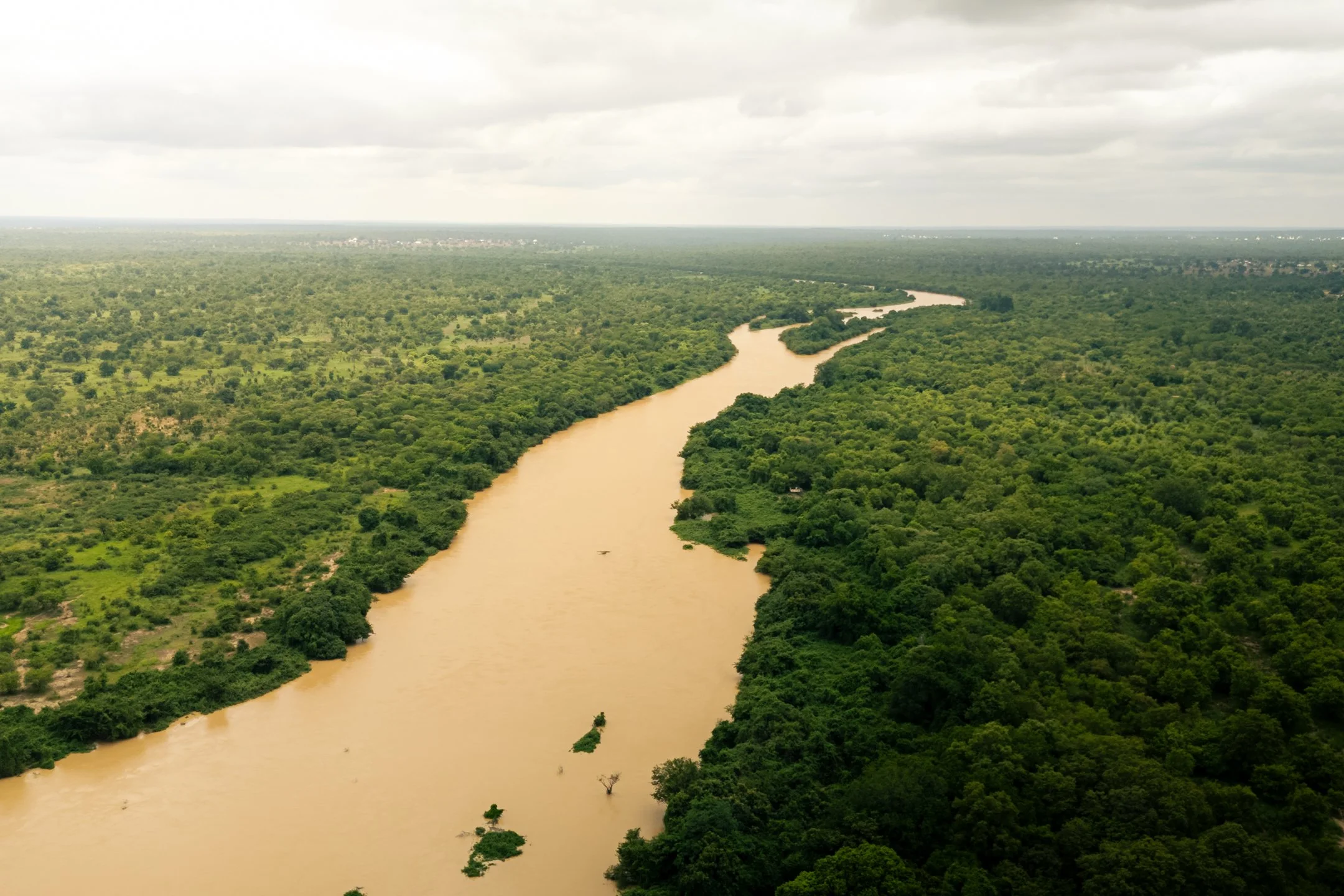
The flooded waters of the Black Volta River, separating Ghana (right) from Burkina Faso (left)
It’s not easy to reach; we managed to arrive after 3 days of driving endless dirt roads from the Eastern Region, but it was well worth the effort. We had spoken to someone who had visited the week prior, spent hours on the river, and didn’t manage to see a single hippopotamus.
As we entered the small house that doubled as a museum, our guides were excited to tell us they had just concluded a census and knew exactly where to look, so we hopped back in the car, picked up our boat captain at the next village en route to the river bank, and off we went. Within ten minutes of paddling against a heavy current, we found ourselves face to face with these majestic animals, nothing but a wooden canoe between us and turning into their afternoon snack.
It sounds a bit crazy, right? It was, but it was also raw and stripped down; the purest form of seeing these hippos in Ghana in their most wild state.
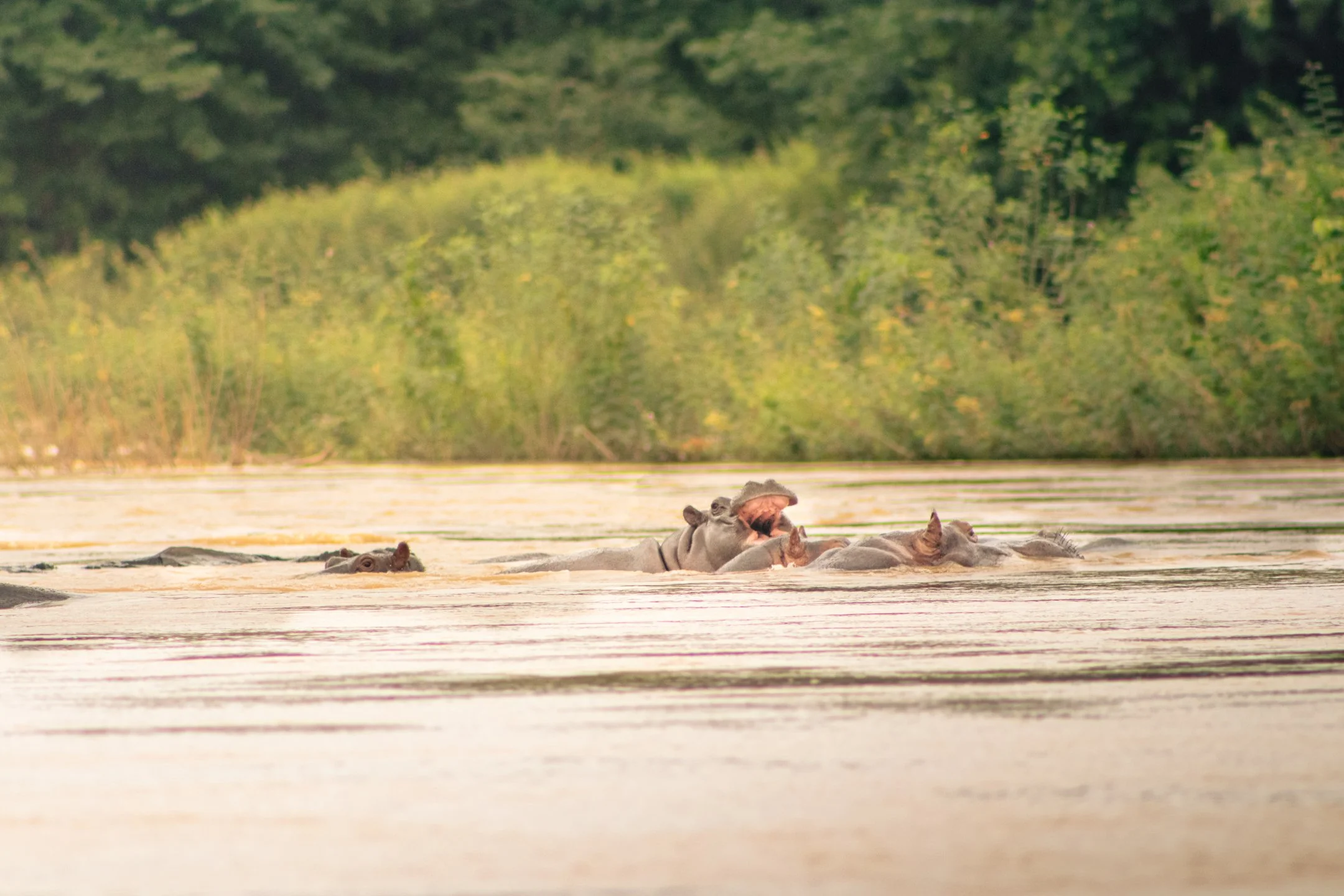
A bloat of hippos in the flooded Black Volta River, part of the protected Wechiau Hippo Sanctuary in Ghana
9. Lake Kivu, Rwanda
Central Africa had been brewing in my mind. Ever since reading Heart of Darkness in high school, the Congo and its mysteries have been tucked away into my subconscious. The longer I stay in Africa, the more I find myself daydreaming about it.
Traveling to Rwanda was a last-second decision, less than a week between booking the ticket and boarding the plane, so I didn’t have much planned beyond knowing I wanted to at least see the Congo, even if I couldn’t enter. Lake Kivu was the closest I could get.
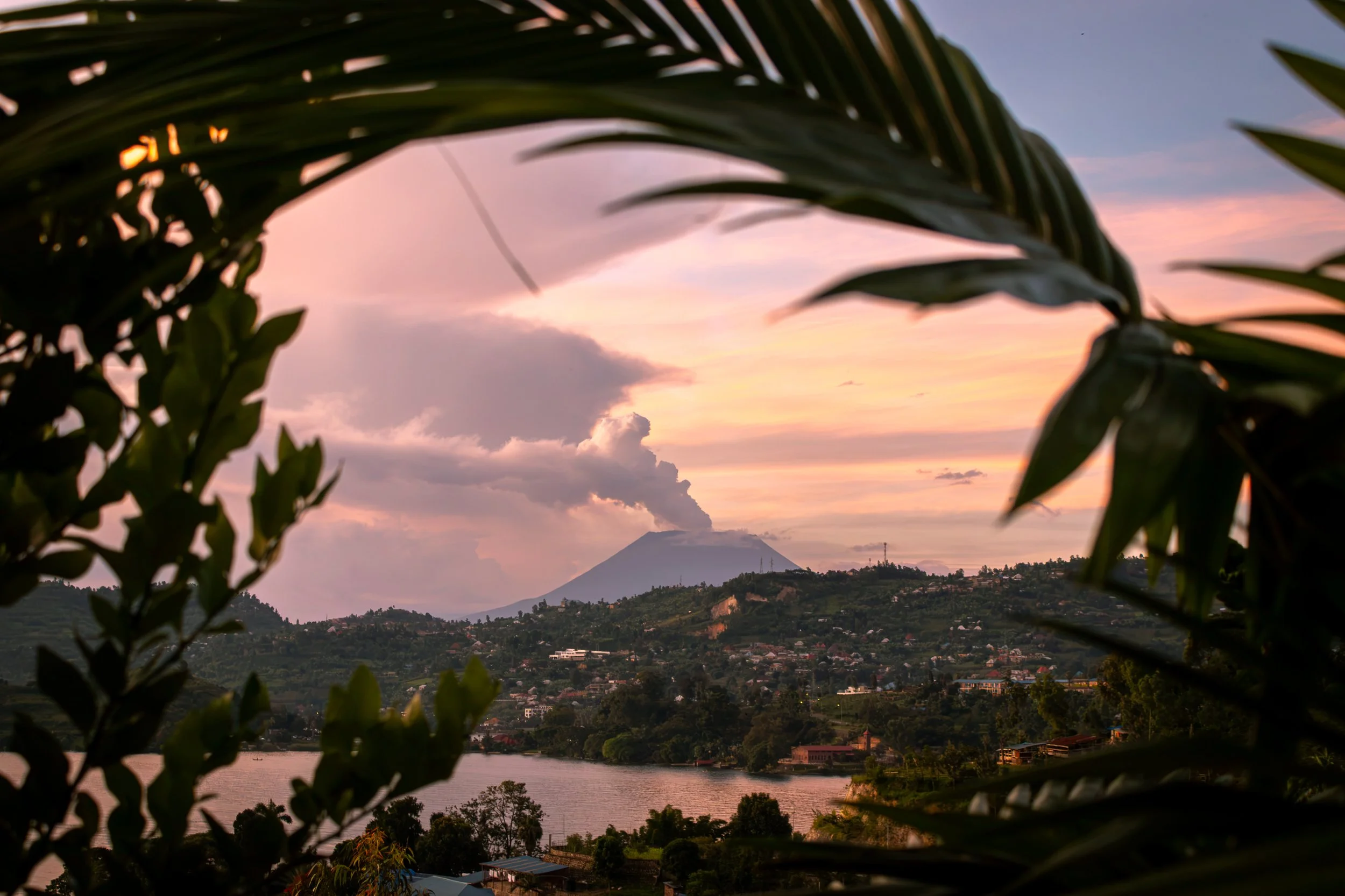
Mount Nyiragongo, in the Democratic Republic of the Congo, with Lake Kivu in the foreground
Rwanda is a complex country with a dark history, having endured the 1994 Tutsi genocide. It’s a tiny nation filled with greenery and rolling hills, but one gets the sense of something “deeper” going on, and the truth is, the fallout from the genocide is a major driving force behind the current conflict in Eastern Congo, but I digress.
Lake Kivu straddles Rwanda and the Congo and sits at the base of active volcanoes with tectonic plates nearby. Why is this important? Large amounts of carbon dioxide and methane gas are trapped at the bottom, and scientists believe a volcanic eruption or earthquake may just be enough to shake the water levels and release the toxic gas.
One can’t deny the natural beauty, though. At the time of my visit, both the Rwandan and Congolese Governments were set to reopen the border at Gisenyi. I spent my time staring across Lake Kivu, into the Congo, and listening to stories from my Belgian host about growing up in Bukavu and her experience living in post-genocide Rwanda, and, of course, swimming in Lake Kivu, flanked by conflict to the west and volcanoes to the east.
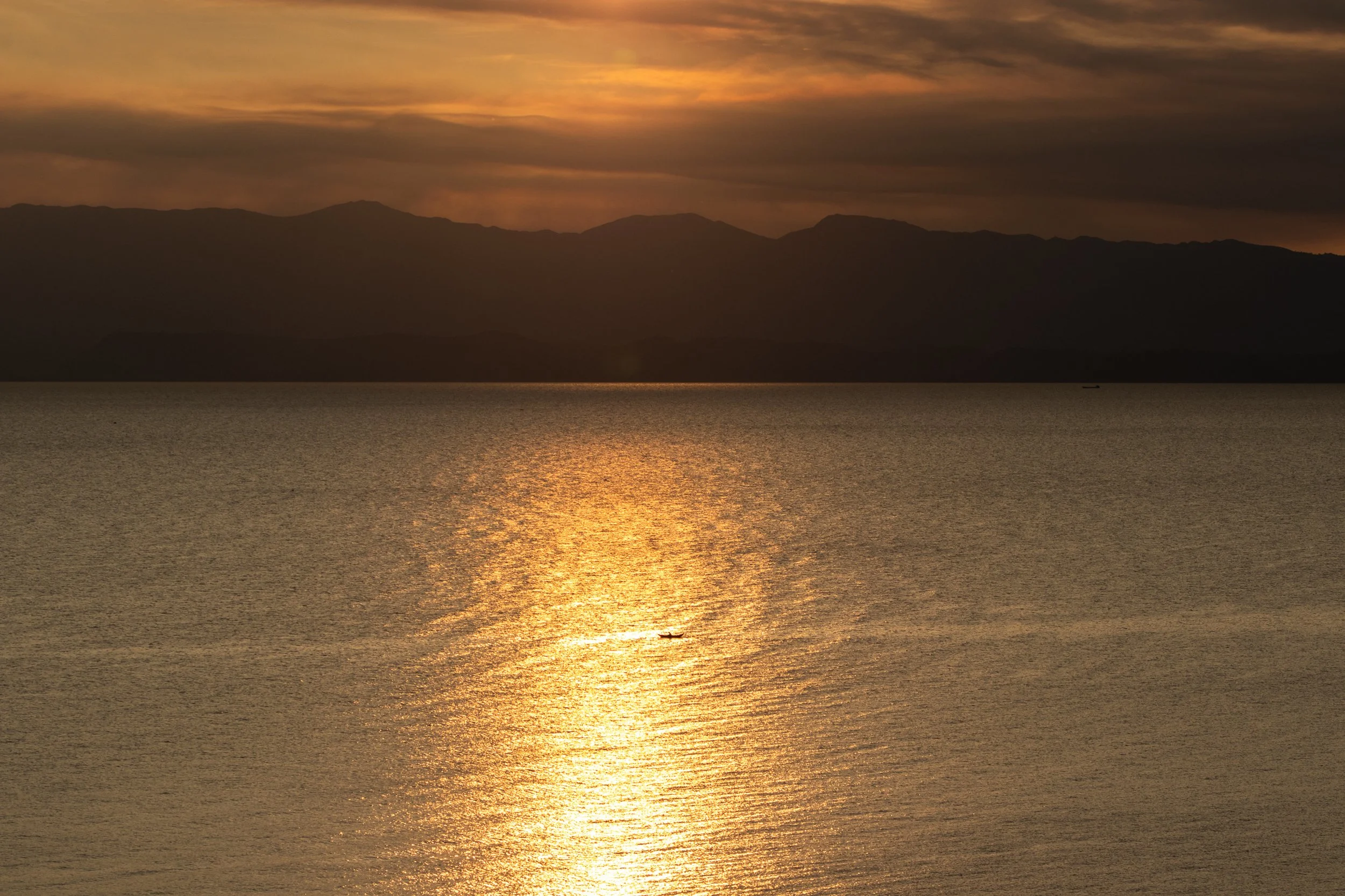
A boat floats on Lake Kivu at sunset as a storm rolls in, shot looking towards the Democratic Republic of the Congo
Rwanda left me with more questions than answers. A country scarred by its unimaginable history, embroiled in regional conflict, and a lake that’s one natural event away from disaster - how much can one place endure? Time will tell. In the meantime, I’ll carry the stunning scenery of Lake Kivu with me for a long while.
8. São Tomé and Príncipe
The second smallest sovereign state in Africa, one of the least visited countries in the world, São Tomé and Príncipe is less than a two hour flight from Accra and, seemingly, a convenient place to explore for someone living in Ghana.
Although a short flight, São Tomé and Príncipe isn’t the easiest to visit. The country isn’t on the international banking system, which means credit cards don’t work outside of higher end hotels and most foreign debit cards aren’t accepted at ATMs. That means that a certain level of planning and foresight (neither are a strong suit of mine) are important to ensuring you don’t run out of cash during your stay.
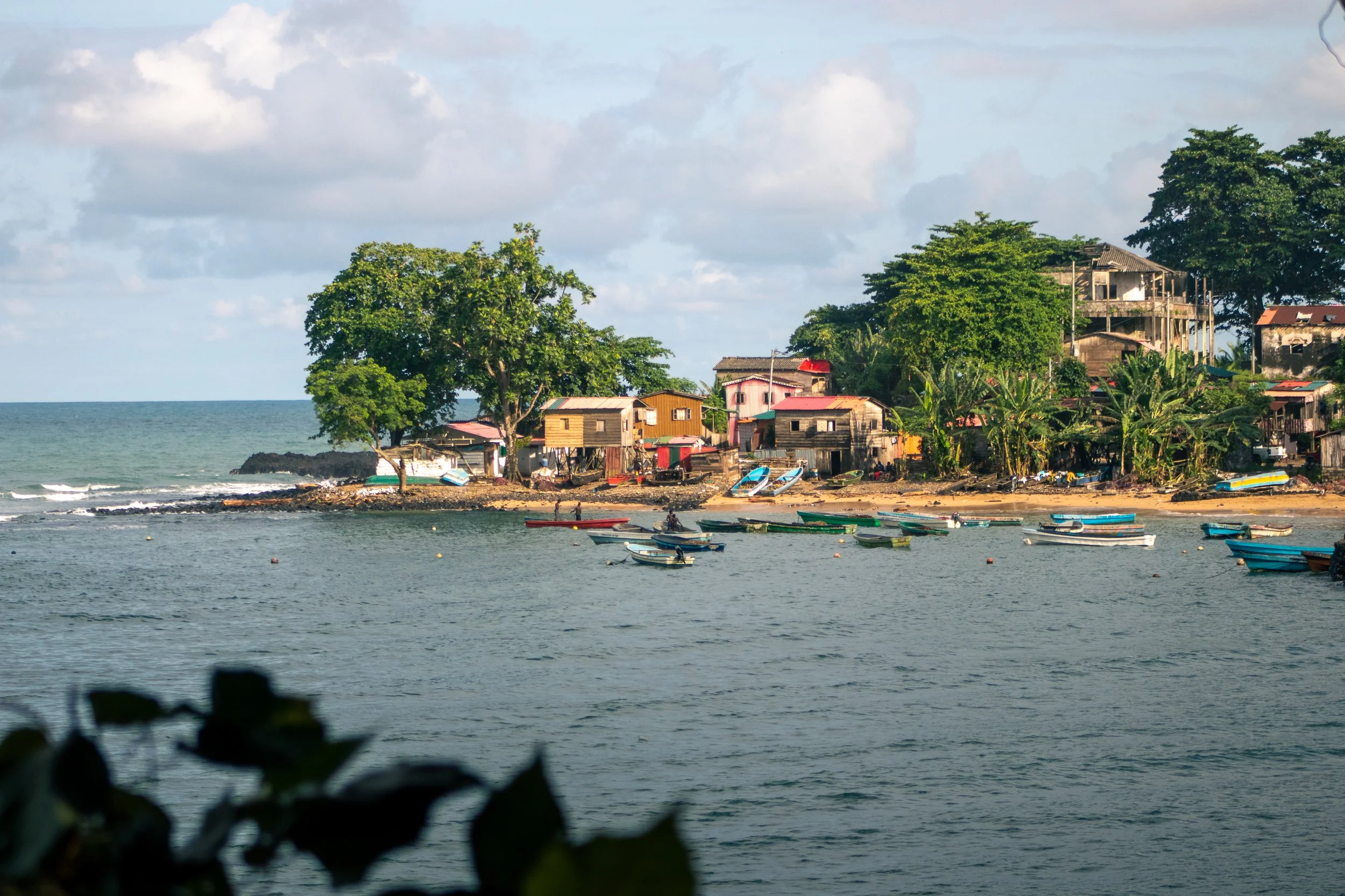
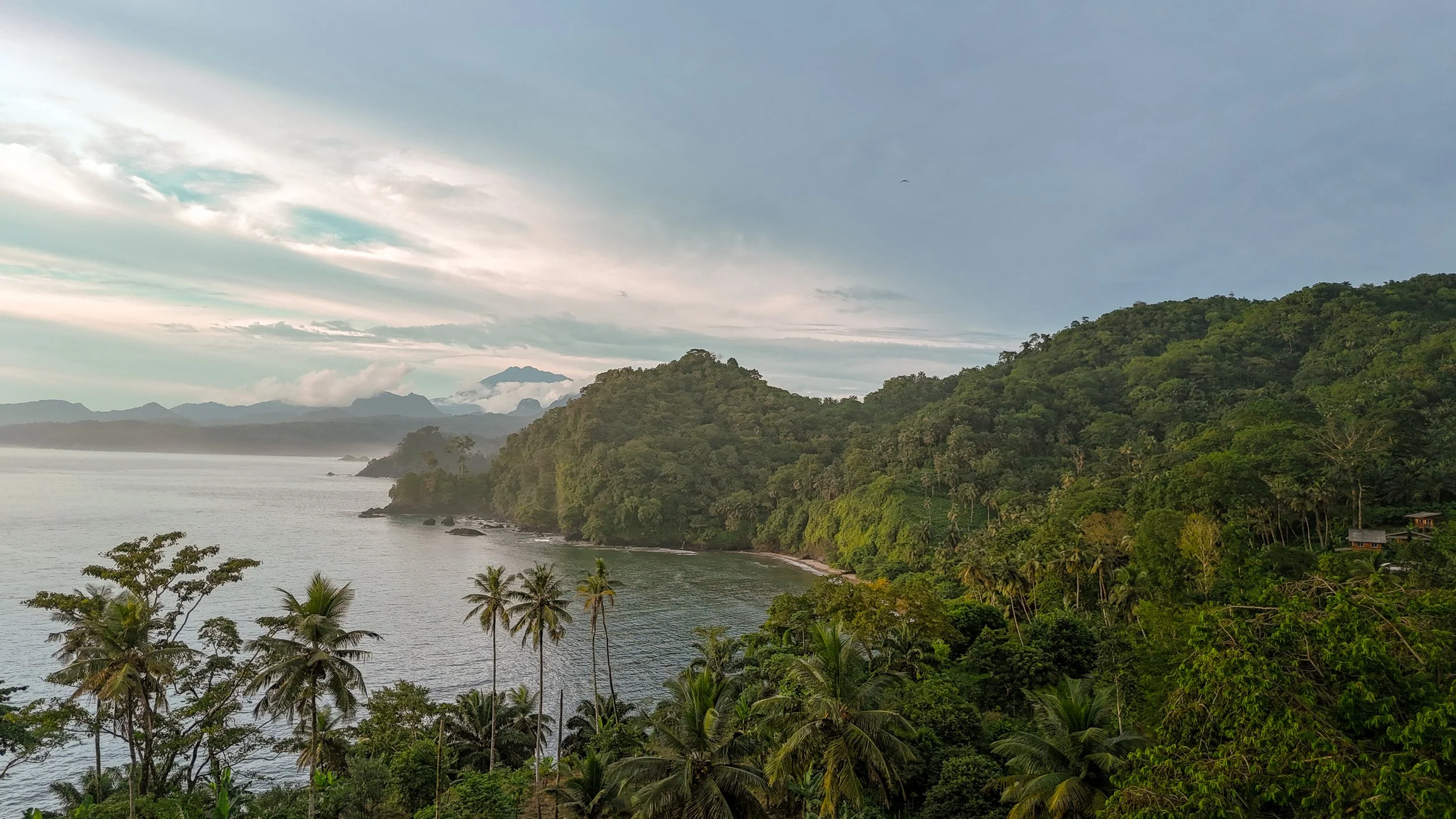
Porto Alegre, a remote village on the southern part of São Tomé, is one of the more difficult places to reach on the island
A few torrential rain storms and an overheated rental car later, São Tomé treated me to unspoiled nature like I’ve never seen, highlighted by coastal drives, coffee plantations, and the majestic Pico Grande, a volcanic plug that dominates the interior landscape of the country.
Such low tourism numbers also come with poor infrastructure. Roads are often difficult to navigate, especially after rain, power and phone networks frequently cut out, and healthcare is challenging to access. São Tomé and Príncipe isn’t necessarily a place to vacation, rather a trip to see, experience, and be a part of.
It’s one of the few places I’ve traveled where I truly felt disconnected from the outside world, where being present was the norm, not the exception.
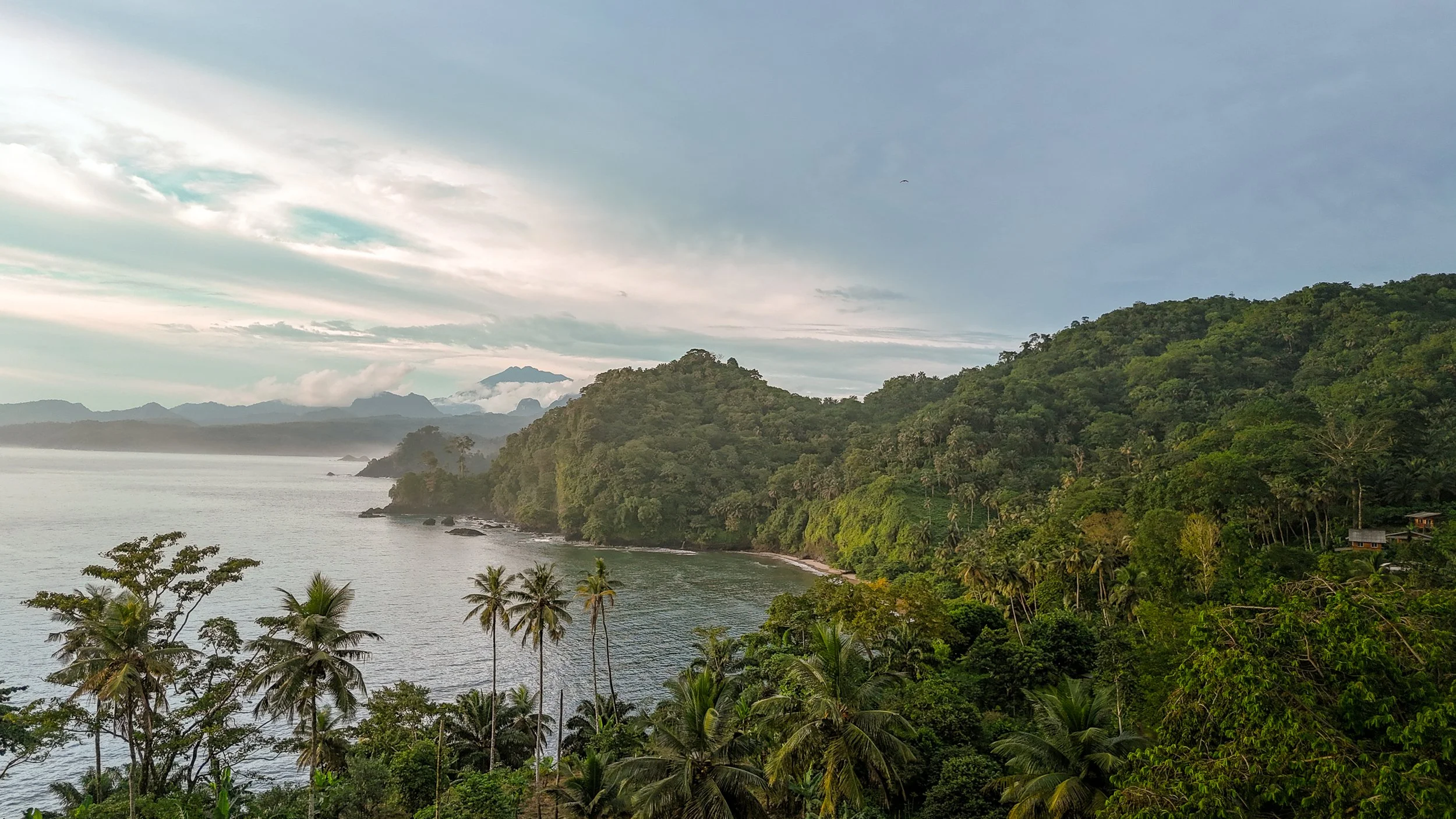
The island of São Tomé is filled with unspoiled nature and landscapes
7. Liwonde National Park, Malawi
Liwonde National Park encompasses 54,000 hectares of land and stretches along the Shire River, making it one of the premier wildlife destinations in Malawi.
By day, the winding dirt roads yielded spectacular sightings: juvenile elephants attempting to assert their dominance, a cheetah digesting a fresh kill, and more.
As the scorching sun started to dip, I, along with the few other guests, clamored onto a boat and headed towards the Shire River.
Out in the open water, we quickly heard grunting, and a hippopotamus surfaced from below. Then another. And another. “Behind us”, our guide shouted as three more surfaced with a loud noise. “Look ahead,” another person said as five more appeared in the distance.
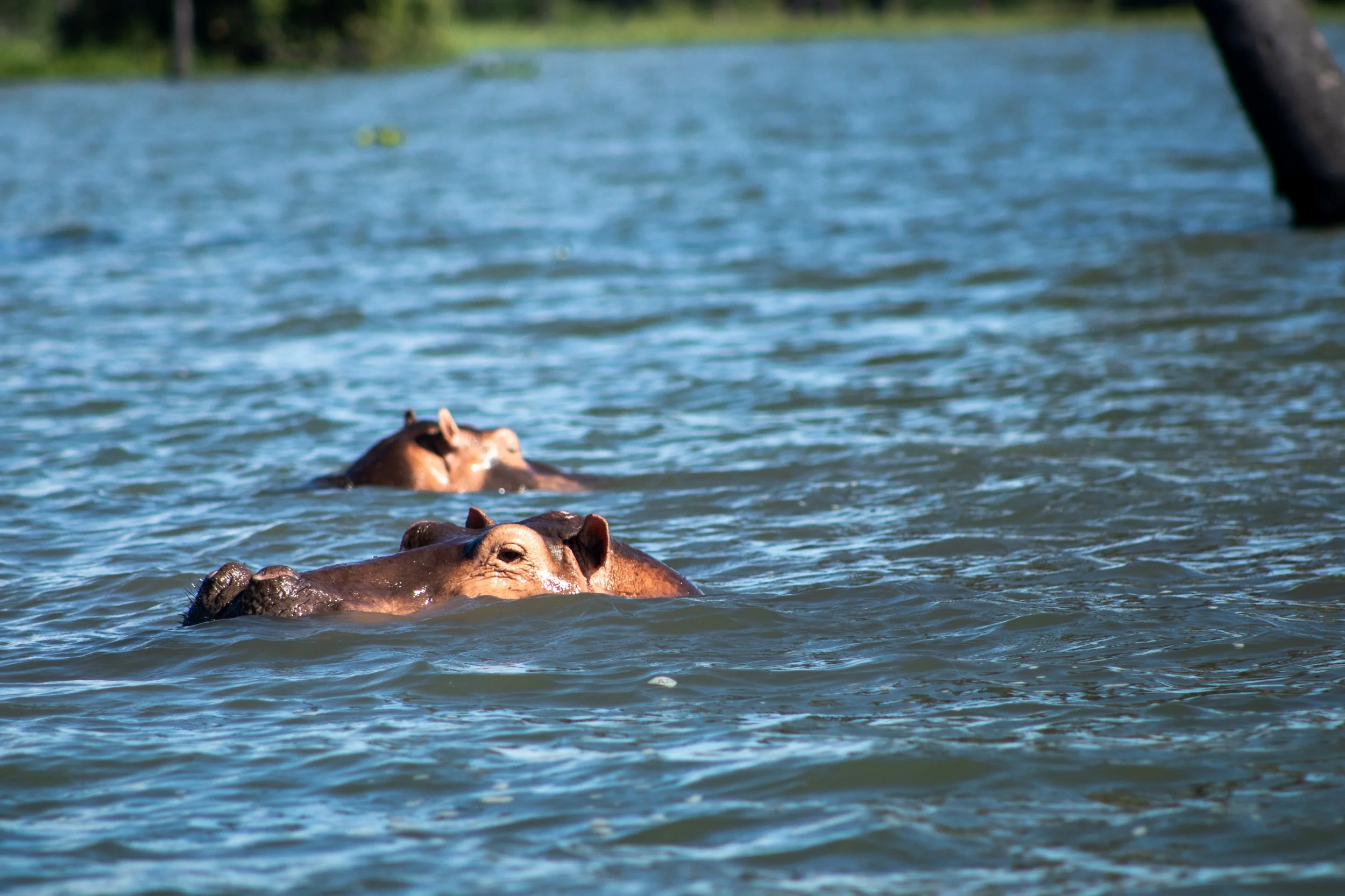
Hippos breach the surface of the Shire River inside Liwonde National Park, Malawi
For a period of time, I didn’t know where to look. As we bobbed up and down in the boat, hippos kept coming and going, seemingly nonstop, so much so that I lost count. I later found out that Liwonde National Park is home to an estimated 2,500 of them!
We continued making our way through the traffic, approaching a family of elephants on the riverbank as they cooled themselves in the water with the evening glow perfectly illuminating the scene. Again, a splash of water, a grunt, and an exclamation: “more hippos, turn around”.
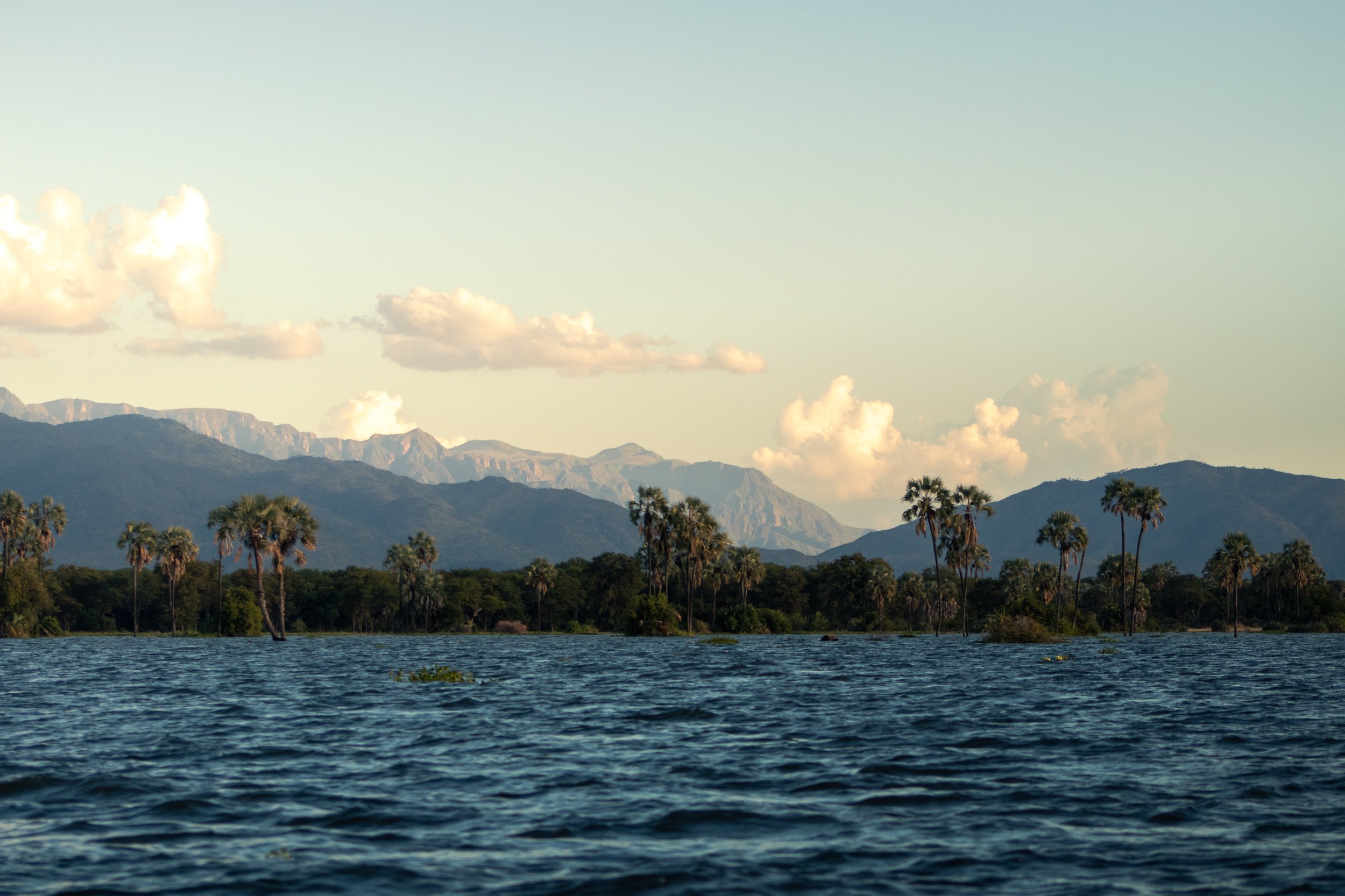
The sun sets along the flooded shores of the Shire River in Liwonde National Park, Malawi
I had come across these majestic, yet volatile animals one other time before this trip, but never in this quantity and certainly not from the confines of a rickety boat with nowhere to go.
As we returned to camp at sunset, all I can remember was the feeling of peace and gratitude, ready for a good night’s sleep after a full day immersed in nature.
6. Sunrise Whale Watching in Hermanus, South Africa
Ever since whale watching in Kaikoura, New Zealand, I constantly find myself researching whale migration patterns anytime I take a trip that’s remotely near the coast. As it turns out, August is one of the peak viewing months for Southern Right Whales and the town of Hermanus, South Africa, located less than two hours' drive from Cape Town, is considered to be the whale watching capital of the world.
Too good to be true since I happened to have a month off work in August, right?
My thoughts exactly.
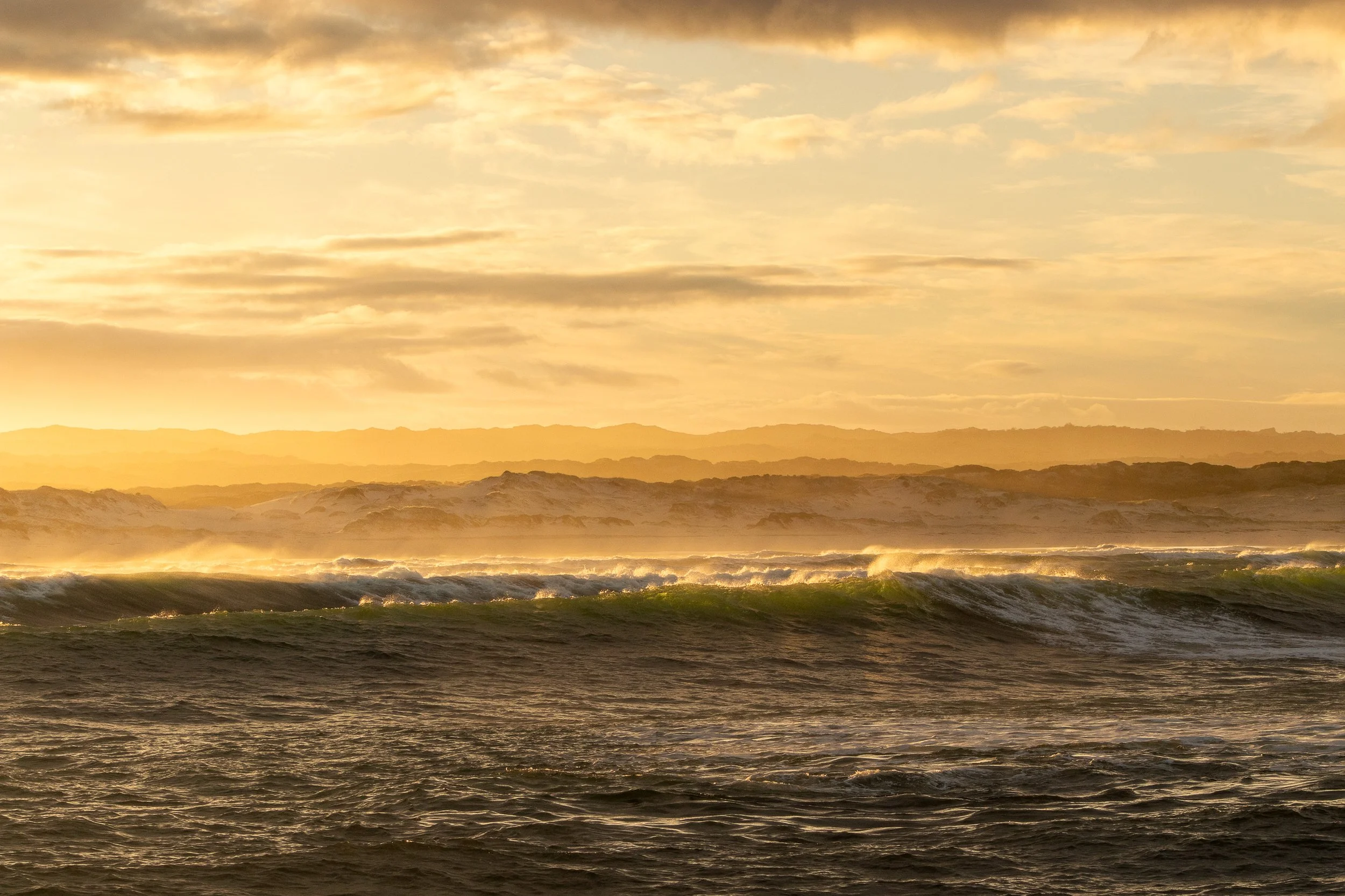
The morning light illuminates the bay in Hermanus, South Africa
Working with a small budget, I opted for the cheapest excursion I could find, which meant waking up at 4 am, bundling up in layers, sleepily making my way to the harbor, boarding a boat in the frigid dark, and heading out to the bay.
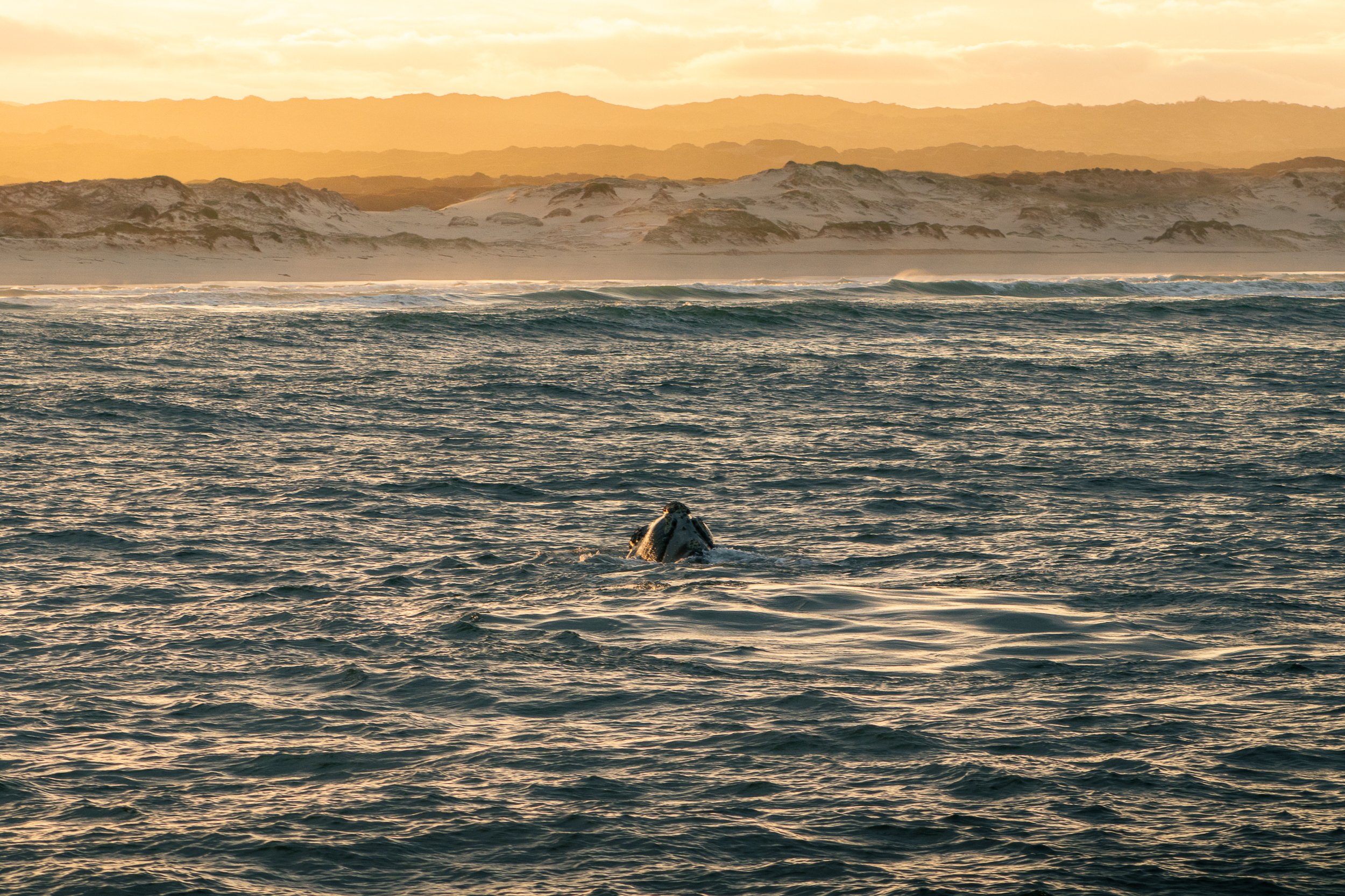
Soon enough, the orange glow of the sun warmed the cool South African winter morning as whales played in the waves around us.
Between an unbeatable sunrise scene and several whale sightings, this was one of the highlights of my time spent in South Africa, and an experience I won’t soon forget.
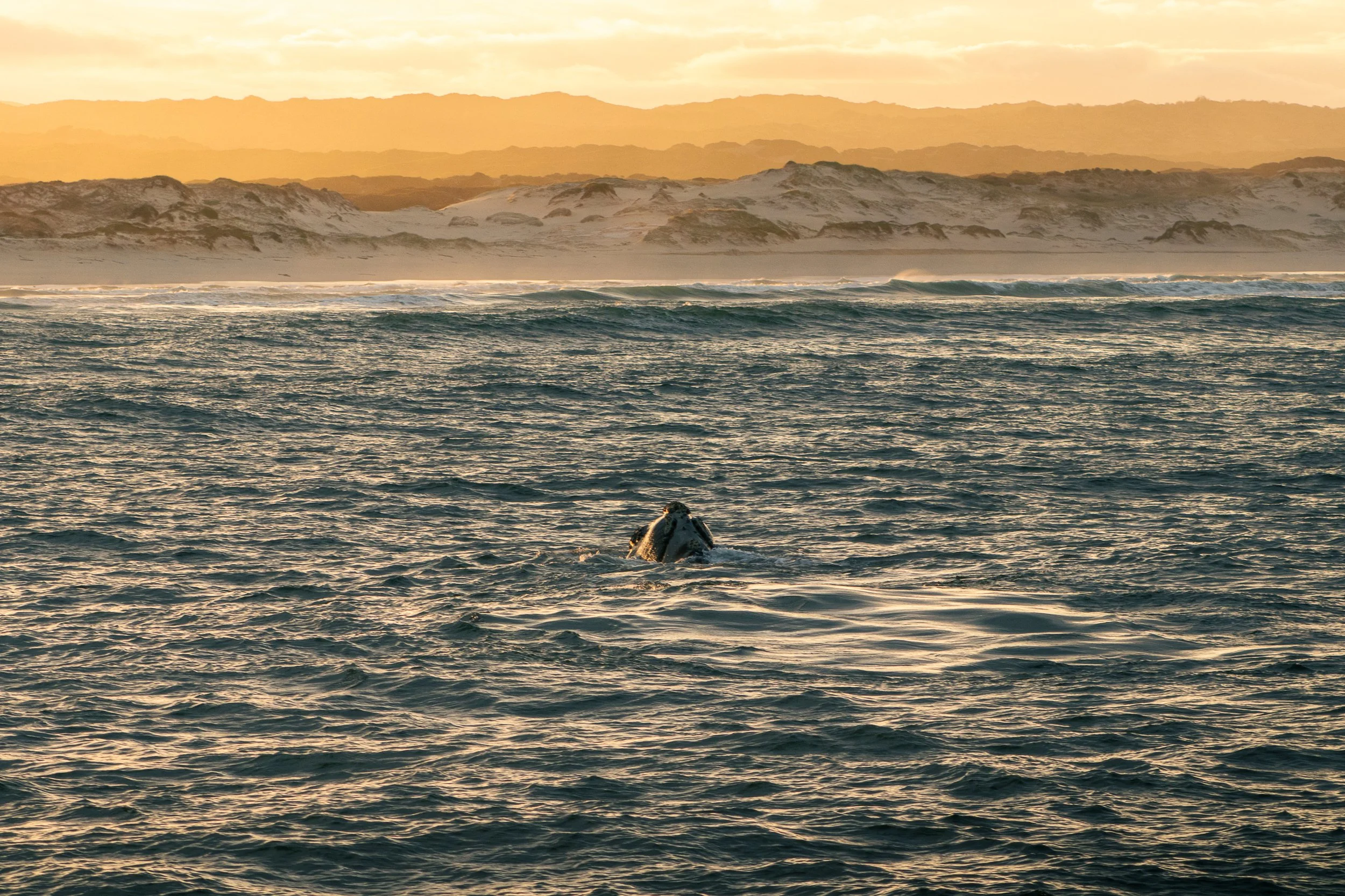
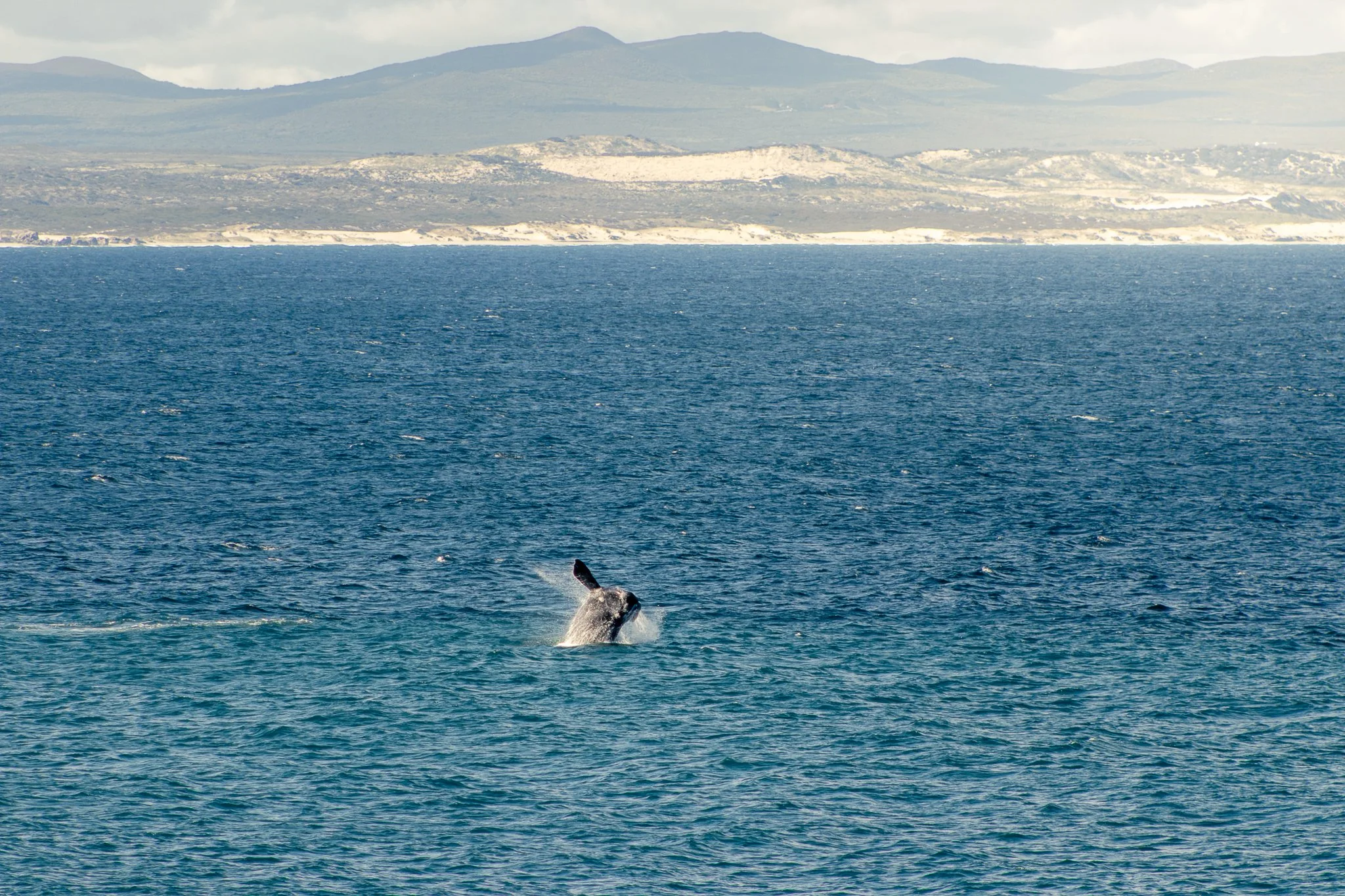
A whale breaches the water in the morning light in Hermanus, South Africa
5. Nyika National Park, Malawi
A quick internet search labels Nyika National Park as one of the most remote and hardest-to-get-to parts of Malawi.
Located in the Northeast of the country, the park itself spans into neighboring Zambia; however, it’s only accessible from the Malawian side.
Sitting on a plateau that rises to 2,600m, the name “Nyika” is derived from the phrase “where the water comes from.”
As Malawi’s largest, Nyika National Park is home to herds of zebra and is said (unsubstantiated in recent years), to have the highest density of leopards in Central Africa. From the logistics just to reach the entry gate to the unique and remote landscapes that awaited, I knew it was a must-visit.
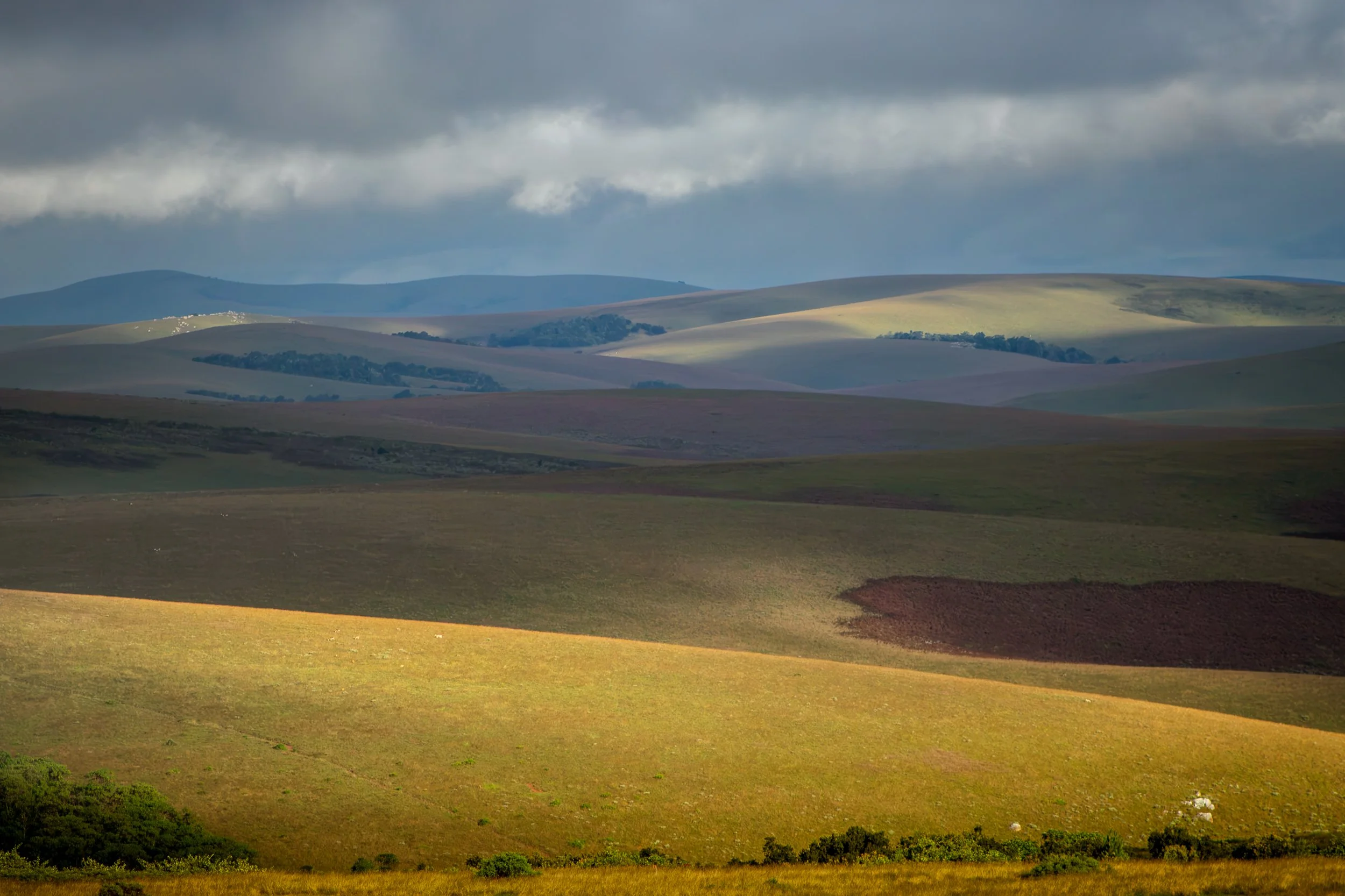
The rolling hills of Nyika National Park are often compared to the Scottish Highlands
So, I made my way from Southern Malawi to the north, using any means necessary, from car to moto to public ferry (see MV Ilala below), and finishing with a shared taxi to Mzuzu. Here, I picked up my Toyota Fortuner and set off.
Each time I mentioned “Nyika” as my destination at the police checkpoints, the officer grinned and said, “car might not make it, good luck.” A normal human being might get deterred after the fifth time, but it simply made me more intrigued.
The further I drove, the more the roads narrowed, and I began to question Google Maps. This seemingly endless, single-lane dirt road with no one in sight isn’t the best way to reach the park, right?
Wrong.
Sure enough, after hours of contemplating the repercussions of bursting a tire or overheating the car alone in the middle of nowhere in Malawi, a small cluster of homes appeared and led to the gates of Nyika National Park.
To describe the park as remote is an understatement. So much so that a worker asked to hitch a ride to the campsite; otherwise, he would have to walk the 60km to work and hope that a ride passed by. As it turns out, my new friend was extremely helpful when the car bottomed out and got stuck in the dense mud tracks 30km into the park.
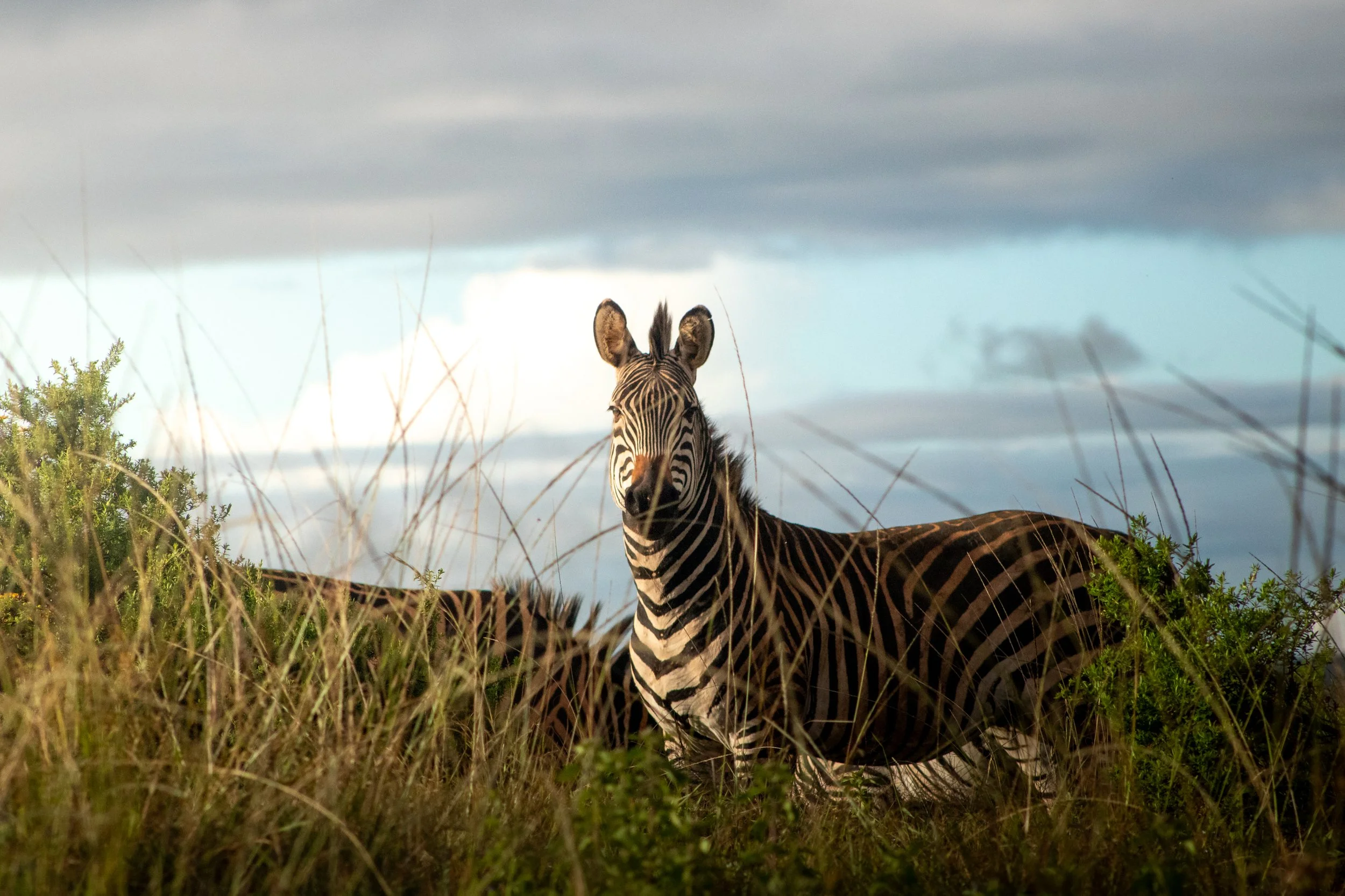
Zebras are one of the most dense animal populations inside Nyika National Park
I finally reached the campsite by nightfall, pitched my tent, dressed in every layer possible (admittedly, as I’m sure you can tell, I did not extensively research this trip before doing it and was severely underprepared), and settled in as one of three visitors in the entire 1250 square mile park.
The morning sun and campfire was a welcomed warmth to a shivering night. My guide walked me through the rolling hills, spotting herds of zebra along the way, before a solo mountain bike around the campsite in the evening.
I’m not sure if it was the nature itself or the effort it took to get there, but either way, Nyika National Park is a top thing to do in Malawi, as far as I’m concerned.
4. Togo’s Akodessawa Voodoo Market
Imagine you’re on the back of a motorbike in Lome, Togo. You arrive at your destination, step onto the sandy road with the afternoon sun beating down, and breathe in.
You nearly gag at the stench, turn a corner, and see an open space; stalls of dead animals line an open space, with a sculpture covered at the center, blackened by sundried blood sacrifices.
Welcome to Togo’s Akodessawa Fetish Market, the largest of its kind in the world.
For West Africans, it’s the one-stop shop for ingredients needed for the Voodoo religion, but for me, it was one of those moments that was a stark reminder of where I was in the world.
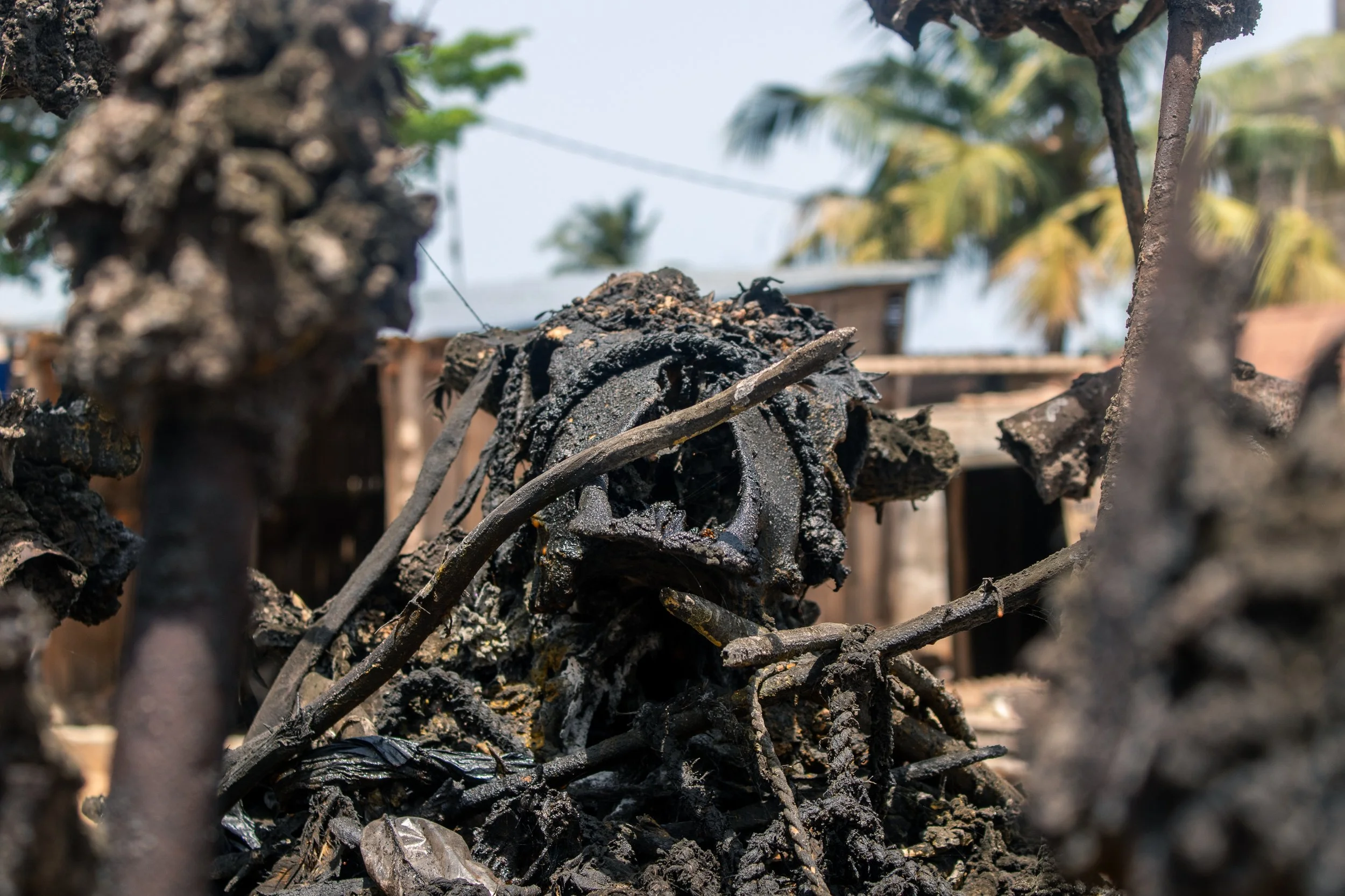
Regular blood sacrifices turn the sculpture black from the sunlight
I didn’t quite know what I was getting myself into. The only concepts I had of Voodoo were dolls used as a source of revenge and curses, but, as I learned, the term “Black Magic” came with colonial roots. A way to fearmonger and create divide, to justify ongoing occupation of Africa.
Strolling around the market, we encountered everything from monkey tails to puppy heads, snake skin, and more. But what we didn’t find was anything “dark”. Instead, Voodoo priests consult with visitors on intrinsic desires, like ensuring safe travels, finding love, or obtaining financial security.
Needless to say, I went into this day with zero expectations, but came away with a deeper, more meaningful understanding and respect of the parts of West African culture that we don’t often learn about.
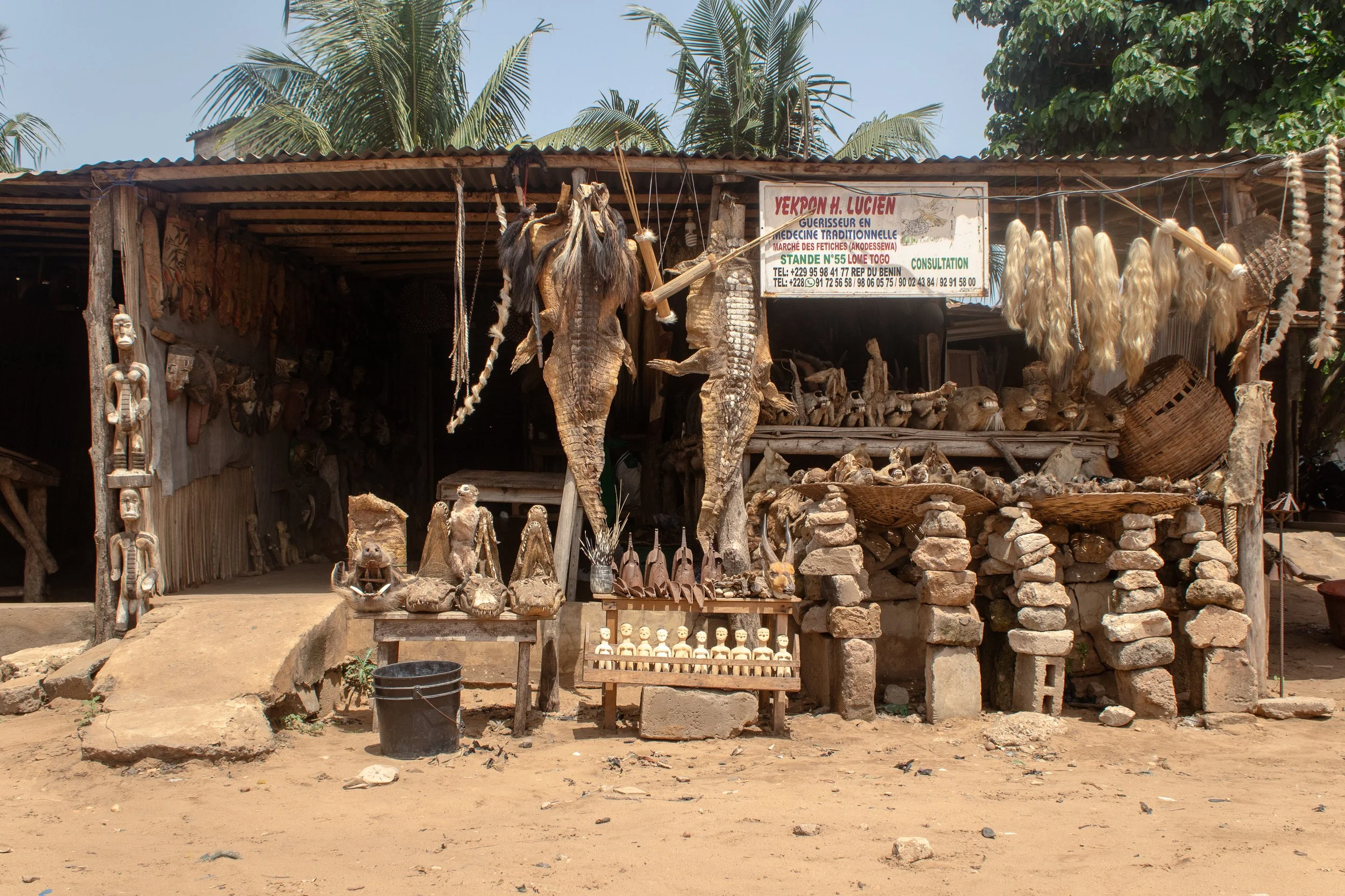
A dusty stall sells common ingredients for Fetish Priests, just one of many at Akodessawa Festish Market
3. Sani Pass, Lesotho and South Africa
As I planned for a month in South Africa, I kept coming back to the Sani Pass. A 9km stretch of tumultuous road descending from the Mountain Kingdom of Lesotho and into South Africa, often described as one of the most thrilling 4x4 roads in the world, it’s commonly touted as the “Roof of Africa”.
What could possibly go wrong, right?
In this case, a failed 4x4 car rental, an adjusted itinerary, no phone working in Lesotho, and that’s just the beginning.
When the car rental agency said they couldn’t honor the 4x4 reservation, my brain immediately went to “how do I make this work?” I had planned to drive up the pass from South Africa into Lesotho, but surely coming down would be easier.
I took the next few hours to adjust my itinerary, working in reverse, and drove into Lesotho at another order before reaching the pass at the top.
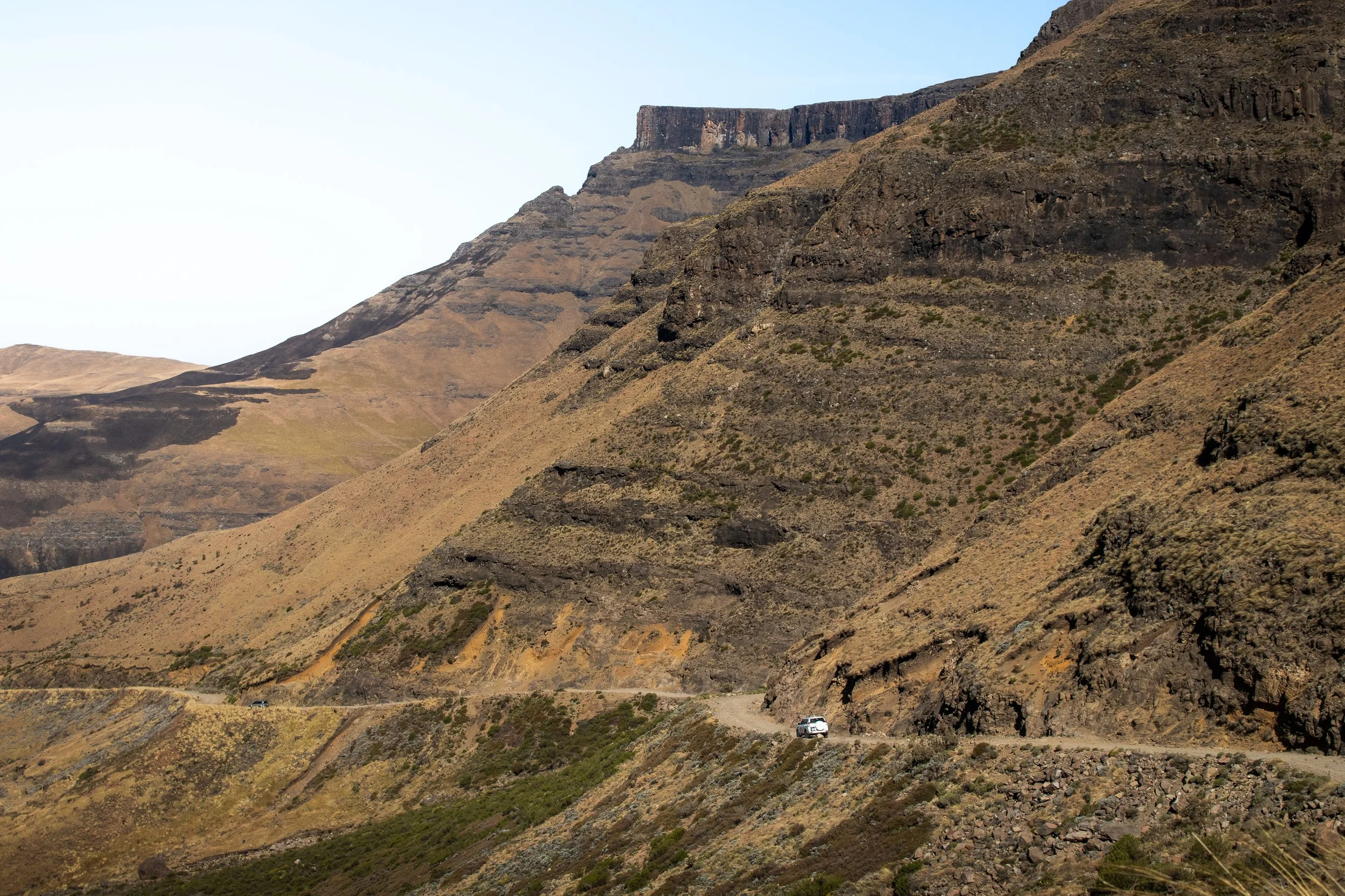
A car carefully navigates the start of the Sani Pass, descending from Lesotho into South Africa
It was a windy morning, so much so that I could barely open the car door and stand up straight. I sat at the Sani Mountain Escape for hours, warming myself with a cup of coffee, watching vehicles struggle up the pass and constantly questioning myself and what I was about to do.
As the afternoon rush of tourists from the South African side entered the pub, it was now or never. I walked across the empty road into the Lesotho immigration shack, stamped my passport, got behind the wheel, and slowly started the solo descent in my Rav4.
Thirteen hairpin turns later, each with a comforting name such as “Suicide Bend” and “Devil’s Corner”, I hit the tar again on the South African side, stamped my passport, thanked my lucky stars for the experience, and carried on my way.
To this day, I still vividly hear the final words from the South African Immigration Officer at the bottom border: “This is a 4x4, right?”
“I think so,” I mumbled, before jumping back in the car and driving off.

A view from the bottom of the pass, in South Africa, and back up towards Lesotho, the “Roof of Africa”
2. Hiking Ghana’s Waterfalls
I’m ashamed to admit that I had been visiting Ghana since 2010 as part of Aya, a non-profit founded on the belief that everyone has the right to quality education. That meant that most of the time in the country was spent on hours-long busses between Accra and Berekum instead of exploring.
When I relocated in 2022, I settled in Ghana’s Eastern Region and was exposed to the natural beauty.
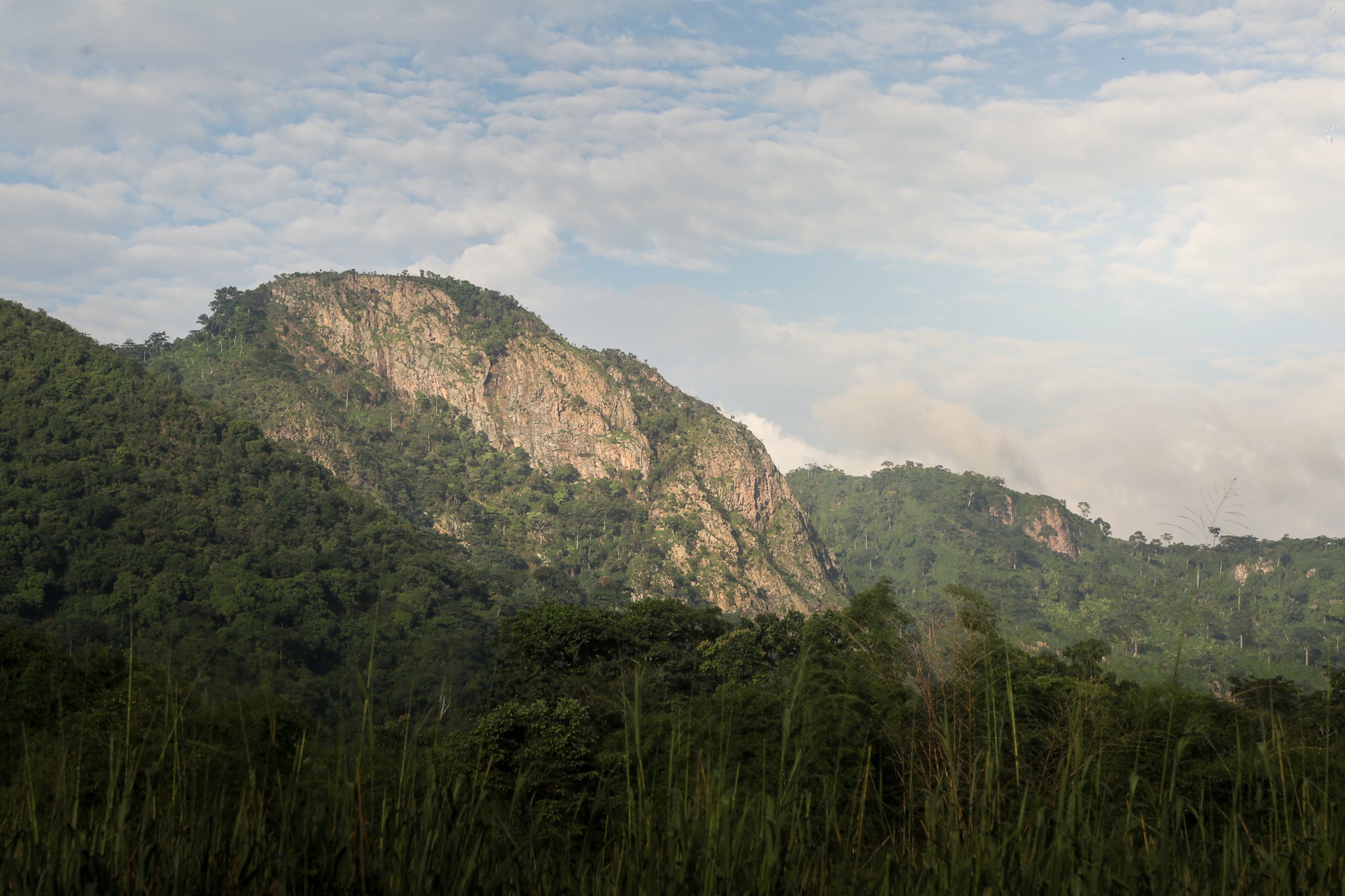
The Akuapem-Togo mountain range, as seen from Ghana, which makes up part of the border with Togo
Fast forward three years and some of my favorite places to explore are the mountains of the Volta Region, on the border with Togo. Not only will you find Mount Afadjato, Ghana’s tallest peak, here, but the area is also home to stunning waterfalls and hikes.
Nothing beats an early evening stroll to Wli Waterfalls or a morning hike and swim at Tagbo Falls. Make a weekend of it and unwind at Tagbo Falls Ecolodge, one of the best places for some rest and relaxation.
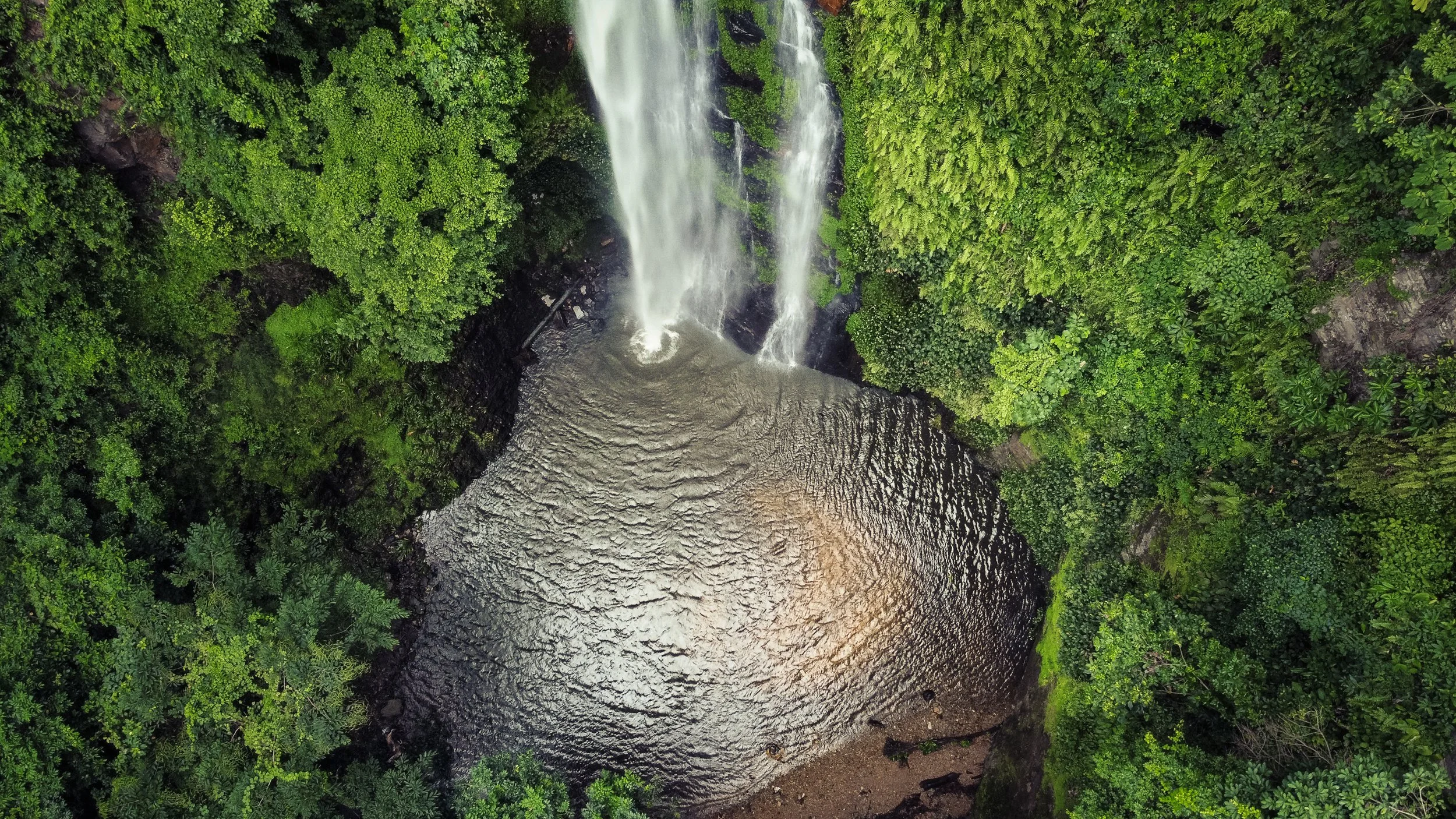
Tagbo Falls as seen from above in Liati Wote, Ghana
1. MV Ilala Ferry, Lake Malawi
Many people ask “why Malawi,” and, to be honest, I don’t really have an answer. I had a month off from work, a flight credit to use, and Malawi fit the criteria of within budget, filled with nature, and plenty of unknowns. So, my response to this question ends up being “why not.”
One experience that I kept coming back to while researching the country was the MV Ilala.
This historic ferry was built in 1949 in Scotland and has since been ferrying passengers and cargo up and down the shores of Lake Malawi since its launch in 1951. Carrying up to 360 passengers and 100 tons of cargo, the MV Ilala runs the length of the lake, from Monkey Bay up to Chilumba near the Tanzanian border, on a weekly schedule.
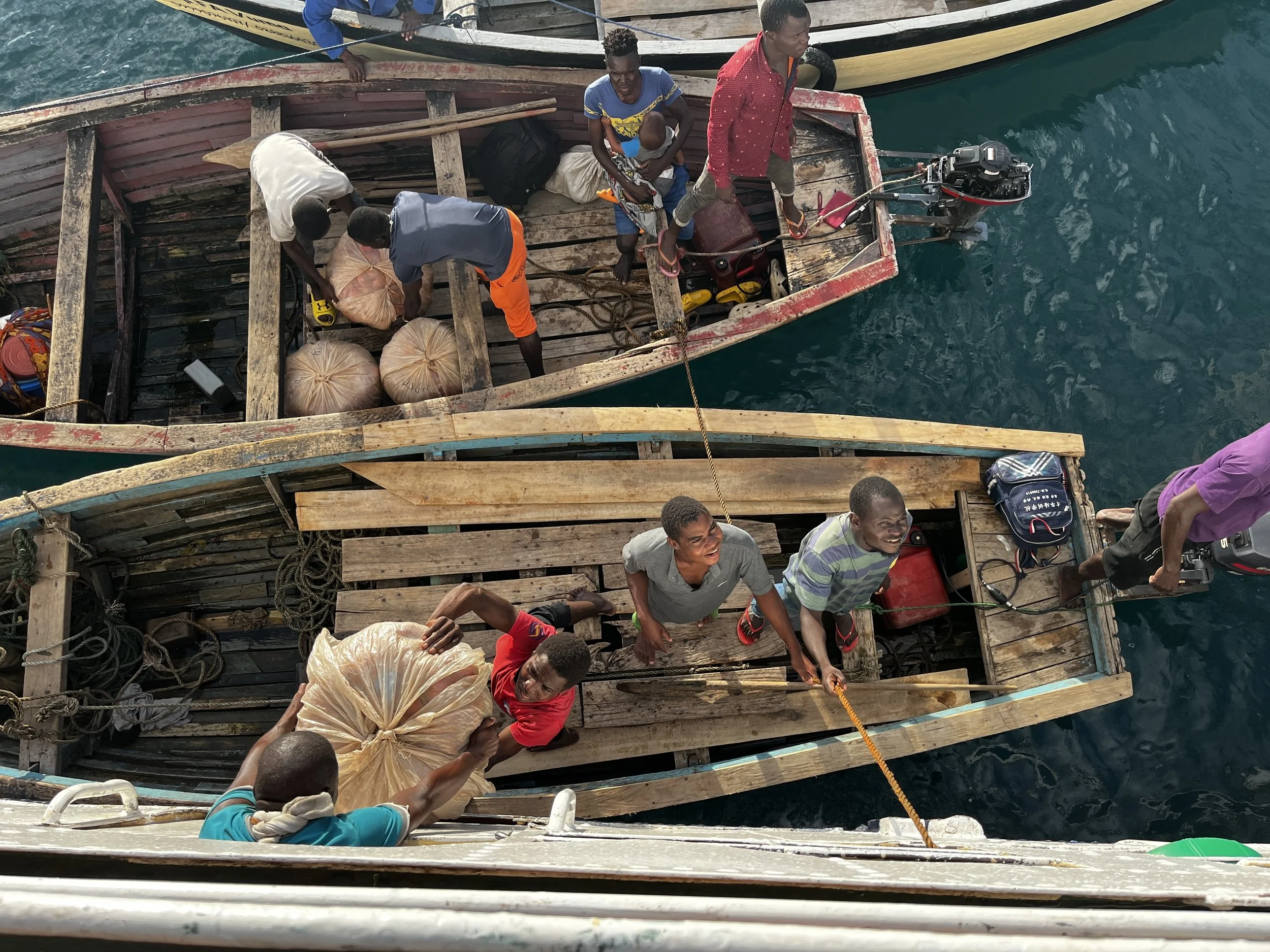
Passengers help load both cargo and people into fishing boats below, the only way to get to shore at many ports
I needed a way to connect the southern part of my Malawi itinerary to Nyika National Park, and what better way to do that than spend 40 hours on a ferry, packed to the brim with 300+ new friends?
Skeptical that the email I sent a week in advance was enough to secure a cabin, I arrived in Monkey Bay early in the morning to a throng of people and cargo, waiting in line, and was pleasantly surprised by the ease of the process.
Ticket in hand, I navigated the crowd and boarded, watching from the top deck as passengers loaded everything from mattresses to stoves, and more. Soon enough, we left the port and were on our way.
Many of the ports of call along the route are too shallow for the ferry to dock, so it was a shock to me when we dropped anchor and fishing boats came out to collect people and baggage, a stream of traffic climbing up and down the side of the ship.
At the second stop, one of the MV Ilala’s official shore boats stalled its engine and was left stranded bobbing up and down in the lake’s waves, signaling for help from shore. By the time that was solved, the weather had turned, winds picked up, and the captain was afraid of capsizing, so we stayed put off the shores of Senga Bay, effectively delaying our travel by 7+ hours.
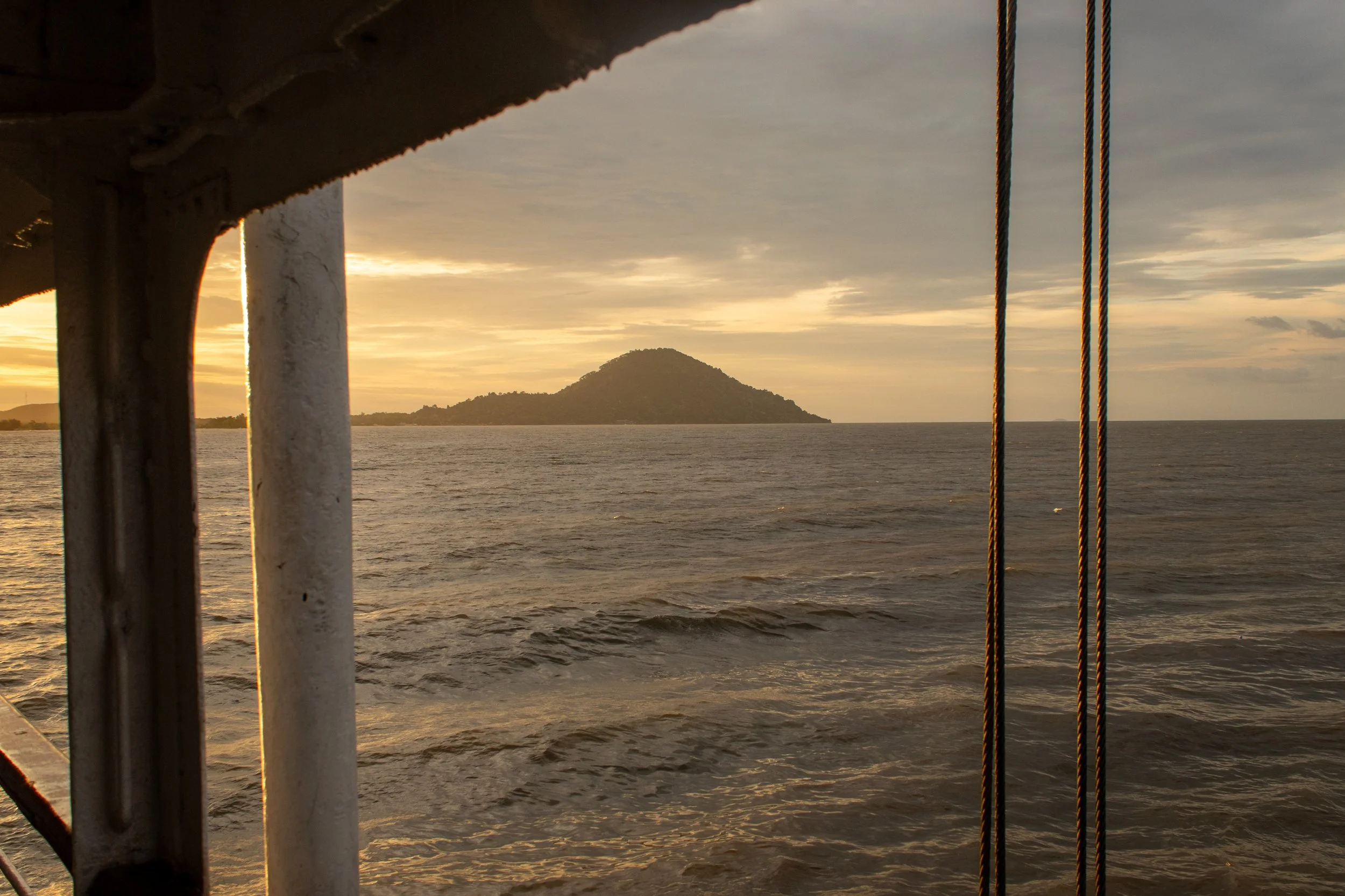
The sun sets along Lake Malawi as we dropped anchor and spent the night after winds picked up
After waking the next morning and wondering why it felt like we weren’t moving (in reality, because we weren’t), the captain cleared us to continue.
A fellow traveler and I decided to disembark at Likoma Island to stretch our legs. As the sun set, we made our way back to the port, elbowed our way into one of the wooden shuttle boats that were so deep you had to stand and use each other for support, before making our way back to the ship in the dark.
I’m convinced that re-boarding is a special skill, having to wait until the waves lift your boat up, grabbing hold of the railings at the right time, and hoisting yourself back onto the ferry with the help of people behind you making sure you don’t fall backwards.
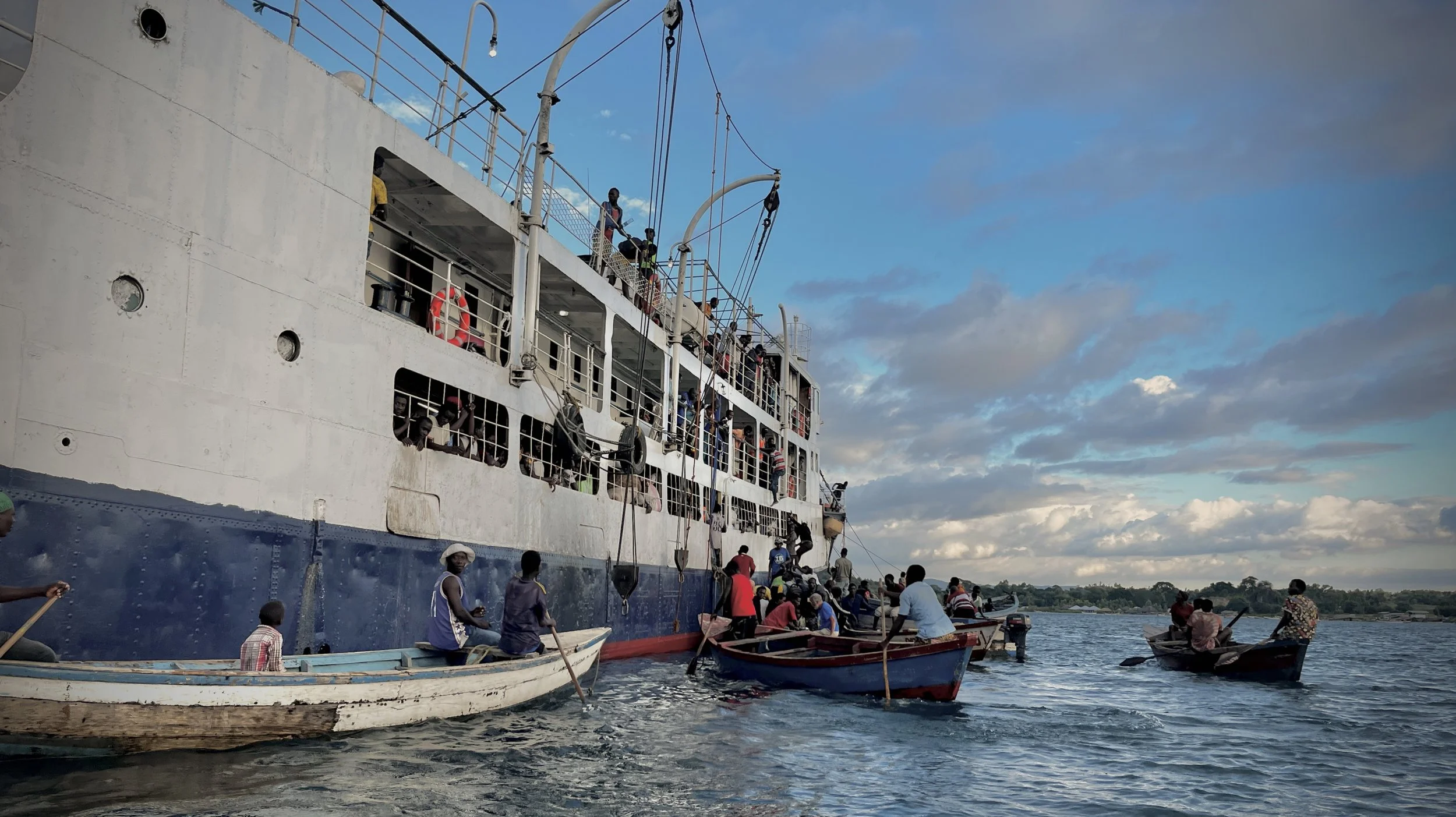
Getting on and off the MV Ilala is often an adventure in itself, climbing from the side of the sip into awaiting fishing boats
On we went, eventually reaching Nkhata Bay at 3 am. I descended below deck to the massive crowd crush trying to disembark, tossed my bags into a waiting boat, and climbed through the dark to reach them. We finally made it to shore after 2+ days traveling Lake Malawi, I pitched my tent in the dead of night, and watched the MV Ilala Ferry pull out of port the next morning from shore.
An experience I won’t forget anytime soon.
Looking Back
I’m now on year four of living in West Africa, and although it’s taught me so much, there’s plenty more to learn and absorb.
This move and these experiences have brought a necessary shift in my perspective, a boost in resilience and adaptability, and, despite the chaos, a level of calmness I never experienced living in the United States.
Thanks for reading, and cheers to whatever adventures may lie ahead in this crazy life of ours.
What are some of your favorite travel stories? Share in the comments below and, until next time, stay safe & happy travels.
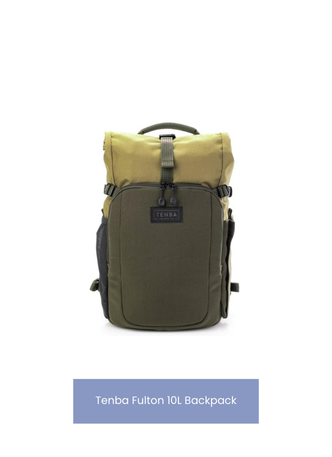
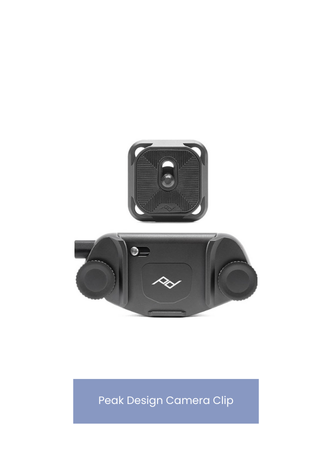
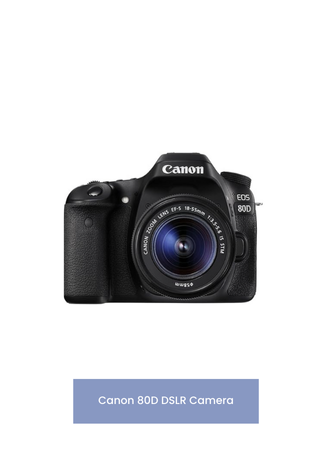
Ready to upgrade your camera gear? Here’s what travels with me on every trip:

Sharing is caring! Pin this post for later.



15 Stunning South Africa Travel Photos To Inspire Your Next Trip
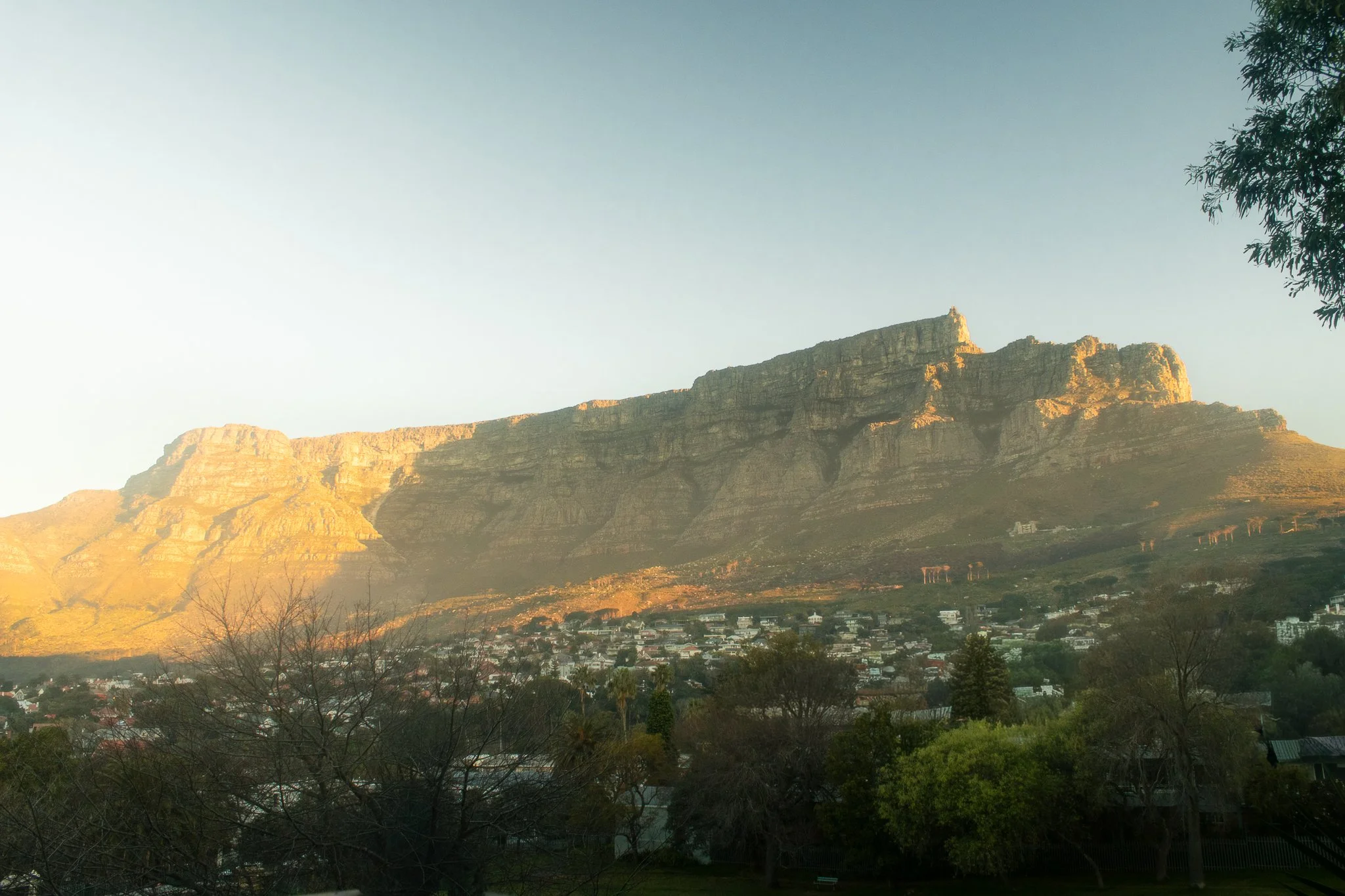
The first time I visited South Africa was in 2010 on Semester at Sea. It was a crisp spring morning on the bow of the ship as the sun breached the horizon, lighting up the mighty Table Mountain—and in that moment, I was hooked…
The first time I visited South Africa was in 2010 on Semester at Sea. It was a crisp spring morning on the bow of the ship as the sun breached the horizon, lighting up the mighty Table Mountain—and in that moment, I was hooked.
Fast forward fifteen years. With a month off work and already situated on the African continent, there was only one place calling me back: South Africa.
It’s no secret that South Africa exists in a constant state of tension between its apartheid past and present-day realities. Townships still dot the outskirts of major cities, and crime rates continue to top the continent. But despite this complex backdrop, South Africa has a way of pulling you in—and refusing to let go.
From world-changing history, both evolutionary and geopolitical, and iconic wildlife to unforgettable safaris, dramatic coastlines, and vast landscapes, South Africa is one of the most visually striking countries in the world to photograph.
So, off I went—camera in hand.
Maybe these 15 stunning South Africa travel photos will inspire your next trip (fingers crossed).
Ready for more South Africa content? Don’t miss these posts:
1. Good morning, Cape Town
Location: Cape Town, South Africa - Table Mountain
Is there any secret as to why Cape Town is consistently ranked as one of the most beautiful cities in the world for South Africa travel photography? All it takes is a window seat on approach into the airport to understand why. The magestic Table Mountain makes for one of the most unique city backdrops in the world, and is also a reason why it’s so hard to take a bad travel photo here.
This particular photograph was taken from the balcony of my apartment and it quickly became a daily ritual to watch the light move across Table Mountain on several crisp winter mornings.
2. Cape Town in Pastel: View from the Gardens
Location: The Gardens Neighborhood, Cape Town, South Africa
Not long after arriving in Cape Town, I fell ill and quickly realized I had brought a case of malaria with me from Ghana (don’t worry—South Africa is malaria-free). Each afternoon, the fever would break just long enough for me to get outside and explore.
The walking paths behind the Gardens neighborhood quickly became my go-to, and it’s easy to see why. Soft pastel buildings, quiet streets, and views toward Table Mountain make this one of my favorite spots in the city—and one of my favorite South Africa travel photos to date. For me, it perfectly captures the calm, colorful essence of Cape Town travel photography.
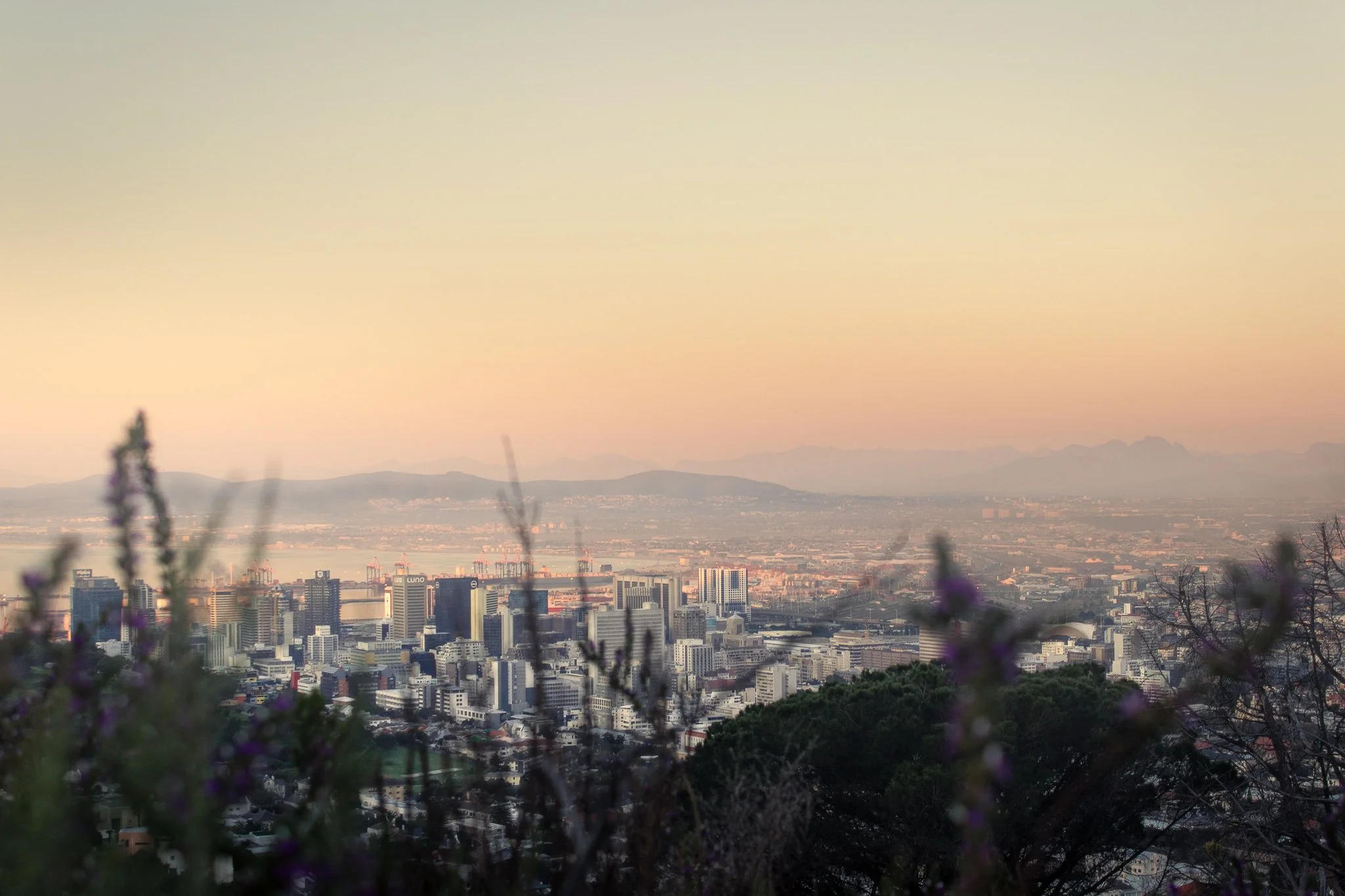
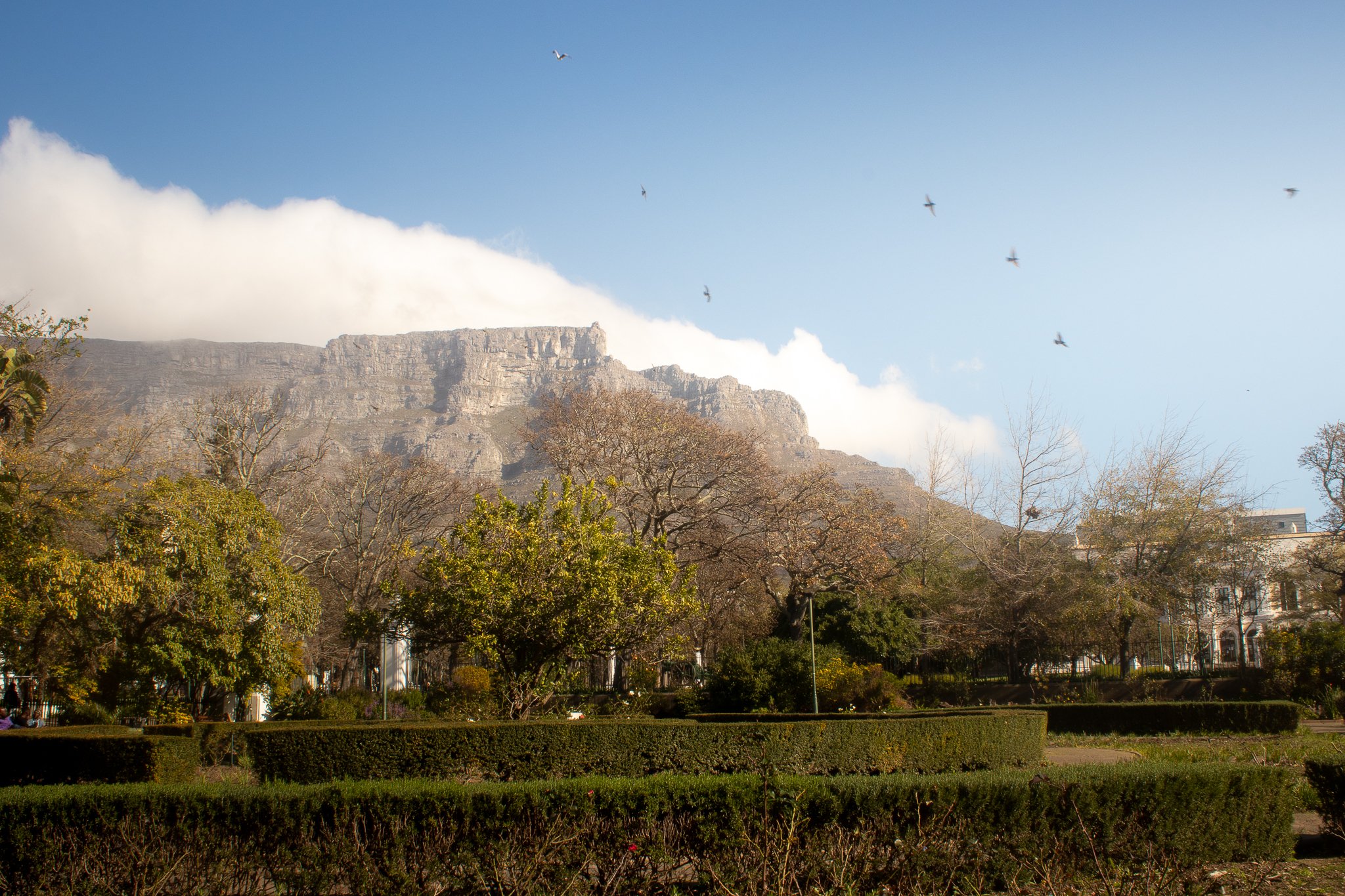
3. An Afternoon City Break in Cape Town’s Company’s Garden
Location: The Company’s Garden, Cape Town, South Africa
Despite visiting towards the end of the winter months, I stumbled upon one of my favorite Table Mountain viewing spots: The Company’s Rose Garden in the Central Business District.
Originally established in the 1650s to bring fresh supplies for ships passing through, the land now serves as a public park and the perfect spot for some stunning Cape Town travel photography, capturing city life in South Africa.
Once you’re done watching the birds and clouds (the “Tablecloth”) move in over Table Mountain, walk around the corner to Truth Coffee Roasting on Buitenkant Street for one of the best cups of coffee in your life (no embellishment necessary).
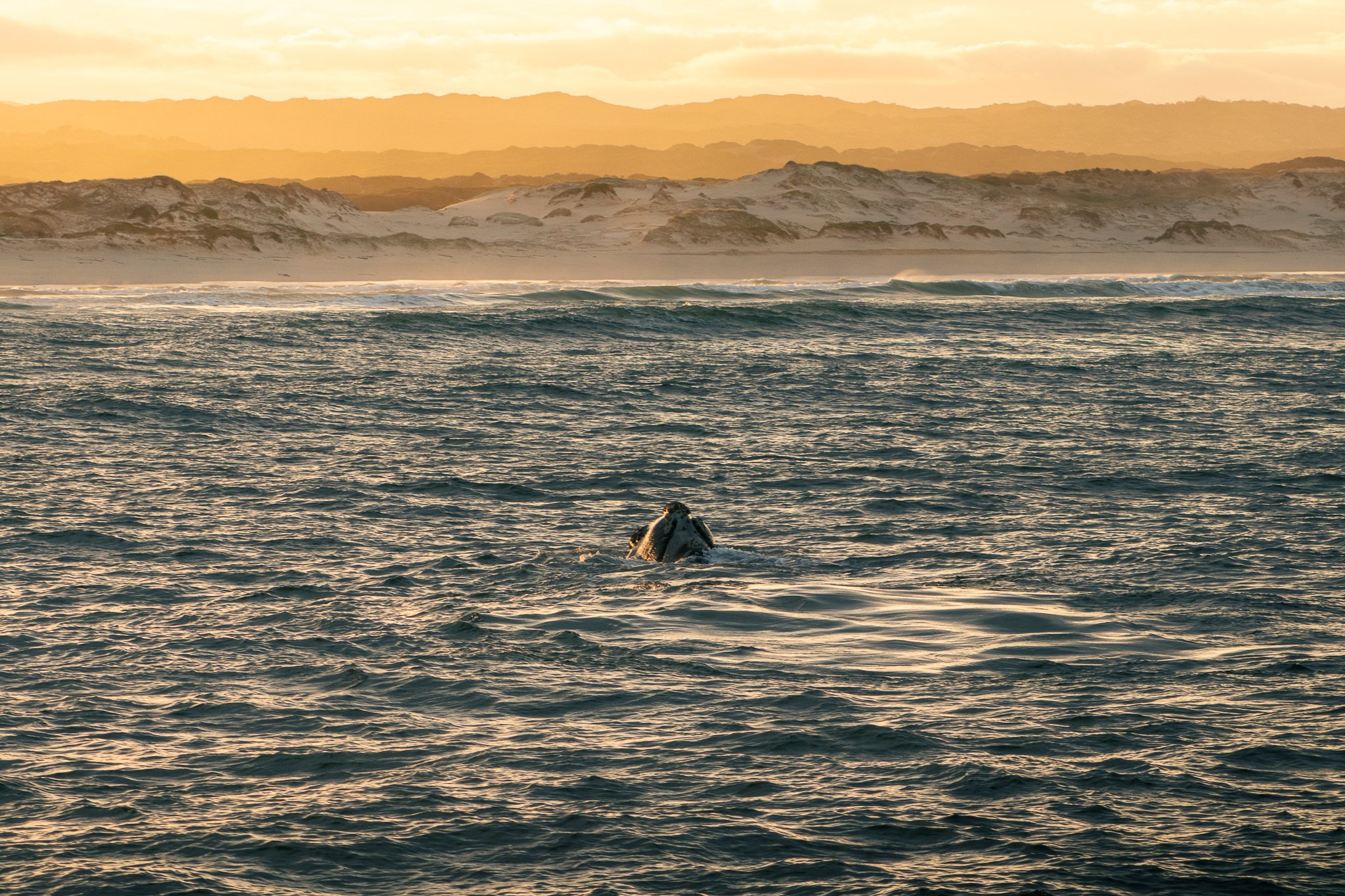
4. Golden Glow: Whale Watching in Hermanus
Location: Hermanus, Western Cape, South Africa
Every year, the quaint seaside town of Hermanus attracts so many visitors to Walker’s Bay that it’s commonly referred to as the “Whale Watching Capital of the World.”
After a month of solo-traveling around this incredible country, whale watching in Hermanus at sunrise was the experience of a lifetime that I hope to not soon forget.
The 5am wake up and freezing temperatures were worth it to capture this golden moment, one of my favorite travel photos from South Africa.
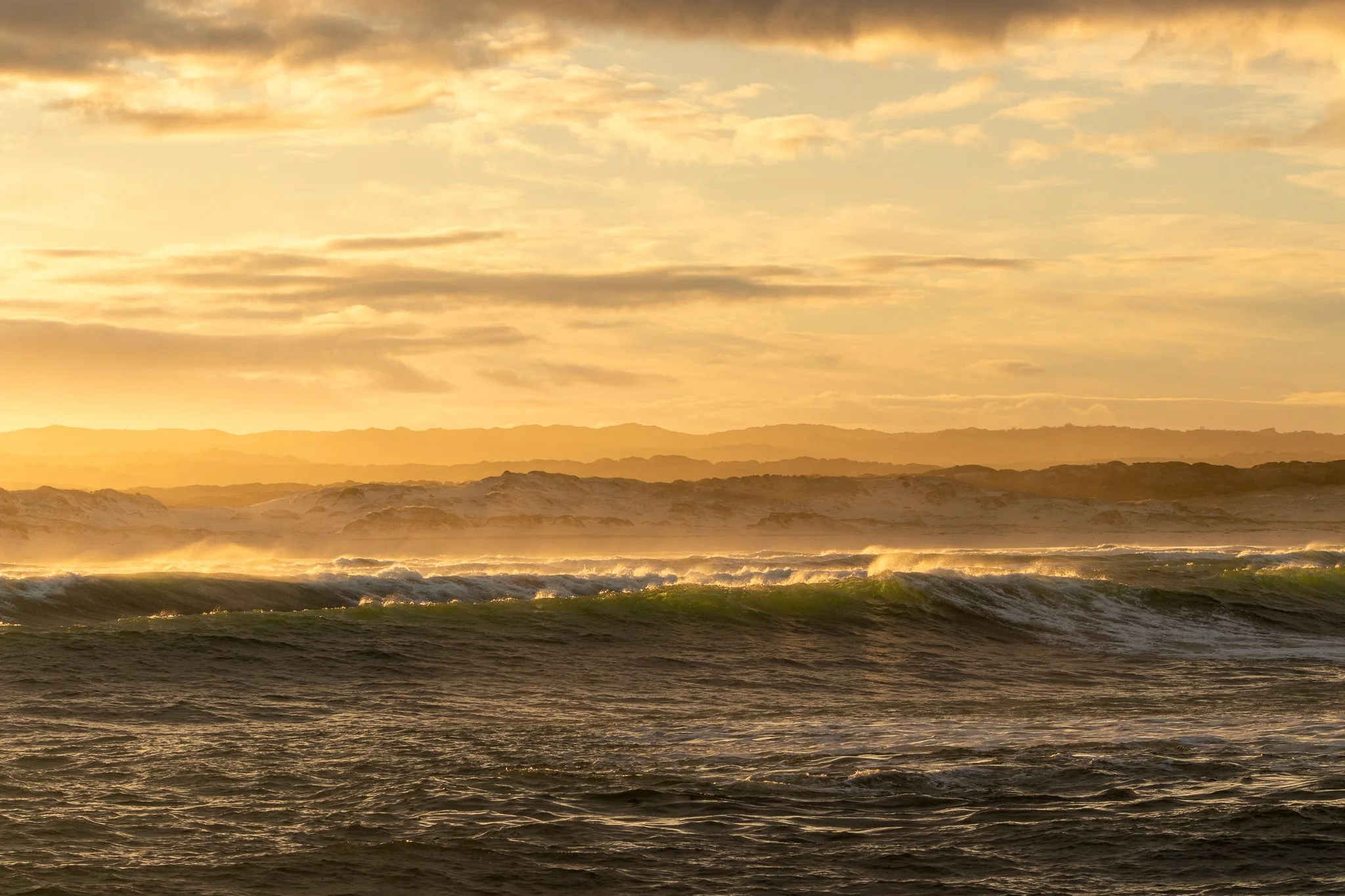
5. South Africa’s Nature Bath: Hermanus
Location: Hermanus, Western Cape, South Africa
The coastal landscapes are so pleasing to look at here that doctors once used to prescribe visits to Hermanus for recovering tuberculosis patients. The proof is in the medicine, right?
Even if getting out into the bay isn’t your cup of tea, there’s still plenty of South Africa’s nature to take in. Breathe a little easier and take the two hour drive from Cape Town. It’s worth the effort.

6. Golden Hour in Hermanus: Whales and Crashing Waves
Location: Hermanus, Western Cape, South Africa
No, I’m not done with Hermanus just yet. This travel photo lives rent-free in my mind so I wanted it in yours, too (you’re welcome).
Crashing waves, a golden sunrise, and whales rolling in the water. The coastal scenery provides all the recipe for a South Africa travel photography stunner, making a whale watching excursion in Hermanus a must-do activity.
7. Pure Bliss on the Hermanus Cliff Walk
Location: Hermanus, Western Cape, South Africa
If whale watching by boat isn’t for you there are still plenty of things to do in Hermanus, including a 12km cliff walk along the shore, making it easy to spot wildlife in the bay. The town even employs an official “Whale Crier”, blowing his conch every time one is spotted so you’ll never miss a beat.
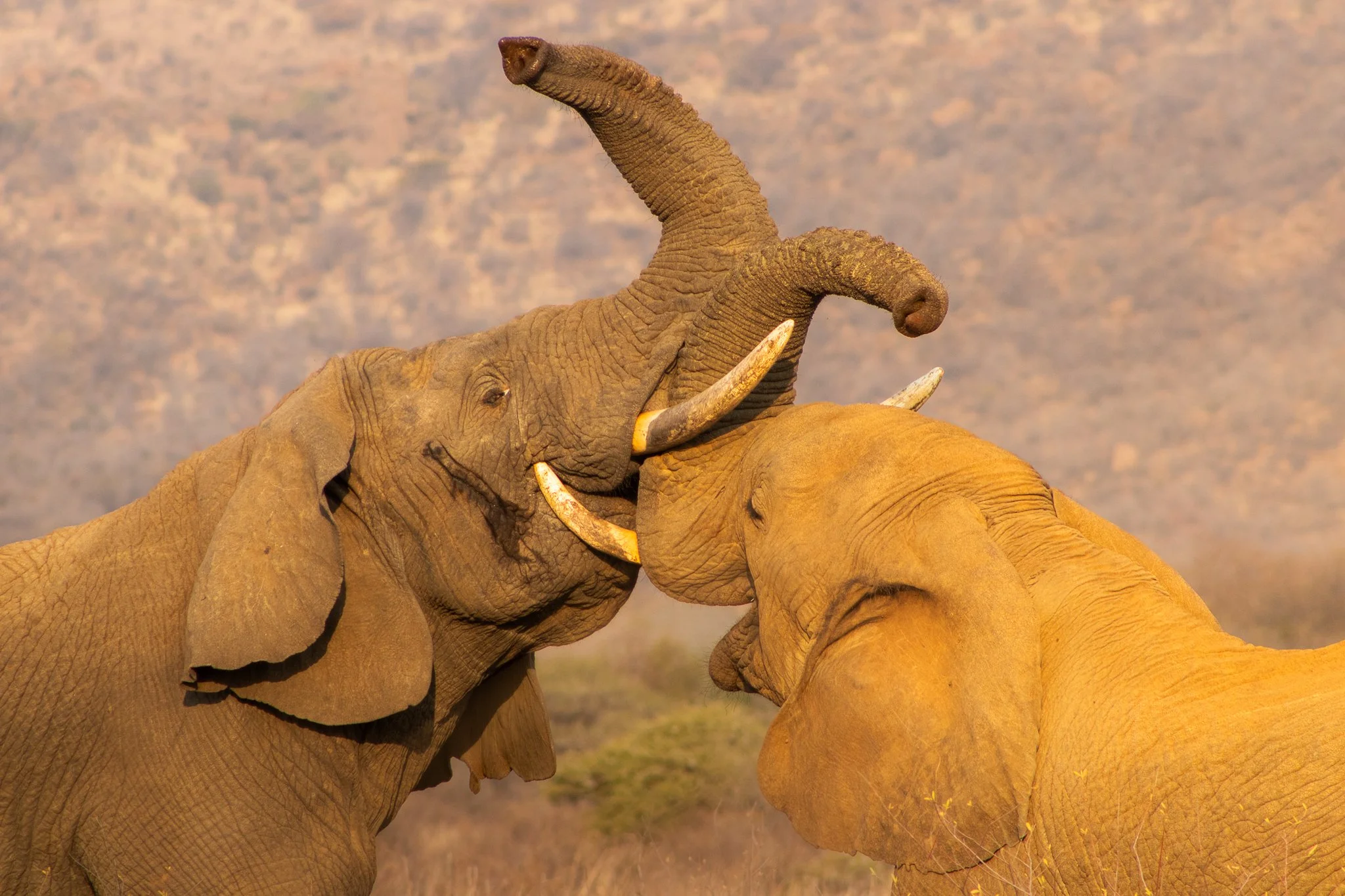
8. Generational Differences: A Pilanesberg Safari Moment
Location: Pilanesberg National Park, North West Province, South Africa
A three hour drive from Johannesburg lies Pilanesberg National Park. Not nearly as vast as nearby Kruger, it serves as a smaller-scale safari for shorter trips.
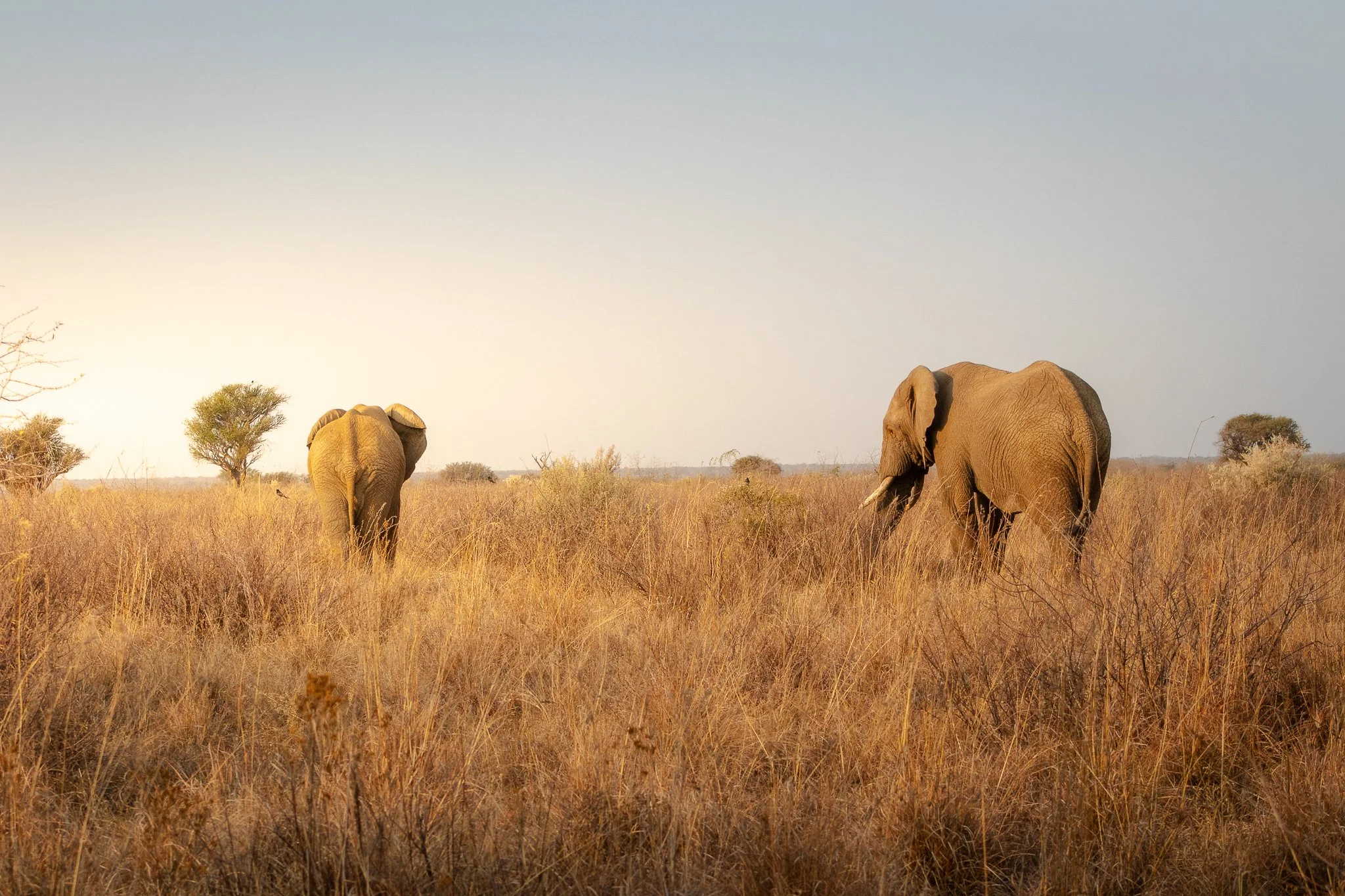
On one of my final game drives, the jeep was nearly empty and we came across this scene: an older male “arguing” with a teen. Luckily we were the only ones there to bear witness.
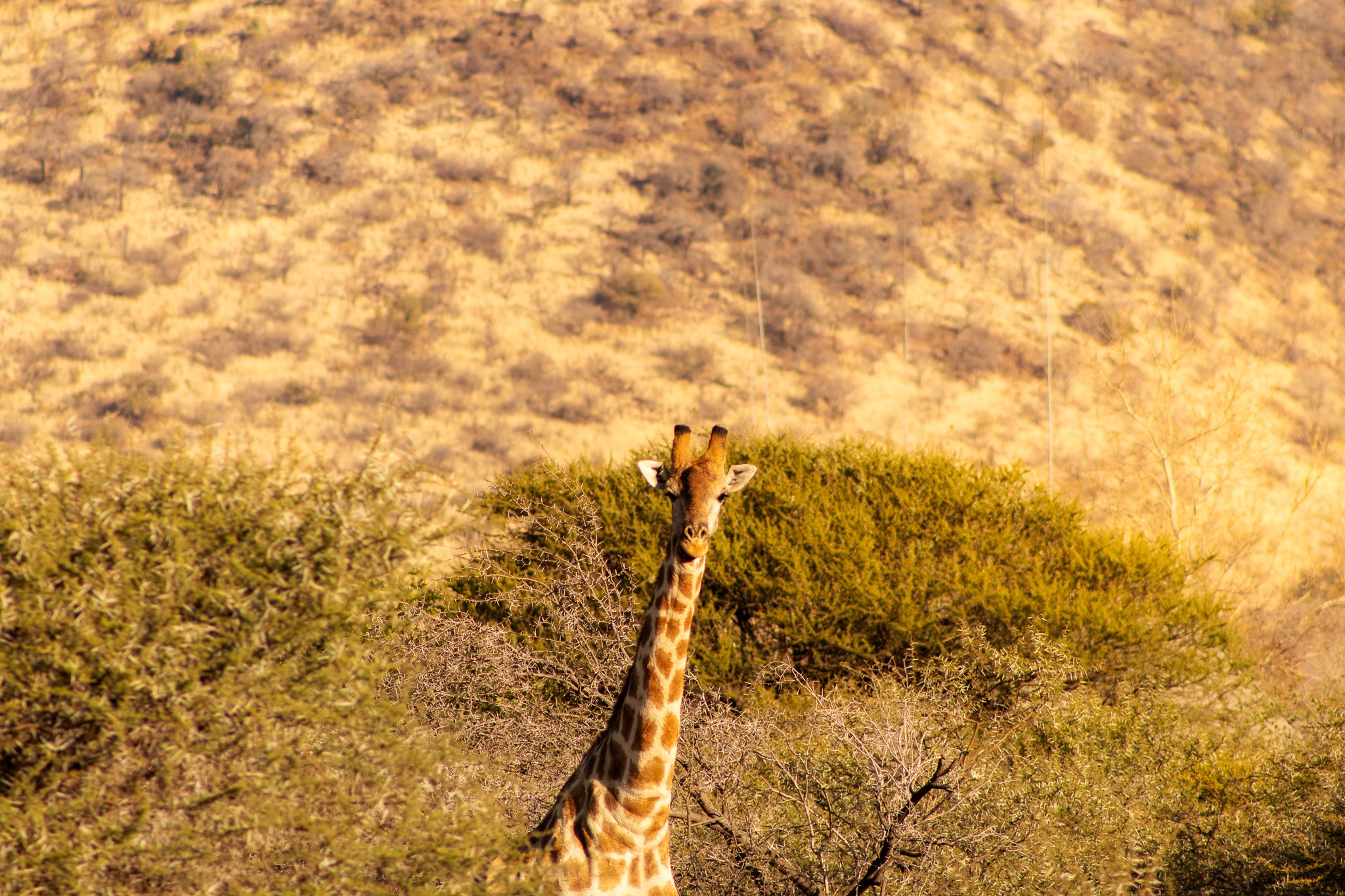
9. The Spotter Becomes the Spotted in Pilanesberg National Park
Location: Pilanesberg National Park, North West Province, South Africa
Our guide pulled over after spotting a giraffe hidden behind the bush. As I fiddled with my camera, it slowly emerged and turned to face us at the perfect moment.
We quickly became “the spotted” on our game drive as the tables turned—creating one of my favorite South Africa travel photos, captured during a quiet safari moment in Pilanesberg.
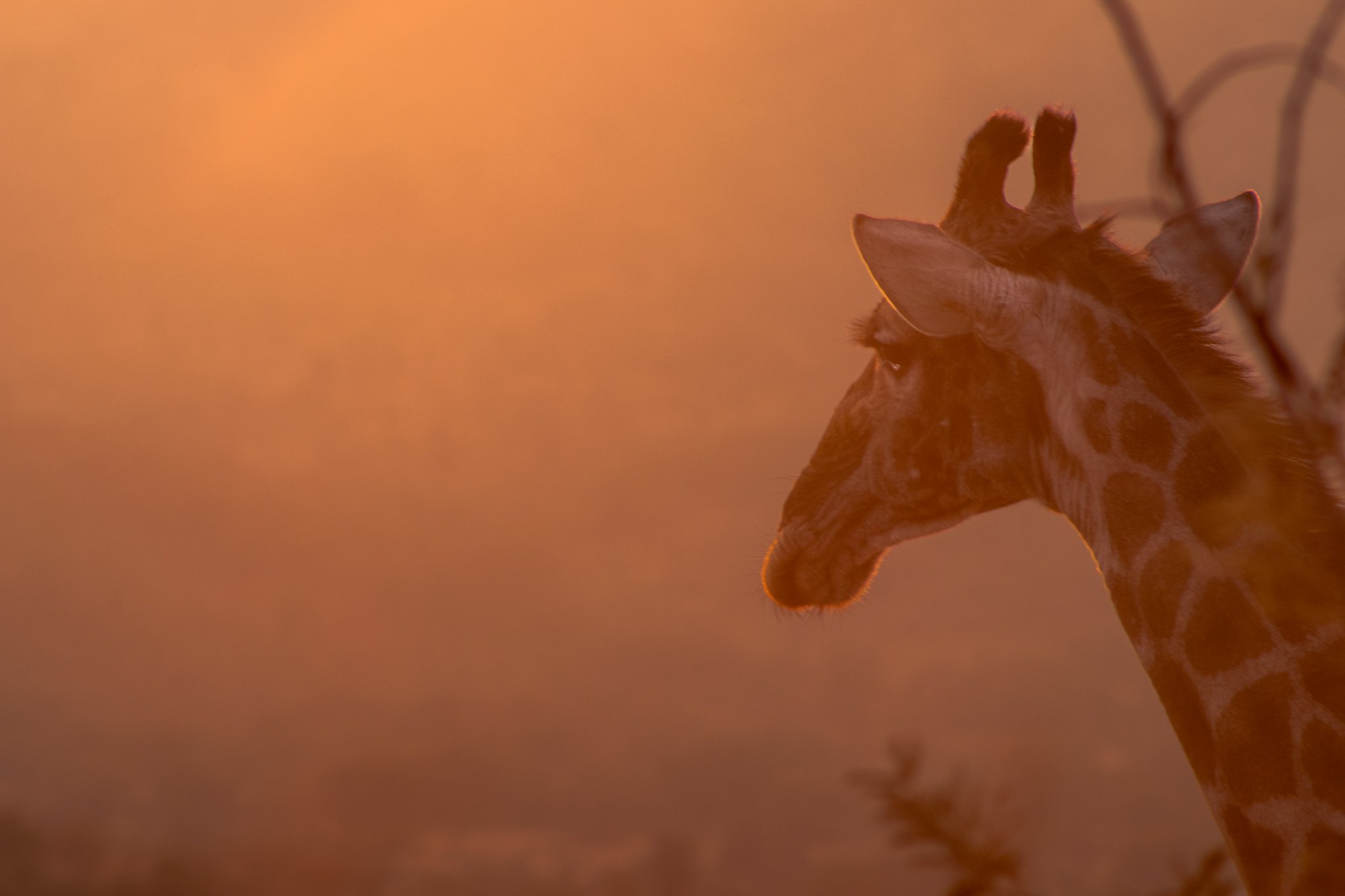
10. “Giraffe Valley” Mornings
Location: Pilanesberg National Park, North West Province, South Africa
An unofficial nickname, the phrase “Giraffe Valley” quickly took hold during my stay at Black Rhino Game Lodge because every time we drove this particular area, we were greeted by several giraffes.
On this particular morning in the freezing cold, the sun hit the frost and mist just right to create this orange glow. We couldn’t find what this giraffe was staring out over the valley, but it never diverted its gaze.
11. Into the Pilanesberg Sunset
Location: Pilanesberg National Park, North West Province, South Africa
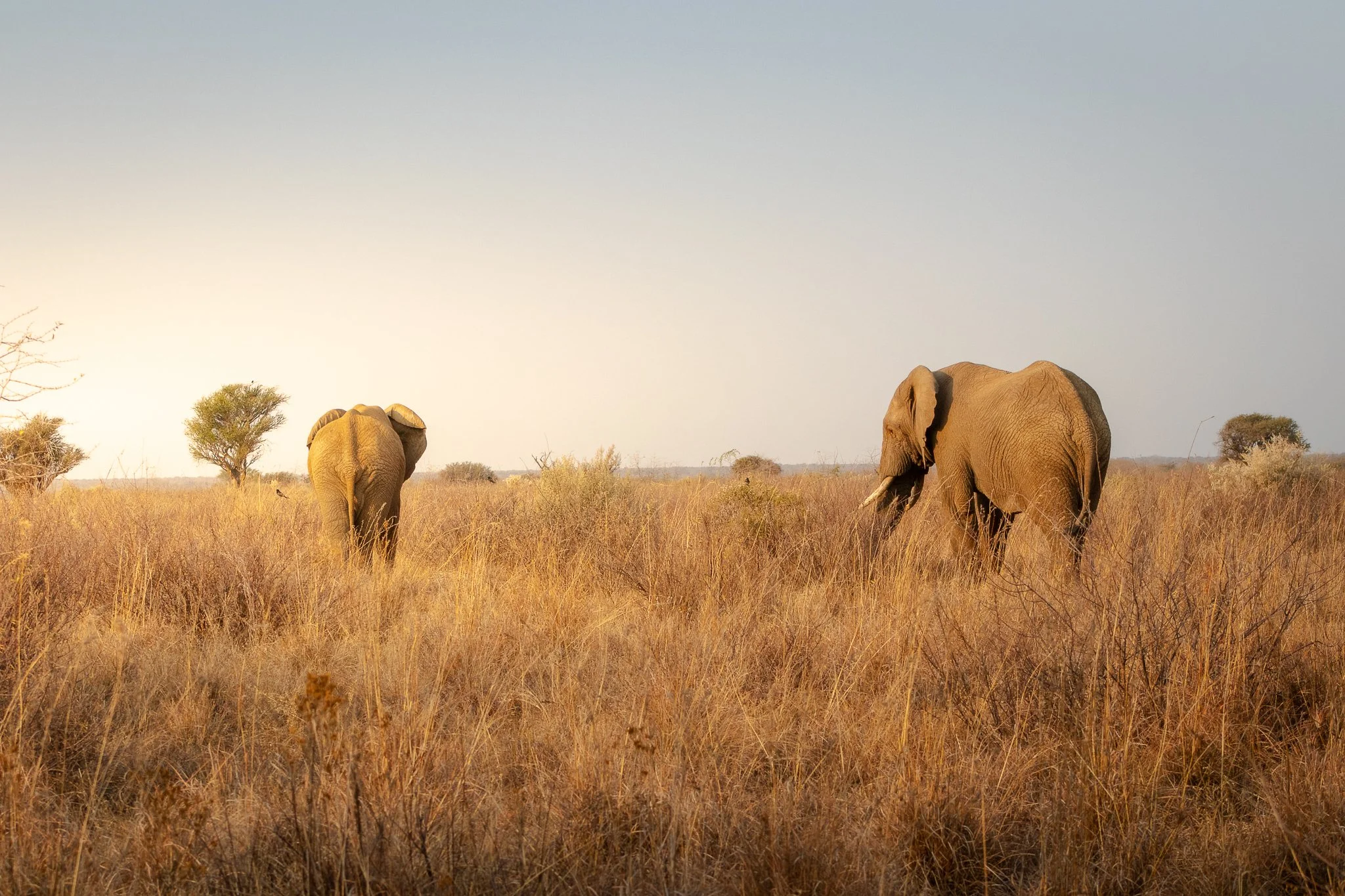
Once the aforementioned generational scuffle ended, we were treated to this scene: both elephants rumbling off into the sunset. One of the more peaceful South Africa travel photos I was able to capture and my favorite Pilanesberg safari moments.
Here’s my go-to camera gear when traveling:
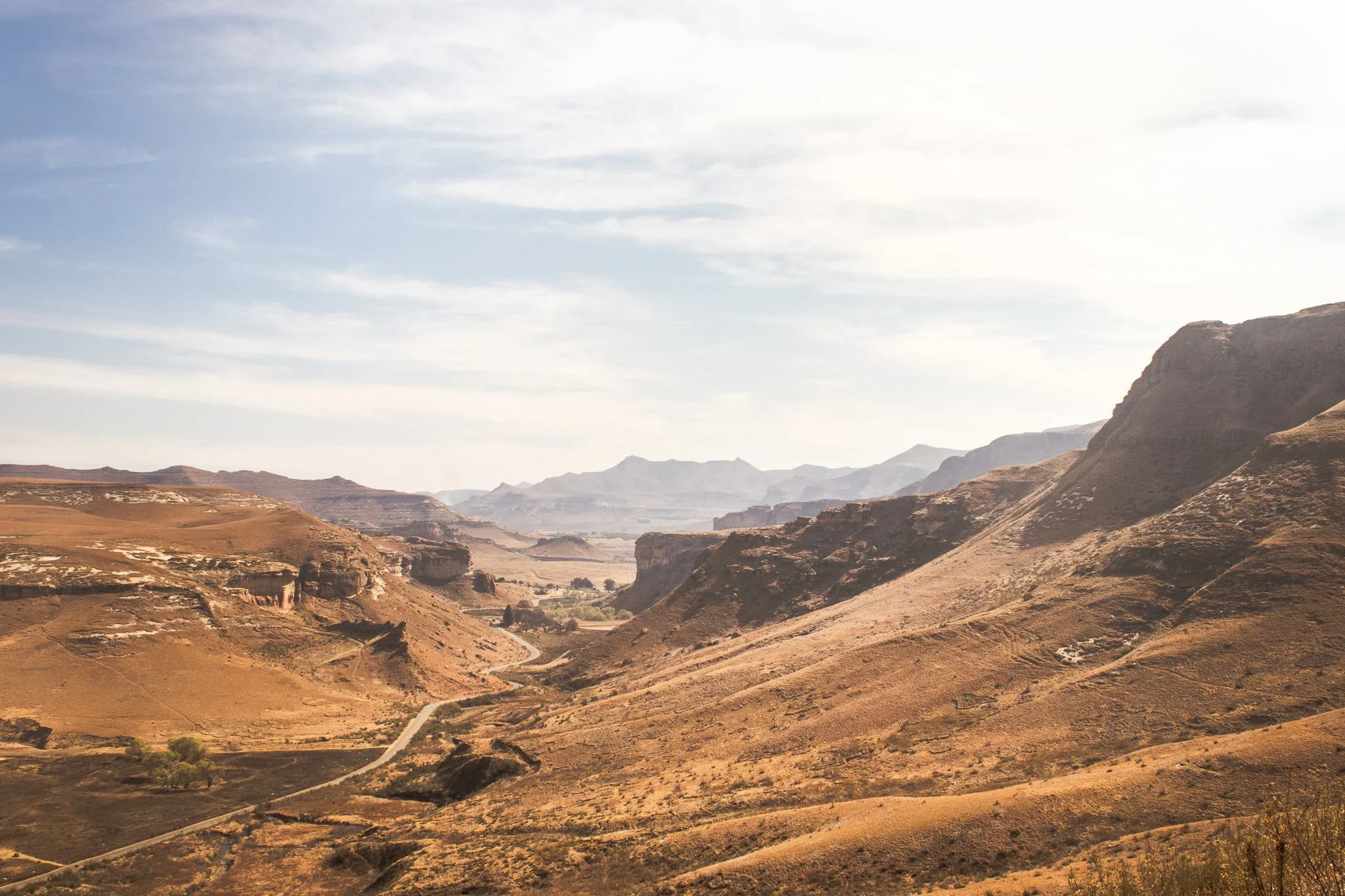
12. The Road to Nowhere in Golden Gate Highlands National Park
Location: Golden Gate Highlands National Park, Free State, South Africa
I had a gap in my plans during my South Africa roadtrip after visiting Pilanesberg National Park. One thing led to another and I ended up in nearby Clarens as a base to visit Tugela Falls via the infamous Chain Ladders Route, the second-highest waterfall in the world.
Long story short, a combination of poor planning, time of day, and weather nixed that hike. But the drive back to Clarens passed through Golden Gate Highlands National Park and I decided to pull off and do a short walk. I was treated to the stunning Free State landscapes, herds of wild zebra, and solitude. The afternoon was a lesson in following your gut: things will work out.
13. The Perfect Stopover in Clarens, South Africa
Location: Clarens, Free State, South Africa
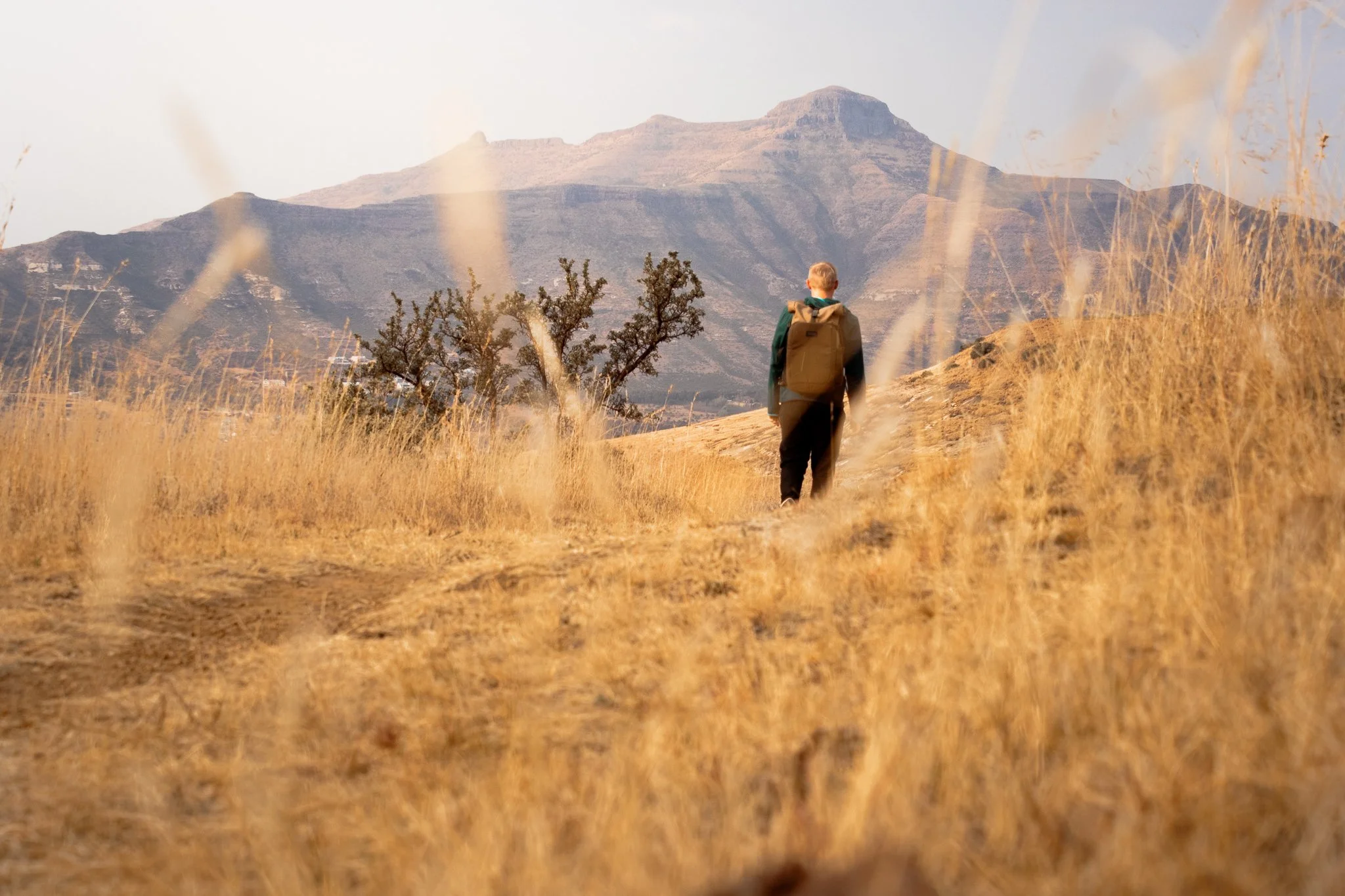
Clarens was never part of the plan, but it seemed a good home base for the next stage of my trip — driving into Lesotho.
Lined with cafes, breweries, and art galleries, this quaint town in South Africa’s Free State is also at the doorstep of jaw-dropping landscapes at neighboring Golden Gate Highlands National Park.
14. Toyota RAV4 vs. Sani Pass
Location: Sani Pass, Drakensberg Mountains, Lesoth-South Africa Border
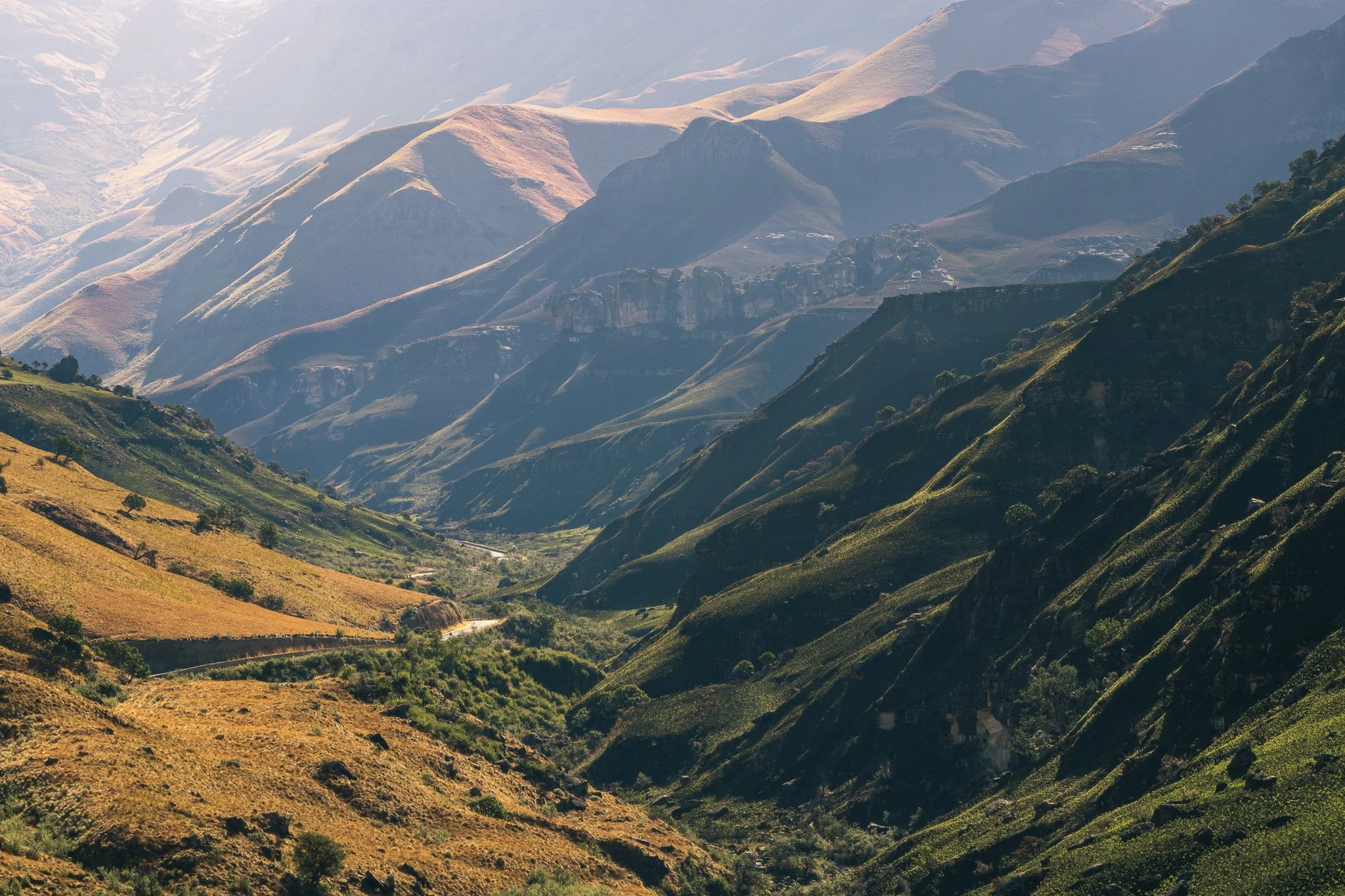
Driving the Sani Pass was the top item to accomplish during my solo travel around South Africa, so when the rental company in Johannesburg couldn’t give me a 4x4 as was required to drive the road, I had a decision to make.
Do I skip it, or find a way?
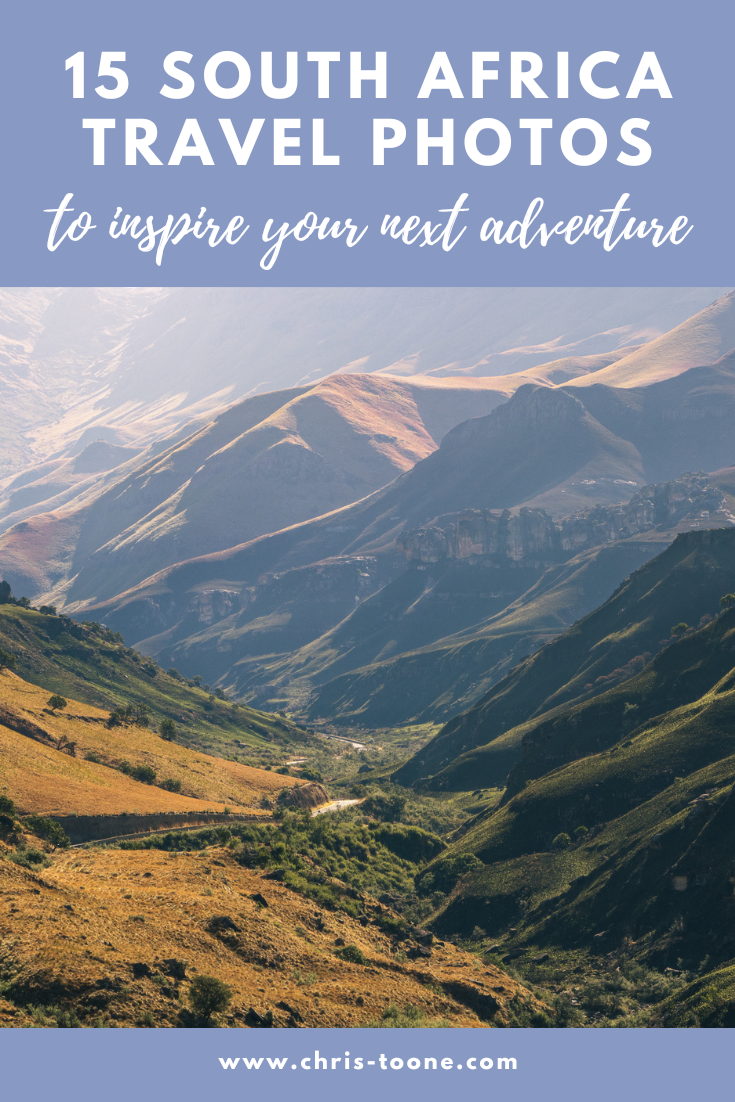
That’s the story of how my trusted RAV4 and I (slowly) made our way down from Lesotho and back into South Africa along the infamous Sani Pass. The road was rough and the descent difficult, but the sweeping views of the surrounding Drakensberg Mountains were worth it.
15. Unexpected Peace in KwaZulu-Natal
Location: Howick, KwaZulu-Natal, South Africa
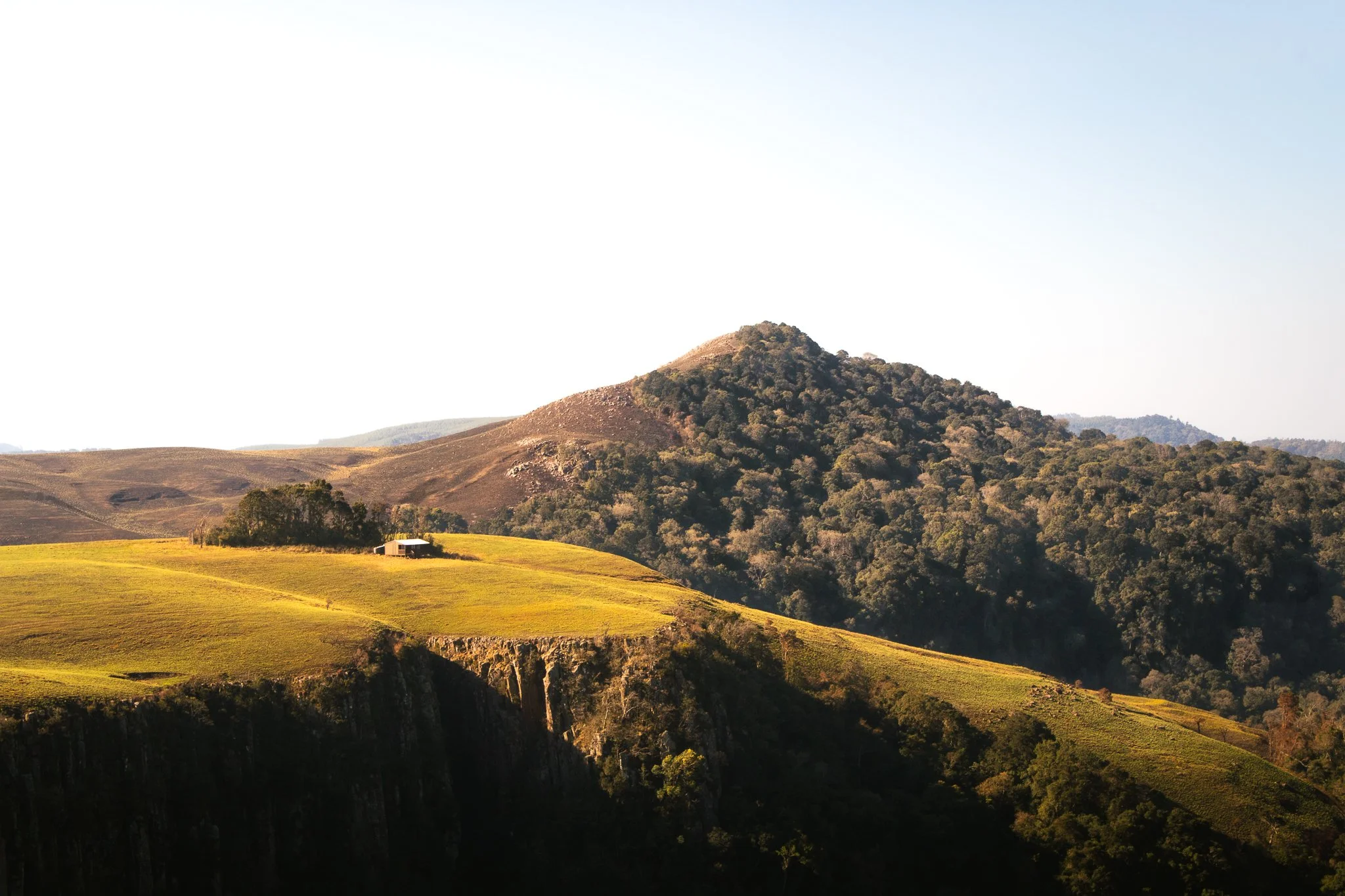
From the Drakensberg Mountains, I made my way into the rolling hills of the KwaZulu-Natal Midlands with the intention of visiting Nelson Mandela’s capture site.
What I found instead was unexpected calm—gentle landscapes, open skies, and endless greenery like Gray Mare’s Trail in nearby Karkloof Nature Reserve. It was a quiet reminder that some of the most peaceful moments of travel come when plans take a back seat
My solo travel started in Cape Town, often named the world’s most beautiful city by Time Out Magazine — and it’s easy to see why. Mountains, outdoor space, coffee, rich culture and endless diversity… you could leave me there and I’d be set for life.
But when you inevitably book that trip, push yourself beyond the city limits and into the far corners of the country. Discover the KwaZulu-Natal Midlands and Drakensberg Mountains. Drive the wide-open roads of the Free State and jump into South' Africa’s wildlife.
You won’t regret it.
In the meantime, I hope these 15 South Africa travel photos help to keep that wanderlust alive and offer a little inspiration for your next adventure.
Questions? Anything to add? Drop it in the comments below. Until next time, stay safe & happy travels!
Sharing is caring! Pin this post for later.


Exploring Mole National Park: Ghana’s Premier Wildlife Destination
Mole National Park is Ghana’s largest and most famous wildlife reserve, offering a breathtaking blend of savannah landscapes and diverse animal species. Located in the northern part of the country, it’s a haven for wildlife enthusiasts, photographers, and eco-tourists looking for an immersive safari experience...
Note: All information is up to date as October 2024 and is based around staying at the Mole Motel, however other accommodations exist within the park and are included in the post below.
Mole National Park is Ghana’s largest and most famous wildlife reserve. Located in the northern part of the country, it offers a breathtaking blend of savannah landscapes and diverse animal species. It’s a haven for wildlife enthusiasts, photographers, and eco-tourists looking for a unique safari experience.
After visiting Ghana for the past fifteen years and living here full-time for two, it’s a place that’s at the top of my list to not only bring visitors to but also myself to recharge and slow down!

An elephant is spotted on a morning game drive at Mole National Park in Ghana
History of Mole National Park
Established in 1958 and officially designated as a national park in 1971, Mole National Park covers approximately 4,849 square kilometers. It is home to over 90 mammal species, including elephants, buffalo, baboons, warthogs, and antelopes. Depending on the park ranger, you may even hear a tale about the elusive lions that some say still roam the expansive interior forests. The park also boasts nearly 300 bird species, making it a hotspot for birdwatchers.
One of the Mole’s unique features is its year-round accessibility and the chance to observe elephants up close, especially during the dry season when they frequent waterholes. As one of West Africa’s best-preserved wildlife reserves, Mole National Park continues to attract travelers looking for an authentic African safari experience in a less commercialized setting.
I’ve visited the park in January, April, August, and December and have never been disappointed with wildlife viewing. Warthogs roam the motel grounds and even elephants come to say ‘hello’ at times. Careful of the baboons, though. They’ve been known to steal your food at the restaurant and open your room if it’s not locked — speaking from experience.

An antelope is spotted in the morning glow at Mole National Park - Ghana, West Africa
How to get to Ghana’s Mole National Park
Mole National Park is located in northern Ghana, approximately 150 kilometers from Tamale, the capital of the Northern Region. There are several ways to get there:
By Air: The easiest way is to fly from Accra to Tamale Airport. From Tamale, a private vehicle can be arranged through your accommodations. Other options include a shared taxi or a bus to Mole, which takes around 3-4 hours. Note: things are spread apart in the northern areas of Ghana. The most efficient option is a private vehicle with driver that costs GHC 1,500 round trip.
By Road: For those who prefer road travel, buses operate from Accra, Kumasi, and other major cities to Larabanga, the nearest town to the park. From Larabanga, it’s a short ride to Mole National Park.
Don’t want to do the planning? Check out these top-rated tours:
Entrance and Accommodation at Mole National Park
The beauty of Mole National Park lies in its affordable rates compared to other safari destinations in Africa. The entry fees are as follows:
Ghanaian citizens: GHS 10–15 (approx. USD 1–2)
Non-residents: GHS 40–60 (approx. USD 4–6)
*Discounts apply for children and students
Vehicles: Vehicles must also pay a nominal entrance fee into the park. This is the case even if a driver is dropping you off and will pick you in a few days. A Ghana registered car will cost GHC 5.00.
Accommodation: Mole offers a variety of accommodation options to suit different budgets, all located within the park:
Mole Motel:
This budget-friendly option offers basic rooms and chalets with stunning views of the park’s watering holes, where elephants and other animals often gather. Rates start around USD 30–75 per night. A range of accommodations is available, from dorm rooms to chalets overlooking the watering hole.
Although basic and far from luxurious, most rooms include A/C and I can personally attest that they have made several improvements over the years. Plus, the whole point is to be outdoors and enjoy nature, right?
A restaurant and bar exists onsite and offers a wide variety of food, including pizzas, burgers, local foods, and even Chinese. If you’re looking for a truly northern Ghana experience, don't miss the guinea fowl. This tough meat is a Ghanaian favorite in that part of the country!
Mole Motel is a great place to bring a book, enjoy a Club beer, and relax by the pool while spotting elephants below. It’s one of my favorite places in Ghana to experience a sunset.
It’s not uncommon to see a family of warthogs grazing the grounds or elephants visiting the motel for breakfast! Sometimes the universe is in your favor and the wildlife comes to you.
Note: Although Mole Motel is listed as having wifi, the network is very unstable It works enough to send messages from your phone, depending on where you are, but I would not recommend coming here for remote work.
Zaina Lodge:
For those seeking a more luxurious experience, Zaina Lodge offers high-end accommodations with private tented chalets, an infinity pool, and premium services. Prices start at USD 300 per night and are inclusive of meals and game drives.
I haven’t stayed here because I prefer Mole Motel. Part of the charm of northern Ghana is the raw and remote wilderness, but I can see how a luxury place like this would be great for family vacations!
Camping:
For the more adventurous, camping facilities are available within the park near the ranger's station just outside of Mole Motel. You’ll need your own gear, and fees are approximately GHS 50 (USD 3) per night.

Mole Motel in Ghana as seen from the watering hole
What to expect at Mole National Park
Visiting Mole National Park provides an unforgettable safari experience without the crowds typical of other African reserves. The best times to visit are during the dry season (November to April), when animals congregate around water sources, making sightings easier.
Three of the most common activities in Mole National Park are walking safaris, game drives, and birdwatching:
Walking Safari:
Mole is one of the few national parks in Africa where you can go on a walking safari. Accompanied by armed rangers, you’ll explore the park on foot and get incredibly close to elephants, antelope, and more. Some level of fitness is required for this and it’s best to go early in the morning to avoid the heat.
If you don’t spot elephants on your trek, don’t worry. Rangers will happily take you back into the bush when they are spotted near the watering hole throughout the day (for an additional fee, of course).
The walking safaris are so cheap because all you pay for is a guide at an hourly rate (GHC 12 per hour for non-nationals). You read that right: a two-hour walking safari with elephants will cost you GHC 24, around USD 1.50. These occur at 7 am and 3:30 pm each day and no sign-up is required. Simply show up at the guard station!
Game Drives:
Open-top vehicle safaris offer a different perspective of the park, covering larger distances and giving you a better chance of spotting wildlife like warthogs, buffalo, and birds of prey.
There are day-time and night-time safari options, both with unique advantages. I’d recommend doing both as the drive in the dark gives unparalleled views of the stars and you’ll often see different animals such as bush babies, genet cats, owls, and more. If you’re lucky, maybe you’ll see an elephant both during the day and night!
For small children and those with fitness concerns, driving is the more comfortable and accessible option.
Compared to a walking safari, the game drives are a bit more expensive as you must pay both the guide and vehicle fees. A safari-vehicle rental fee for both day and night is GHC 200 per hour and a guide fee for non-nationals at night is GHC 40 per hour while daytime is GHC 12 per hour.
This means a two-hour game drive during the day will cost you GHC 424, around USD 25, and at night GHC 480, or USD 30. If you make friends at motel, share a vehicle and lower the costs by splitting the vehicle fee between people.
Similar to walking safaris, game drives occur at 7 am and 3:30 pm daily, while night drives take place from 7pm-9pm.
Note: Book your night safari early at the guard station. These must be reserved in advance to ensure a vehicle is available.
Birdwatching:
Mole is a paradise for birdwatchers, with species such as the white-backed vulture, martial eagle, and saddle-billed stork commonly spotted. Birdwatching tours are also available for those keen to explore the avian diversity and can be enquired through Mole National Park’s website.

A Woodland Kingfisher is spotted with an elephant in the background - Mole National Park, Ghana
Things to do near Mole National Park in Ghana’s Northern Region
Mole National Park is a gateway to several other exciting destinations in northern Ghana and many visitors pair it with a cultural trip to the surrounding areas. Don’t be surprised if you’re approached by a tour guide at the motel; this is common practice!
Larabanga Mosque:
Just a 20-minute drive from Mole, this ancient mosque is an architectural gem and holds significant religious and historical importance in Ghana. Visitors can take guided tours to learn about its fascinating history, and explore community projects in the village like the local school and a shea butter-making process.
Mognori Eco-Village:
Located just outside the park, this community-run initiative offers visitors the chance to experience traditional village life. You can take a canoe safari along the Mole River or enjoy a cultural drumming and dancing session with the locals.
Ready to explore more of Ghana’s natural beauty? Don’t miss these posts:
Packing tips for Mole National Park
Make no mistake about it, although Mole National Park is a well-visited tourist destination, it’s still very remote and there are some important considerations when packing. Here’s what to bring:
Cash — Credit cards are accepted at the Mole Motel and Restaurant (network dependent), but it’s cash-only to pay the park rangers for the safaris. There’s also a small provisions and gift shop which is also cash-only. Stop at an ATM in Tamale and pull out enough money for your visit.
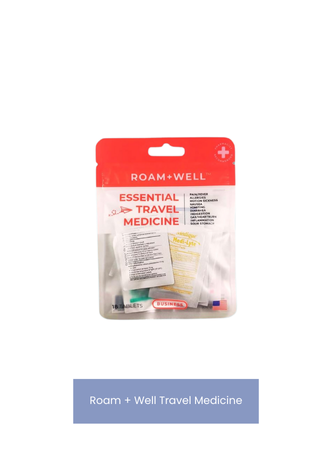
Medicine — You never know how your body will respond to different foods in remote areas. It’s best to pack basic medicines for stomach issues, allergies, and more. On one trip my friend was stung by a wasp, his eye swelled, and all we could do was “ice” it with the coldest water bottle we could find. There is a small health clinic in the nearby village within park borders, but don’t rely on this (speaking from experience)!
Warm Clothes — If visiting in December, it gets cold at night which means the morning and night game drives will require you to bring layers. It sounds odd given Ghana’s equatorial location, but trust me when I say the last thing you want is to be on top of a safari vehicle shivering for two hours.
Torch — When the sun goes down, it gets dark and the last thing you want to do is stumble upon a mother warthog grazing with her children. The grounds within the motel gates are small, but it’s still useful to have a torch to get back to your room after a few drinks at the bar to cap off a day of adventure.
Portable Charger - This comes in handy for multiple reasons. You won’t want your phone dying on a safari just when you track down an elephant. If you have the right model, it also serves as a hand warmer for those cool savanna mornings and evenings.




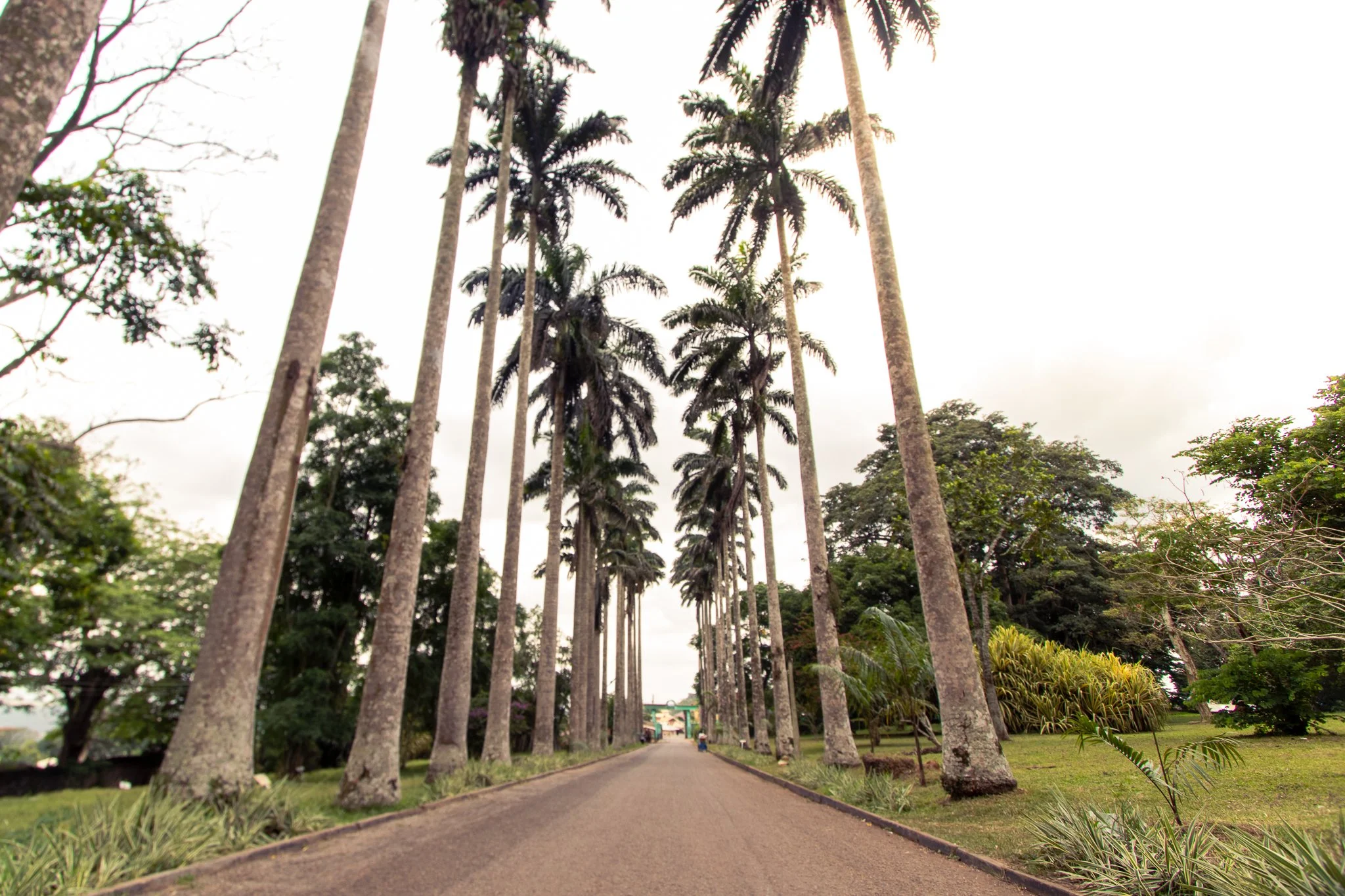
A hazy December sunset overlooking the watering hole at Mole National Park in Ghana
Mole National Park offers a unique and tranquil safari experience, perfect for travelers who want to immerse themselves in nature and observe wildlife in its natural habitat. Whether walking alongside elephants or watching a sunset over the savannah from the lodge, Mole promises a serene and unforgettable adventure. With its affordable prices, accessible location, and nearby cultural attractions, it’s an essential stop on any Ghana travel itinerary.
Ready to explore Ghana’s wild side? Start planning your Mole National Park adventure today and check out more posts about this incredible country below!
Sharing is caring! Pin this post for later.






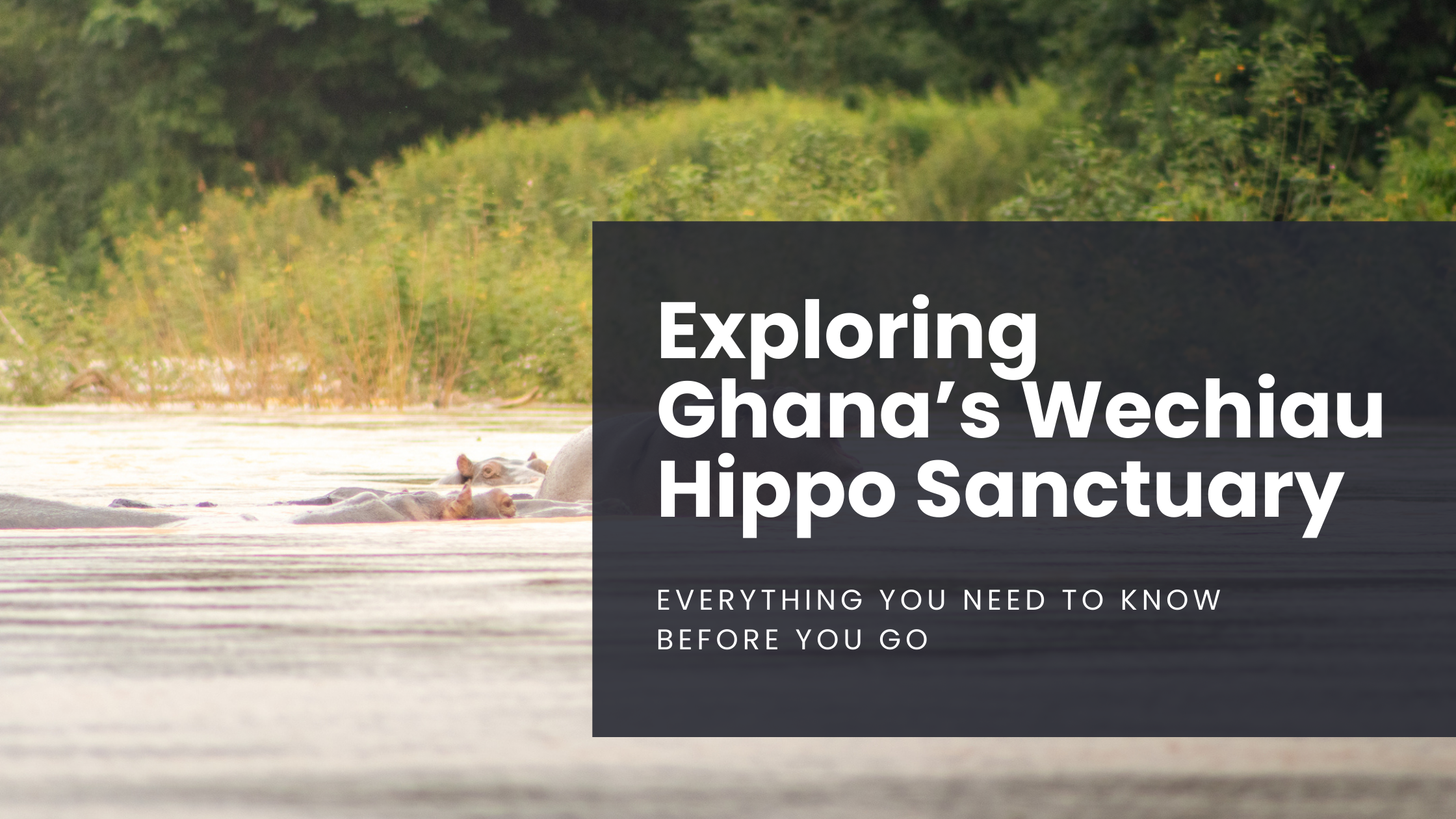
Exploring the Wechiau Hippo Sanctuary in Ghana: Everything you need to know before you go
Tucked away in the Upper West Region of Ghana, the Wechiau Hippo Sanctuary offers visitors an extraordinary experience combining wildlife, culture, and scenic beauty. For nature lovers and adventure seekers alike, this off-the-beaten-path destination is a must-see during your trip to Ghana. Here’s everything you need to know about visiting the sanctuary...
Note: All information below is updated as of September 2024
Tucked away in the remote Upper West Region of Ghana, the Wechiau Hippo Sanctuary offers visitors an extraordinary experience combining wildlife, culture, and scenic beauty. For nature lovers and adventure seekers alike, this off-the-beaten-path destination is a must-see during your trip to Ghana. Here’s everything you need to know before you go.
History of the Wechiau Hippo Sanctuary
The Wechiau Hippo Sanctuary is a community-run conservation project, created to protect one of the last remaining populations of hippos in Ghana.
Established in 1999 in partnership with the Calgary Zoo, the sanctuary spans a 40-kilometer stretch along the Black Volta River, which forms part of the border between Ghana and Burkina Faso. Not only does it protect hippos, but it also preserves the surrounding savannah, woodland, and riverine ecosystems, while promoting sustainable tourism that benefits local communities.

Black Volta River from above
How to get to the Wechiau Community Hippo Sanctuary
The Wechiau Hippo Sanctuary is located about 85 kilometers from Wa, the capital of the Upper West Region. Visitors traveling from Accra or other major cities in Ghana can fly into Wa Airport, with a connecting domestic flight from Kotoka International Airport.
Passion Air is the only domestic airline to run the route and has only one daily flight except for Tuesdays and Saturdays. Tickets will cost you between USD 150-250.
It’s important to note that Ghana’s domestic flights aren’t immune to last-minute delays or cancelations but Passion Air is reputable for following through on rebooking and refunds.
Once in Wa, you can take a bus, shared taxi, or hire a private car to reach the sanctuary. The road from Wa to Wechiau is generally in good condition, but is not paved the entire way turning off the main road it will be dirt the rest of the way.
The drive is approximately 45min - 1 hour from Wa to the sanctuary reception. Once finished there, it’s another 45min drive through farming paths, heavy brush, and washed out “roads” to the riverbank.
If you find yourself on a whirlwind of a roadtrip through Northern Ghana like we were, then your best bet is to reach Wa from Tamale. This 4.5 hour drive is mostly on paved roads and takes you around the outer rim of Mole National Park, making it an easy trip to pair with the elephant safari and Larabanga Ancient Mosque if you have a few days.

A bloat of hippos spotted on the river
Cost of visiting the Wechiau Hippo Sanctuary
The entrance fee for the sanctuary is relatively affordable, and it directly supports the conservation efforts and local community. As of 2024, prices for non-residents hover around GHS 30–50 (approx. USD 3–5), while Ghanaian citizens may pay a reduced rate.
Additionally, guided tours of the sanctuary are available, costing around GHS 100–150 (USD 10–15) per group (this includes guide and boat fee).
Ready to learn more about Ghana? Check out these posts:
Where to stay while visiting the Wechiau Hippo Sanctuary
Most accommodation options are in Wa. Two to consider are:
Dellagio Hotel: A welcomed site after a long couple days of driving. This hotel is comfortable, safe, and secure with a large outdoor space to relax and a restaurant with quality food. Wifi and breakfast are included. After learning the Lakeview Hotel was fully booked, we ended up here and although a little more expensive it was a great stay! A standard room will cost you GHC 565, approximately USD 35.
Kamara Lakeview Hotel: This is a newer hotel in Wa and isn’t fully completed yet, but the staff was very accommodating in referring us to Dellagio. The rooms are clean and comfortable, especially for GHC 394 per night, around USD 25.
Both of these hotels are located about 1 hour drive from the Wechiau Hippo Sanctuary.
At the sanctuary itself, a few options exist. For an authentic experience, consider staying overnight in a traditional homestay with a local family, which typically costs GHS 80–100 (USD 8–10) per night, or camp at the Hippo Hide and listen to the grunting at night as the animals make their way to land to feed. A basic guesthouse also exists near the riverside, with basic rooms starting at around GHC 100 per person, per night.

The banks of the Black Volta River, shot from Ghana and looking into Burkina Faso
What to expect at the Wechiau Hippo Sanctuary in Ghana’s Upper West Region
One of the sanctuary's main draws is the boat trip on the Black Volta River, where you can observe hippos in their natural habitat. Unlike typical wildlife safaris, this offers a more intimate and peaceful encounter with these majestic creatures. The best time to spot hippos is in the early morning or late afternoon, as they tend to retreat to the water to stay cool during the hottest part of the day. As on any safari experience, there’s never a guarantee to see the hippos. This is especially true during rainy season when the water level rises.
It’s important to note that there are multiple entry points onto the Black Volta, and the guides will take you to where they feel you have the highest chance of viewing hippos. Fortunately for us, the conservation team had just completed a census the day prior.
We drove my rusty Honda Pilot through small villages and dense brush before reaching the riverbank where a dugout canoe awaited. After donning our life vests we pushed away and were swiftly carried downstream by the strong current, immediately spotting a lone hippo in the distance.
After another few minutes of floating, we anchored to the tree branches as we flanked a bloat of hippos in the middle of the river. We had spoken to someone who had visited a week prior and after a few hours in a canoe they weren’t able to see any animals so needless to say this was unexpected. But there we were, fighting the current of the Black Volta, staring across the river into Burkina Faso, and viewing hippos in their natural habitat all the while one guide kept us steady and the other emptied water from the wooden floor.
It’s not always the most comfortable feeling being in canoe on a flooded river with one of the world’s most dangerous animals — we even had a rogue hippo leave the group and inch towards our spot, diving underwater and resurfacing closer than before — but our guides assured us that humans have never been attacked since the conservation area was established.
Besides hippo watching, the sanctuary is home to diverse bird species and other wildlife, including monitor lizards, crocodiles, and baboons. Nature walks with local guides allow you to explore the unique flora and fauna of the region, and for those interested in cultural experiences, visiting surrounding communities offers insight into the local way of life. The area is also known for its shea butter production.

Hippos spotted from canoe on the Black Volta River in Ghana
Nearby Attractions
While in the Upper West Region, consider extending your adventure by visiting some of the nearby attractions:
Wa Naa’s Palace – Located in Wa, this historic palace is the seat of the Wa Naa, the traditional ruler of the region. It’s an excellent spot to learn about the local culture and history. Note that the palace is still in use today so be sure to check in at the appropriate entrance.
Gbelle Game Reserve – Roughly 60 kilometers from Wa, this lesser-known game reserve is home to elephants, antelope, and various bird species. With that said, we dug through research to find more on this place and ultimately decided to pass on our drive north. No one in the area could tell us reliable information and there was no indication of the reserve on our route. We’ll definitely be going back to do more investigation. Hopefully you have better luck!
Gwolu Bone Setting Clinic - A little over 3 hours away from Wechiau is the unofficial border town of Gwolu. Here, one of the most frequented and last remaining traditional bone setting clinics is situated. This unassuming building draws in people from all over the north and even a few kilometers away from neighboring Burkina Faso in search of traditional treatment for fractures.

An aerial view of a bloat of hippos
The Wechiau Hippo Sanctuary is one of Ghana’s best-kept secrets, partially because it’s not the most accessible. If you’re willing to commit to the adventure, you’ll be spoiled by wildlife, culture, and stories to share. When planning a trip to Ghana, this is a “can’t miss” opportunity to discover a different side of the country’s natural wonders, and maybe even a quick trip across the river to unofficially reach Burkina Faso!
This is certainly and experience I won’t be forgetting anytime soon and is one of the most unique things I’ve been fortunate enough to do during my time in Ghana. It’s well worth the effort to reach there. So, what are you waiting for?
Sharing is caring! Pin this post for later.


5 of the most underrated waterfalls in Oregon
Although Multnomah may be the most popular waterfall in Oregon, the state is home to at least 237 others! Here’s a list of 5 of the most underrated waterfalls, deep within the verdant forests of this mystical place. It’s time to break out the hiking shoes for these incredible adventures!
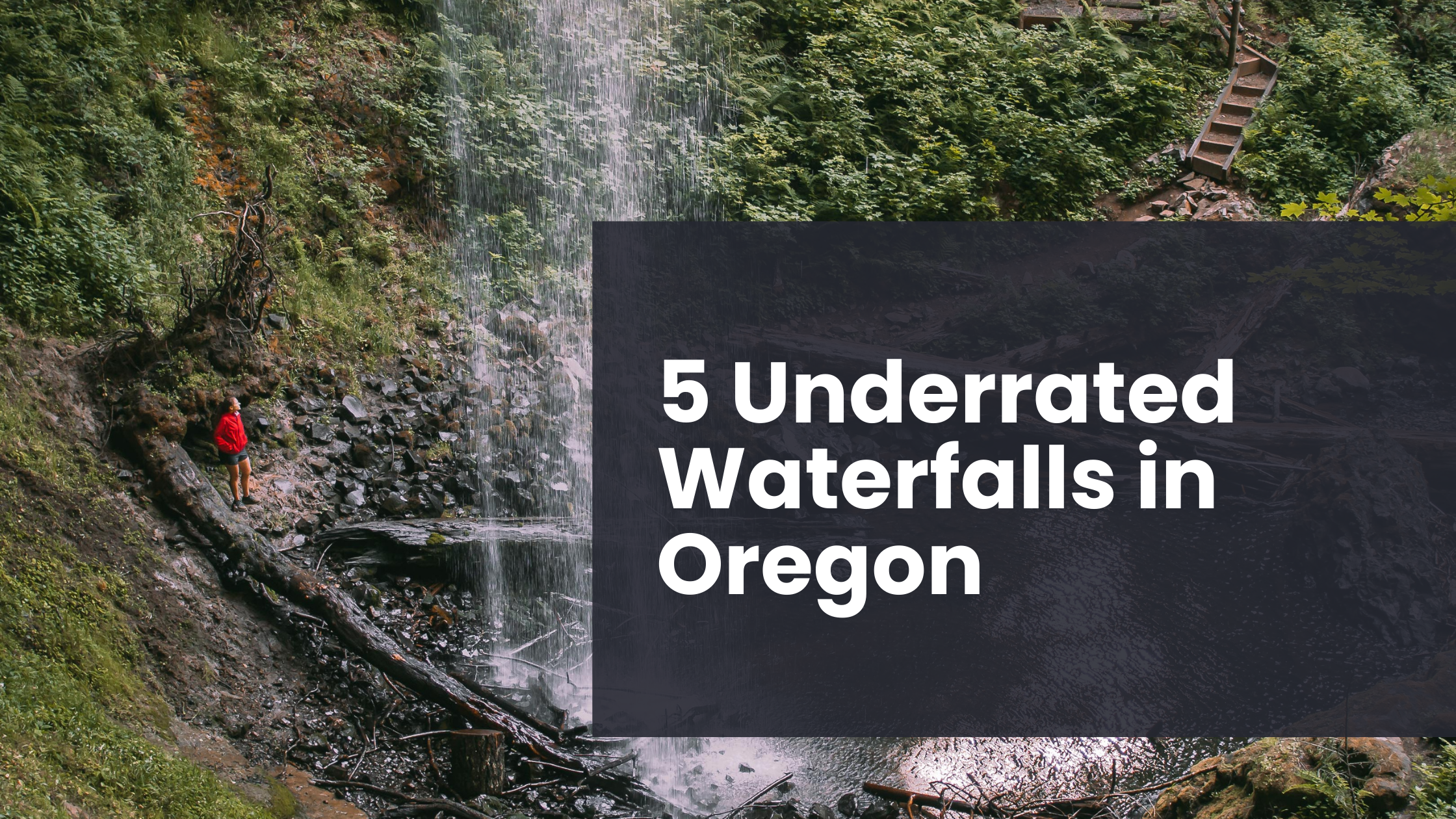
Please note: All information below is updated as of May 2023
Growing up just outside of Buffalo, New York, I had the luxury of being able to visit Niagara Falls whenever I wanted. Needless to say, with one of the seven natural wonders of the world in my backyard as a child, my standard for waterfalls may be a bit unfair - or so I thought!
Although Multnomah Falls may be the most well known and photographed waterfall in all of Oregon, the beaver state is home to over 230 others. It’s hard to find a hike in Central Oregon that doesn’t lead to a magical view of these natural wonders.
With a plethora of hidden gems all around, here are my top 5 most underrated waterfalls found in Oregon, USA. It’s time to break out the hiking shoes!
1. SHELLBURG FALLS
Located in the Santiam Foothills near Mehama, Oregon, Shellburg Falls is a 100ft tall cascading waterfall that flows over a stunning basalt ledge.
The hike starts by following a gravel road before entering the old-growth forest. Note: this road is private property and crosses through an open cattle range. Once you’ve reached a small bridge that crosses above Shellburg Creek, there will be stairs on the left that mark the beginning of the trail to the waterfall.
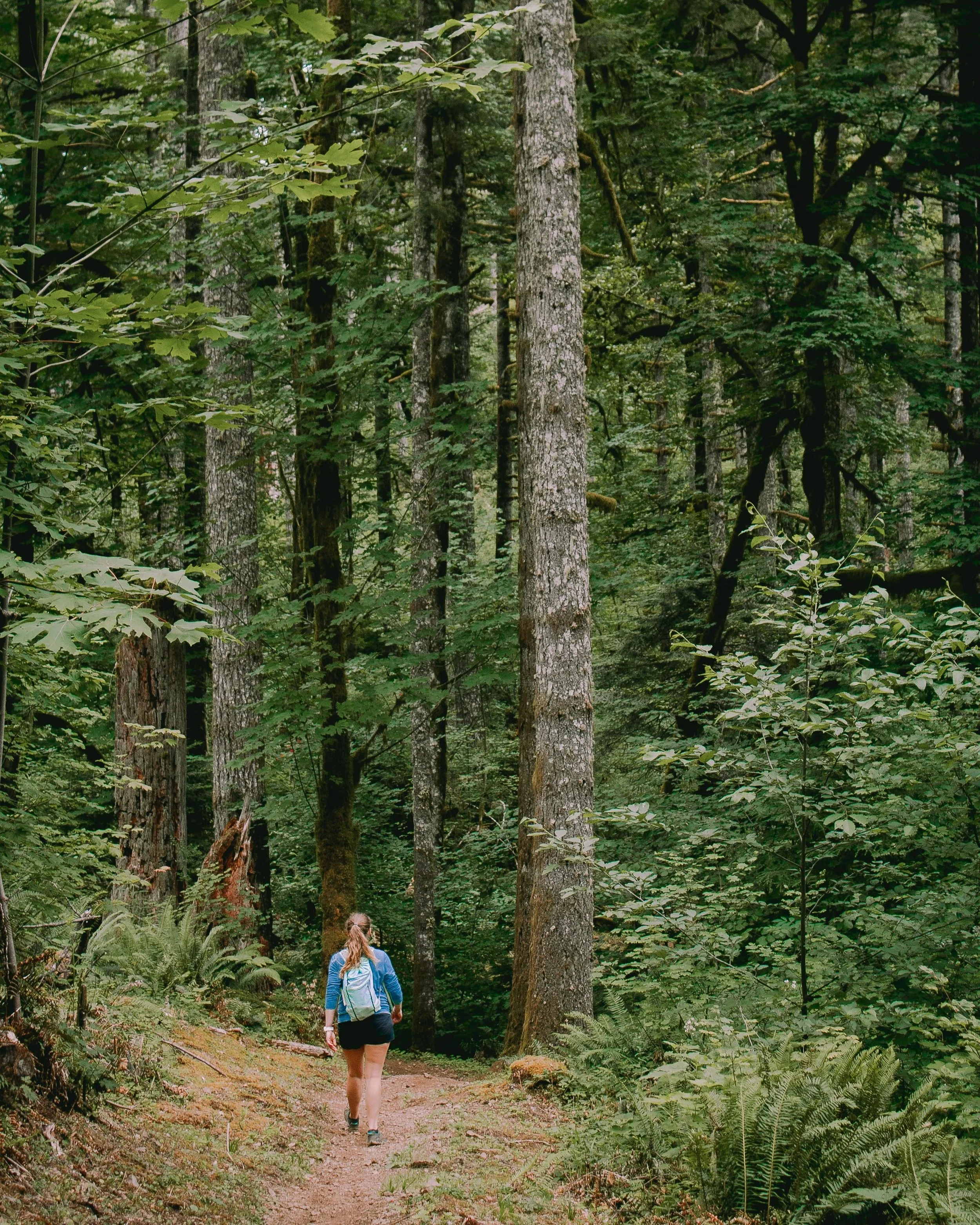
The path leads directly to Shellburg Falls and even takes hikers beneath the ledge and behind the flowing water, offering a unique perspective. Continue trekking through the forest and wildflowers before rejoining the gravel road at the other end of the loop. Pro Tip: Go early. This hike is easily accessible and good for all ages, making it heavily trafficked.
Hiking Distance: 6.0mi loop trail
Elevation Gain: 1,036 feet
Rating: Easy to moderate
Fee: None
Bathrooms: Vault toilets are located at the Shellburg campground, approximately 0.6mi past the waterfall


2. OPAL CREEK WILDERNESS (SAWMILL FALLS)
This trail is currently listed as CLOSED.
The Opal Creek Wilderness trail is a 6.9mi loop near Lyons, Oregon. Surrounded by stunning cedar trees, the hike flanks the Little North Santiam River as it winds its way through an abandoned mining operation from over a century ago.
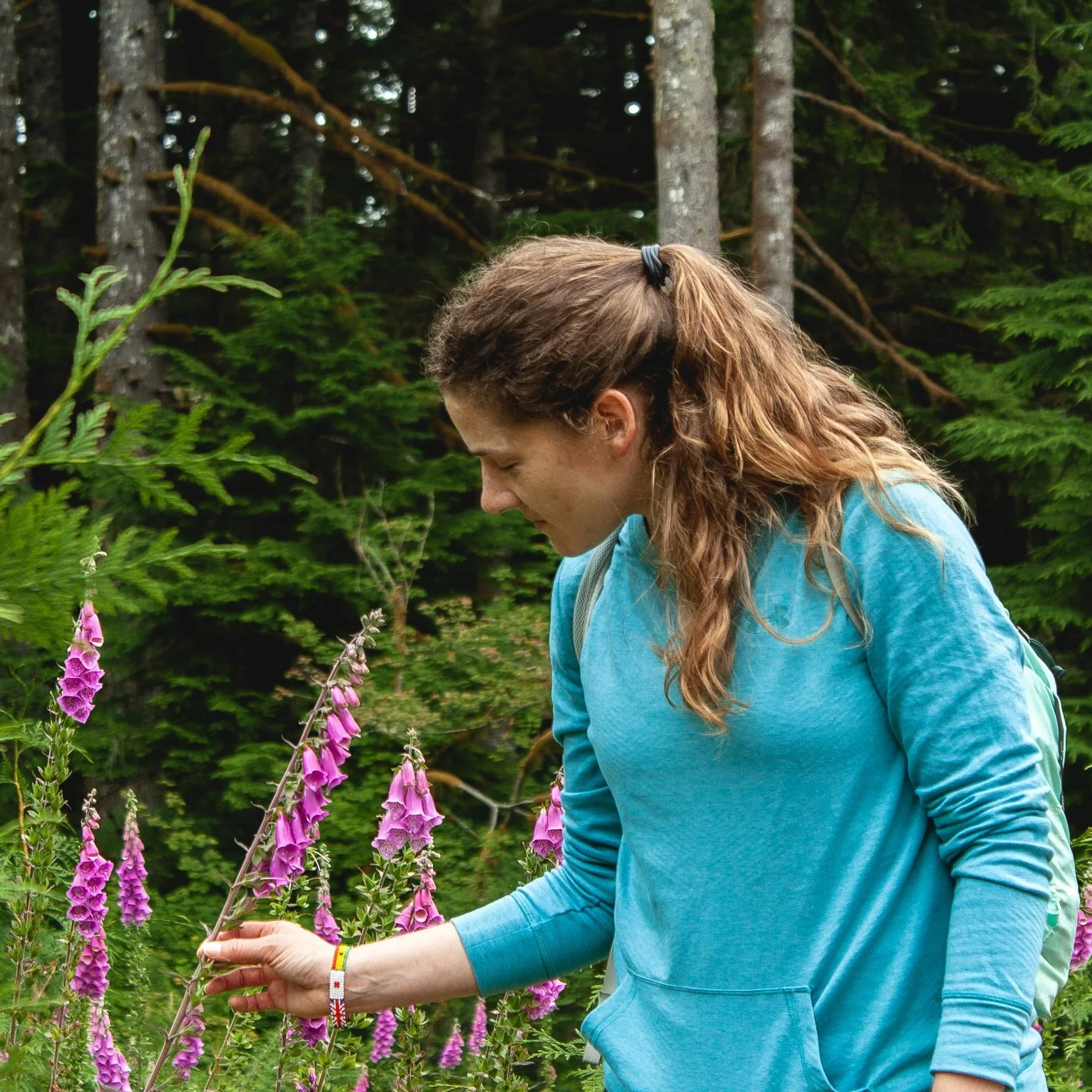
The real gem of this trail is the numerous cut-offs to various waterfalls and swimming holes along the way, the most beautiful of which is Sawmill Falls. Make sure to bring a swimsuit and take a dip in the beautiful blue water!
Hiking Distance: 4mi. out and back to Sawmill Falls, 6.9mi. loop through Jawbone Flats
Elevation Gain: 652 feet
Rating: Easy
Fee: $5.00
Bathrooms: Vault toilets located at trailhead parking lot and in Jawbone Flats

Sawmill Falls
3. ABIQUA FALLS
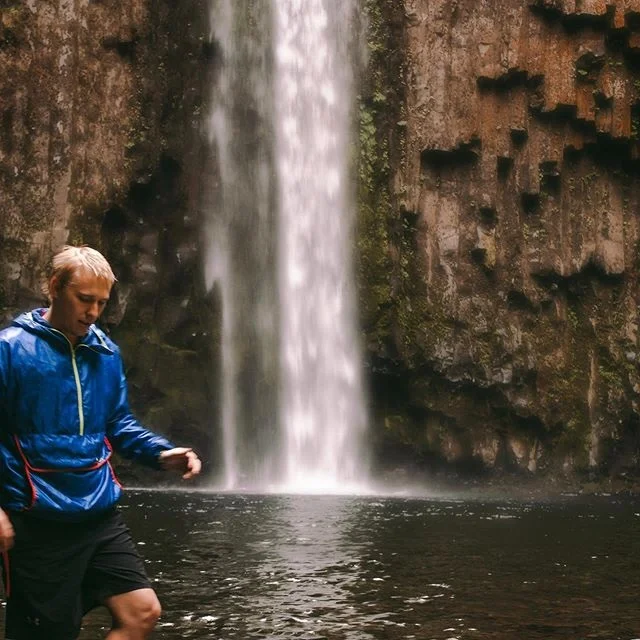
Abiqua Falls is an out and back 5.3mi trail located near Scotts Mills, Oregon that features a short hike through the forest and along a crystal clear river before reaching the 92ft. waterfall.
The trailhead can be found by following a single lane dirt road, with parking available in turnouts along the way. Continue following the road by foot as it descends deeper into the forest until reaching the trailhead. From here it’s a short 0.8mi. hike to the waterfall, but keep in mind the elevation gain becomes difficult on the way back out.
Keep telling yourself that it’s worth it because it is! If you’re daring like me, be sure to take a quick dip in the freezing, yet refreshing, pool below the falls. Note: The hike is on private property and can get steep at times. Exercise caution and be respectful.
Hiking Distance: 5.3mi. out and back (dependent on parking location), 0.8mi. to the waterfall from the trailhead
Elevation Gain: 1,397 feet
Rating: Hard (mostly due to the elevation gain on the way out)
Fee: None
Bathrooms: Not available



4. McDOWELL CREEK FALLS TRAIL (ROYAL TERRACE FALLS)
In search of a hidden wonder in Oregon? Look no further than McDowell Creek County Park, located 16mi. east of Lebanon. Here you’ll find McDowell Creek Falls Trail, a 1.8mi loop that leads to two beautiful waterfalls: Royal Terrace Falls and Majestic Falls.
Cascading a total of 119 feet between the two levels, Royal Terrace Falls was named from its unique terraced appearance, often found in royal palaces around the world. The trail itself winds its ways through the lush forest, taking hikers along bridges, stairs, and platforms, all providing the perfect views of the falls.
A great day trip for all ages!
Hiking Distance: 1.8mi. loop trail
Elevation Gain: 288 feet
Rating: Easy
Fee: None
Bathrooms: Not available


5. KOOSAH AND SAHALIE FALLS
Do you recognize any of the pictures below? Dig deep into the 90’s Disney movie vault… Sahalie Falls was featured in Homeward Bound! Still not ringing a bell? It’s ok - it’s still worth a visit!
The Waterfall Trail is a 2.6mi loop that runs adjacent to the McKenzie River as it winds past Koosah (70ft) and Sahalie (100ft) falls.
Along the way, accessory paths veer off and provide viewpoints of the area that many hikers fail to experience, so make sure to wander a bit! The main trail is marked, making it easy to stay on course. Pro Tip: Park at and start the hike from Koosah Falls instead of Sahalie. This lot is typically less congested.
Hiking Distance: 2.6mi. loop trail
Elevation Gain: 357 feet
Rating: Easy
Fee: None
Bathrooms: Vault toilets are available at Sahalie Falls parking lot


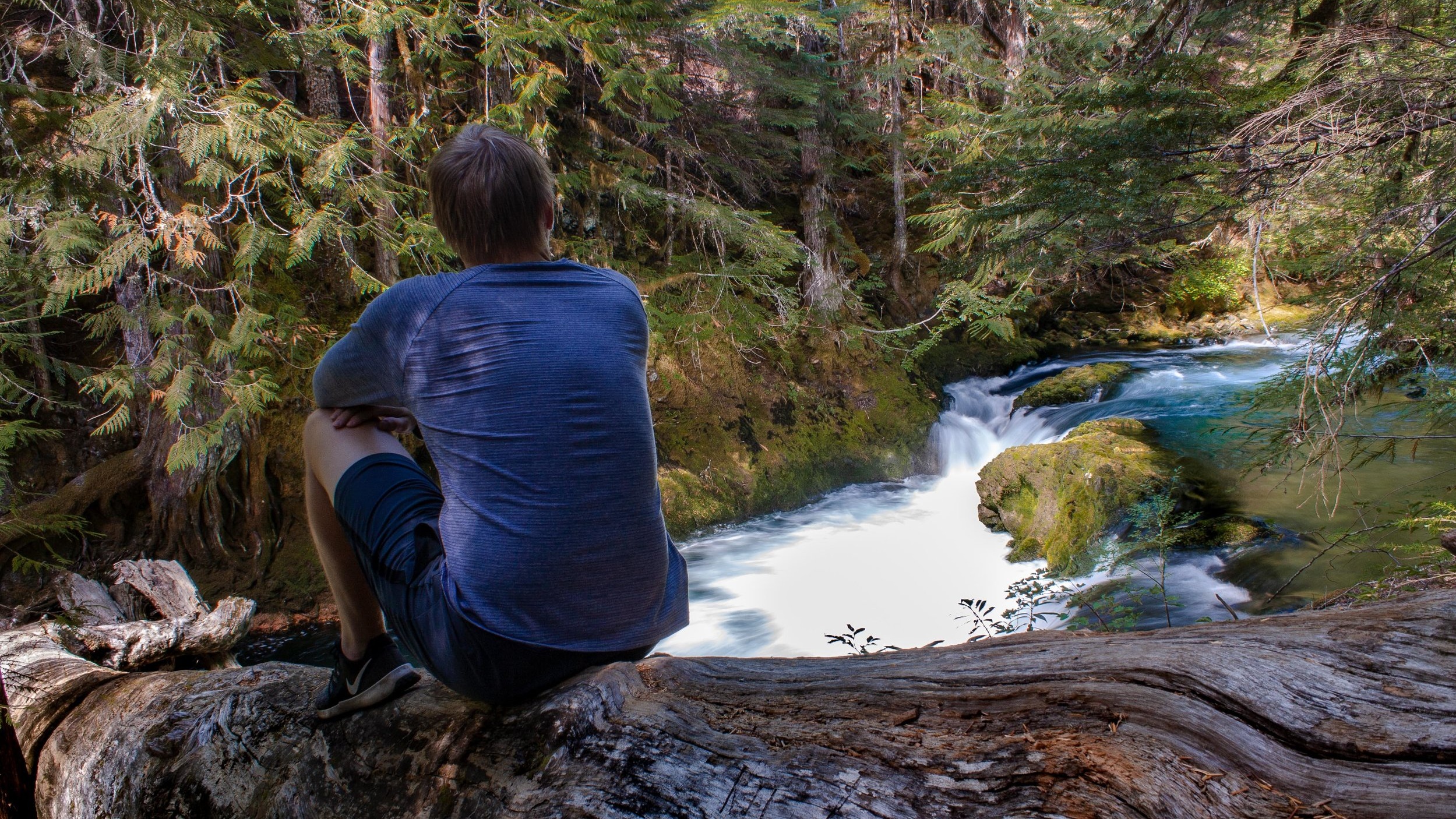
Ready to get out and explore yet? Wherever you are the world, make sure to leave time for a new adventure and, if you ever find yourself in Oregon, be sure to check out one of these hikes!
Thanks for reading and as always, stay safe & happy travels.
Enjoy what you read? Pin this post and share with others!
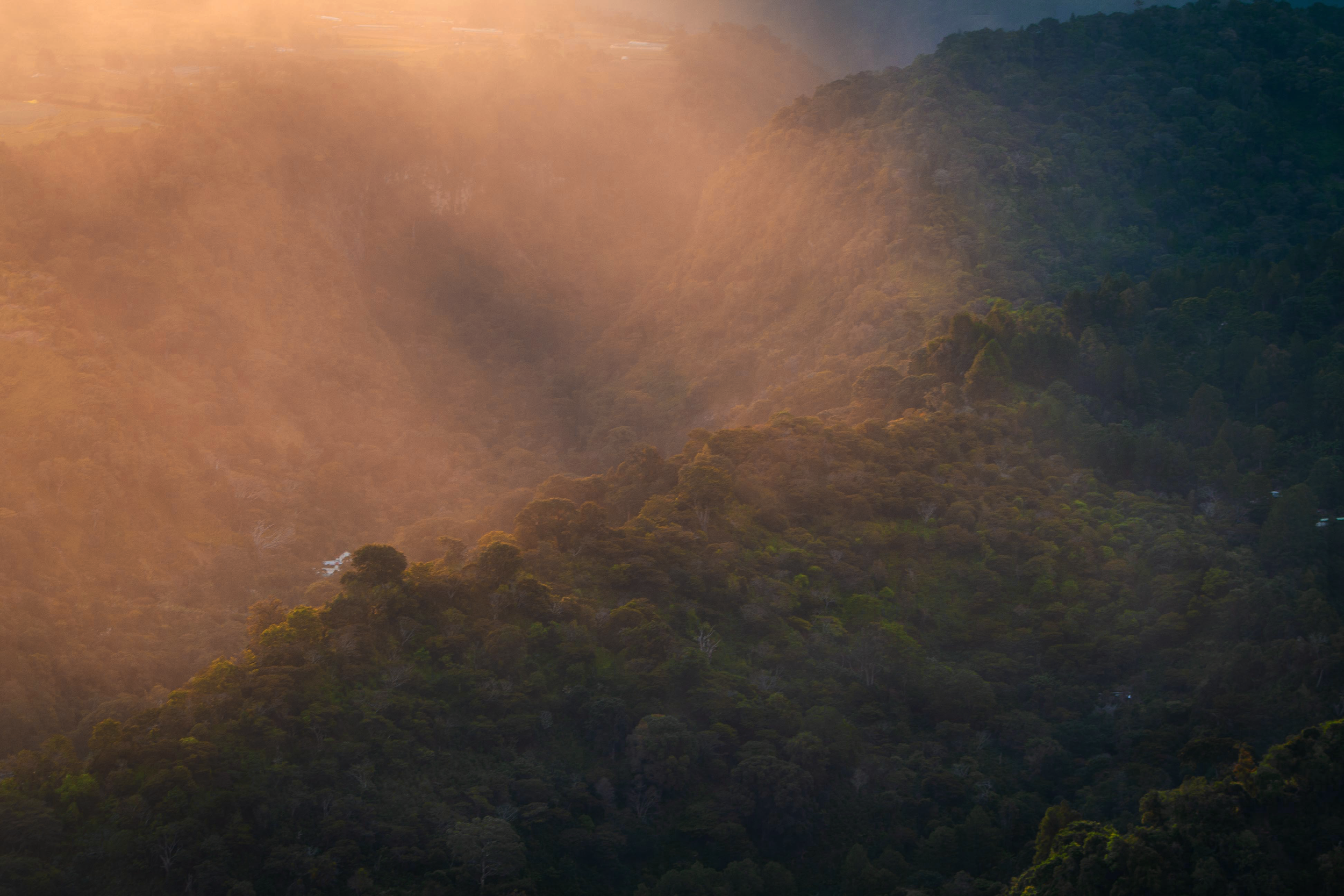
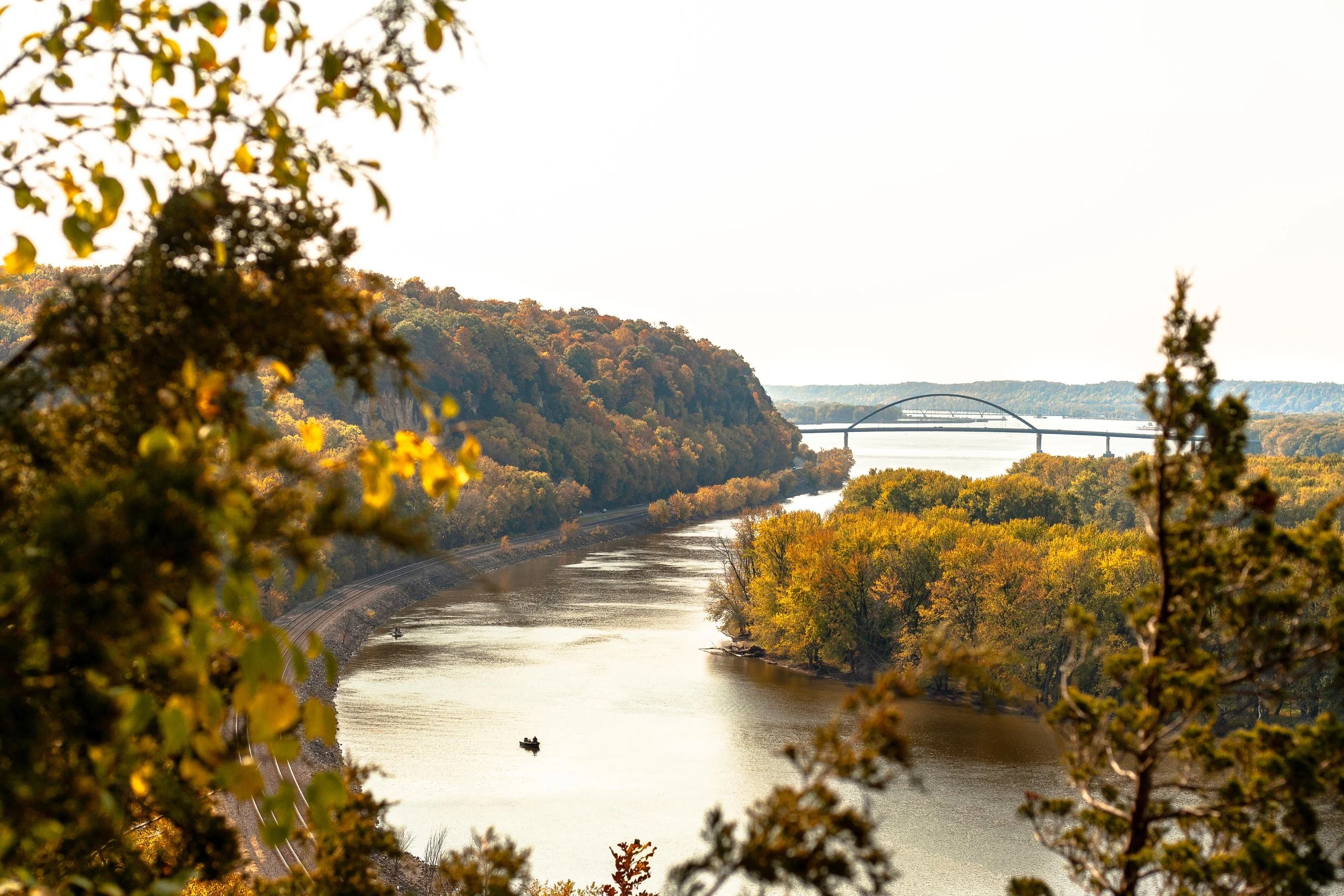


After three years living in Ghana, these are ten of the most unforgettable travel experiences across Africa that changed how I see the world…