
Three Years Living in Africa: 10 Experiences I’ll Never Forget
After three years living in Ghana, these are ten of the most unforgettable travel experiences across Africa that changed how I see the world…
Three years isn't a lifetime, but it's long enough for a place to change you. When I packed up my apartment in Chicago and moved to Ghana in 2022, I expected a change of scenery, maybe an adventure here and there or at least a good story to come home and tell when I, what I figured would be inevitably, decided to return home.
What I didn't expect was how dramatically my perspective on travel, nature, and life would shift; how the journey would become much more impactful than the destination.
Looking back, these aren't necessarily the "best" places I've visited. They're simply the moments that have stayed with me the most.
Three Years, Ten Experiences That Changed Everything
10. Wechiau Hippo Community Sanctuary, Ghana
Imagine yourself in a dugout canoe with a single paddle, a rushing Volta River in one of the most remote parts of Northern Ghana, and a bloat of hippos staring you down while you hang onto the shoreline branches.
In Ghana’s Upper West Region, along the border with Burkina Faso, the Wechiau Community Hippo Sanctuary protects a 40-kilometer stretch of the Black Volta River and the surrounding woodlands.
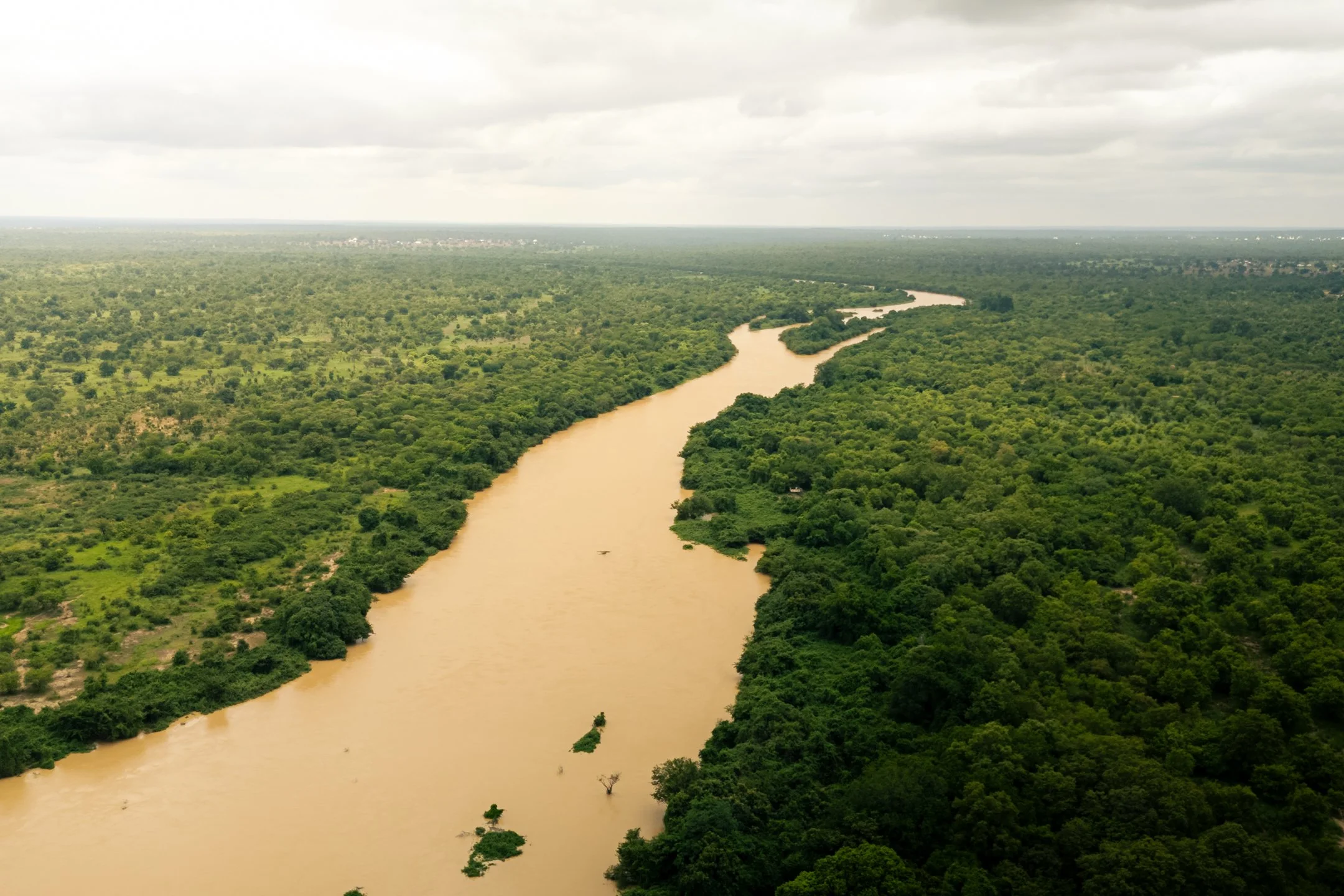
The flooded waters of the Black Volta River, separating Ghana (right) from Burkina Faso (left)
It’s not easy to reach; we managed to arrive after 3 days of driving endless dirt roads from the Eastern Region, but it was well worth the effort. We had spoken to someone who had visited the week prior, spent hours on the river, and didn’t manage to see a single hippopotamus.
As we entered the small house that doubled as a museum, our guides were excited to tell us they had just concluded a census and knew exactly where to look, so we hopped back in the car, picked up our boat captain at the next village en route to the river bank, and off we went. Within ten minutes of paddling against a heavy current, we found ourselves face to face with these majestic animals, nothing but a wooden canoe between us and turning into their afternoon snack.
It sounds a bit crazy, right? It was, but it was also raw and stripped down; the purest form of seeing these hippos in Ghana in their most wild state.
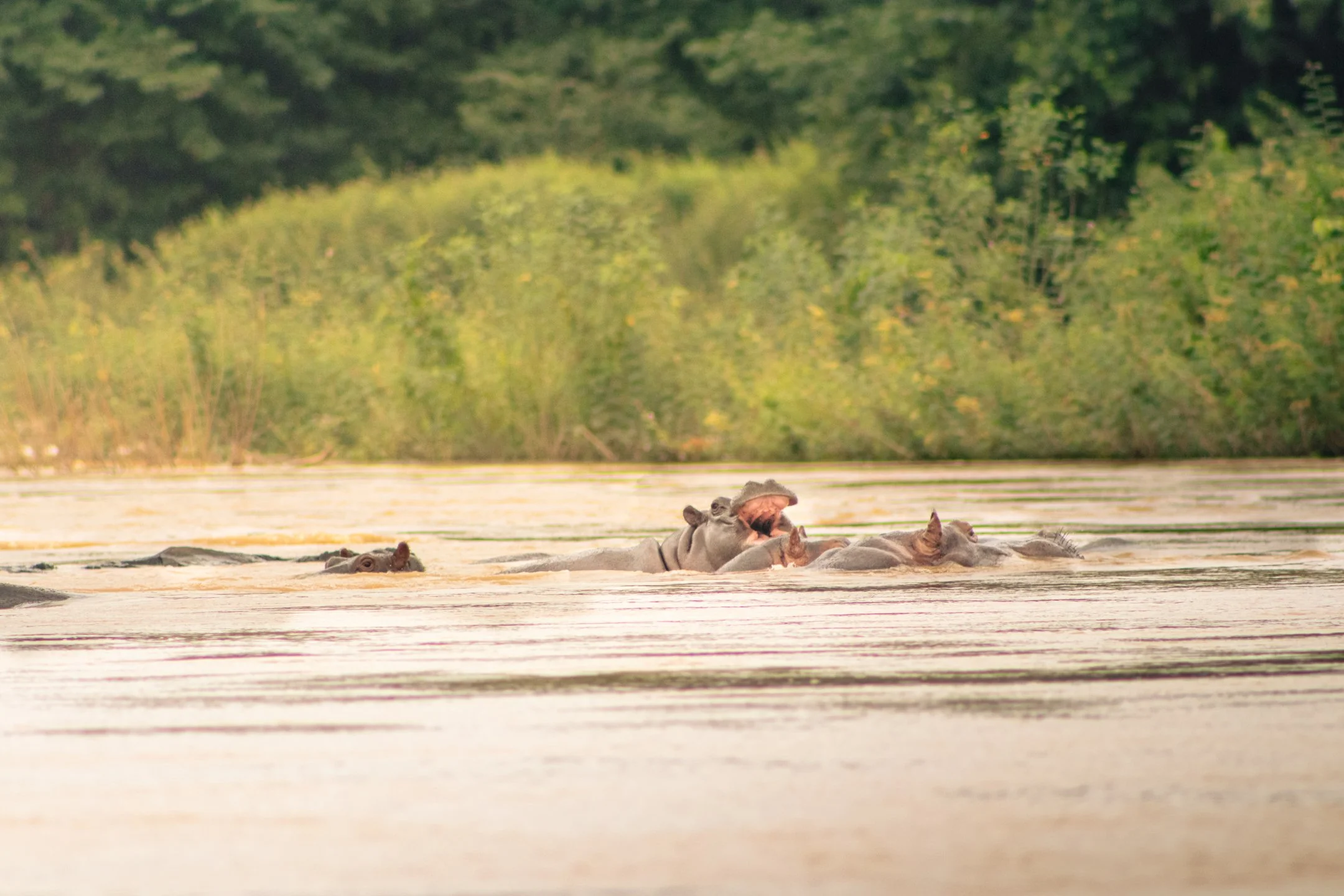
A bloat of hippos in the flooded Black Volta River, part of the protected Wechiau Hippo Sanctuary in Ghana
9. Lake Kivu, Rwanda
Central Africa had been brewing in my mind. Ever since reading Heart of Darkness in high school, the Congo and its mysteries have been tucked away into my subconscious. The longer I stay in Africa, the more I find myself daydreaming about it.
Traveling to Rwanda was a last-second decision, less than a week between booking the ticket and boarding the plane, so I didn’t have much planned beyond knowing I wanted to at least see the Congo, even if I couldn’t enter. Lake Kivu was the closest I could get.
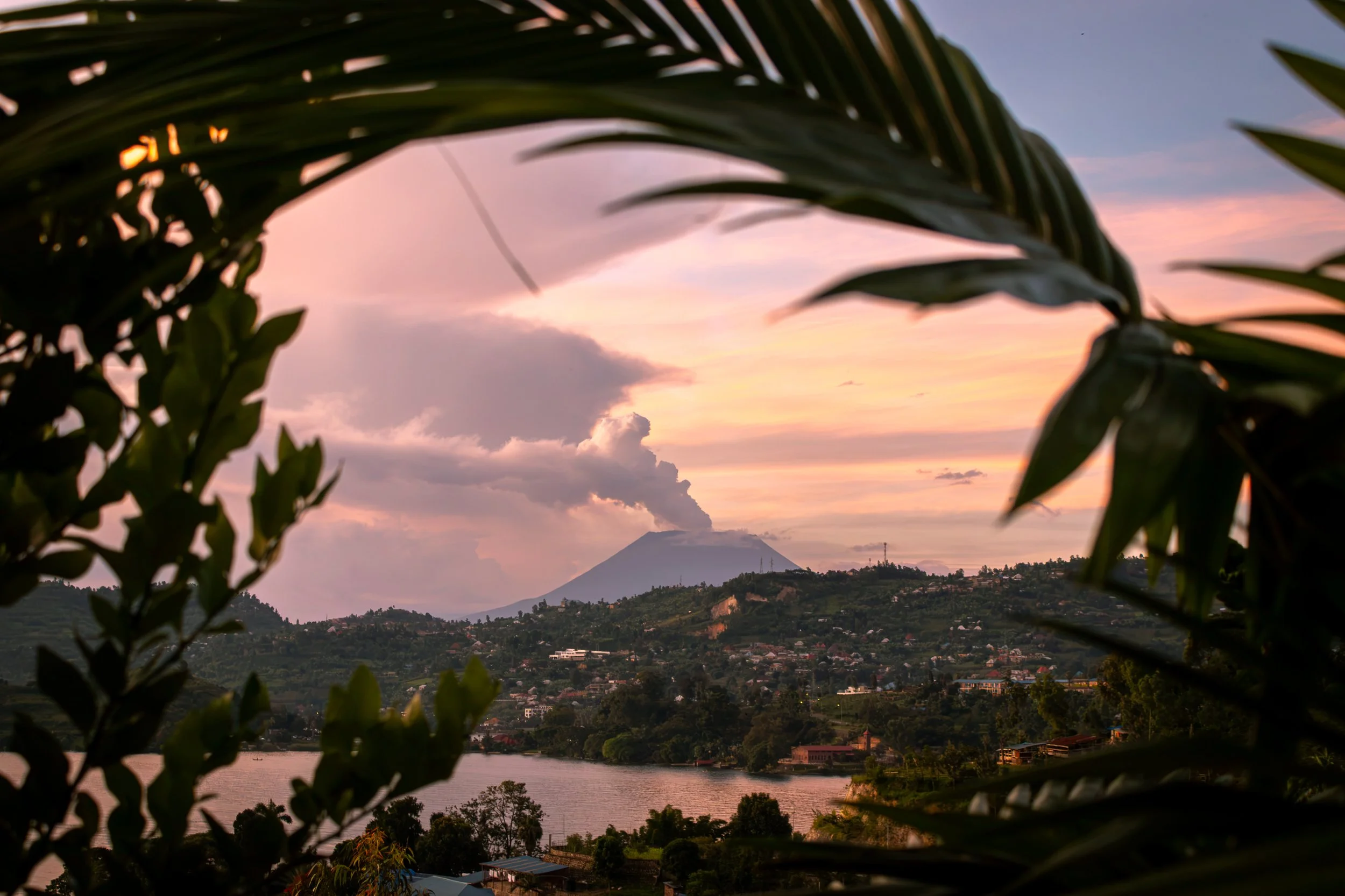
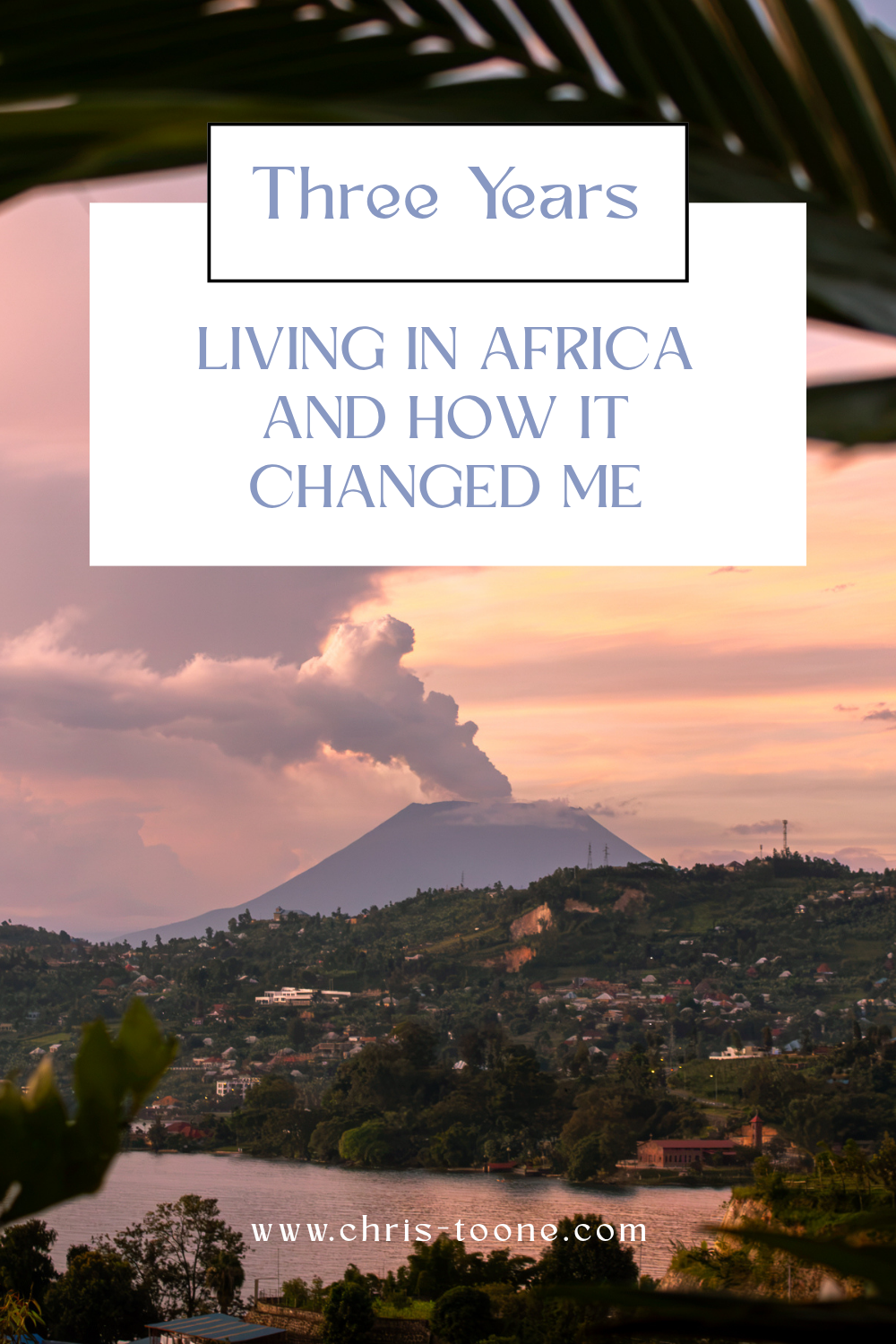
Mount Nyiragongo, in the Democratic Republic of the Congo, with Lake Kivu in the foreground
Rwanda is a complex country with a dark history, having endured the 1994 Tutsi genocide. It’s a tiny nation filled with greenery and rolling hills, but one gets the sense of something “deeper” going on, and the truth is, the fallout from the genocide is a major driving force behind the current conflict in Eastern Congo, but I digress.
Lake Kivu straddles Rwanda and the Congo and sits at the base of active volcanoes with tectonic plates nearby. Why is this important? Large amounts of carbon dioxide and methane gas are trapped at the bottom, and scientists believe a volcanic eruption or earthquake may just be enough to shake the water levels and release the toxic gas.
One can’t deny the natural beauty, though. At the time of my visit, both the Rwandan and Congolese Governments were set to reopen the border at Gisenyi. I spent my time staring across Lake Kivu, into the Congo, and listening to stories from my Belgian host about growing up in Bukavu and her experience living in post-genocide Rwanda, and, of course, swimming in Lake Kivu, flanked by conflict to the west and volcanoes to the east.
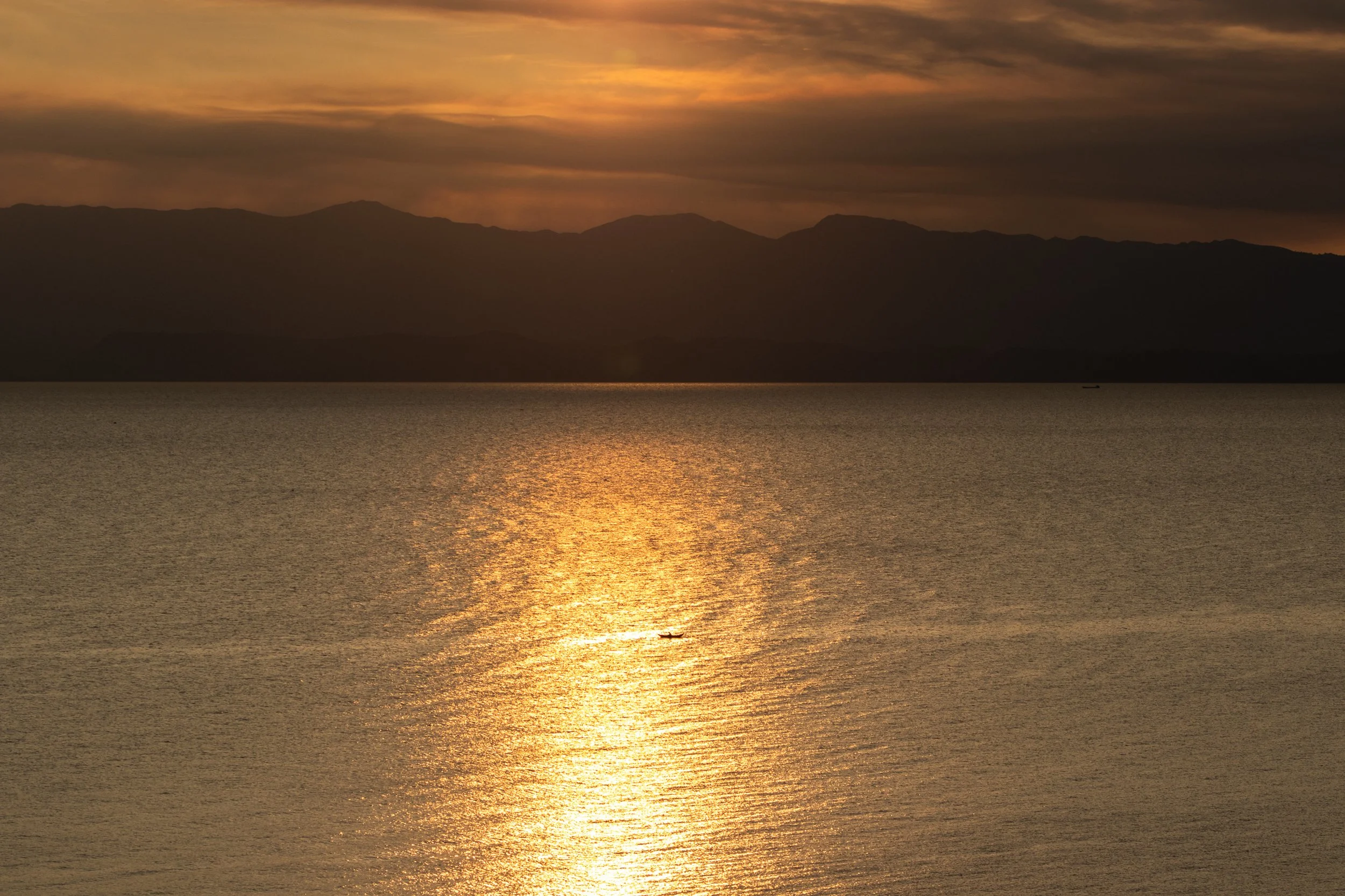
A boat floats on Lake Kivu at sunset as a storm rolls in, shot looking towards the Democratic Republic of the Congo
Rwanda left me with more questions than answers. A country scarred by its unimaginable history, embroiled in regional conflict, and a lake that’s one natural event away from disaster - how much can one place endure? Time will tell. In the meantime, I’ll carry the stunning scenery of Lake Kivu with me for a long while.
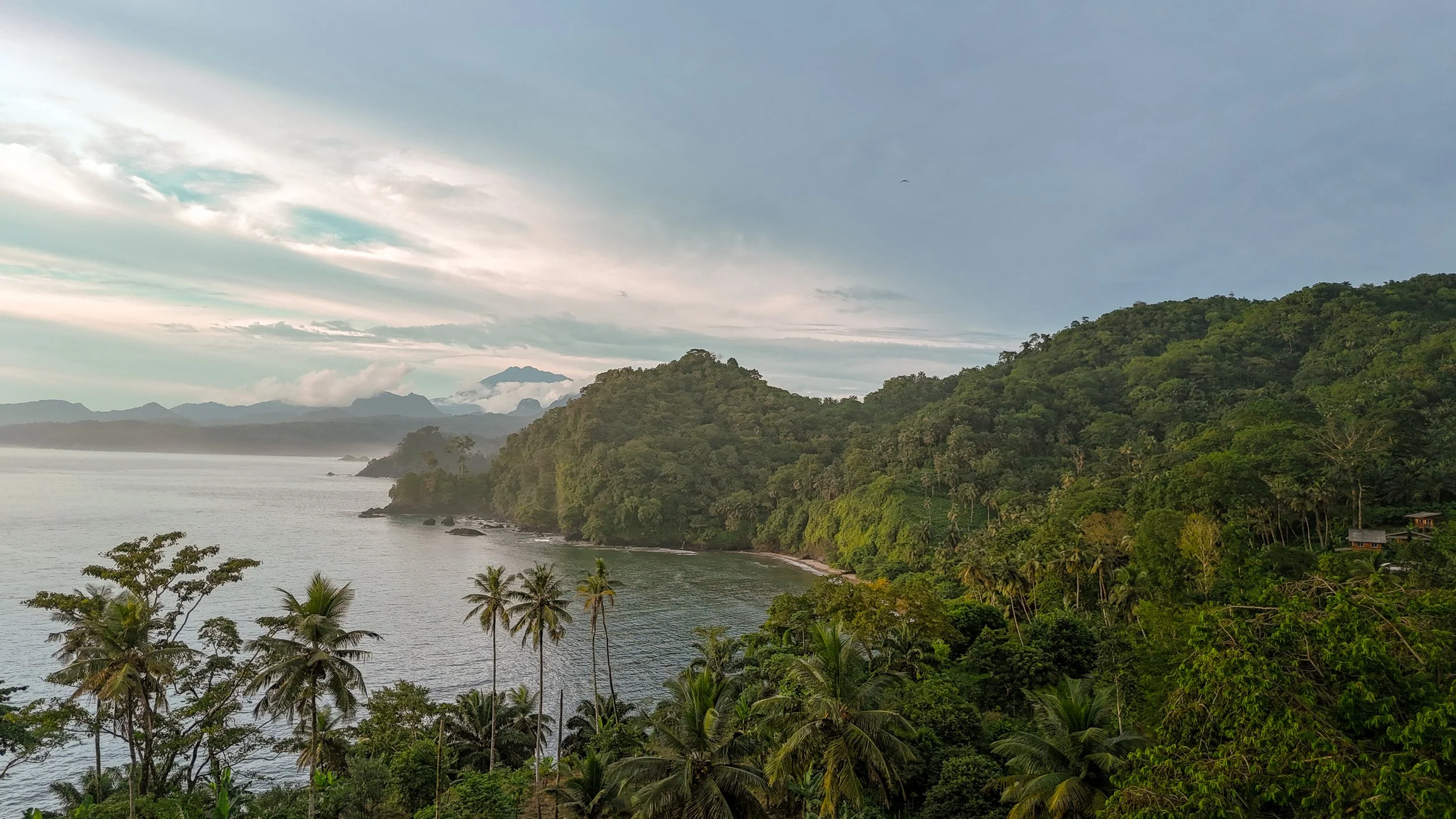
8. São Tomé and Príncipe
The second smallest sovereign state in Africa, one of the least visited countries in the world, São Tomé and Príncipe is less than a two hour flight from Accra and, seemingly, a convenient place to explore for someone living in Ghana.
Although a short flight, São Tomé and Príncipe isn’t the easiest to visit. The country isn’t on the international banking system, which means credit cards don’t work outside of higher end hotels and most foreign debit cards aren’t accepted at ATMs. That means that a certain level of planning and foresight (neither are a strong suit of mine) are important to ensuring you don’t run out of cash during your stay.
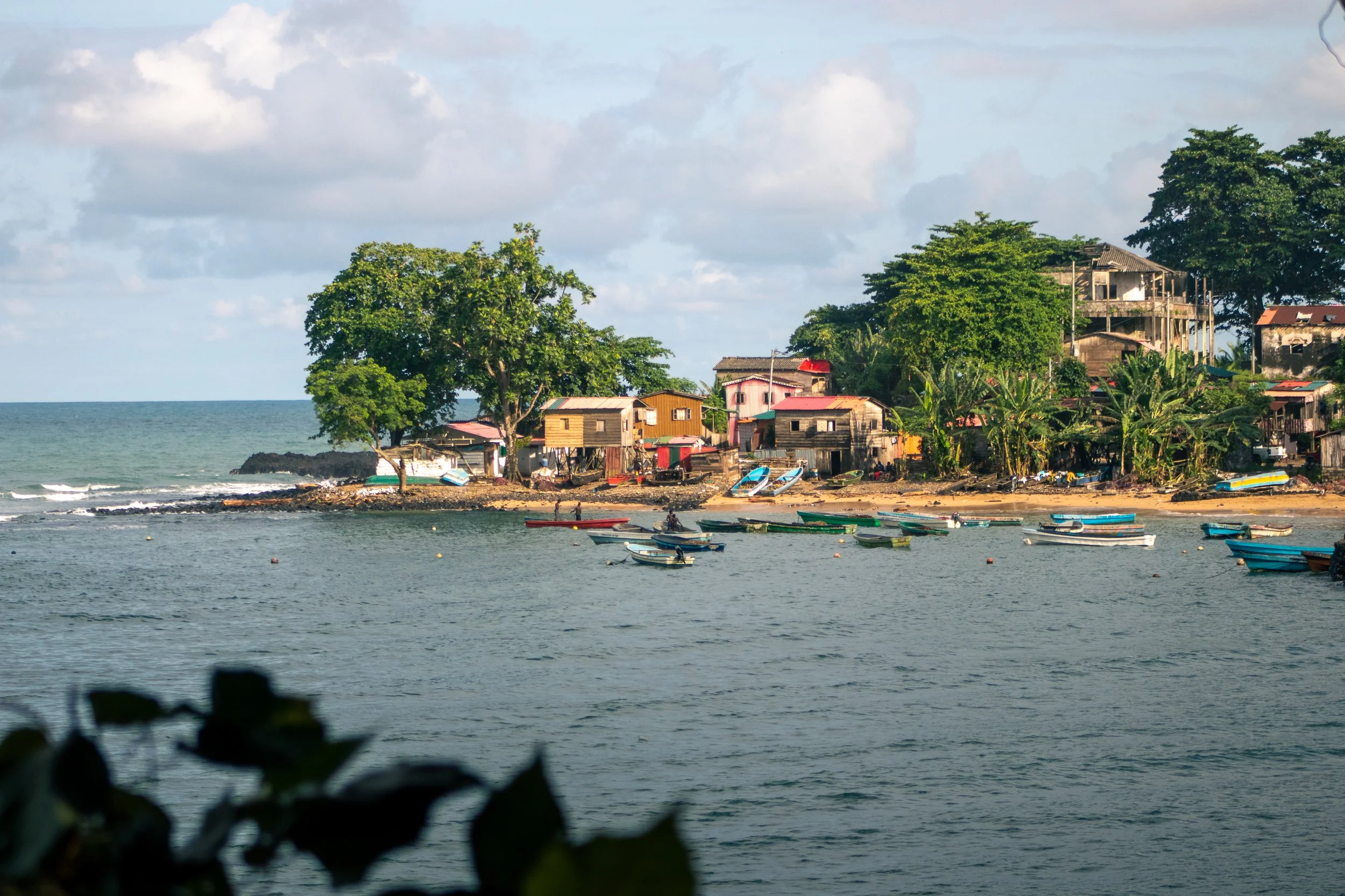
Porto Alegre, a remote village on the southern part of São Tomé, is one of the more difficult places to reach on the island
A few torrential rain storms and an overheated rental car later, São Tomé treated me to unspoiled nature like I’ve never seen, highlighted by coastal drives, coffee plantations, and the majestic Pico Grande, a volcanic plug that dominates the interior landscape of the country.
Such low tourism numbers also come with poor infrastructure. Roads are often difficult to navigate, especially after rain, power and phone networks frequently cut out, and healthcare is challenging to access. São Tomé and Príncipe isn’t necessarily a place to vacation, rather a trip to see, experience, and be a part of.
It’s one of the few places I’ve traveled where I truly felt disconnected from the outside world, where being present was the norm, not the exception.
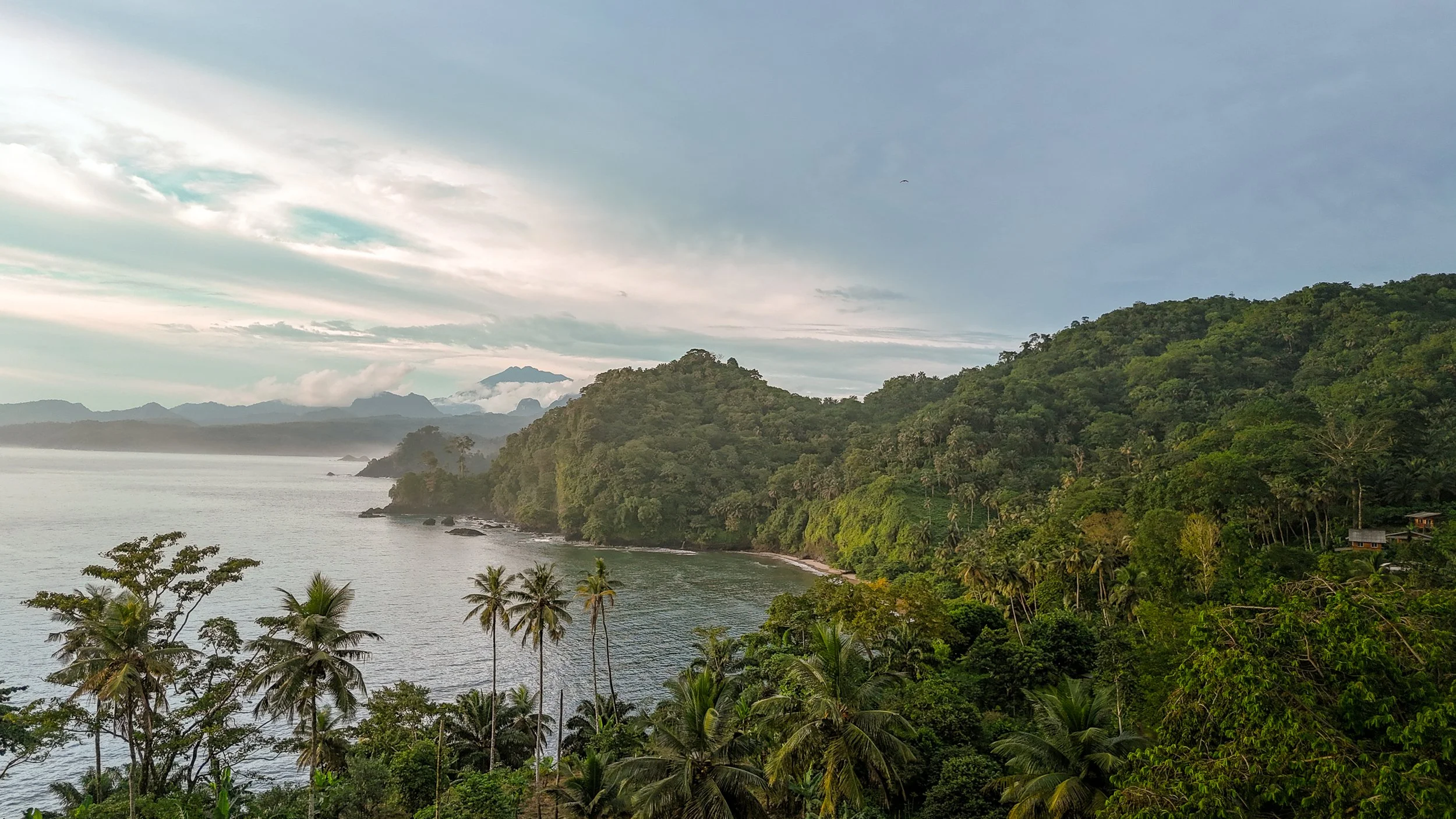
The island of São Tomé is filled with unspoiled nature and landscapes
7. Liwonde National Park, Malawi
Liwonde National Park encompasses 54,000 hectares of land and stretches along the Shire River, making it one of the premier wildlife destinations in Malawi.
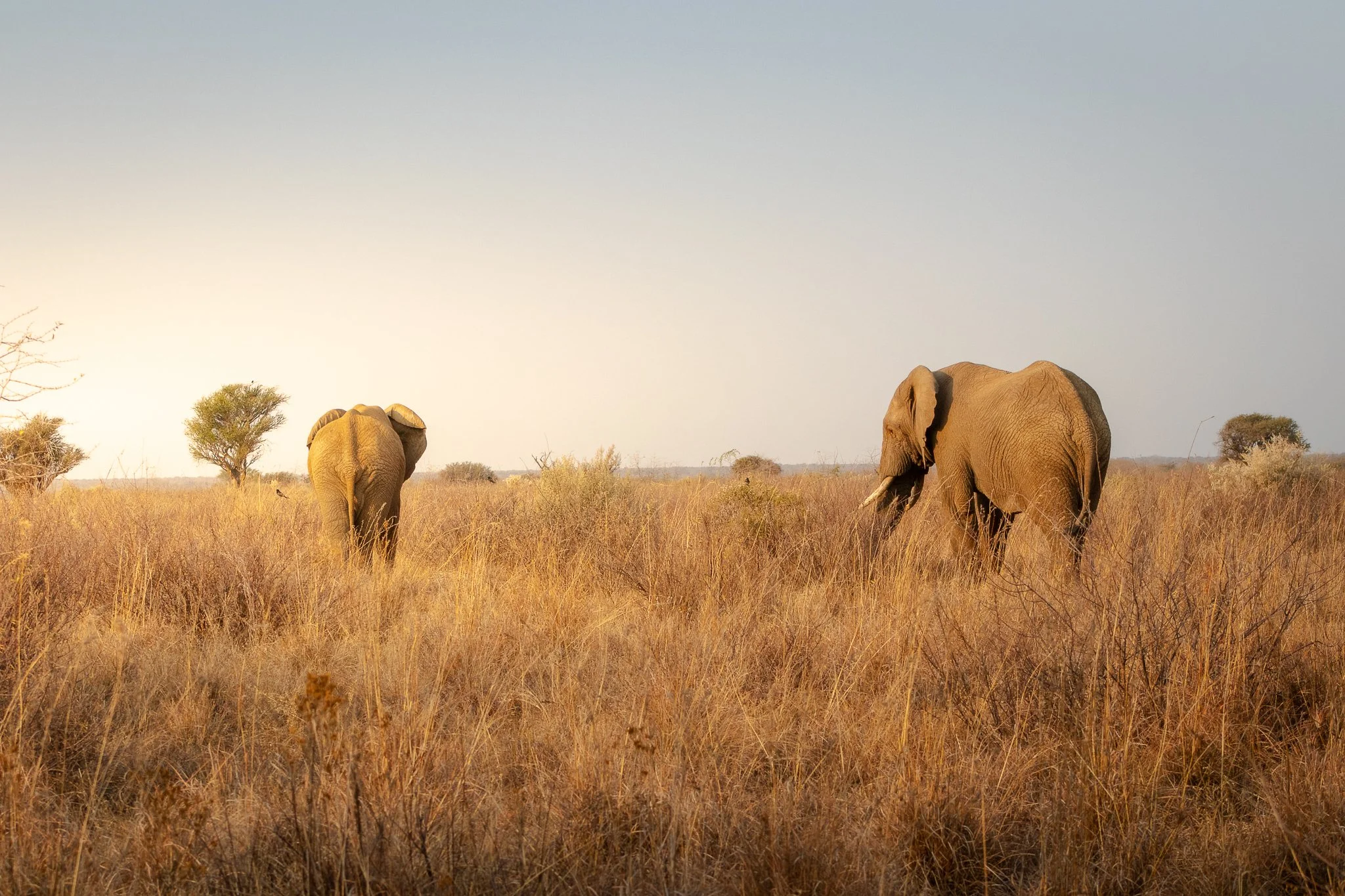
By day, the winding dirt roads yielded spectacular sightings: juvenile elephants attempting to assert their dominance, a cheetah digesting a fresh kill, and more.
As the scorching sun started to dip, I, along with the few other guests, clamored onto a boat and headed towards the Shire River.
Out in the open water, we quickly heard grunting, and a hippopotamus surfaced from below. Then another. And another. “Behind us”, our guide shouted as three more surfaced with a loud noise. “Look ahead,” another person said as five more appeared in the distance.
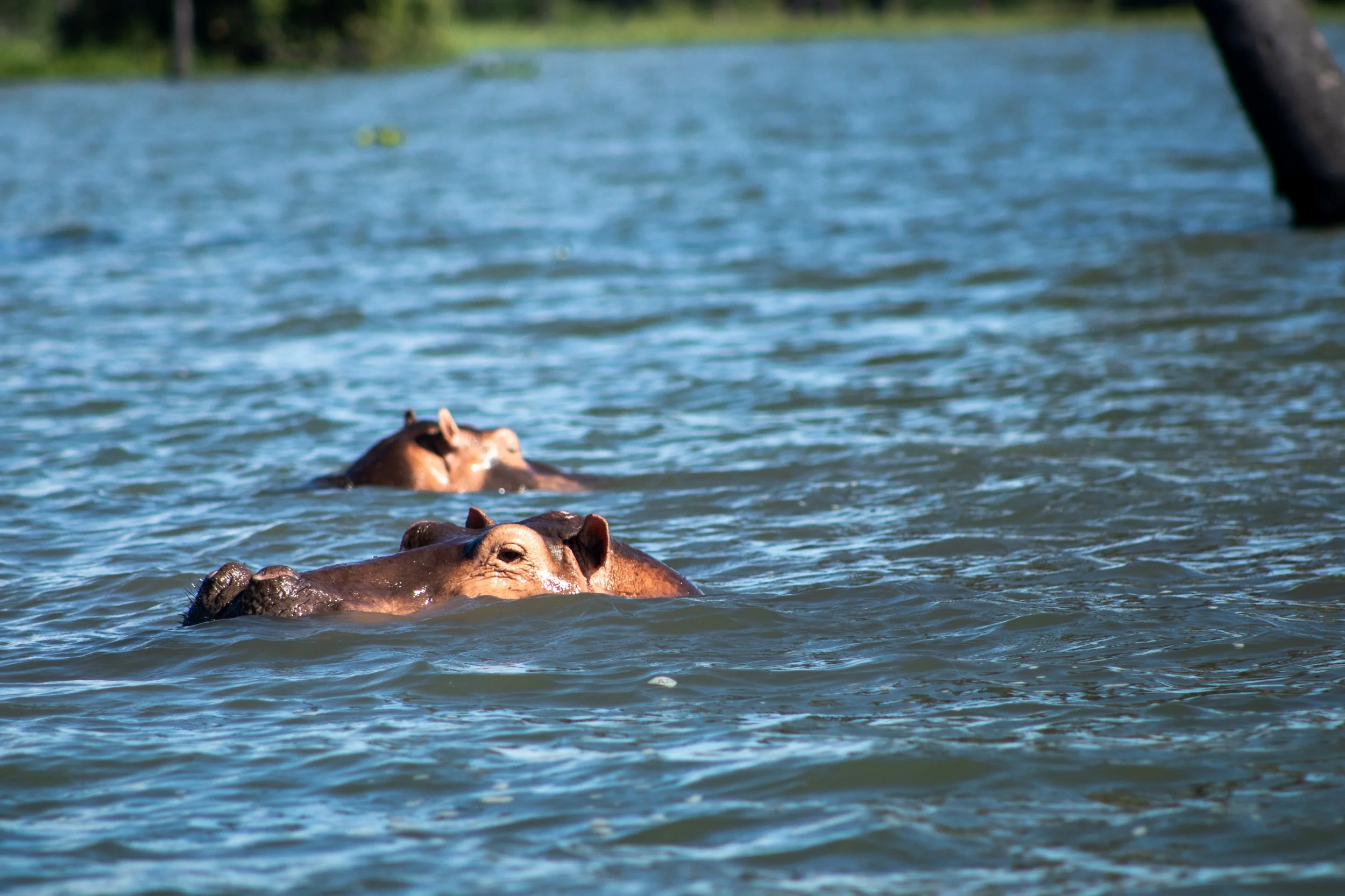
Hippos breach the surface of the Shire River inside Liwonde National Park, Malawi
For a period of time, I didn’t know where to look. As we bobbed up and down in the boat, hippos kept coming and going, seemingly nonstop, so much so that I lost count. I later found out that Liwonde National Park is home to an estimated 2,500 of them!
We continued making our way through the traffic, approaching a family of elephants on the riverbank as they cooled themselves in the water with the evening glow perfectly illuminating the scene. Again, a splash of water, a grunt, and an exclamation: “more hippos, turn around”.
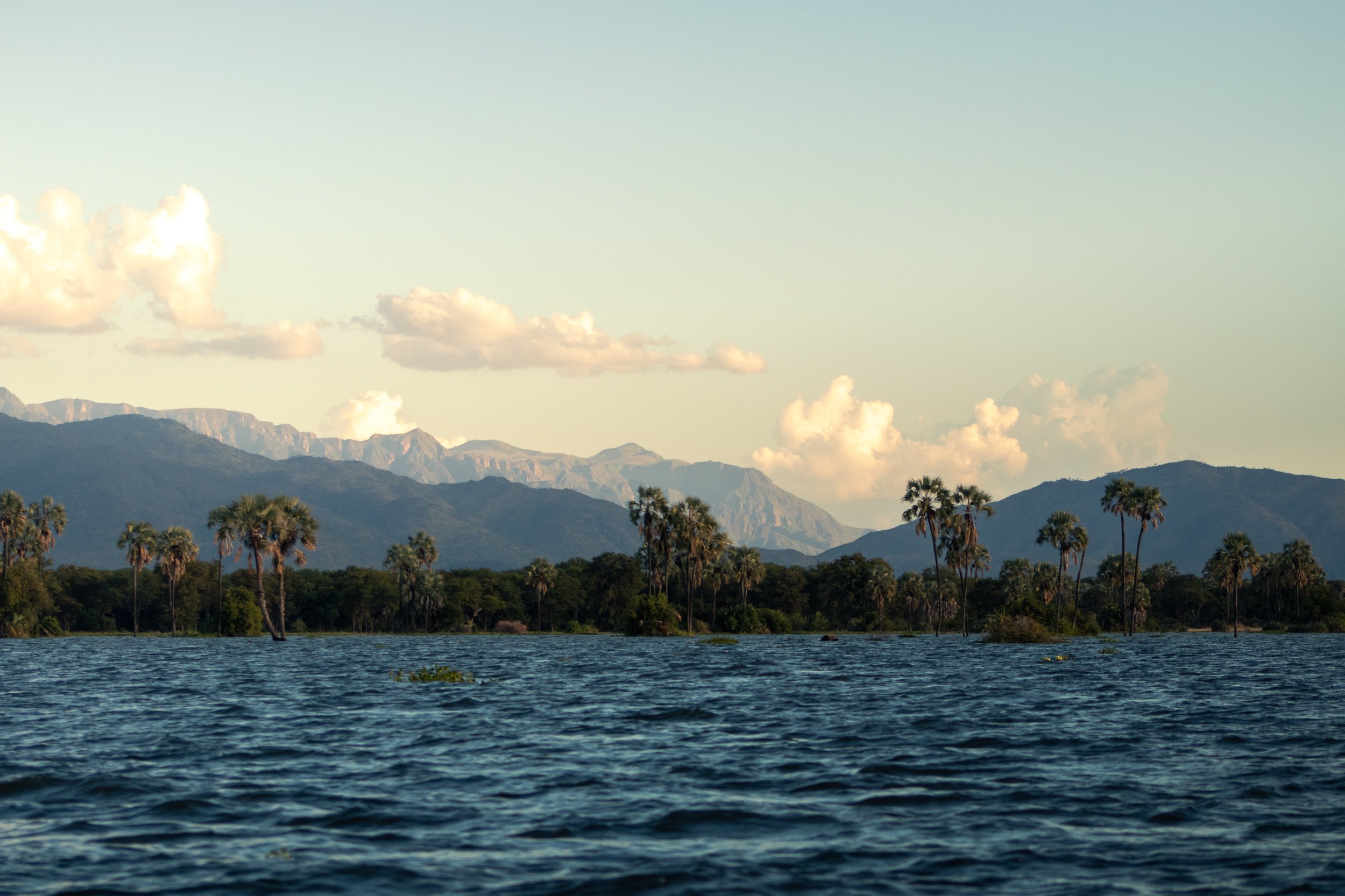
The sun sets along the flooded shores of the Shire River in Liwonde National Park, Malawi
I had come across these majestic, yet volatile animals one other time before this trip, but never in this quantity and certainly not from the confines of a rickety boat with nowhere to go.
As we returned to camp at sunset, all I can remember was the feeling of peace and gratitude, ready for a good night’s sleep after a full day immersed in nature.
6. Sunrise Whale Watching in Hermanus, South Africa
Ever since whale watching in Kaikoura, New Zealand, I constantly find myself researching whale migration patterns anytime I take a trip that’s remotely near the coast. As it turns out, August is one of the peak viewing months for Southern Right Whales and the town of Hermanus, South Africa, located less than two hours' drive from Cape Town, is considered to be the whale watching capital of the world.
Too good to be true since I happened to have a month off work in August, right?
My thoughts exactly.
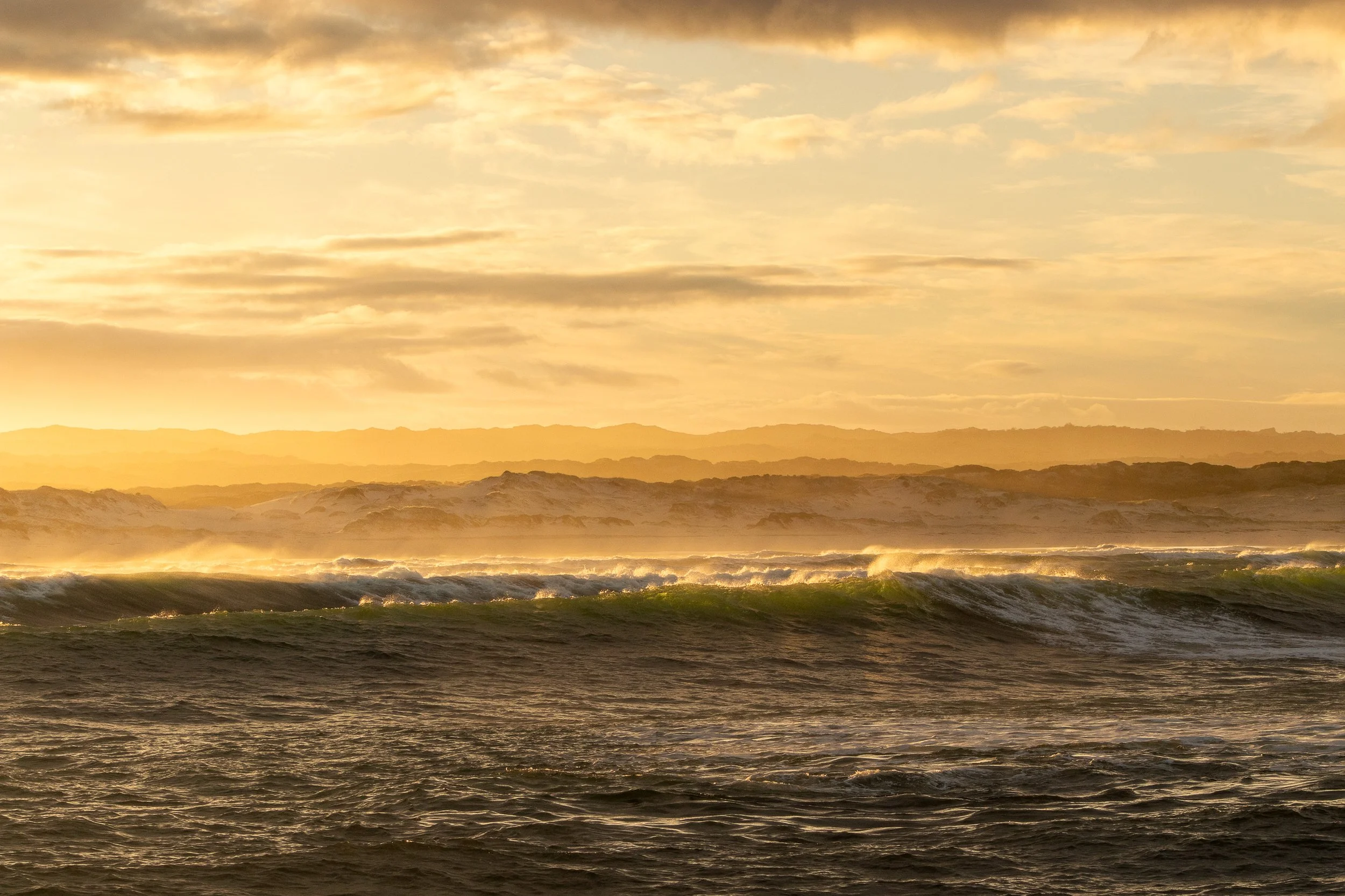
The morning light illuminates the bay in Hermanus, South Africa
Working with a small budget, I opted for the cheapest excursion I could find, which meant waking up at 4 am, bundling up in layers, sleepily making my way to the harbor, boarding a boat in the frigid dark, and heading out to the bay.
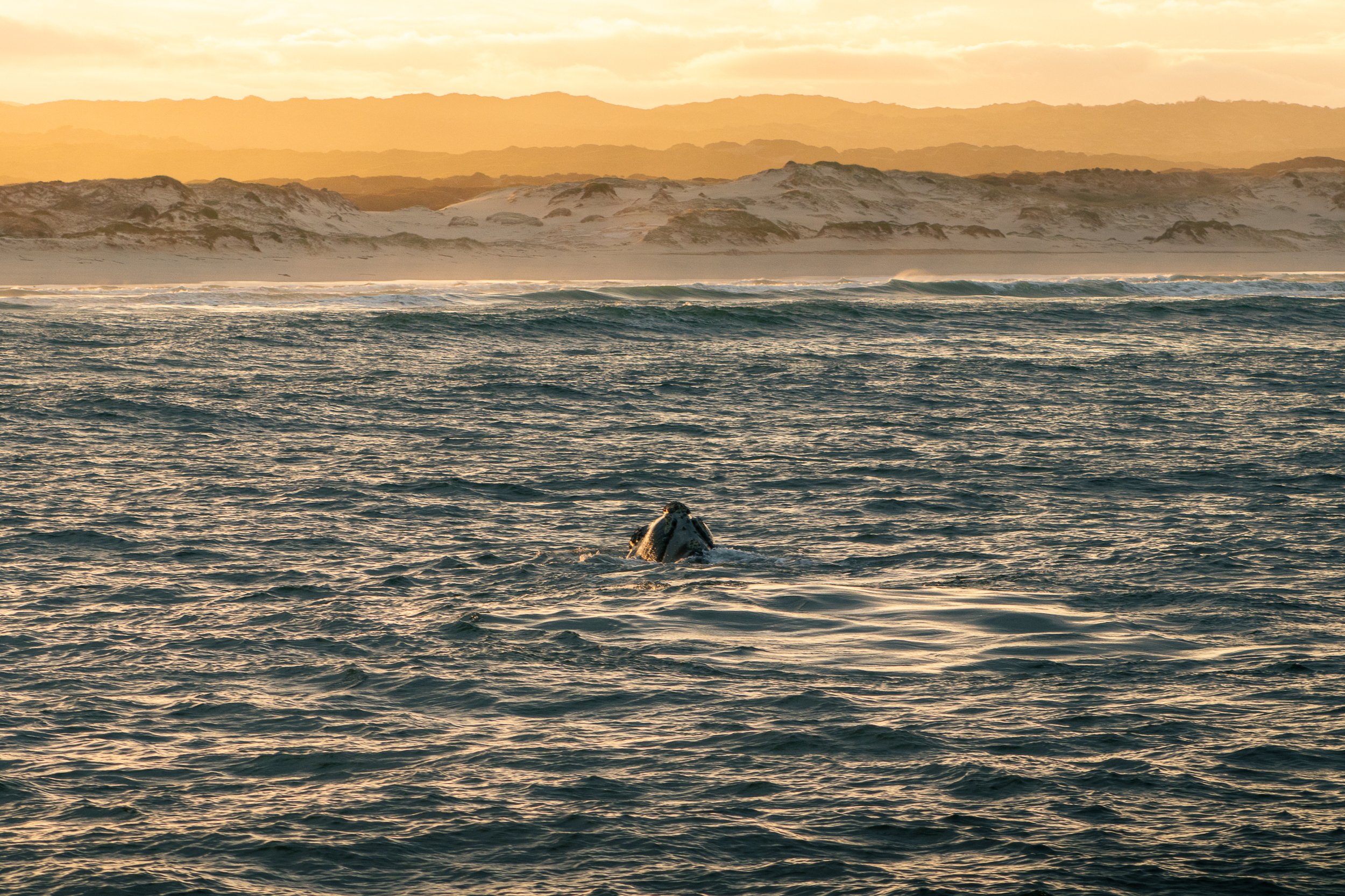
Soon enough, the orange glow of the sun warmed the cool South African winter morning as whales played in the waves around us.
Between an unbeatable sunrise scene and several whale sightings, this was one of the highlights of my time spent in South Africa, and an experience I won’t soon forget.
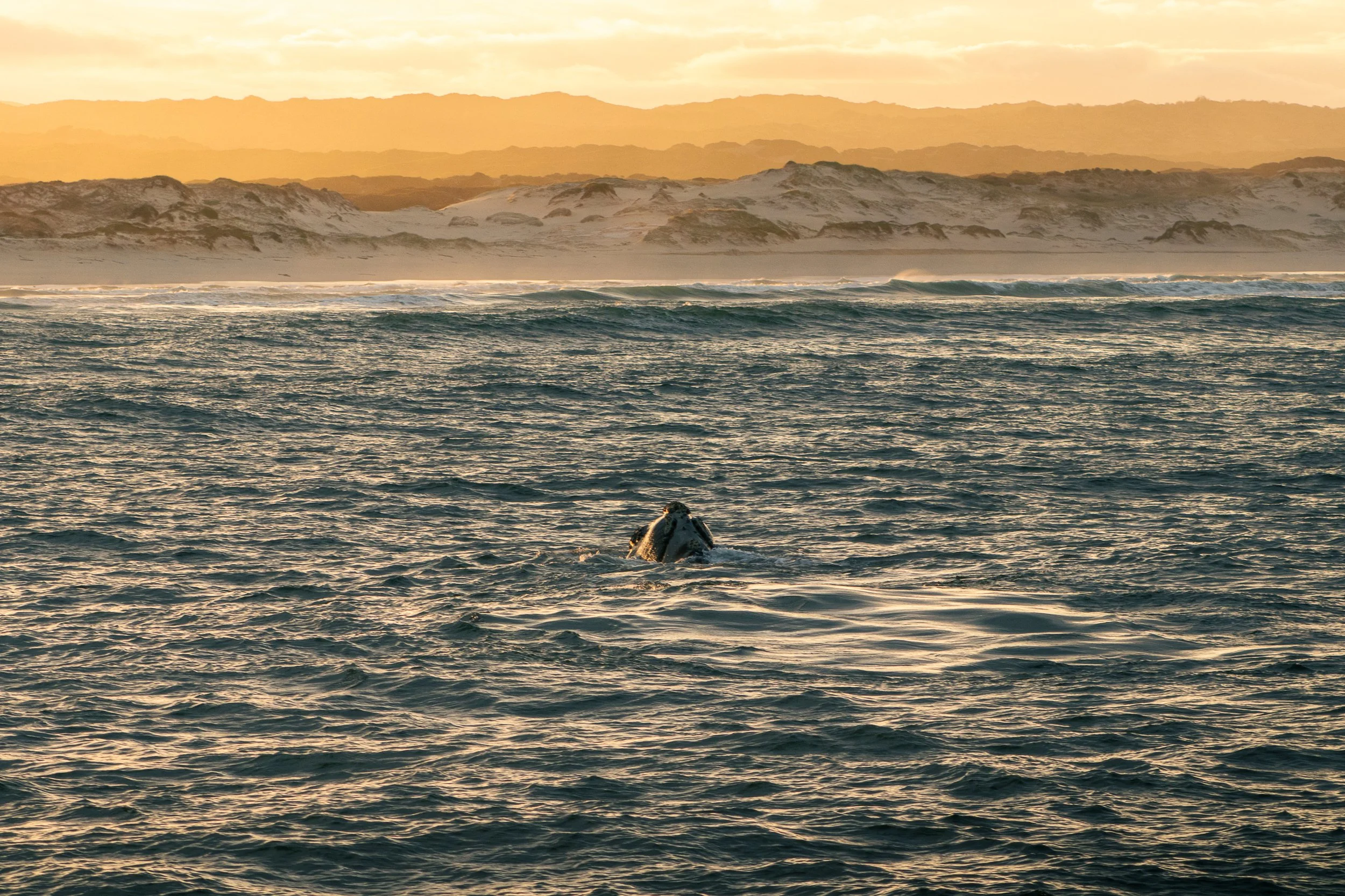
A whale breaches the water in the morning light in Hermanus, South Africa
5. Nyika National Park, Malawi
A quick internet search labels Nyika National Park as one of the most remote and hardest-to-get-to parts of Malawi.
Located in the Northeast of the country, the park itself spans into neighboring Zambia; however, it’s only accessible from the Malawian side.
Sitting on a plateau that rises to 2,600m, the name “Nyika” is derived from the phrase “where the water comes from.”
As Malawi’s largest, Nyika National Park is home to herds of zebra and is said (unsubstantiated in recent years), to have the highest density of leopards in Central Africa. From the logistics just to reach the entry gate to the unique and remote landscapes that awaited, I knew it was a must-visit.
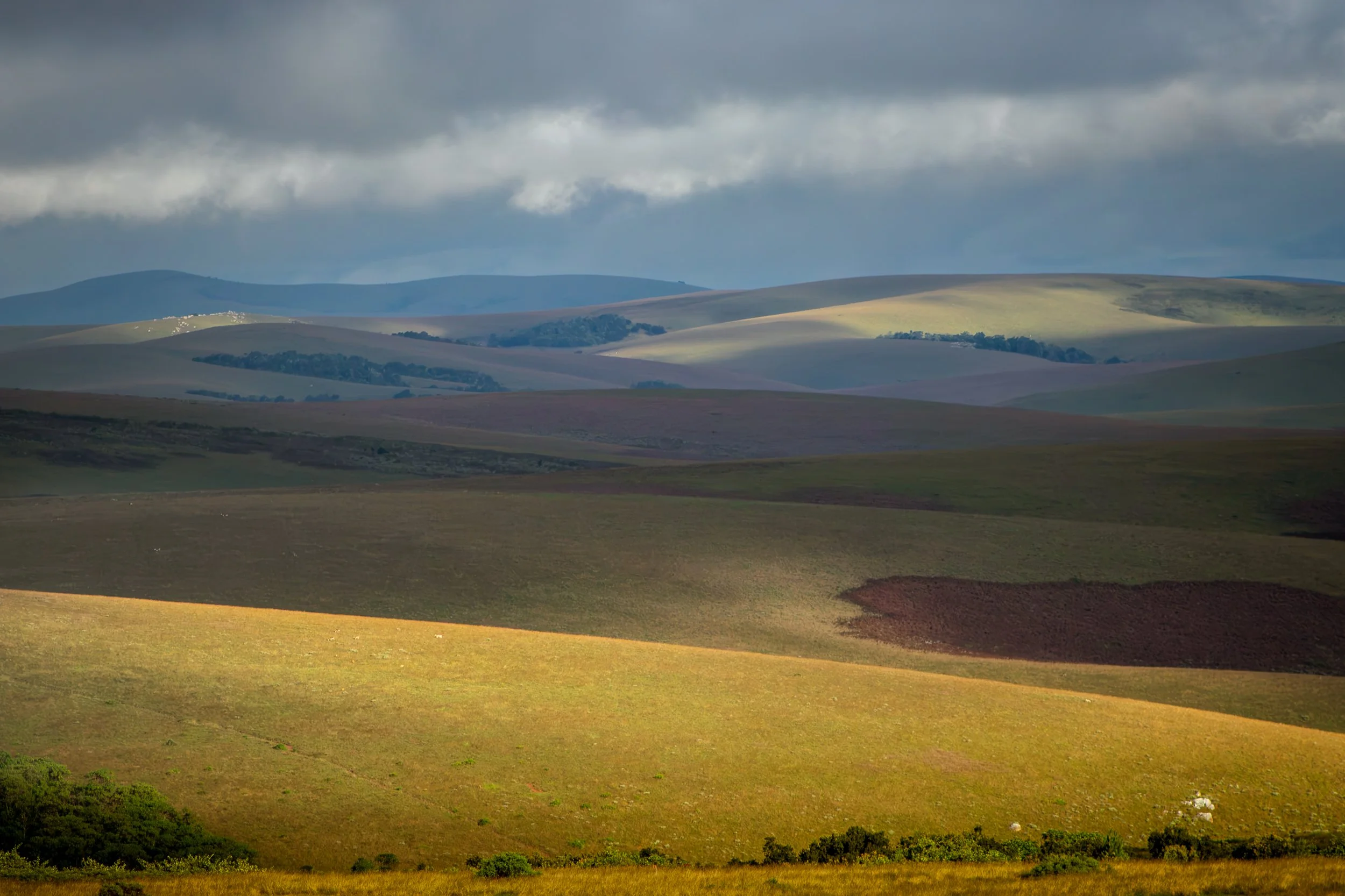
The rolling hills of Nyika National Park are often compared to the Scottish Highlands
So, I made my way from Southern Malawi to the north, using any means necessary, from car to moto to public ferry (see MV Ilala below), and finishing with a shared taxi to Mzuzu. Here, I picked up my Toyota Fortuner and set off.
Each time I mentioned “Nyika” as my destination at the police checkpoints, the officer grinned and said, “car might not make it, good luck.” A normal human being might get deterred after the fifth time, but it simply made me more intrigued.
The further I drove, the more the roads narrowed, and I began to question Google Maps. This seemingly endless, single-lane dirt road with no one in sight isn’t the best way to reach the park, right?
Wrong.
Sure enough, after hours of contemplating the repercussions of bursting a tire or overheating the car alone in the middle of nowhere in Malawi, a small cluster of homes appeared and led to the gates of Nyika National Park.
To describe the park as remote is an understatement. So much so that a worker asked to hitch a ride to the campsite; otherwise, he would have to walk the 60km to work and hope that a ride passed by. As it turns out, my new friend was extremely helpful when the car bottomed out and got stuck in the dense mud tracks 30km into the park.
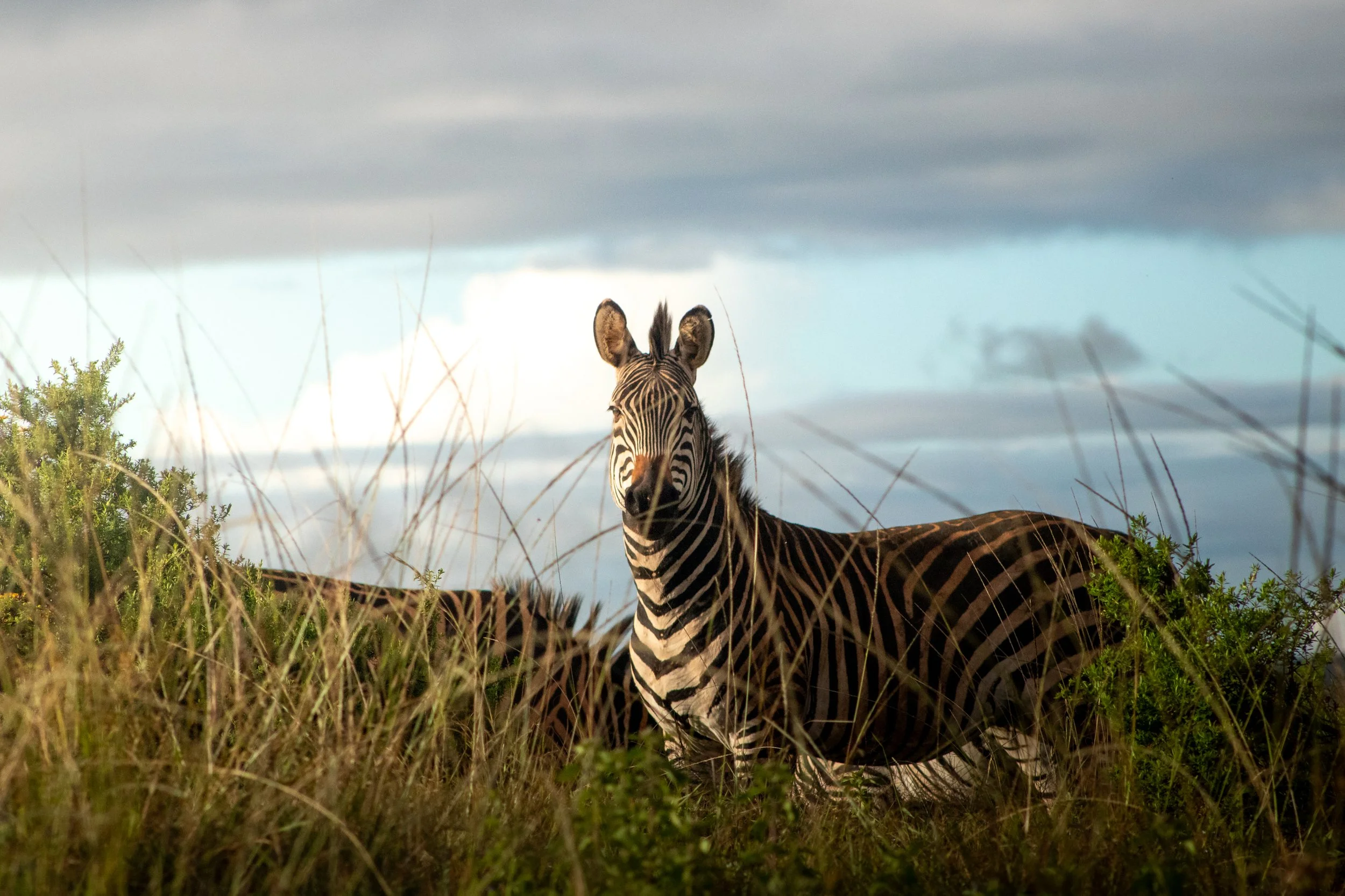
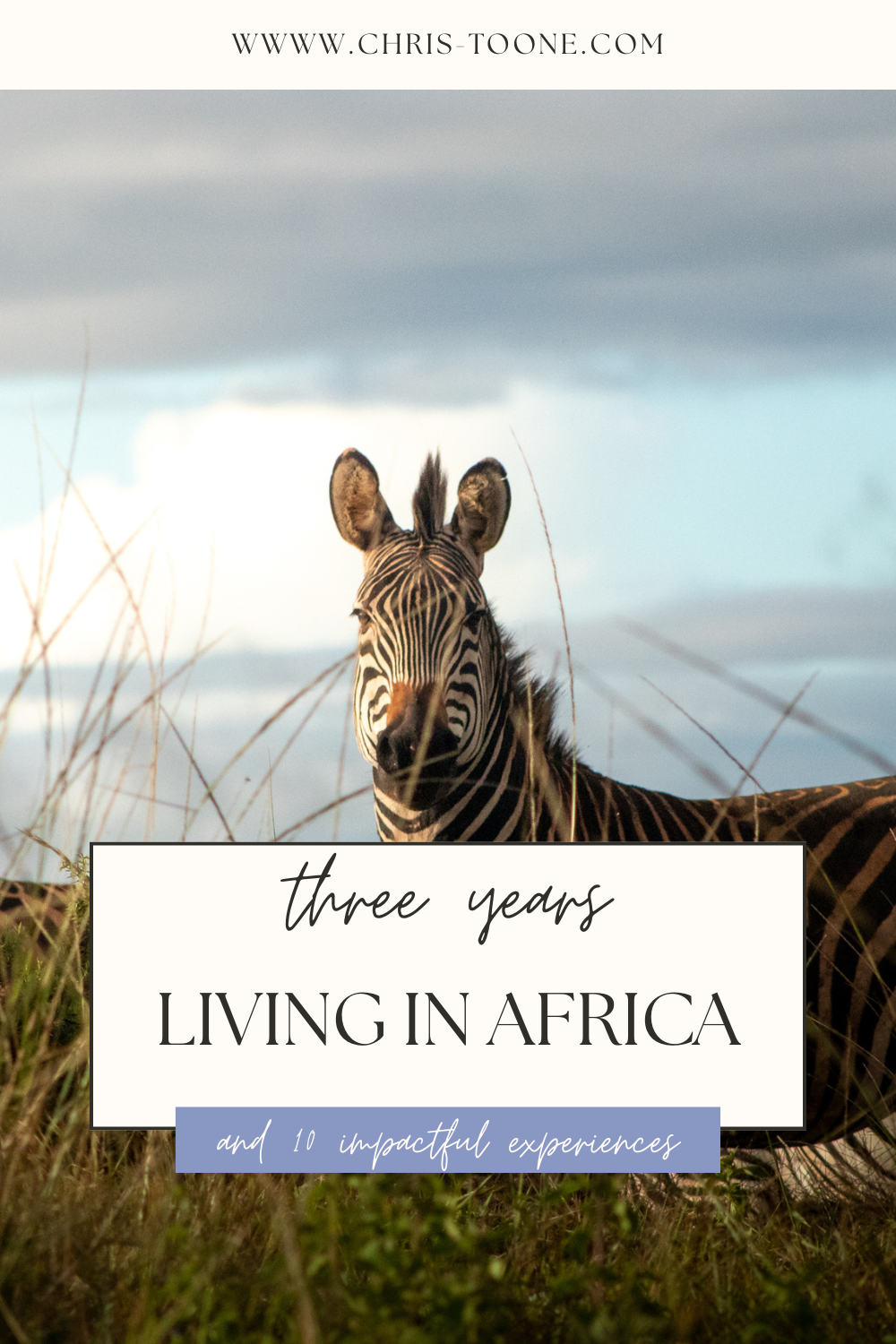
Zebras are one of the most dense animal populations inside Nyika National Park
I finally reached the campsite by nightfall, pitched my tent, dressed in every layer possible (admittedly, as I’m sure you can tell, I did not extensively research this trip before doing it and was severely underprepared), and settled in as one of three visitors in the entire 1250 square mile park.
The morning sun and campfire was a welcomed warmth to a shivering night. My guide walked me through the rolling hills, spotting herds of zebra along the way, before a solo mountain bike around the campsite in the evening.
I’m not sure if it was the nature itself or the effort it took to get there, but either way, Nyika National Park is a top thing to do in Malawi, as far as I’m concerned.
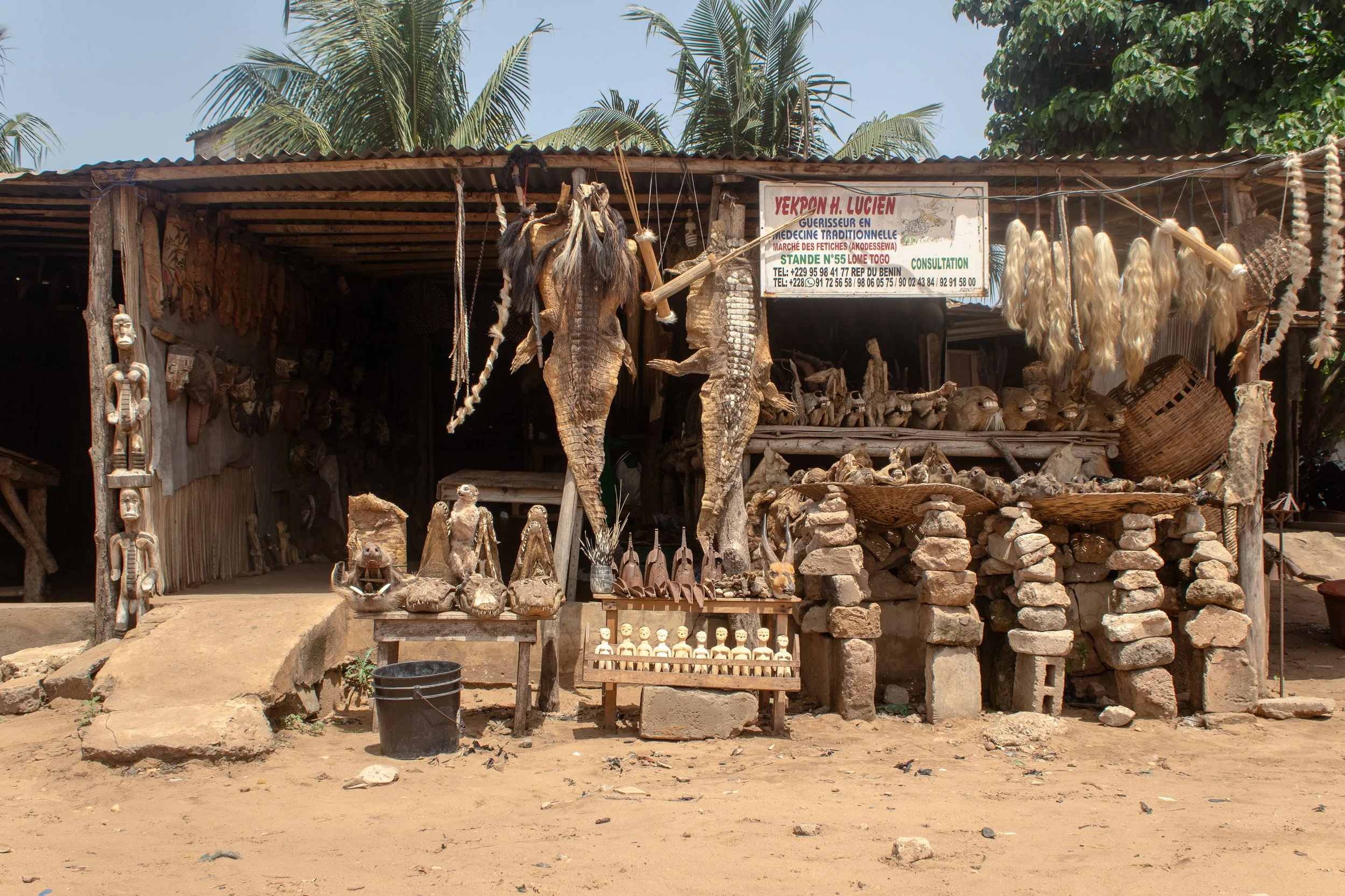
4. Togo’s Akodessawa Voodoo Market
Imagine you’re on the back of a motorbike in Lome, Togo. You arrive at your destination, step onto the sandy road with the afternoon sun beating down, and breathe in.
You nearly gag at the stench, turn a corner, and see an open space; stalls of dead animals line an open space, with a sculpture covered at the center, blackened by sundried blood sacrifices.
Welcome to Togo’s Akodessawa Fetish Market, the largest of its kind in the world.
For West Africans, it’s the one-stop shop for ingredients needed for the Voodoo religion, but for me, it was one of those moments that was a stark reminder of where I was in the world.
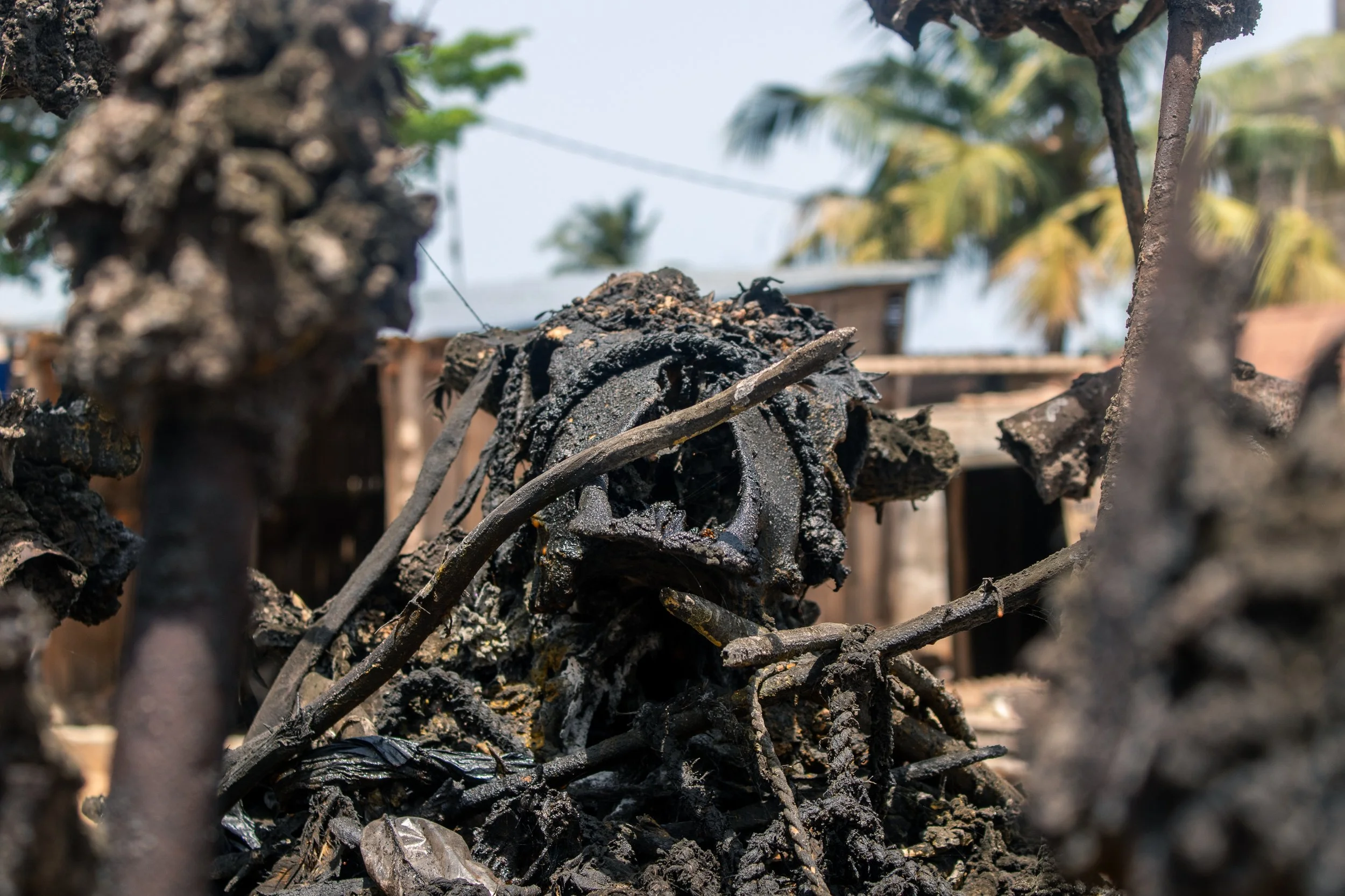
Regular blood sacrifices turn the sculpture black from the sunlight
I didn’t quite know what I was getting myself into. The only concepts I had of Voodoo were dolls used as a source of revenge and curses, but, as I learned, the term “Black Magic” came with colonial roots. A way to fearmonger and create divide, to justify ongoing occupation of Africa.
Strolling around the market, we encountered everything from monkey tails to puppy heads, snake skin, and more. But what we didn’t find was anything “dark”. Instead, Voodoo priests consult with visitors on intrinsic desires, like ensuring safe travels, finding love, or obtaining financial security.
Needless to say, I went into this day with zero expectations, but came away with a deeper, more meaningful understanding and respect of the parts of West African culture that we don’t often learn about.
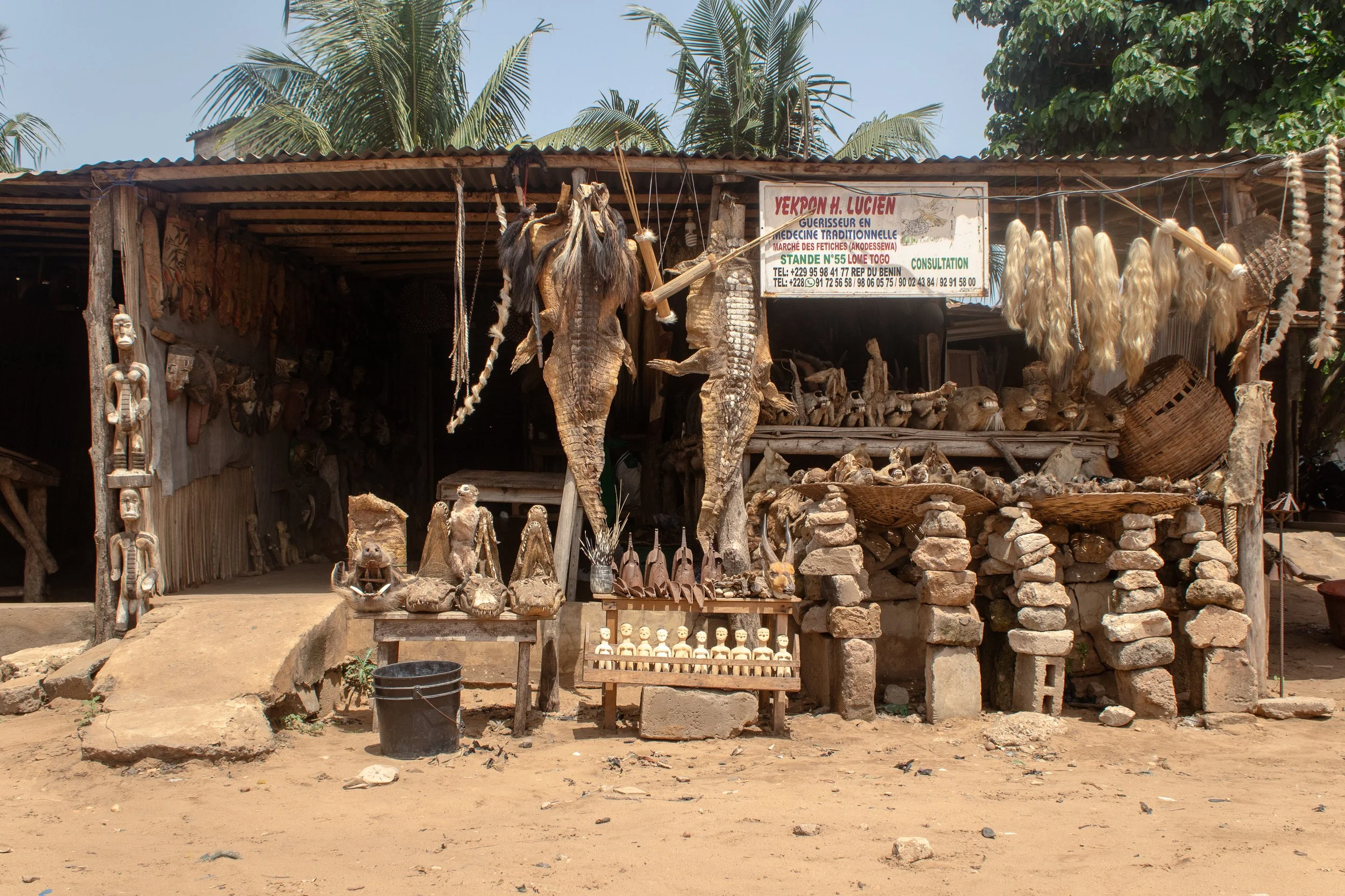
A dusty stall sells common ingredients for Fetish Priests, just one of many at Akodessawa Festish Market
3. Sani Pass, Lesotho and South Africa
As I planned for a month in South Africa, I kept coming back to the Sani Pass. A 9km stretch of tumultuous road descending from the Mountain Kingdom of Lesotho and into South Africa, often described as one of the most thrilling 4x4 roads in the world, it’s commonly touted as the “Roof of Africa”.
What could possibly go wrong, right?
In this case, a failed 4x4 car rental, an adjusted itinerary, no phone working in Lesotho, and that’s just the beginning.
When the car rental agency said they couldn’t honor the 4x4 reservation, my brain immediately went to “how do I make this work?” I had planned to drive up the pass from South Africa into Lesotho, but surely coming down would be easier.
I took the next few hours to adjust my itinerary, working in reverse, and drove into Lesotho at another order before reaching the pass at the top.
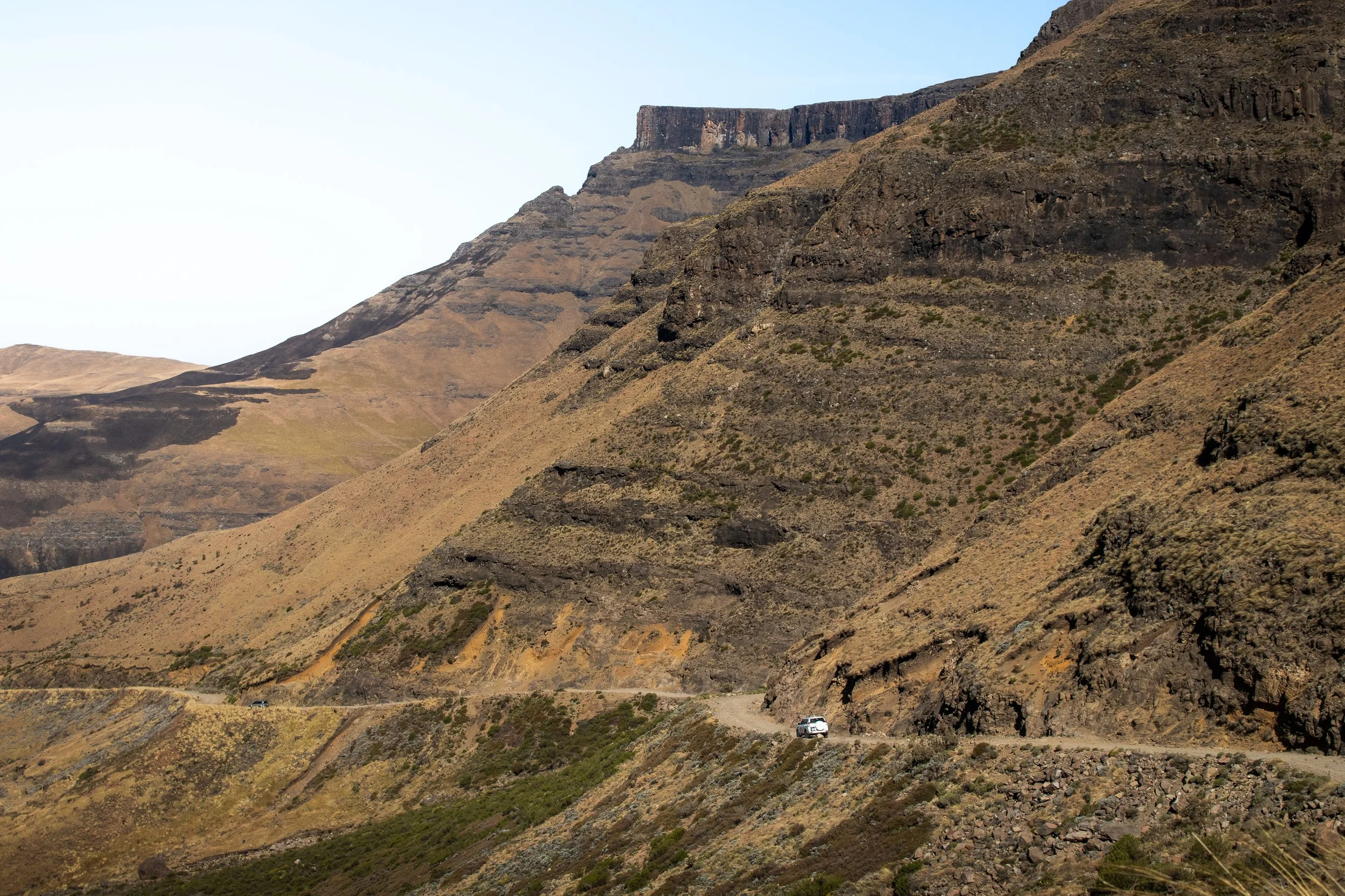
A car carefully navigates the start of the Sani Pass, descending from Lesotho into South Africa
It was a windy morning, so much so that I could barely open the car door and stand up straight. I sat at the Sani Mountain Escape for hours, warming myself with a cup of coffee, watching vehicles struggle up the pass and constantly questioning myself and what I was about to do.
As the afternoon rush of tourists from the South African side entered the pub, it was now or never. I walked across the empty road into the Lesotho immigration shack, stamped my passport, got behind the wheel, and slowly started the solo descent in my Rav4.
Thirteen hairpin turns later, each with a comforting name such as “Suicide Bend” and “Devil’s Corner”, I hit the tar again on the South African side, stamped my passport, thanked my lucky stars for the experience, and carried on my way.
To this day, I still vividly hear the final words from the South African Immigration Officer at the bottom border: “This is a 4x4, right?”
“I think so,” I mumbled, before jumping back in the car and driving off.

A view from the bottom of the pass, in South Africa, and back up towards Lesotho, the “Roof of Africa”
2. Hiking Ghana’s Waterfalls
I’m ashamed to admit that I had been visiting Ghana since 2010 as part of Aya, a non-profit founded on the belief that everyone has the right to quality education. That meant that most of the time in the country was spent on hours-long busses between Accra and Berekum instead of exploring.
When I relocated in 2022, I settled in Ghana’s Eastern Region and was exposed to the natural beauty.
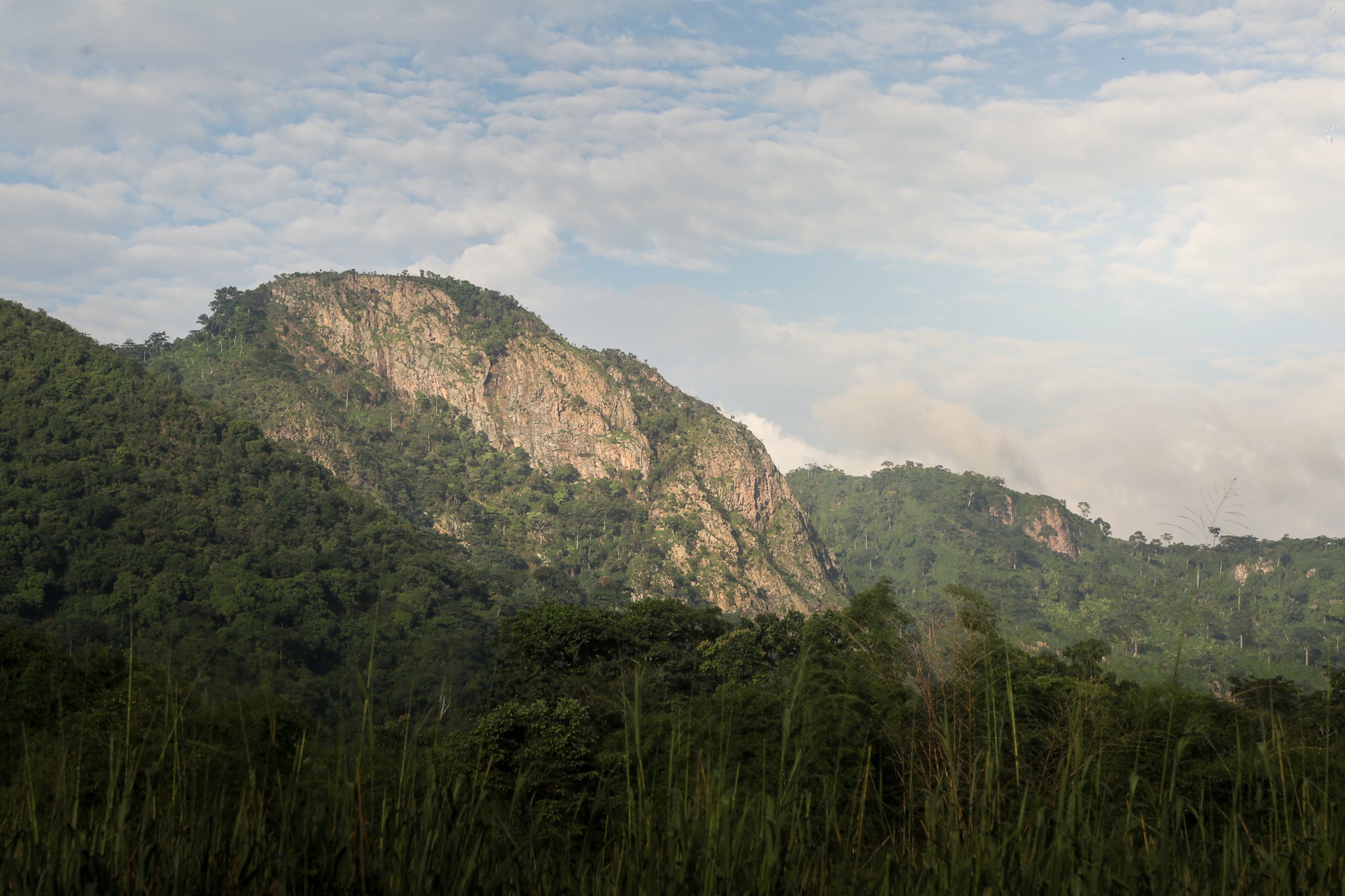
The Akuapem-Togo mountain range, as seen from Ghana, which makes up part of the border with Togo
Fast forward three years and some of my favorite places to explore are the mountains of the Volta Region, on the border with Togo. Not only will you find Mount Afadjato, Ghana’s tallest peak, here, but the area is also home to stunning waterfalls and hikes.
Nothing beats an early evening stroll to Wli Waterfalls or a morning hike and swim at Tagbo Falls. Make a weekend of it and unwind at Tagbo Falls Ecolodge, one of the best places for some rest and relaxation.
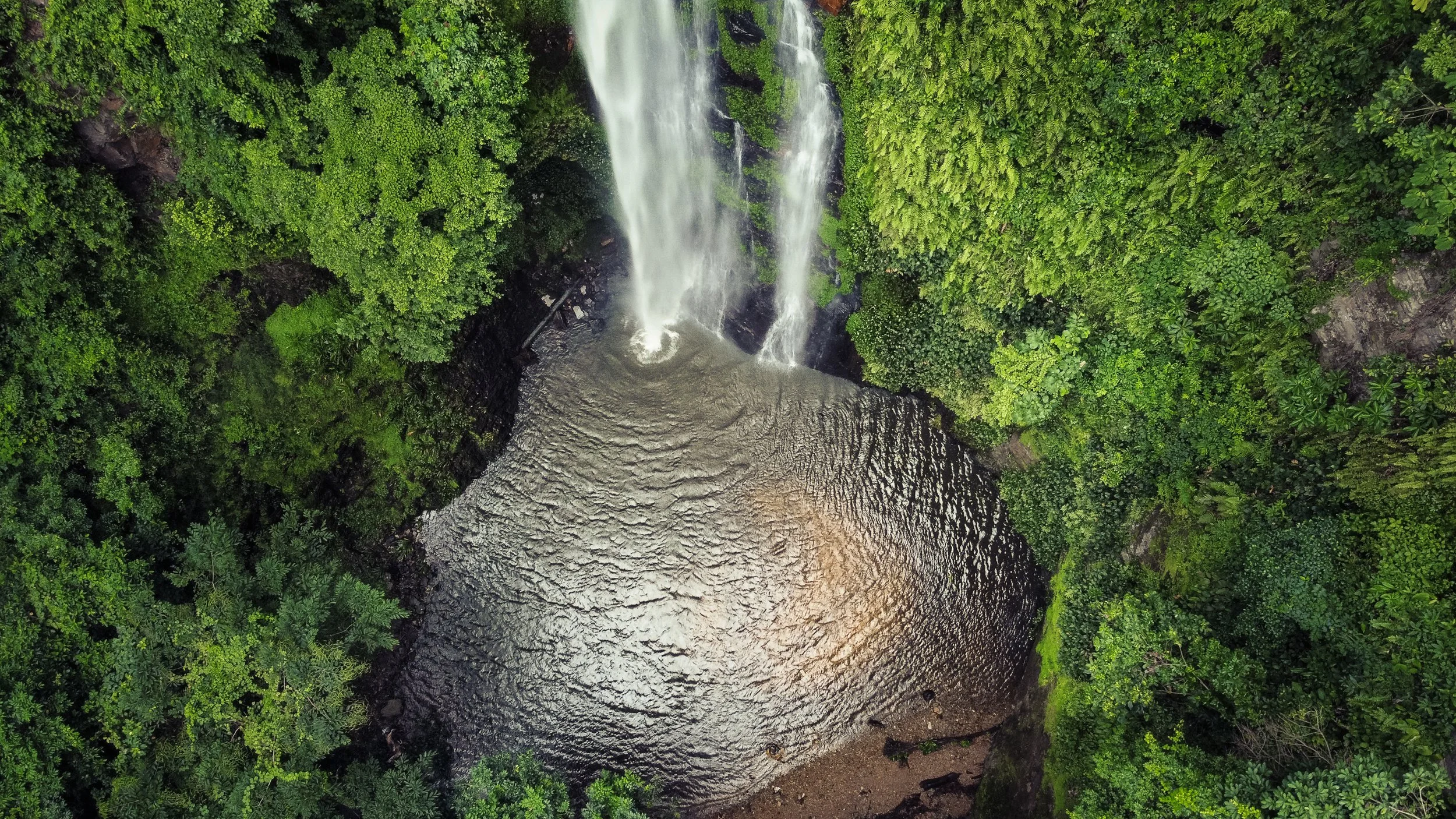
Tagbo Falls as seen from above in Liati Wote, Ghana
1. MV Ilala Ferry, Lake Malawi
Many people ask “why Malawi,” and, to be honest, I don’t really have an answer. I had a month off from work, a flight credit to use, and Malawi fit the criteria of within budget, filled with nature, and plenty of unknowns. So, my response to this question ends up being “why not.”
One experience that I kept coming back to while researching the country was the MV Ilala.
This historic ferry was built in 1949 in Scotland and has since been ferrying passengers and cargo up and down the shores of Lake Malawi since its launch in 1951. Carrying up to 360 passengers and 100 tons of cargo, the MV Ilala runs the length of the lake, from Monkey Bay up to Chilumba near the Tanzanian border, on a weekly schedule.
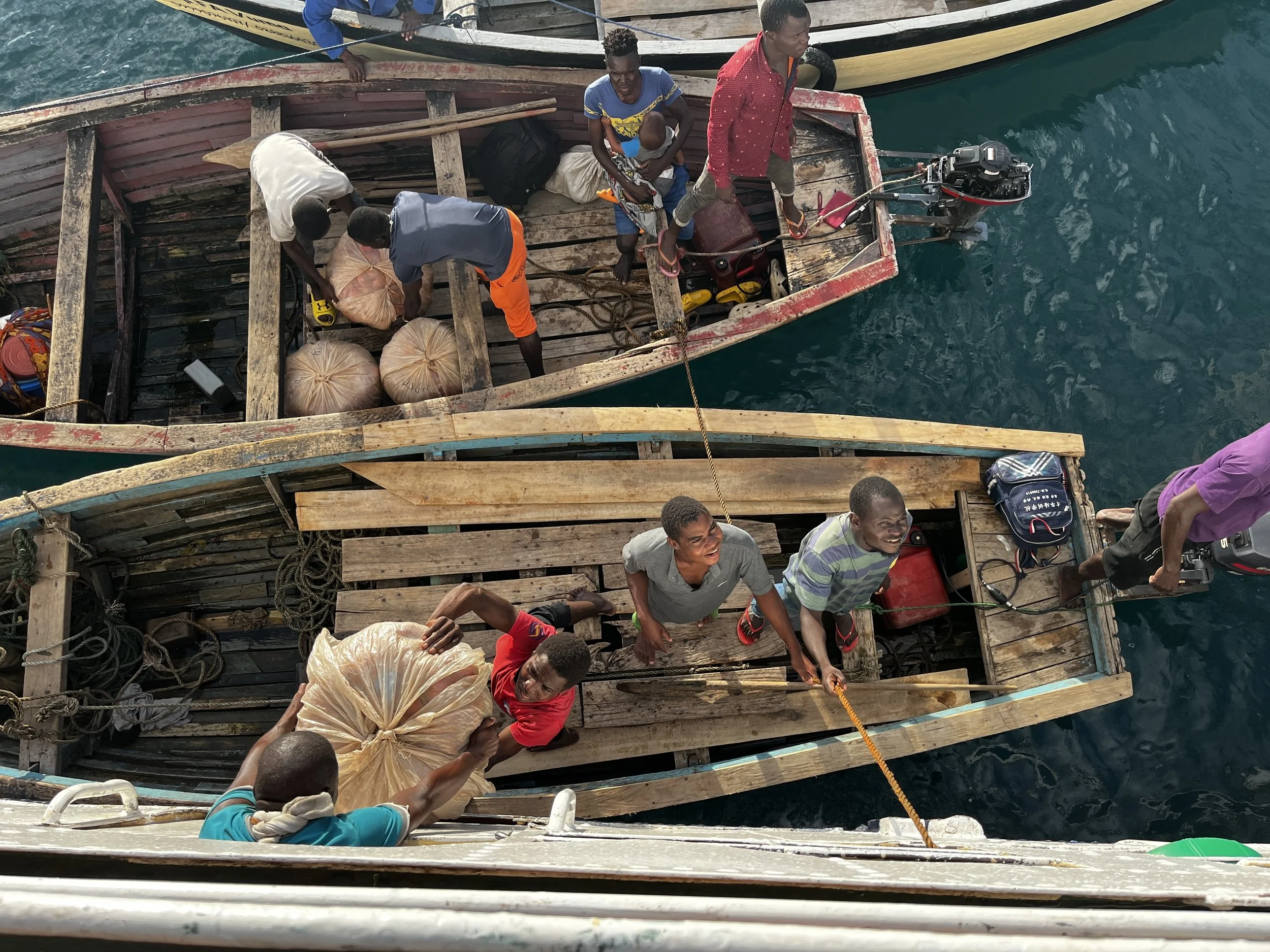
Passengers help load both cargo and people into fishing boats below, the only way to get to shore at many ports
I needed a way to connect the southern part of my Malawi itinerary to Nyika National Park, and what better way to do that than spend 40 hours on a ferry, packed to the brim with 300+ new friends?
Skeptical that the email I sent a week in advance was enough to secure a cabin, I arrived in Monkey Bay early in the morning to a throng of people and cargo, waiting in line, and was pleasantly surprised by the ease of the process.
Ticket in hand, I navigated the crowd and boarded, watching from the top deck as passengers loaded everything from mattresses to stoves, and more. Soon enough, we left the port and were on our way.
Many of the ports of call along the route are too shallow for the ferry to dock, so it was a shock to me when we dropped anchor and fishing boats came out to collect people and baggage, a stream of traffic climbing up and down the side of the ship.
At the second stop, one of the MV Ilala’s official shore boats stalled its engine and was left stranded bobbing up and down in the lake’s waves, signaling for help from shore. By the time that was solved, the weather had turned, winds picked up, and the captain was afraid of capsizing, so we stayed put off the shores of Senga Bay, effectively delaying our travel by 7+ hours.
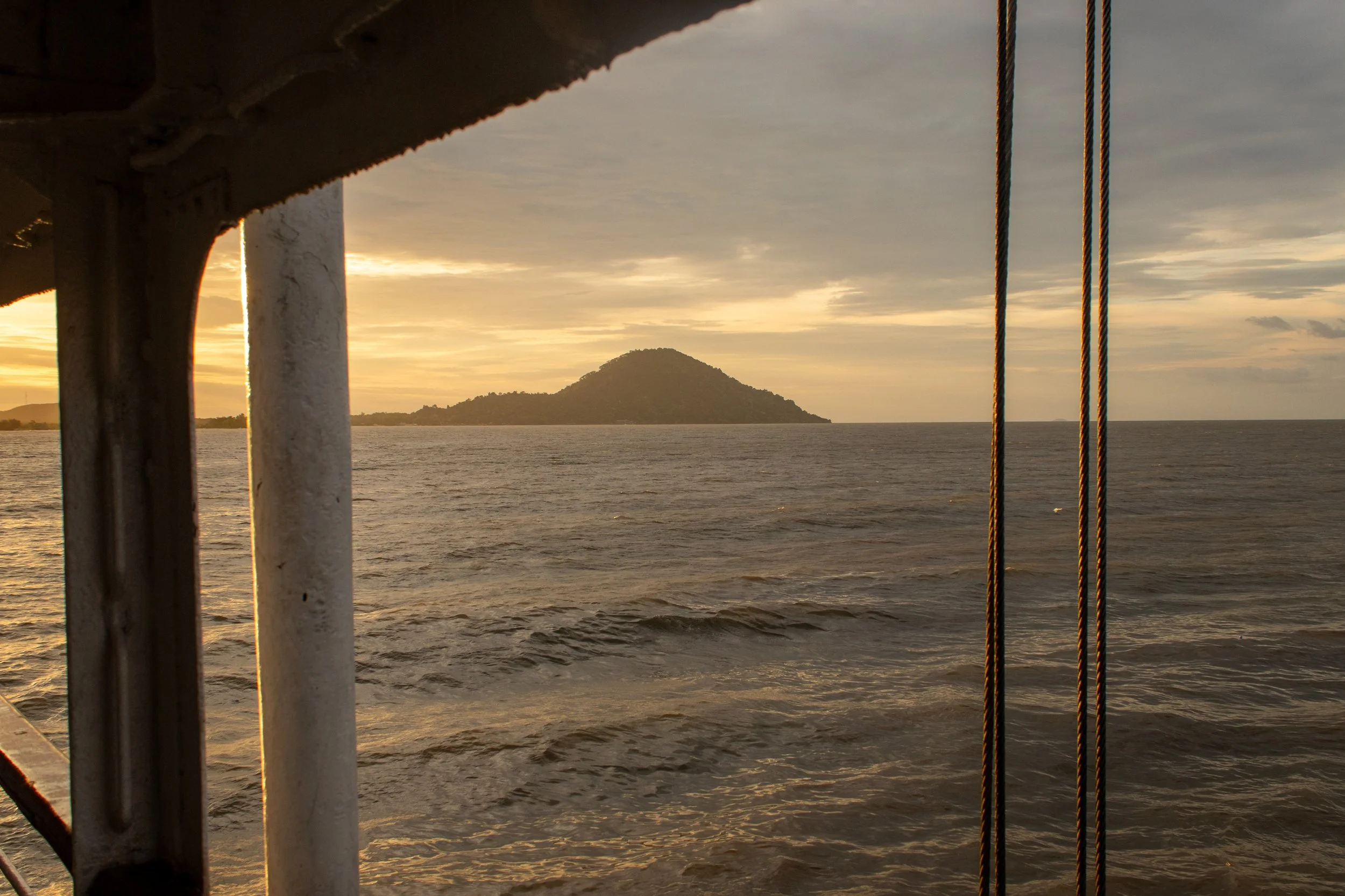
The sun sets along Lake Malawi as we dropped anchor and spent the night after winds picked up
After waking the next morning and wondering why it felt like we weren’t moving (in reality, because we weren’t), the captain cleared us to continue.
A fellow traveler and I decided to disembark at Likoma Island to stretch our legs. As the sun set, we made our way back to the port, elbowed our way into one of the wooden shuttle boats that were so deep you had to stand and use each other for support, before making our way back to the ship in the dark.
I’m convinced that re-boarding is a special skill, having to wait until the waves lift your boat up, grabbing hold of the railings at the right time, and hoisting yourself back onto the ferry with the help of people behind you making sure you don’t fall backwards.
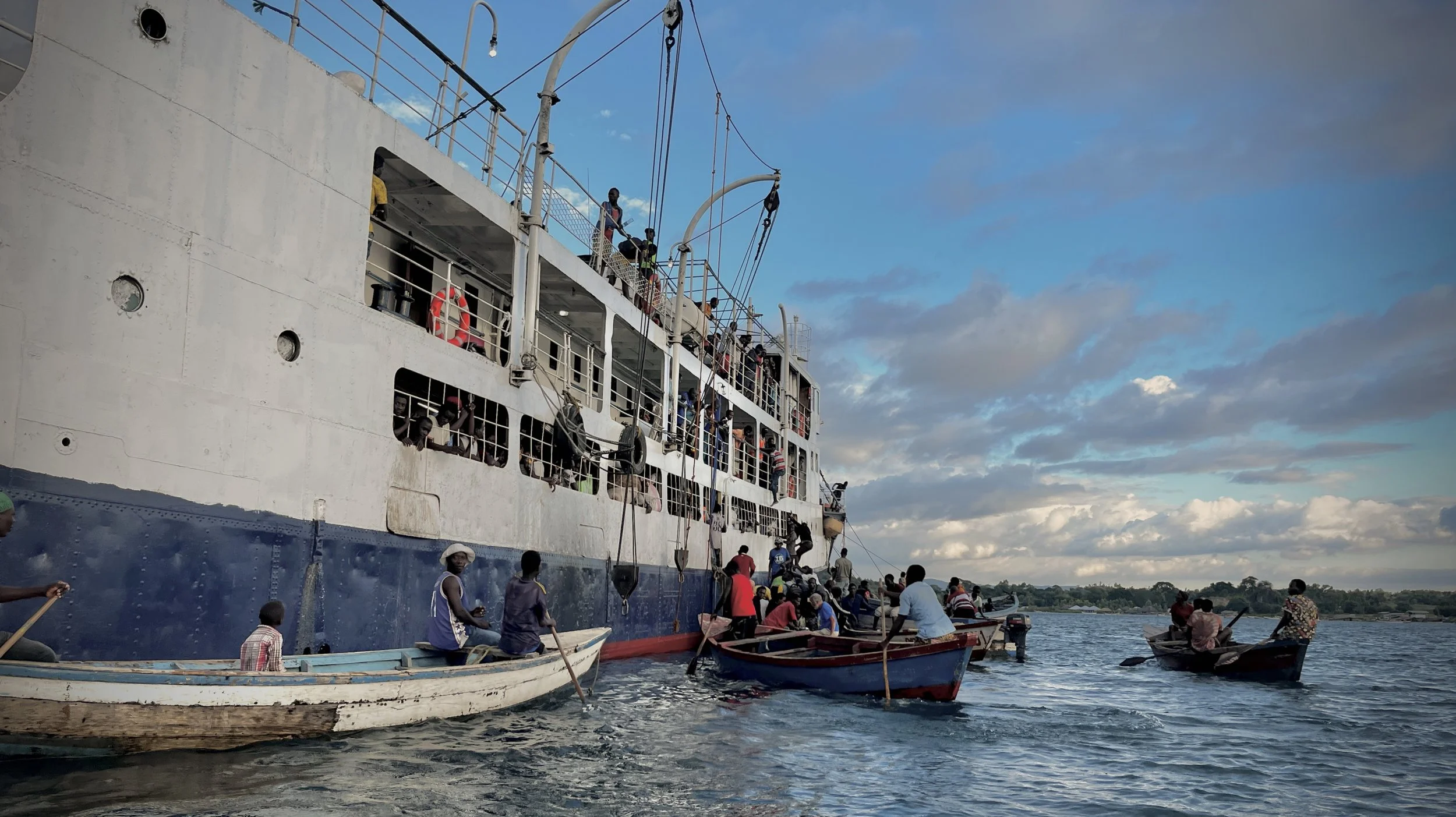
Getting on and off the MV Ilala is often an adventure in itself, climbing from the side of the sip into awaiting fishing boats
On we went, eventually reaching Nkhata Bay at 3 am. I descended below deck to the massive crowd crush trying to disembark, tossed my bags into a waiting boat, and climbed through the dark to reach them. We finally made it to shore after 2+ days traveling Lake Malawi, I pitched my tent in the dead of night, and watched the MV Ilala Ferry pull out of port the next morning from shore.
An experience I won’t forget anytime soon.
Looking Back
I’m now on year four of living in West Africa, and although it’s taught me so much, there’s plenty more to learn and absorb.
This move and these experiences have brought a necessary shift in my perspective, a boost in resilience and adaptability, and, despite the chaos, a level of calmness I never experienced living in the United States.
Thanks for reading, and cheers to whatever adventures may lie ahead in this crazy life of ours.
What are some of your favorite travel stories? Share in the comments below and, until next time, stay safe & happy travels.
Ready to upgrade your camera gear? Here’s what travels with me on every trip:




Sharing is caring! Pin this post for later.


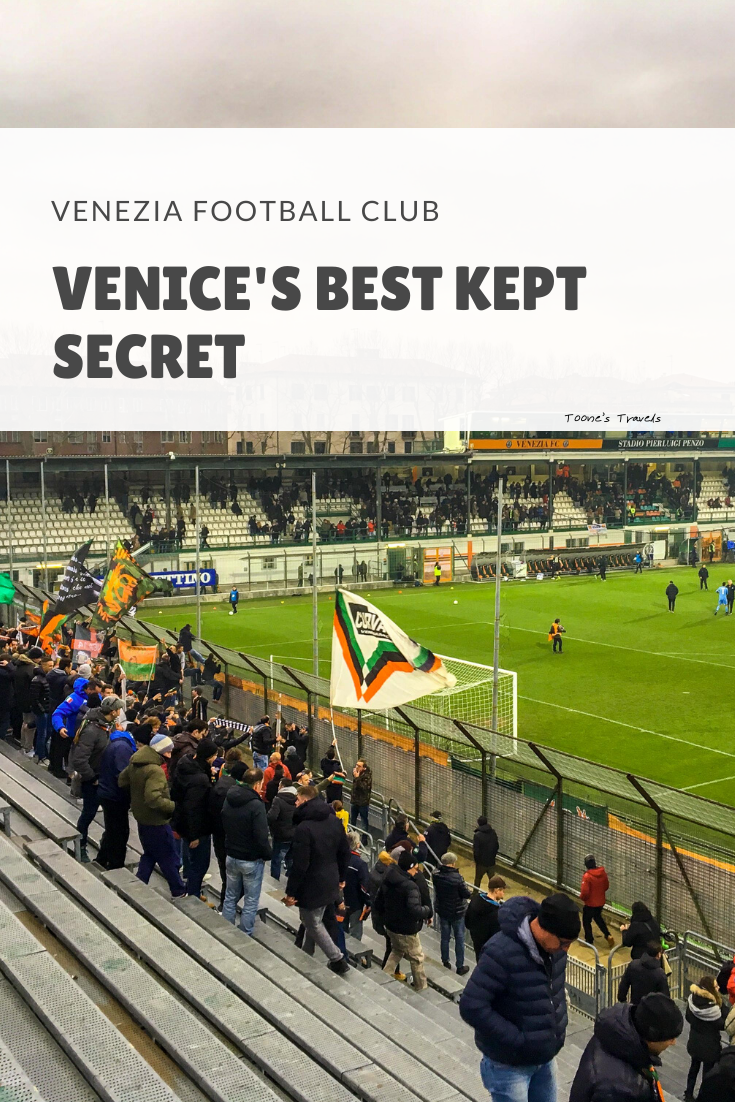
Venezia Football Club: Venice's best kept secret
In a city that welcomes 30 million visitors each year, it seems unlikely that something has been left undiscovered, right? Think again. Venezia Football Club has remained raw, authentic, and full of passion despite the modern age of overtourism. Sport fanatic or not, it’s worth checking out. Here’s why…
Before reading: Venezia FC was promoted to Serie A in 2021 for the first time in 19 years but was forced to cope with relegation and is currently back competing in Serie B.
Travel writer Thomas Watkins once wrote, “There is no country so much frequented yet so little known by foreigners as Venice [Italy].” That was back in 1788, but hundreds of years later it’s still true.
The reality is that 30 million people tour the Venetian Lagoon each year, eager to capture the perfect selfie in St. Mark’s Square. They pay hundreds of dollars for gondola rides, put out for overpriced cocktails in the famed piazzas, and live their fantasy of calling this lustful place home, even if only for an afternoon.
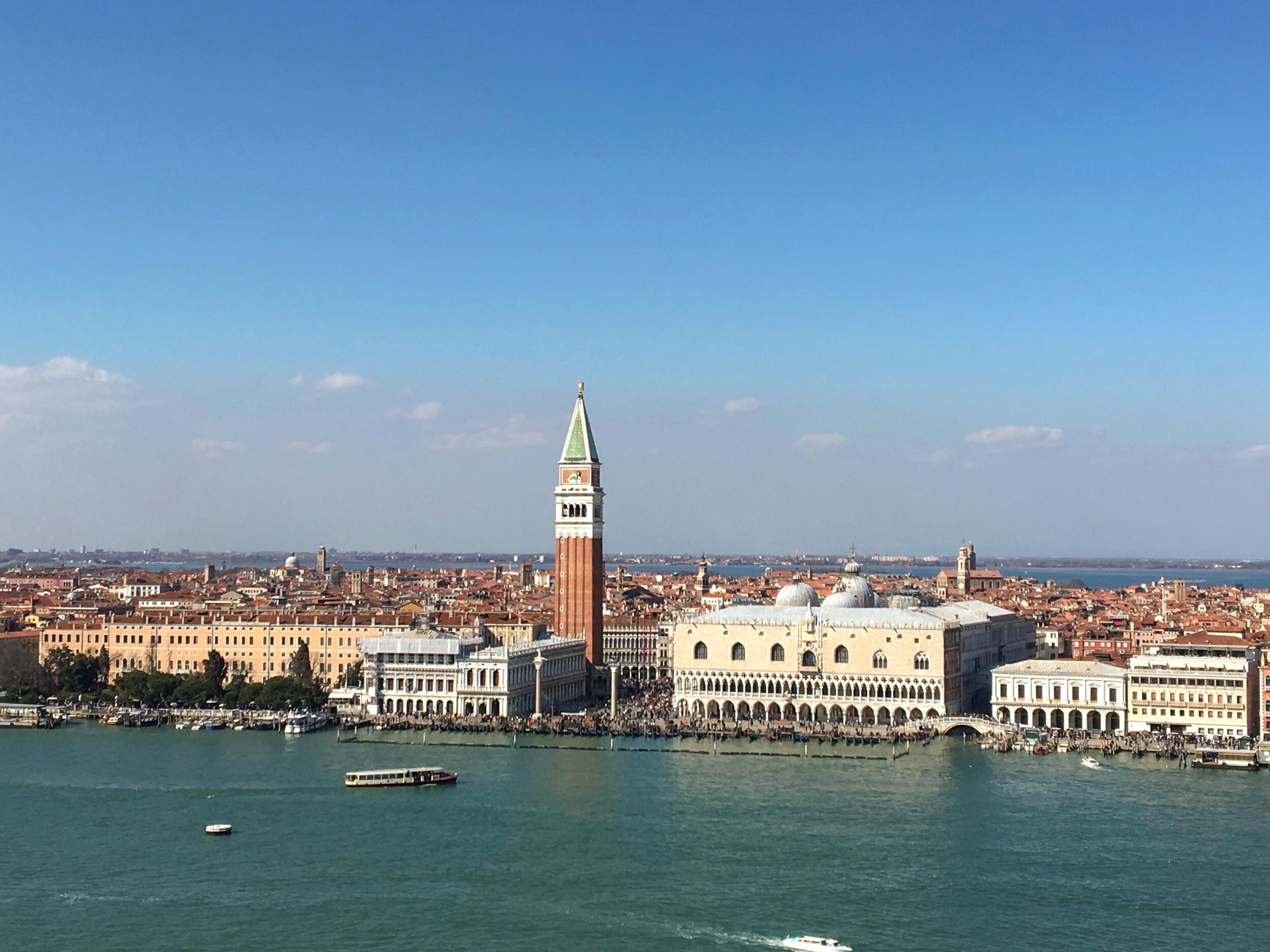
St. Mark’s Square as seen from the San Giorgio Bell Tower
It’s not easy to look beyond the facades of the San Marco district and why would anyone need to? There is natural beauty and history at every turn. Despite this, I couldn’t help but feel there was more to Venice than meets the eye.
Cue the Venezia Football Club. A professional soccer team formed in 1907 that competes in Italy’s second division (Serie B) and, despite the high volume of foot traffic within the city’s limits, is still undoubtedly hidden within the easternmost confines of the city. It has a history. It has a culture. It has passion. Yet rarely do foreigners ever experience it.
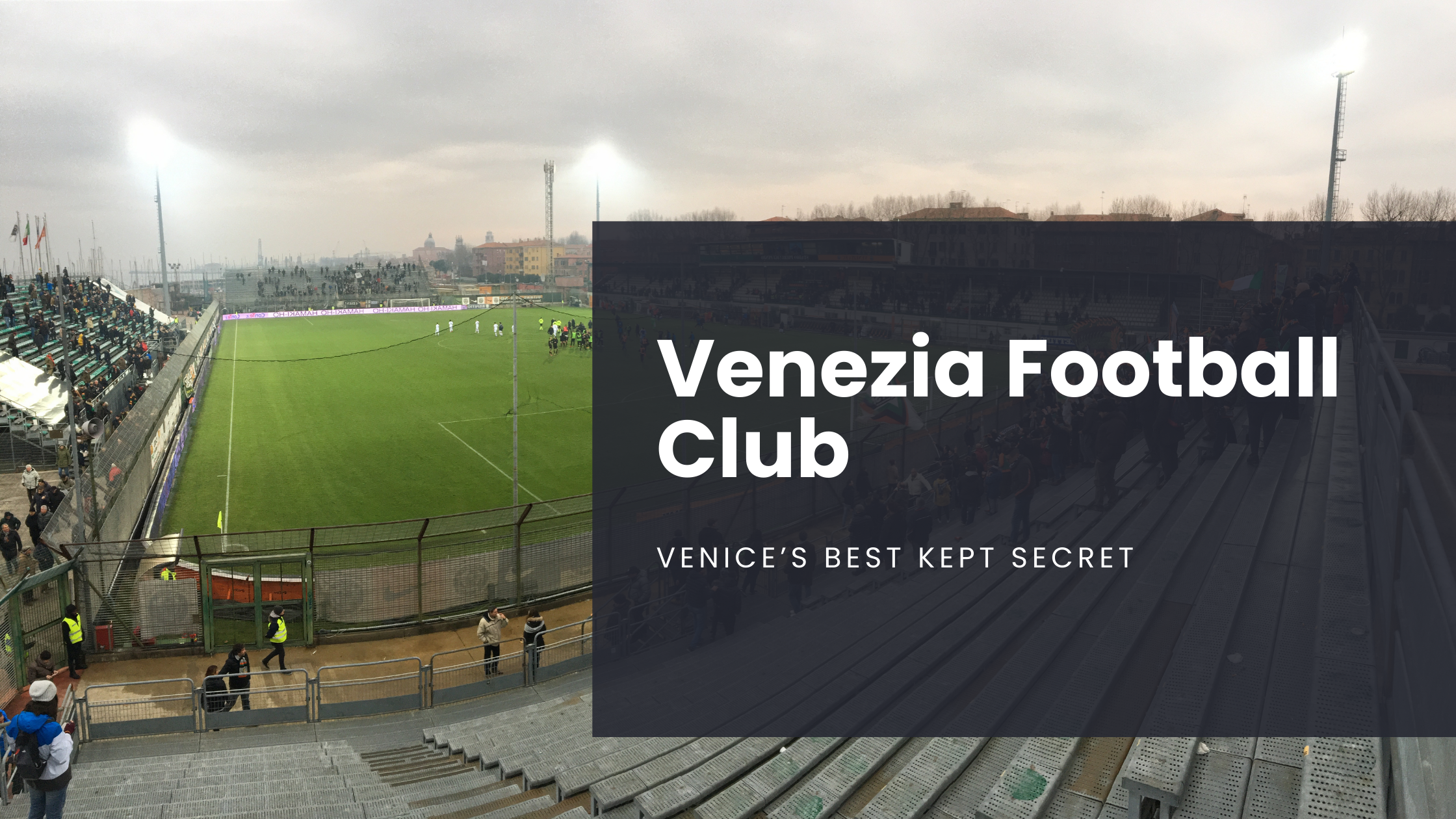
The club plays its home matches at the Stadio Pierluigi Penzo, a cozy 11,150-seat stadium that’s tucked away deep within the Sant’Elena district. A quick search of the web will explain how it’s the second oldest continually used venue in all of Italy. That’s quite an impressive feat when you consider the deep history of Italian football but somehow remains largely invisible to a majority of the city’s visitors.
It’s certainly not the easiest place to find. There are no banners, no yellow signs indicating a point of interest like those seen plastered around the tourist trail, and no walking tour in sight. The stadium is simply there, hidden in plain sight for better or for worse and serving as a discrete monument of stability within a city that’s constantly changing.

Inside Stadio Pierluigi Penzo - Venice, Italy
During my first visit, I didn’t learn of the club’s existence until the day after they had played at home. I wasn’t about to make that same mistake the next time I found myself aimlessly wandering the canals of Venice and sure enough, the stars aligned a year later.
On the day of the match, indescribable energy filled the air. Fans from Mestre, Venice’s mainland neighbor, packed the water taxi like a can of sardines, disembarking at the Sant’Elena pier before making their way to the stadium. It wasn’t a long walk from the docks by any means, but I’ll always remember the roar of the crowd directing the newcomers, guiding us through the streets, and growing louder with each step.
Once inside, I couldn’t help but feel as though I was witnessing a religious experience of sorts. Sure, Venice is full of cathedrals, but the Stadio Pierluigi Penzo is one that never receives attention. It’s a different kind of church, of course. A holy place where Venetians gather, rain or shine, to pay tribute to what many refer to as the most beautiful game in the world.
I took my seat in the Curva Sud section, home to the club’s diehard supporters. Organized chaos is the only way to describe it as a couple of delirious individuals led continuous chants throughout the entire 90 minutes, never once taking their eyes off the crowd. This was the heartbeat of everything, setting the tone for fans and players alike.
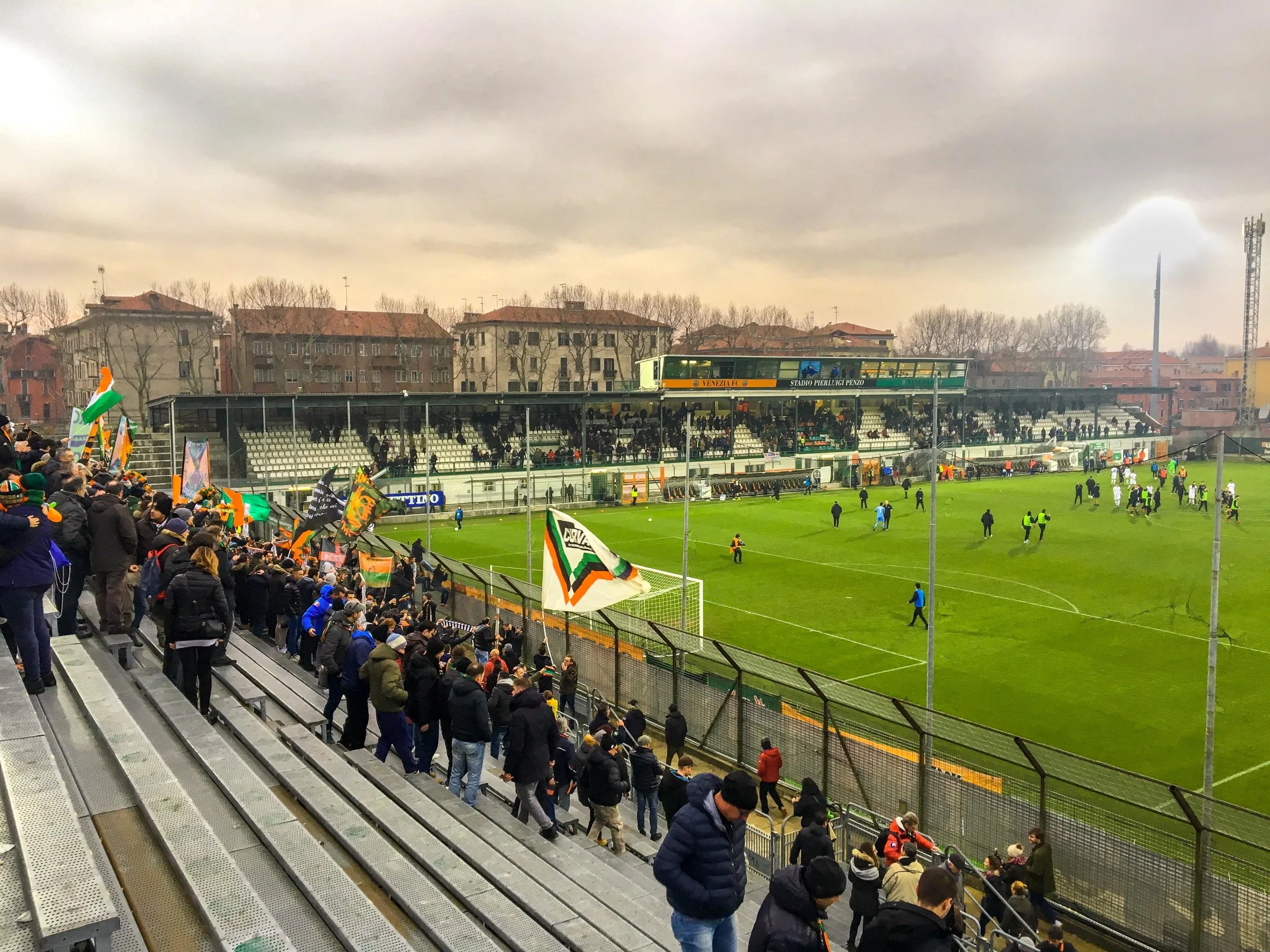
On the northern end of the stadium stood the away supporters, valiantly trying to make their presence felt with flags and cheers of their own, all the while seemingly un-phased by the uphill battle they faced. It was to no avail on this particular afternoon.
The atmosphere was a far cry from the luxury and sophistication that exude the shops along the Grand Canal. There was nothing “high end” about it, nor should there have been. Instead, the beauty of this moment came from within the people, their raw emotion filling the stadium like a pressure cooker that could only be released when the ball struck the back of the net in favor of the home side.
Anyone who knows me is well aware that I consider myself to be completely infatuated with the sport of soccer.
It’s only natural that I would come away loving the experience, but trust me when I say that this was different. On a gray, dreary, and otherwise lifeless February afternoon, the Sant’Elena district was alive and well thanks to an overlooked staple of Venetian life: The Venezia Football Club.
Wander amongst the canals of Venice and it’s easy to feel the rich history oozing from the walls of the city but step inside the Stadio Pierluigi Penzo on match day and you suddenly become part of it, living amongst the pages as they’re written.
This was the first time that I felt as though I had been gifted a small glimpse into the real life of Venice and for that, I will forever be a fan of Venezia F.C. Grazie, thank you, Winged Lions!
Thanks for reading and as always, stay safe & happy travels!
Enjoy this post? Make sure to pin it for later!


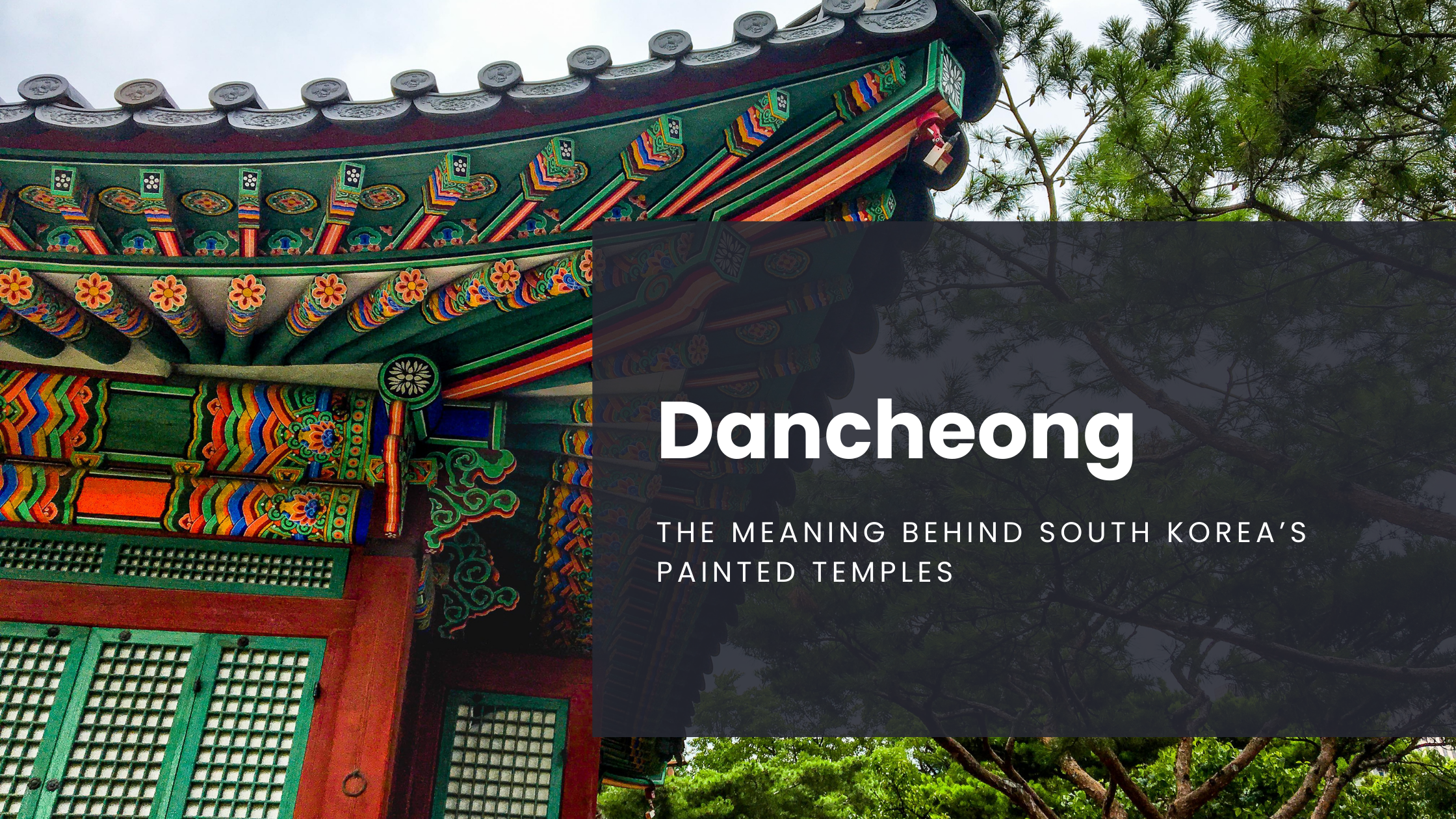
Dancheong: The meaning behind South Korea's beautifully painted temples
Ever wonder why South Korea's temples are all the same colors, regardless of design and location? The answer lies within a single word: Dancheong. Here's the story of what it all means.
Ah, South Korea.
A land that seeks to balance urbanization with rich cultural traditions. A place where one can simultaneously feel overstimulated and completely at peace.
At times it felt as though I was embedded into one giant oxymoron, or maybe it’s just the one place in the world that had it “all figured out.”
Both are extreme exaggerations, but the country completely captivated me during my time there (the seemingly endless supply of dumplings and kimchee sure didn’t hurt, either).
In general, I tend to notice the subtle things when I’m in a new place and South Korea was no different. It’s these microscopic findings that keep me up at night, trying to critically think my way toward a novice interpretation of my surroundings.
As I wandered around the palaces of Seoul, I couldn’t quite pinpoint why all of the buildings were decorated with the same vibrant hues of red, blue, and green, but it gnawed away at my mind to the point of feeling compelled to write this post and share it all with you.
Yes, ok, it’s only natural to assume that there is some religious meaning tied to Buddhism, and, generically, that’s not wrong, but I’m talking more specifics.
Why are the brush strokes the way they are? Why are the colors so limited? Why so bright?
The answer lies in one word: Dancheong
THE HISTORY
Dancheong is the symbolism behind all of South Korea’s beautifully painted temples, referring to the uniform five-colored designs. The word can be translated directly as “red and green” and dates back to prehistoric times when the concept was found to be adorning the walls of tombs from the Three Kingdoms of Korea era (57 BC - 668 AD).
As time went on, dancheong spread from places of eternal rest to buildings of prominence. Not only did the vibrant design convey the importance and status of the residents, but it also served as a meaningful way to preserve and protect the wooden structure from the weather.
To this day, dancheong is limited to temples and palaces and in some cases, musical instruments.
Looking for more reading about South Korea?
THE COLORS AND SYMBOLS
All dancheong designs use the same five colors, each relating to the 5 elements theory in their own way:
blue: east, dragon, spring, and wood
red: south, birds, summer, and fire
white: west, tiger, fall, gold
black: north, hyeonmu (an imaginary animal that is part turtle and part snake), winter, and water
yellow: center, periods of time between seasons, and Earth
Together, it is believed that these colors epitomize the Korean desire for stability and peace in the present life, while working towards a rewarding afterlife.
Creating the masterpiece is just as much a work of art as the finished product itself.
Artisans must operate in unison to devise these complex and intricate designs, all while utilizing various symbols and patterns.
As one might imagine, highly specialized painters are required and each artist working on the project is responsible for one single color throughout the entire process.
Common symbols found throughout a dancheong design include:
3 circles: typically outside of large buildings and located up towards the roof, these represent heaven, earth, and the moon
Fish symbol: when located on the main Buddha table, this represents the effort and determination necessary for attaining eternal enlightenment
Swastika: Ancient buddhist symbol of peace, harmony, and good luck
Lotuses: Represents ignorance when rising from mud and enlightenment when ascending towards a clear sky

Location can also determine the color used. For example, exterior walls and pillars of buildings that receive sunlight are traditionally painted red
THE TYPES
The art of dancheong can be dissected into four main types, often identified based on location or patterns used.
Morucho: This is a pattern used on both ends of supporting beams, incorporating simple symbols such as a water lily, pomegranate, bubble, feather, or a green flower
Byeoljihwa: Traditional storytelling that is present between two morucho and consists of holy animals (such as dragons, lions, horses, or cranes) along with sagunja (specual plants such as plums, orchids, or bamboo) and scenes of the buddha sutra
Bidan munui: This pattern is full of diverse colors used to create geometric shapes
Dangdong munui: Used to describe when a single flower, animal, gemoetric shape, or pattern appears in one section
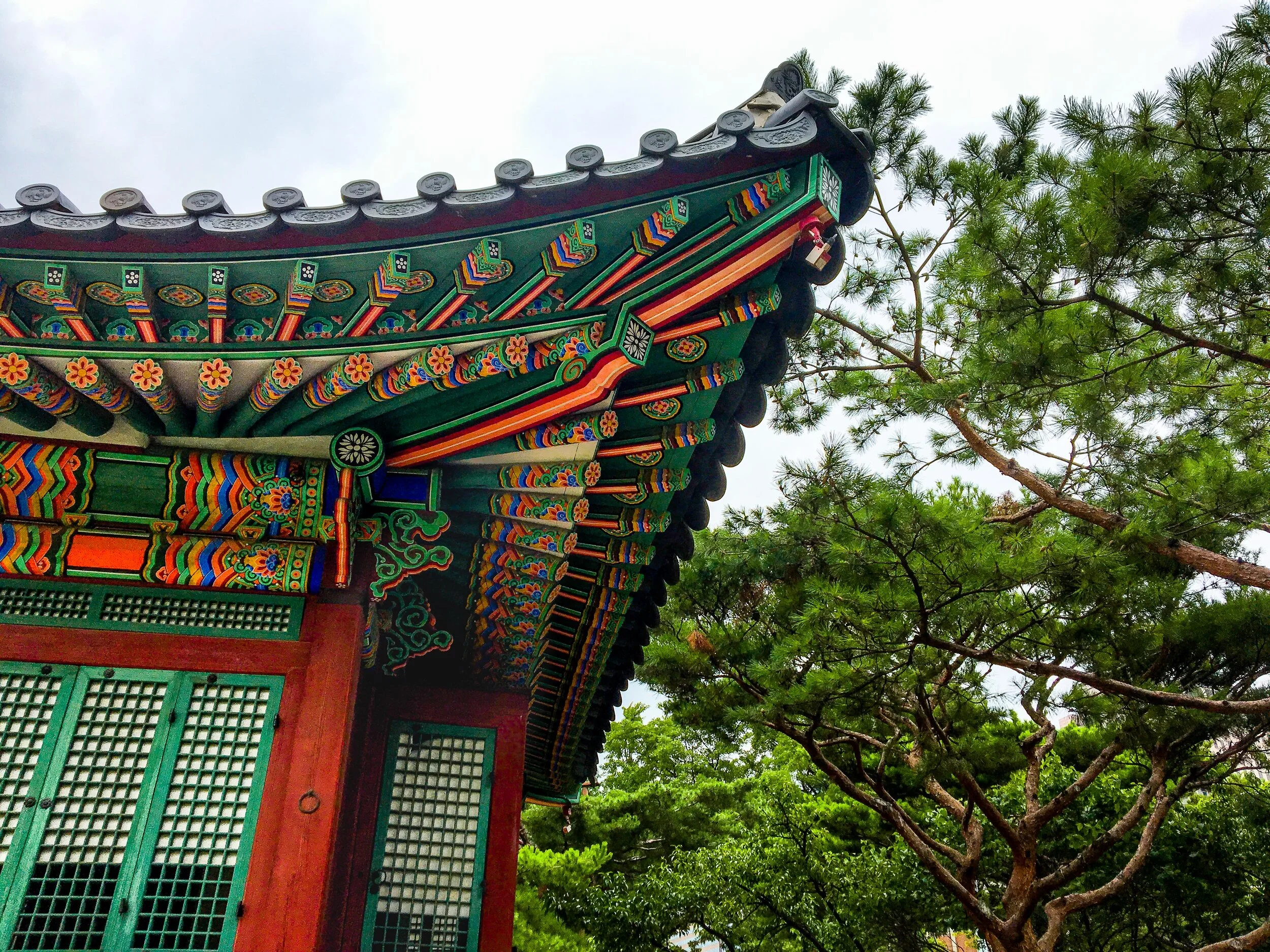
An example of morucho dancheong - a single flower is painted on the end of each beam
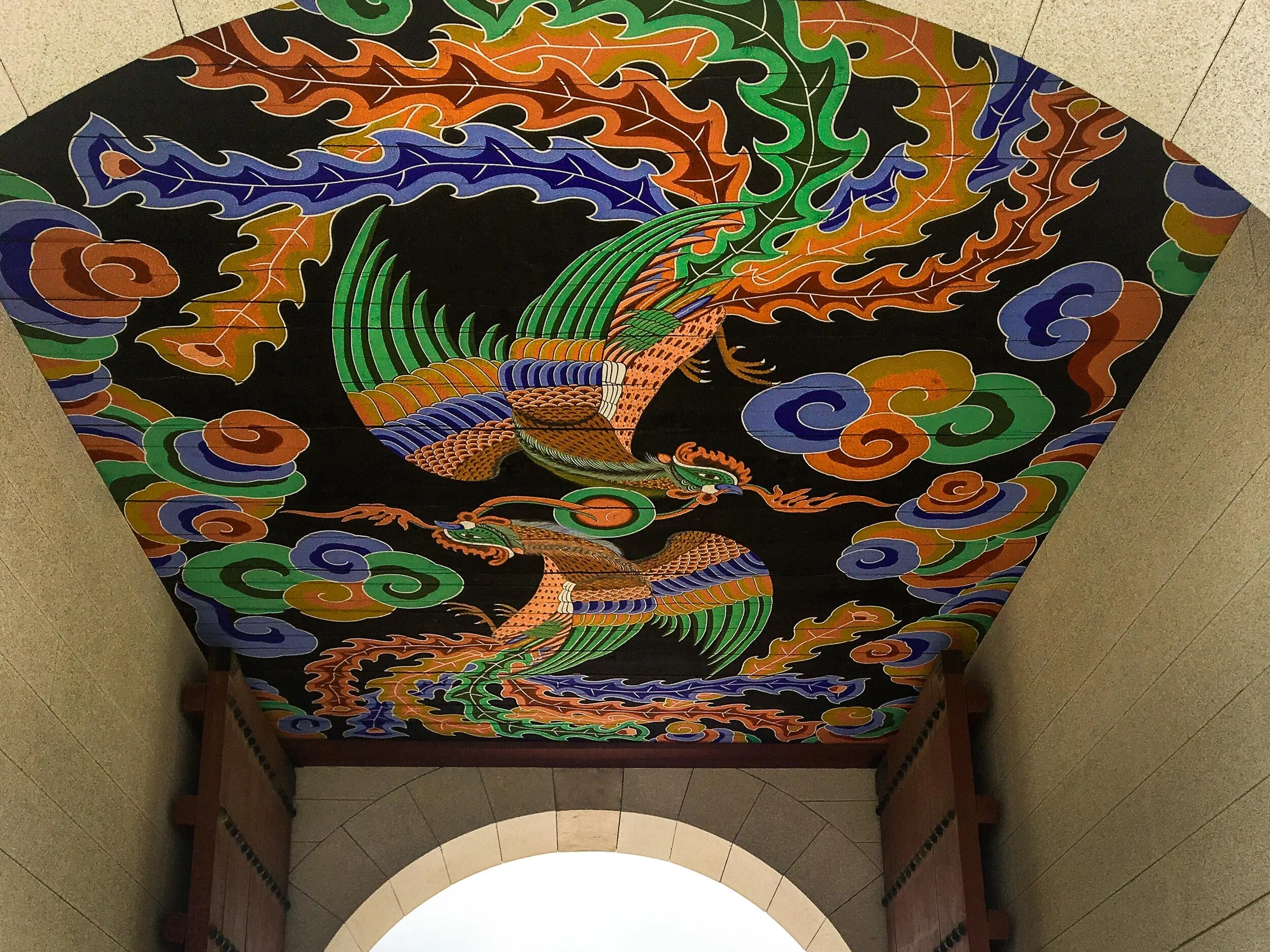
An example of byeoljihwa dancheong
So, there you have it. A brief story behind South Korea’s majestic and eye-catching temples, yet a much deeper understanding of ancient Korean values and beliefs. Next time you find yourself in new surroundings, or even in a place that you visit often but don’t know much about, be sure to take a step back and simply wonder. You never know what new meaning you might discover!
Thanks for stopping by and as always, stay safe & happy travels!
Sharing is caring… pin this post!


Chasing Choclon Waterfall: Discovering paradise in the Panamanian jungle
As I combed through the research prior to our trip to Panama, I came across a picture of a swimming hole that blew me away. The moment I saw it, I knew we needed to experience it. There was only one problem: nothing I read would tell us where it was located…
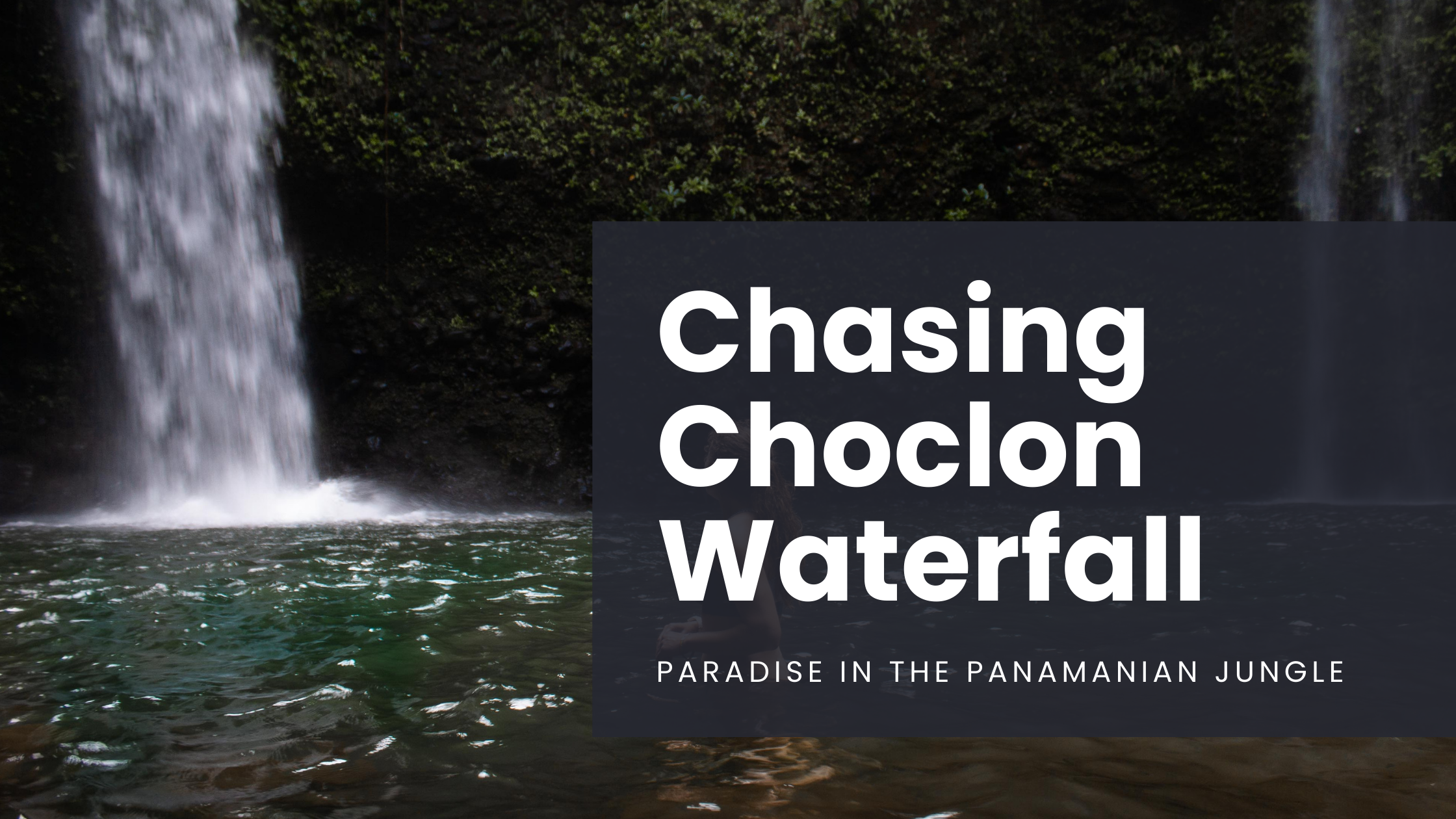
Let me clarify one thing right from the beginning: we weren’t actually in the middle of nowhere. That’s simply how it felt, and to be honest, that’s just the way we like it!
As I combed through the research before our trip to Panama, I came across a picture of a swimming hole that blew me away. The moment I saw it, I knew we needed to experience it (click here to see the original post I found).
There was only one problem: nothing I read would tell us the location, let alone how to navigate the hike.
I stumbled deep into the black hole of the internet, searching for any clues that might point us in the right direction. The only objective I accomplished that day was leaving a solid imprint of my butt on the couch cushion. Disappointing, to say the least.
That might be enough to call it quits for some, but it only fueled the fire within. The longer I went without finding what I was looking for, the more determined I became. We were going to find a way to Cascada Choclón. There was no doubt in my mind.
All of the sudden a beam of sunlight shot into the living room. No, it wasn’t actually that dramatic, but shortly after opening the window blinds I came across our first solid lead.
It’s possible that “solid” is a gross overstatement. The website merely provided the GPS coordinates for the trailhead. It wasn’t much to go on, but that was enough to get the ball rolling!
Discover more of Panama. Don’t miss these posts:
I continued scouring every piece of information that I could find. When I took a closer look at satellite imaging, there was a portion where the jungle appeared to part along the river, providing a much-needed hint to where the falls may be.
Now that I had a starting point and a general direction, it seemed like this may pan out. Fast forward to arriving in Panama: it was time for the adventure!
As soon as we turned off the main road in Boquete, we quickly became grateful that we opted for the SUV rental. The pavement disappeared, our cell service wasn’t far behind.
The farther we drove, the slower we went, carefully maneuvering over every bump, boulder, and hole in the road. As the minutes ticked by, so did our confidence even though neither of us would ever vocalize it.
After what felt like hours, we had reached the starting point.
The car came to a halt and a cloud of dust from our tires quickly engulfed our field of vision. Once it cleared, we realized how “off the beaten track” we were. The sounds of the jungle beckoned beyond the open field that lay ahead. One last look at our maps and we were off.
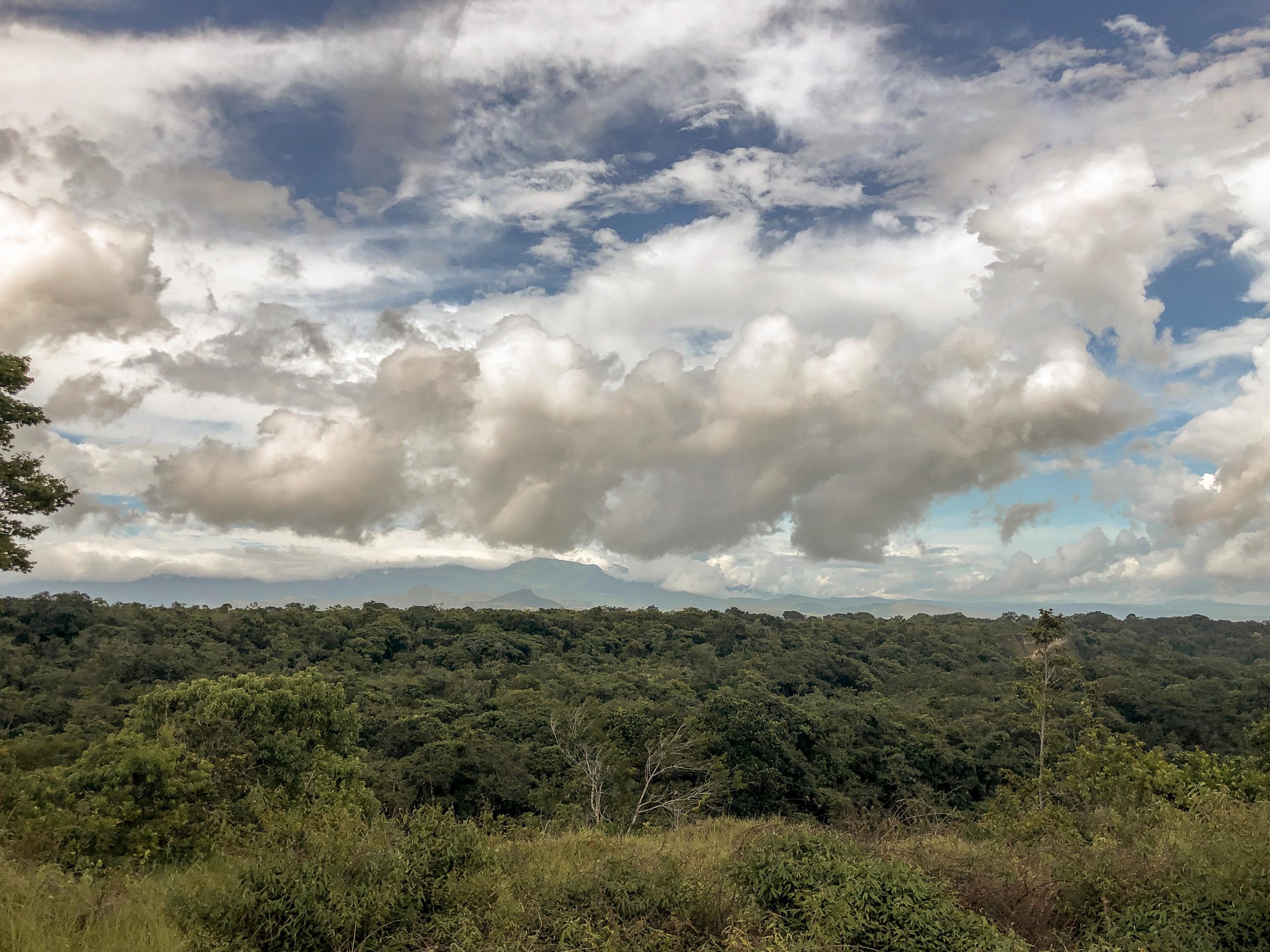
The hike started by traversing through an open meadow as the sun beat down our backs, the humidity making it impossible for any relief. Upon reaching the first junction, we referred to our makeshift maps and descended to the forest floor, following the sounds of the river below.
As we trekked deeper into the brush, the canopy quickly began to rise straight towards the sky, providing a much-needed relief from the heat. Our compass instructed us to go left around a closed gate, but our ears directed us to the right, towards the sound of the rushing water. We stood there confused, unsure of what to do.
At this point the sun forced us to perspire off our umpteen layers of sunscreen and bug spray, leaving us susceptible to the mosquitoes that began swarming around. We were in no position to have a lengthy debate. Lacking confidence in either direction, we climbed back out to the trailhead.
Maybe we had incorrectly interpreted our map. Maybe if we walked another direction we would discover a different, easier way to reach the river.
It seemed like a good idea at the time but, as it turned out, we were wrong. Very wrong.
As we continued down the gravel road the intensity of the sun drained all of our energy. I could feel my body temperature rising, but I was too exhausted to do anything about it. Each step we took was met with an unsuccessful prayer for cloud cover.
Ten minutes and a new sunburn later, we had reached another dead end.
This was the point that every ounce of my being was telling me to pack up and call it a day. Our motivation was waning, the heat was relentless, and we were out of ideas as we slowly retreated back to the car. I remember Heather cracking jokes along the way, trying to make light of the situation and keep my morale in tact.
A second look at the scattered research revealed a small access path farther down the dirt road. Maybe that was what we were looking for, so we decided to keep driving north.
No luck.
I could tell that Heather wasn’t too sure about continuing and, to be honest, even after regrouping in the air-conditioned car, I wasn’t either. As a rainstorm moved through, we took the time to reevaluate what we were doing.
We felt assured and frustrated at the same time. Confident that we were in the general vicinity. Annoyed that no matter how we approached it, we couldn’t find what we were searching for.
The road back to the original trailhead provided some much-needed perspective as we passed run-down homes with missing walls and children playing in the rain. I couldn’t help but think of the number of tourists that travel through Panama each year and yet had no idea that this part of the country existed. Although we concluded that we would give our adventure one more try, I decided that after the experience we had up to that point, I would be content no matter what. After all, it was Dan Eldon that once said, “The journey is the destination.”
Once we descended back into the jungle, reached the gate, and shuffled our way around it, we were back on track and heading in the right direction.
We quickly descended farther into the forest floor, hugging a makeshift PVC pipe railing along a ridge and using the vines as support as we worked our way down into the canyon. The path was completely overgrown with thick brush rising far above our heads. Thrusting the branches aside, we did our best to stick to the trail quickly narrowed with each step.
The ecosystem of any jungle is the most diverse in the world, often-times leading to regular discoveries of new plants and animals. Panama alone is home to over 1,500 kinds of trees and five species of cats, including jaguars, ocelots, and pumas. It feels eerie yet humbling to be amongst it; a place where the silence is deafening and only broken by an occasional howler monkey crying out in the distance or a bird rummaging amongst the fallen leaves for food.
We silently trekked along the forest floor, remaining vigilant of our surroundings.
The moment we began to feel comfortable, a loud crash echoed through the forest and left us frozen in our tracks. We exchanged nervous glances, trying to control our breathing and telepathically communicate what to do next.
Tip-toeing forward as quietly as possible, we did our best to avoid the branches that covered our path. Needless to say it was a humbling reminder that regardless of how isolated we felt, we weren’t alone.
Finally, the thick brush parted and the bank of the river appeared, reinvigorating the idea that we could find these waterfalls.

We searched up and down the river for a way to cross, but it quickly became clear that it wouldn’t be as simple as jumping between rocks. We would have to carefully select the path of least resistance.
Although our faces may have expressed doubt, we were so close that we could feel it. There was no turning back.
The path continued to disappear before our eyes, winding its way through the overgrown brush before depositing us back onto the rocks and leaving us with newly acquired scrapes up and down our legs.
We continued moving northwest, systematically evaluating every step we took as our feet slipped off the rocks. The energy in the forest changed from nervousness to excitement as we inched closer. We were nearly there.
Just beyond the final bend of the river, the waterfalls were waiting to greet us. It was even more majestic than I had seen in the pictures.
We were left speechless as we peered towards an amphitheater of hanging vines and cascading waterfalls.
The beautiful blue waters of the pool were irresistible. We couldn’t help but jump in and soak up the moment. A rush of emotions engulfed us, leaving nothing but a sense of relief, gratefulness, peace. We had uncovered paradise in the Panamanian jungle. More importantly, we never gave up.

The forest floor quickly grew dark as the sun began to drop below the horizon, signaling that it was time to pack up and move out.
Back on the trail we went, accompanied by the beautiful silence, this time with no unexpected noises.
We made it to the car unscathed, feeling sunburnt and dehydrated yet eternally grateful for all that had happened that day. After all, we had found our own slice of Panama that, at that moment, felt truly untouched.
As I reflect on the adventure we had, I can’t help but think of one of my favorite quotes from the late Anthony Bourdain: “The journey is part of the experience - an expression of the seriousness of one’s intent. One doesn’t take the A train to Mecca.”
What have been some of your greatest journeys? Feel free to share in the comments below.
Thanks for reading and as always, stay safe & happy travels.
Enjoy what you read? Pin this post!



How I Caught The Travel Bug: and 3 reasons why I can't let it go
I vividly remember standing there on the shores of Hopfen, Germany. It was the summer between my junior and senior years of high school and I was captivated by my first taste of international exploration. I didn’t know it at the time - I don’t think I quite knew how to process it all - but that was my first experience with the travel bug…
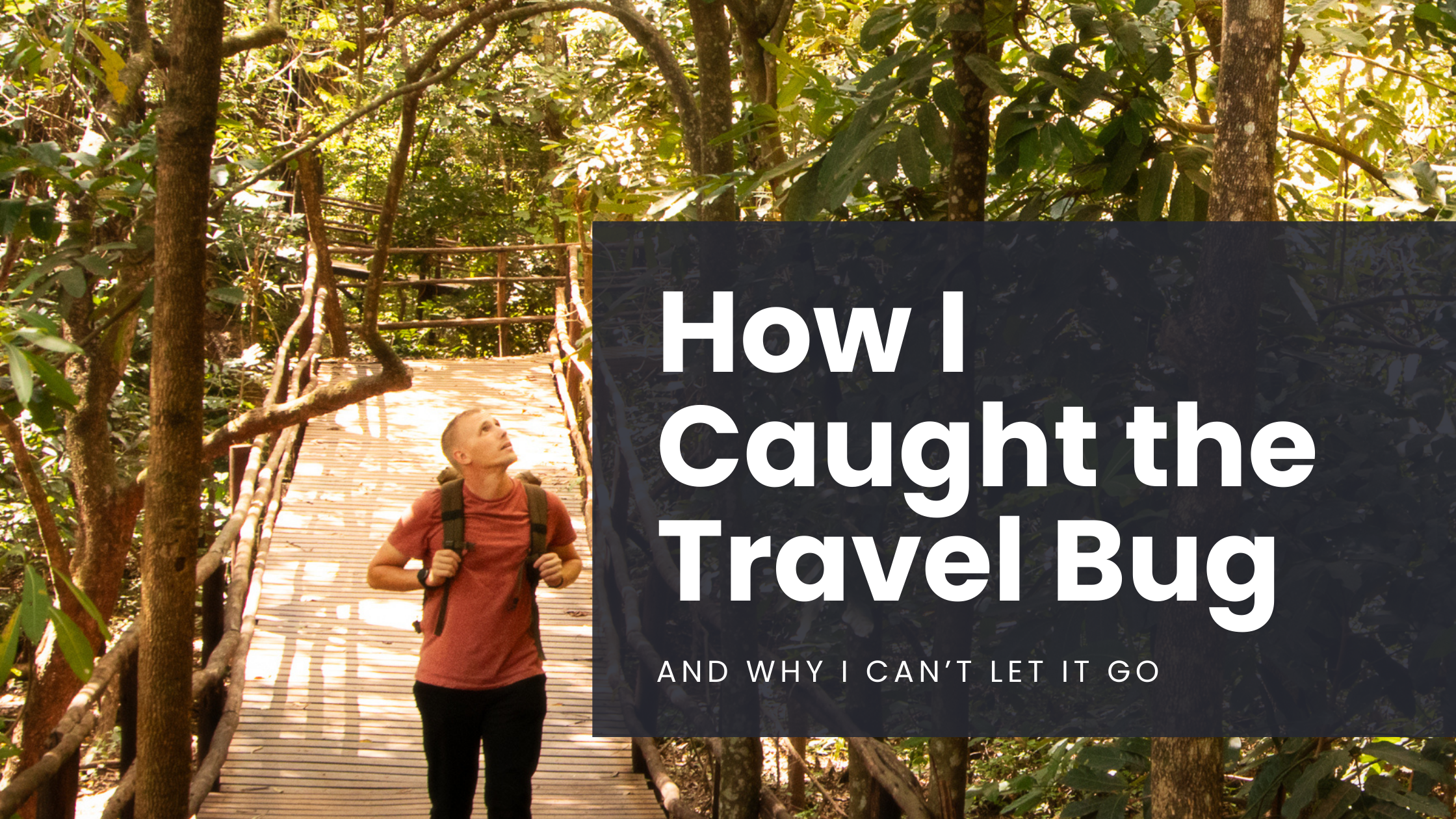
I vividly remember standing there on the shores of Hopfen, Germany. It was the summer before my senior year of high school and I was captivated by my first taste of international exploration. Although I was there to play soccer, what I remember most are the cows grazing the fields behind our apartments, the majestic Alps rising high above the blue water of the lake, and the quaint town with its endless schnitzel. I didn’t know it at the time - I don’t think I quite knew how to process it all - but that was my first experience with the travel bug.

I should have guessed that something had shifted. Things that were once important to me stopped taking up space in my brain. Whenever my mind would drift, it would take me straight back to that scene, standing there on the shores of the lake. Suddenly the excitement, awe, and desire to see more would keep me at the edge of my seat, working my way through Google Earth, scanning it all to find the next great adventure.
Fast forward to 2009, I was a freshman at Ithaca College. At that point in my life, I had shifted back to a more rigid mindset. Work hard, get good grades, and be successful. I had no intention of studying abroad, but then everything changed.
As I walked down a narrow corridor towards the sub shop on campus, I passed a poster for Semester at Sea. I was 5ft. from where I was going and this small 8x11 piece of paper stopped me in my tracks. I took it off of the bulletin board, sat down on a nearby staircase, and started to read and re-read every single detail. I was completely and utterly entranced as the world passed me by.
The idea of an opportunity like this had utterly captivated me. Once again, everything else I had on my plate was brushed to the side so I could focus on the important thing: doing anything possible to make a semester abroad happen. I spent the entire summer working two jobs, saving as much as possible to go out and see the world.

Have you ever had an experience that's so comfortable that it’s odd? That’s what Semester at Sea was.
I’ve never been good at social situations. It gives me anxiety to even think about it; I overanalyze, overthink, and can never come up with something to contribute unless I’m addressed directly. Even then I fumble over the words.
Why did 19-year old me think it was a good idea to put myself in the middle of the unknown, surrounded by people I’ve never met? Still, to this day, I don’t know have an answer to that question. With that being said, I’m incredibly glad that I forced myself into it.
Suddenly it was the day of embarkation and as we watched Halifax silently disappear on the horizon of the Atlantic Ocean, I still had no idea what I was doing. The next 110 days were a whirlwind, but I walked away with some of the closest friends I’ll ever have, all because one thing brought us together: travel.
That’s a bond of the purest form and one that can never be broken. We’ve all gone our separate ways and haven’t traveled together since, but whenever we catch up we always reminisce about the stories that we created together, all without missing a beat.

After returning to Ithaca for the rest of my sophomore year, I started to understand that the travel bug wasn’t just a phenomenon that people mentioned in passing. It was real. This time it wasn’t going to loosen its grip and to be fair, I didn’t want to let it.
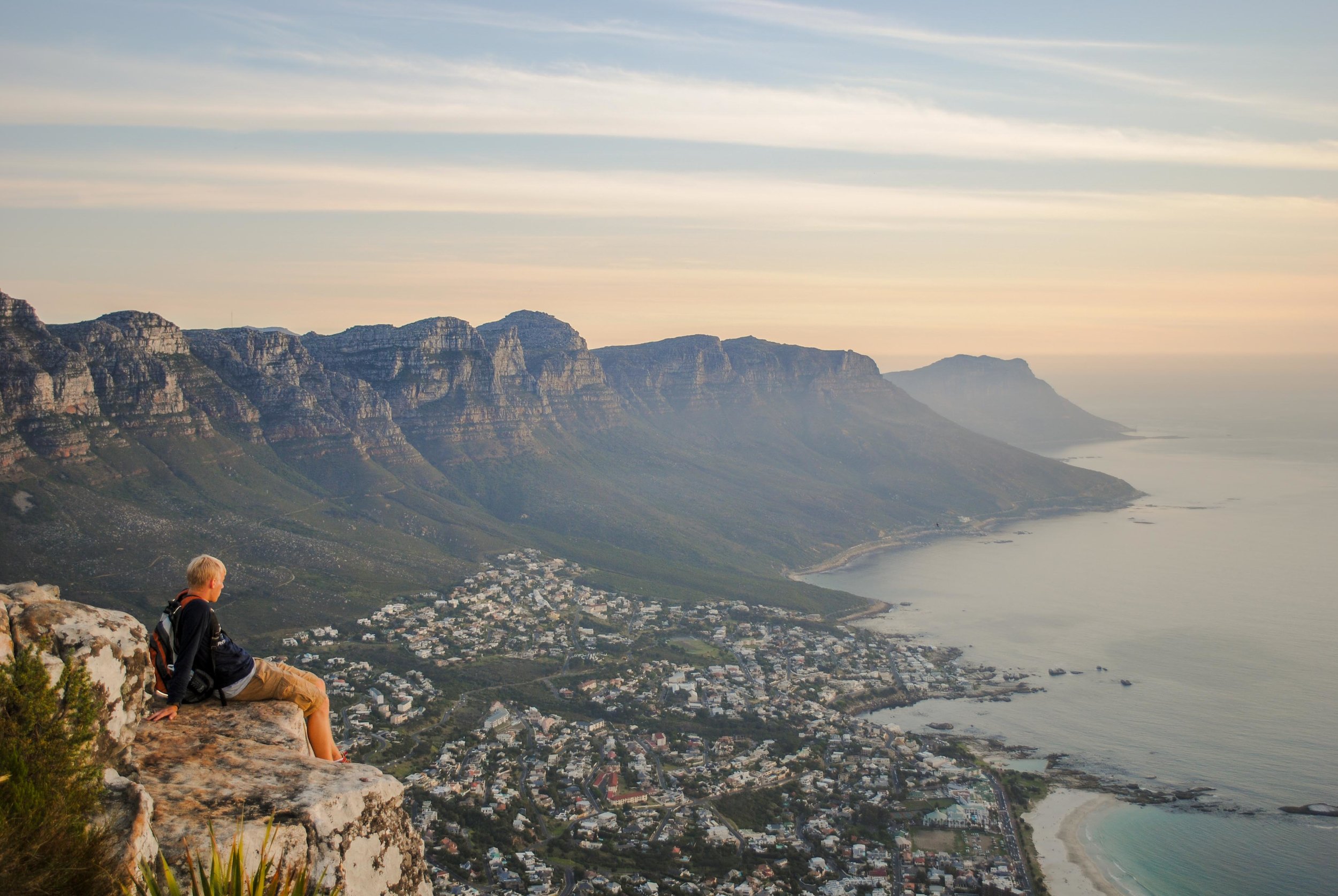
I’m not sure what the tipping point was, exactly. Maybe it was the sleeper bus in China that dropped us on the side of the highway at 2 am, or climbing Lionshead Peak in South Africa as the sun set over the ocean. It could have been the time in Ghana when our van broke down on a dirt road right in front of the only house in sight and we ended up playing with the family for what felt like hours, far longer than was needed to fix our transportation. Whatever it was, I’m grateful that it happened.
From that point on I’ve always known that deep down traveling was more than simply buying a plane ticket and snapping some pictures; I had fallen in love with it. The aerial views from a window seat, the taxi rides in the wrong direction, the regular doses of PeptoBismol; all of it.

Don’t get me wrong, I go through the rollercoaster of thinking along the lines of what some might term logical: Get a job, find a stable career, live comfortably, and be happy.
If you’re reading this and think that I need to control my desire to perpetually wander the world, you wouldn’t be the first person to tell me that and I’d be willing to bet that you won’t be the last.
To my credit, I’ve tried. The last four years have taken me around the globe to some amazing places for work, but what many don’t realize is that traveling for work and truly traveling are two very different things. It was too comfortable. I couldn’t do it anymore.
So here I sit, writing this blog and hoping that it puts me out of my comfort zone all the while maybe, just maybe, inspiring you to do the same. After all, what better way to expand your borders than by living beyond their walls?
At the end of the day, it’s simple: I can’t stop traveling, I won’t stop exploring, and here’s why:
THE CHALLENGE
Dropping myself into a country where I don’t know anyone, a place where I don’t speak a lick of the language or have the slightest idea of how to navigate the city. That’s my greatest joy.
I’m not going to lie to you: it’s difficult. Even scary at times. There are days that I don’t want to leave whatever apartment I’m temporarily calling home, because those 4 walls are the only protection I have from the unknown.
When I overcome the fear, the concept of comfort expands beyond those same walls and suddenly I’ve overcome the challenges I once faced; I’ve learned a different way of life.
THE DRAMA
There’s a reason why so many of us are addicted to reality television: the drama. But what if there was a way to experience it first hand instead of sitting on the couch?
I’m not talking about the “he said – she said” BS.
I’m talking about running through the airport as the gate to your next flight is closing and you hear your name paged throughout the terminal. Your heart starts to beat faster as you feel the endorphins releasing, your forehead starts to perspire and then you realize that it’s out of your hands. What’s the universe going to throw at you next? How are you going to deal with it?
If this sounds stressful to you, that’s because it is! It’s in those situations that you grow. You learn to cope with wherever you are, whoever you are with, and whatever is happening. A valuable skill to have in life, indeed.
When I think about drama, I can’t help but remember the time that I was sitting on a train in Morocco when it suddenly broke down. Not knowing any of the local dialect, my friends and I struggled to communicate with the woman that shared our compartment. As the train delay dragged on, the closer all of us became, eventually laughing the rest of the way to Marrakesh. A dramatic situation successfully turned into a lifelong memory!

THE PURE JOY
Yes, traveling makes you happy. That’s a well-documented fact. I’m not necessarily referring to the personal joy it brings (although it does bring plenty), but rather the joy you get to witness in every place you go.
When someone you’ve only just met on the street invites you into their home, encourages you to sit in their chair while they make themselves comfortable on the ground, and fills your stomach with a seemingly endless supply of food (all the while never asking for as much as a cent in return), it touches you. Witnessing the magnitude of joy and generosity they exude is contagious and you walk away a better person because of it.
So, let me sum it all up for you. My name is Chris and I have the best problem in the world: I love to travel.

What are some of your most memorable travel experiences? Let me know in the comments below and thanks for following along!
As always, stay safe & happy travels.




After three years living in Ghana, these are ten of the most unforgettable travel experiences across Africa that changed how I see the world…