

6 Wintry Destinations to Add to Your Bucket List: It's time to go play in the snow!
Traveling doesn't have to stop just because winter is in full force! Check out these 7 destinations and start planning your next adventure!
Please note: This post has been updated as of December 2023
The temperature has dropped, the heavy jackets have been dusted off, and the snow is flying. Although winter has arrived, don’t let that fool you - the traveling doesn’t have to stop!
After galavanting around the globe with professional ski racers for the past four years, here are 6 wintry destinations that everyone should be adding to their bucket list.
Note to readers: This post is NOT sponsored. All opinions and experiences are my own.
1. LAKE LOUISE, CANADA
Canada’s Winter Wonderland
Tucked away deep within the Canadian Rockies, Lake Louise is best known for a lake named… Louise. One can appreciate the straightforwardness, but it’s important to look beyond the obvious attraction — this small town is much more than the turquoise waters that pour into the valley from the distant Victoria Glacier!
Once the snow starts falling, Lake Louise turns into a wintry wonderland of sorts, albeit a frigid one.
Sip on a cup of hot chocolate as you wander the grounds of the Fairmont Chateau, rent a pair of skates and dance across a frozen lake, or pack your skis and head over to the Lake Louise ski resort for some stunning views of the surrounding mountains.
Looking for a slightly larger area? A short 40-minute drive to the southeast lies Banff, a town widely known for Mt. Rundle and Mt. Cascade towering high above the cityscape.
It’s not hard to spend an afternoon perusing the picturesque main street, visiting the various boutiques and restaurants as you go.
Stay:
Fairmont Chateau - This is the priciest option in the area, but also the most luxurious. Dating back to 1890, the 539-room hotel sits directly on the shores of Lake Louise and offers visitors diverse and expansive services, including a spa, gym, free-wifi, horse drawn carriages through the snow, tea time, and more.
Mountaineer Lodge - Significantly cheaper and still conveniently located, the Mountaineer Lodge is a great value-stay. Free wi-fi and breakfast available.
Play:
Lake Louise Ski Resort - Voted the #1 resort in Canada in 2019 and just a short drive from the town center, Lake Louise Ski Area is full of terrain for all ages and levels.
Feeling adventurous? Ride the Glacier Express to the top and make some turns along downhill track, the same run that the world’s best alpine ski racers compete on each year!
Ice Skating on Lake Louise - Glide along the frozen waters or play a pick-up game of ice hockey. Either way, the surrounding white peaks of the Canadian Rockies will create the perfect winter scene. Skate rentals start at $20 for two hours (and a hockey stick will cost $5 extra).
Getting There:
Calgary is the closest airport and only a 2hr. drive away from Lake Louise. Car rentals are widely available, but shuttles also run regularly and can often be arranged through your accommodations.

Lake Louise, Canada
2. KITTILA, FINLAND
Wintry Lapland Wilderness
Kittilä’s location, 110 miles north of the Arctic Circle, means that darkness dominates the winter, so why would anyone want to visit?
Aside from the Levi Ski Resort, which is the largest in all of Finland, and the Lapland wilderness being largely synonymous with Santa’s headquarters, the area also averages around 200 sightings of the Aurora Borealis each year.
It’s certainly not a place to visit if you’re in search of a sunny après after a long day on the slopes, but the tiny town of Kittilä is chock full of experiences and adventure!
The skiing is great, the people are friendly, and the food is delicious, but the real show happens when darkness descends and the Northern Lights illuminate the sky.
The isolation means that it’s not hard to leave the town’s ambient lighting behind and find your slice of winter paradise as you gaze up towards the sky in awe of the Aurora Borealis dancing across the horizon. It’s truly a magical moment and one that I genuinely hope everyone gets to experience in their lifetime.
The best part? It’s easy to do for free. No tours, no fees and, most importantly, no hassle. Simply rent a car and drive out of town!
Need a break from the cold? Head to the cluster of hotels and restaurants that make up the heart of Kittilä and sample a glass of Finnish lakka, an alcoholic drink made from locally sourced cloudberry, or warm up in a sauna, a staple of the country’s culture.
Stay:
Hotel Levi Panorama - For the best views of the surrounding landscapes, book a room at this mountainside hotel. As always, the ski in/ski out access comes at a cost but if it’s in your budget, then why not go for it!
Hullu Poro Levi - Located a stone’s throw away from the town center and complete with a sauna, gym, and multiple restaurants, Hullu Poro offers comfortable accommodations at a fraction of the price.
Play:
Chase the Northern Lights - Rent a car from the Kittilä airport, track the forecast, and go hunt this spectacle on your own! It will be an adventure that you’ll remember for the rest of your life and you may even get lucky enough to bump into a herd of reindeer along the side of the road!
Ski Levi - You don’t have to travel far from the airport to reach the resort (15min, to be exact) and once there, don’t be shocked to have the slopes all to yourself as you ski in and out of the Lapland forrest!
Getting There:
Driving from Helsinki will take 11+ hours, so it’s best to fly into Kittilä. Regularly scheduled shuttle buses are widely available to transport visitors the short distance town.

3. INNSBRUCK, AUSTRIA
Tyrol’s Capital City
I’ve had the privilege of visiting Innsbruck on multiple occasions, but my fondest memory is exploring this Austrian city during Christmas.
There’s just something so majestic about sipping on a glass of mulled wine under the evening glow of the snowcapped peaks.
This is also the perfect winter destination if you’re not excited by the thought of endless amounts of snow sports.
Instead, shop along the famed Maria Theresien Strasse, climb to the top of the Innsbruck City Tower for panoramic views, or get your wintry fix by riding to the top of the Nordkette, commonly known as the “Jewel of the Alps,” and sip on a cappuccino as you soak up the sunshine high above the city.
During the holiday season, the old town transforms into an inviting Christmas Market, complete with evening brass instrument performances of classic carols from the surrounding rooftops. It’s an experience you won’t want to miss!
For a list of things to do in Innsbruck, check out this post:
Stay:
Best Western Plus Goldener Adler - If you’re set on staying in the old town, this Best Western Plus is as central as it gets and is located in one of the oldest buildings in all of Innsbruck.
Barenwirth Hotel - For a more relaxing and peaceful experience, be sure to check out the Barenwirth Hotel which is located in the nearby village of Patsch. The area is full of walking paths amongst the surrounding peaks and regularly scheduled buses make it easy to reach the city center.
Play:
Explore the Bergisel Ski Jump - Situated high above the city as a reminder of their olympic hosting days (1964 and 1976), the Bergisel Ski Jump is still in use for competitions today. Visitors can ride to the top, look down, and imagine what it might be like to jump towards the city below. Quite a unique perspective!
Ride the Hungerburg Funicular - Departing straight from the city center, the funicular takes riders to a viewing platform above the city and, if looking for more altitude, is the first mode of transportation on the way up to the Hafelekar Peak.
Getting There:
Fly into Innsbruck’s Kranebitten Airport or arrive via train. If you have a short stopover here, luggage storage is available at most major transportation hubs and is a convenient way to drop your bags and explore the city.

Innsbruck, Austria
4. BETHEL, MAINE (U.S.A.)
Quaint New England Town
Settled in 1774, this charming New England town is often overshadowed by the likes of Killington and Stowe over in Vermont, but it serves as a great place for a winter getaway!
At first glance, it may seem like a sleepy village, but dig a little deeper and I guarantee you’ll find much more.
The town itself is located a mere 10 minutes from the Sunday River ski resort where visitors can enjoy some of the Main’s best terrain. The area also offers a plethora of other activities including dog sledding, tubing, nordic skiing, snowmobiling, and more!
After a long day on the slopes, be sure to stop by Sunday River Brewing on the way down from the mountain and sample a flight of their locally made beers.
Stay:
Bethel Inn - Opening its doors in 1913, visitors can certainly feel the history that radiates all around this building. Complete with snowshoeing trails in the winter, it’s conveniently located a stone’s throw away from the town’s main road, Broad Street. Be on the lookout for the elusive female spirit that is said to wander the hallways!
The Chapman Inn - I’m listing this hotel for all of the paranormal enthusiasts out there. The Chapman Inn consistently appears on a list of the most haunted hotels in Maine, many visitors reporting sightings of a female spirit and a black as well as hearing voices throughout the night.
Play:
Sunday River Ski Resort - With skiing, tubing, sledding, and more, Sunday River is home to a seemingly endless amount of winter activities for all ages!
Getting There:
Only a short drive from both Manchester, NH (2.5 hrs) and Boston, MA (3 hrs), it’s relatively simple to get in and out of this wintry destination, so there’s no reason to not check it out!
5. WENGEN, SWITZERLAND
The Best of the Swiss Alps
Wengen is the epitome of living in a snow globe if ever there was one. Accessible only by train and hiking trails, this Swiss Alpine Village is known for its car-less streets, chalets, and spectacular views of the surrounding Alps.
It’s certainly not the cheapest destination on this list, but you can bet that you’ll be treated to some incredible skiing, good food, and an all-around memorable winter experience.
Be sure to take a ride up to Europe’s highest train station, the Jungfraujoch, or plan your trip around the Wengen World Cup, arguably the greatest spectacle on the professional ski racing circuit. With a beer in hand, watch as skiers risk it all for a shot at glory in the shadows of the mighty Monach Peak.
Don’t forget about the parties back in town once the final racer has crossed the finish line!
Need a break from Wengen? Head back down the mountainside and explore the Lauterbrunnen and Grindelwald, two of Switzerland’s most picturesque villages.
Stay:
Hotel Regina - A four-star boutique experience, this quaint Victorian hotel is located near the train station and offers visitors all of the comforts that they could ever desire, including a spa, wine bar, and more. It’s worth the splurge!
Hotel Bernerhof - Need something a bit cheaper? The Hotel Bernerhof is likely the best bang for your buck.
Play:
Visit the Jungfraujoch - Take a walk through the ice palace, stand in awe at the Sphinx Observation Deck, or hit a golf ball off of Europe’s highest train station! Follow the link for everything you need to know.
Snow Fun Park - If skiing isn’t your thing, that’s ok! Head up to the Snow Fun Park for a tubing or sledding experience you won’t soon forget!
Getting There:
Arriving via train is the best way, but if traveling by car then park at the garage in Lauterbrunnen and hop on the rails from there.

Wengen, Switzerland
6. SAALFELDEN, AUSTRIA
Austria’s Epicenter of Winter Sports
Compared to other places in Austria and nearby Switzerland, Saalfelden may be considered by some as “off the beaten path,” but it’s certainly not a place you’ll want to overlook.
Located just an hour away from Salzburg, this area dates back to neolithic times and is an epicenter for winter sports.
Test your skills on the rodelbahn track as you race down the mountain using nothing but a wooden toboggan (helmet and goggles recommended, but not required), cross country ski along the walking paths turned trails or hit the alpine slopes.
Skiing is Austria’s most popular sport which means there will be plenty of options around, but I’d recommend Hinterreit for a more local experience.
No gondolas, no chairlifts, no lines. Simply a snow-covered farm with a couple of t-bars, cows in the stables, and an inviting family-friendly atmosphere.
Once sufficiently tired from a day of fun, be sure to head to the Bauernhof Brandstatthof Apartments at the top of the road for a well deserved afternoon schnitzel.
Stay:
Sport Chalet Maria Alm - Apartment accommodation with a full kitchen located in the neighboring town of Maria Alm. Complete with a sauna, gym and friendly staff.
Play:
Ski at Hinterreit - A family run area that’s friendly for all levels. You’ll find no gondolas or chairlifts here, only a great and casual skiing experience!
Rodel in neighboring Leogang - Buckle up for a wild ride… and maybe take a shot or two of schnapps to calm the inner voice that’s telling you to turn around and walk back down!
Getting There:
Salzburg is the closest airport, however Saalfelden is easily accessible via train from cities such as Innsbruck, Munich, and Zurich.
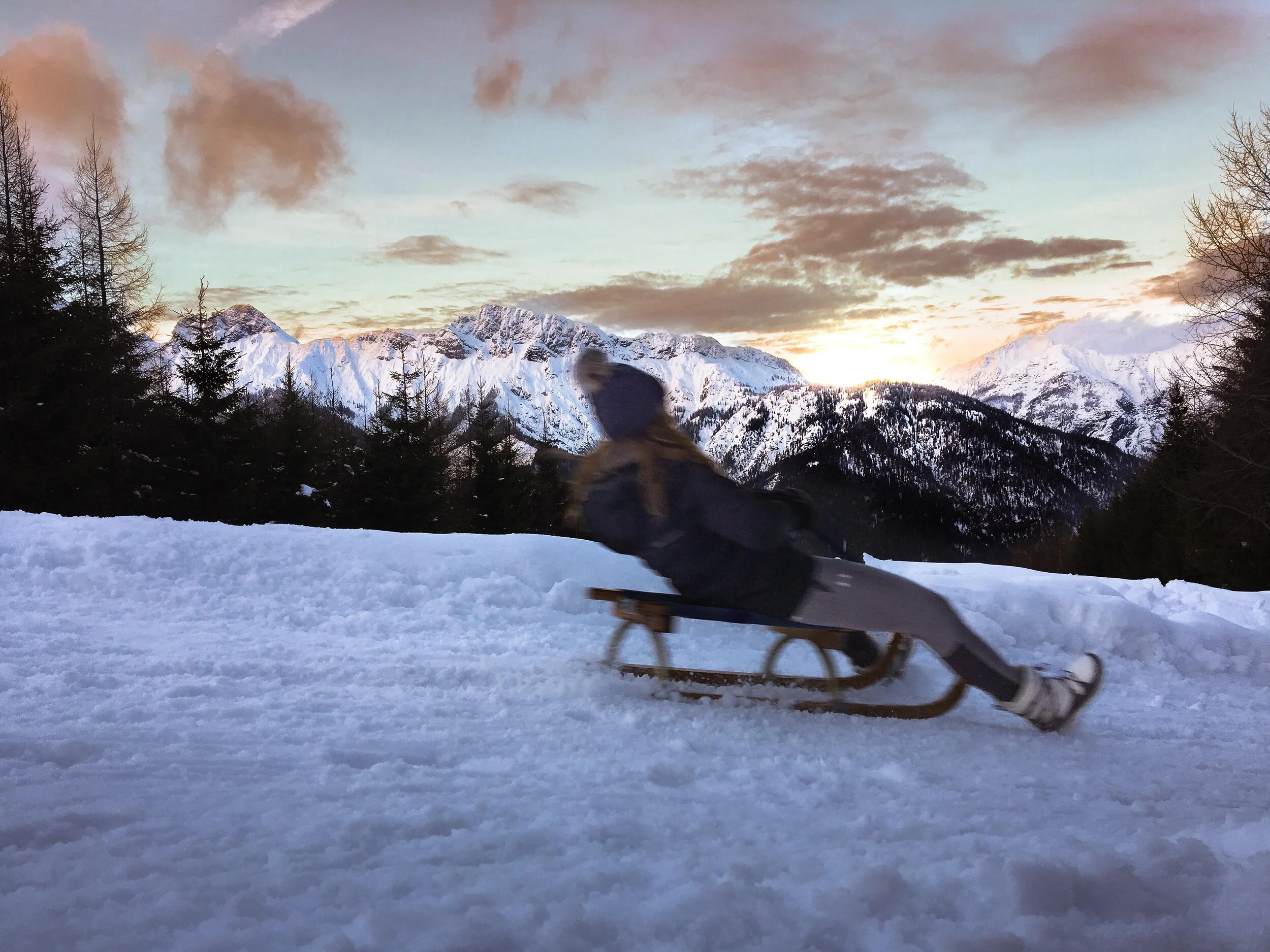
Rodeling in Saalfelden, Austria
Have you been to any of these destinations before? Do you have memorable winter trips of your own? Let me know in the comments below!
Until next time, stay safe & happy travels.
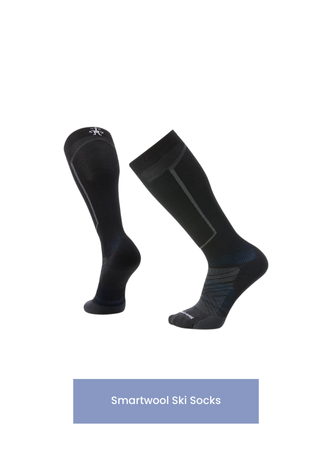
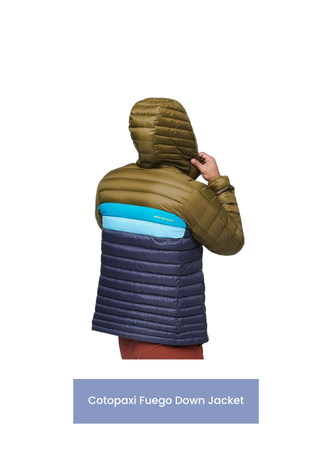
Here’s how I stay warm during my winter travels!



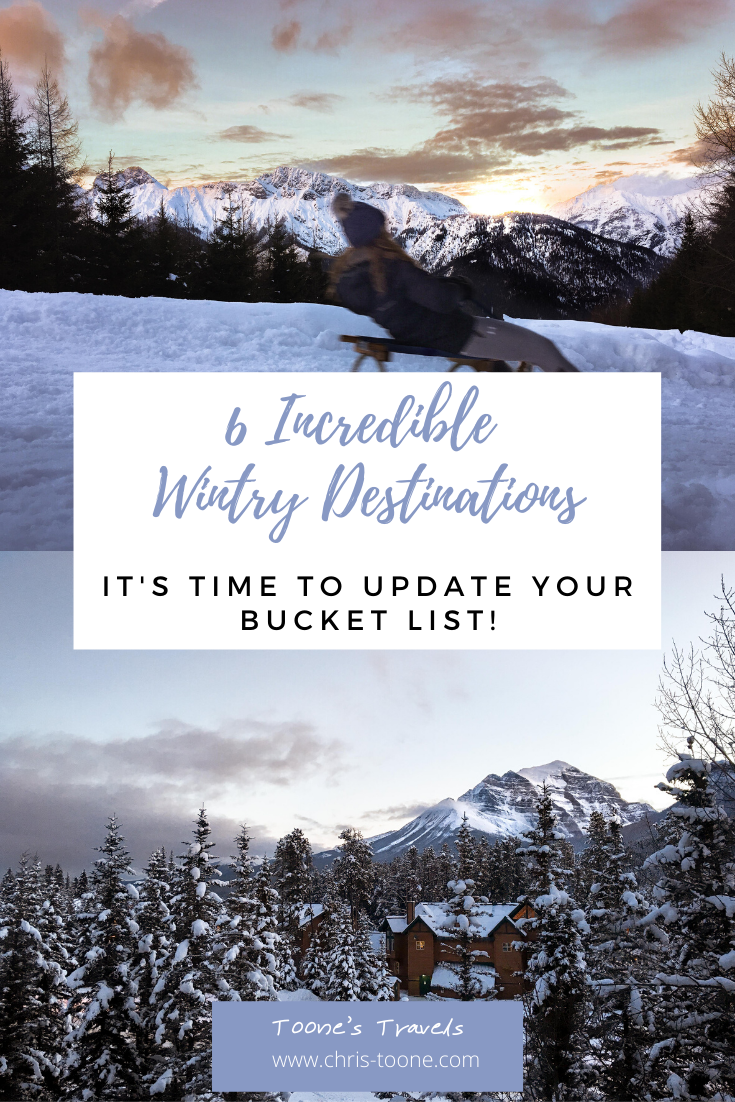
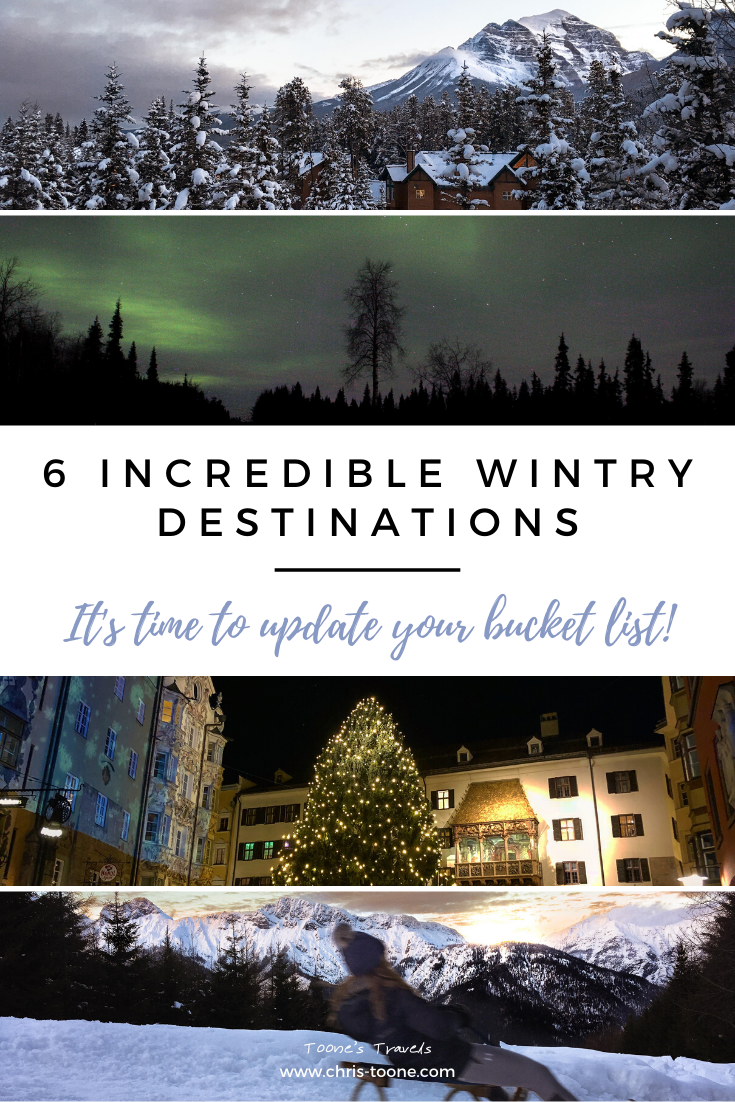
Sharing is caring… pin this post!





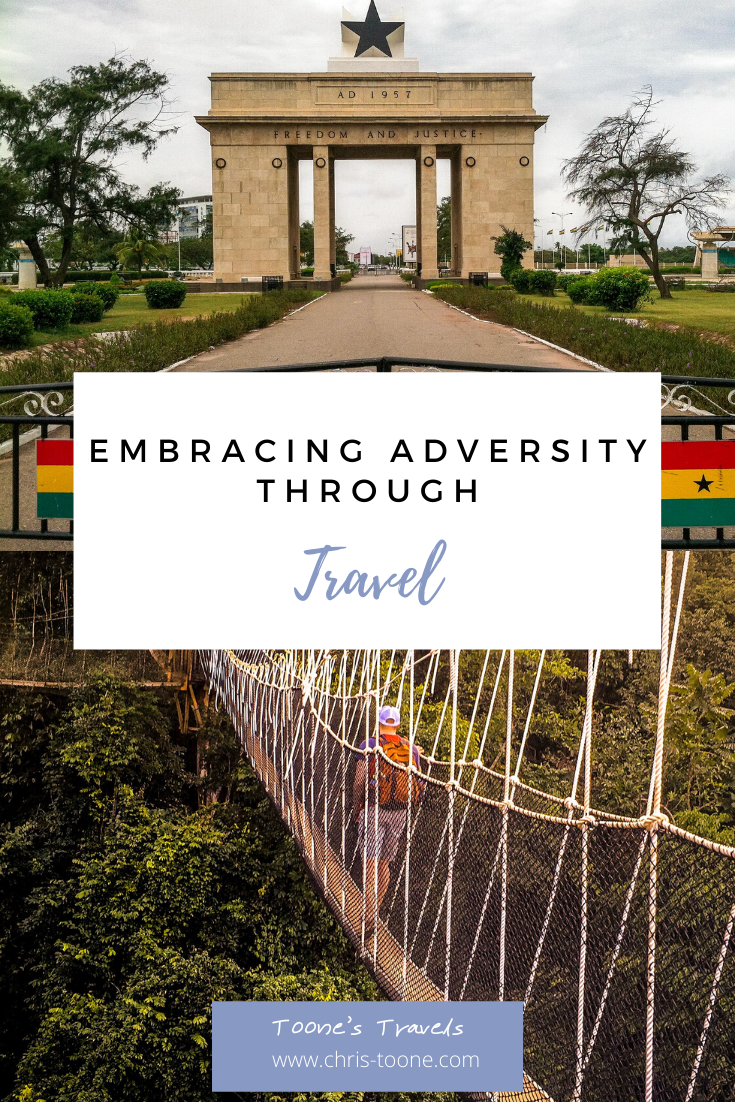
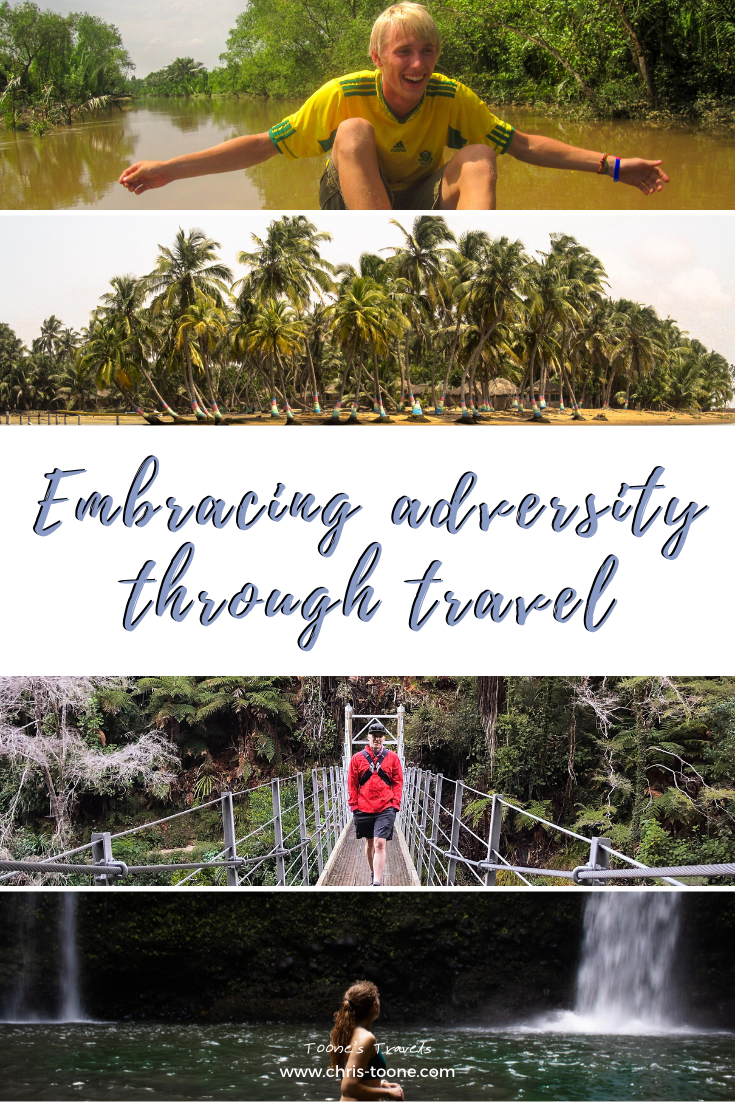
Embracing Adversity Through Travel: How a trip to Ghana changed my outlook on life
Through all of my adventures over the years I've learned plenty of lessons. One that has stuck with me is just how much travel has changed the way I think and embrace challenges on a day-to-day basis. Here's a story about a trip to Ghana that tested my patience, but proved important to my growth.
Traveling isn’t always comfortable, in fact, it’s the moments in which I feel too comfortable that I begin to question what I’m doing.
Why is that? Why do I actively seek to put myself in those challenging situations?
For as much thought as I've put towards solving this internal conundrum, I still don't have an answer.
With that being said, one thing I have come to learn throughout all of my adventures is that when it feels as though the universe is relentlessly breaking me down, it may actually be working to build me up.
It’s certainly a not foolproof theory, but more times than not it seems to be the case.
As I reflect back on the countless times I’ve faced this lesson over the years, one particular experience comes to mind.
Here’s a short story about a trip to Ghana that was full of mishaps and close calls, but ultimately forced me to embrace the adversity and ultimately feel an overwhelming sense of gratitude. Enjoy!
Located just outside of the historical city of Cape Coast lies Kakum. A national park of Ghana that encompasses nearly 150 square miles of protected forest, the famed canopy walkway offers visitors the chance to meander through the treetops across a series of swinging bridges.
It was only natural that when two new volunteers, Heather and Courtney, came to Ghana to help with The Senase Project for the first time, a visit to Kakum National Park was at the top of our to-do list… but we almost didn’t make it.
The morning started off like any other: a casual breakfast of eggs and white bread accompanied by a warm cup of Milo, Yoo-hoo chocolate milk’s Ghanaian sibling, before packing up and heading out.
After a quick taxi ride through the bustling streets of Accra, the three of us were dropped off on the side of the highway at Kaneshie Station. This is where we’d find a tro-tro to take us to Cape Coast.
If you’re not familiar with the various modes of transportation in Ghana, tro-tros are essentially private vans that operate as shared taxis, traveling fixed routes between towns and all around the major cities.
Some are in good shape while others you can’t help but look at and question the number of remaining trips before the wheels inevitably fall off.
Once obtaining a ticket, it’s best to send up a quick prayer and hope for a window seat so the breeze can relieve the inevitable sauna-like environment that comes with passengers squeezing together, some sharing seats or commandeering laps.
It might sound miserable to those who haven’t experienced one, but it makes me smile just thinking about it.

Tro-tro packed to the brim in Accra, Ghana
The station itself was filled with a cacophony of sounds and a confusing aroma, somewhere along the spectrum of sewage and lukewarm seafood.
Hawkers worked the pathways, trying their best to sell dried fish and bofrot, Ghana’s version of a donut, while young teenagers shouted destinations from the open windows of the vans.
It seemed as though we might struggle to find our way amidst the madness, but luckily there’s an important caveat that accompanies this mode of travel: the drivers won’t depart until all of the seats are full.
So, when a group of wide-eyed and clueless foreigners roll up, someone will inevitably ask for a destination and provide a personal escort to their friend’s van.
After what felt like an hour of waiting around, the driver and his team had sold enough tickets. The three of us piled into the back seat, carefully ducking under the exposed metal of the ceiling as we shuffled over the bags of produce that filled the aisle.
Off we went.
Interested in learning about how I first caught the travel bug? Check out this post:
The drive between Accra and Cape Coast typically takes less than 3 hours and although we had lost some time waiting for the tro-tro to fill up with passengers, we were still optimistic for the day ahead. After all, we were cruising the open road and catching views of the Gulf of Guinea as we went… nothing could bring us down!
That is until we arrived at a police barricade.
These checkpoints are a routine part of life in Ghana; simply a way for the police to patrol traffic. The driver rolled down the window and sheepishly handed over the required documents.
The officers paused and looked at one another, took a second glance at the provided papers, and then began to speak.
It was clear that something was off.
Our once vivacious driver appeared to curl up like a puppy, tail between his legs and all. We continued to sit in silence until a fellow passenger turned around and informed us that the driver has been caught using a fraudulent license.
“Well, that’s a new one,” I thought to myself.
I was eager to see how this was going to play out. Would the driver be arrested? Would the vehicle be seized? Would all of us be left stranded on the side of the road? My imagination was running wild.
No, none of that happened. Simply a slap on the wrist, an order to obtain a legitimate license, and a modest bribe.
Back to the open road, we went, laughing it off as a story to tell our friends and unaware that it was just the beginning of what the day had in store.
All of a sudden we heard a massive “pop” immediately followed by the sound of metal dragging along the asphalt.
The three of us simultaneously lifted our feet out of sheer confusion and panic, unsure of if the floor was giving way. It wouldn’t have been the first time a tro-tro had bottomed out and been stripped to the bones.
Thankfully it wasn’t the floor, but the noise crescendoed to a point of no return and the driver was forced to gently guide the van to the side of the road, thankfully finding what appeared to be a makeshift garage along the way.
One by one we all exited, our fellow passengers seemingly annoyed but ultimately unsurprised by this turn of events.
The driver, with the help of his friends, rolled the van onto a set of cinder blocks and disappeared for a moment before resurfacing with a busted muffler. I’m no car expert by any means, but it surely seemed un-reparable.
I couldn’t believe our luck. It felt as though that was the end of the line for us, our day foiled by a piece of fraudulent paper and faulty van. As disappointing as that was to accept, we couldn’t help but chuckle.
There we stood, huddled together under a metal awning on the side of the road in Ghana, completely at the mercy of the universe.

Stranded in Ghana
Without missing a beat, the driver obtained a hammer, a blowtorch, and went to work.
The sound was deafening as he gave it his all, strategically heating the muffler and using the hammer to approximate the edges before welding it back together.
Over an hour later he was done, had re-attached it to the van, and was eagerly encouraging everyone to pile back in. We obliged, silently questioning the integrity of the muffler that had been given a new lease on life.
It couldn’t have been more than ten minutes of driving before we heard another “pop” and a sense of defeat quickly replaced the panic and confusion we had felt the first time.
The driver frantically pulled out his phone, sensing the looming mutiny from his customers if he attempted to fix the muffler again. “Ok, wait here. Another person will come to pick you up,” he said. Sure enough, a white van appeared.
After a brief deliberation as to whether or not we should call it quits and retreat back to Accra, we collectively decided to press on. What else could possibly happen?
Much to our relief, we finally reached Cape Coast and on top of that, we were all still in one piece!
The sense of accomplishment was quickly forgotten as we approached the taxi stand and asked for a ride to Kakum National Park.
“Are you sure? It’s nearly closing time,” a driver replied.
We glanced down at our watches and, to our disbelief, it was nearly 3:00 pm. With the park closing at 4:00 pm, it seemed as though all hope was lost.
Sensing our disappointment, the driver opened his door.
“Go ahead, get in. I will try my best” he exclaimed.
The road from Cape Coast to Kakum is technically paved, but I use that term loosely as the concentration of potholes is more than anywhere else I’ve been in the world. Hence our unofficial petition to name it Pothole Alley.
Up, down, left, right. The driver clearly had years of experience navigating this route as he seamlessly zig-zagged his way forward, shaving off minutes with each kilometer traveled. We tried to remain positive, but that’s always easier said than done.
Our hearts sank as we pulled into the entrance of the park. A truck full of guards was on its way out and that meant they had closed for the day. It seemed as though all the trouble we had endured was for nothing.
Without a second thought, our taxi driver rolled down his window and began pleading our case. We sat there silently crossing our fingers. A guard then hopped out of the bed of the truck and squeezed into the backseat with Heather and Courtney. He was willing to reopen the canopy walk for an extra fee and subsequently restored our faith by doing so!
The three of us silently hiked through the forest, eagerly listening to our guide identify various species of flowers and trees along the way. Once at the top, we carefully stepped out onto the first bridge, a single plank of wood suspended 30m above the ground.

Kakum National Park, Ghana
It was beautifully silent as we made our way across and I couldn’t help but feel grateful for the journey that had brought us there.
Despite the frustrations, if we hadn’t been shuttled to that specific tro-tro, with that particular driver, on that precise morning, we would not have been there in that moment, soaking up the serenity.
The sun began to set and it was time to go.
We made our way back down the trail, gleefully smiling in disbelief and appreciation as to how quickly our luck had turned around. Somehow we had secured a private hike through one of the most popular tourist spots in all of Ghana, a feat that I’m unlikely to ever experience again.
So, what’s the lesson here?
It’s not that we should avoid traveling via tro-tros at all costs, nor is it that we should roll over at the first sign of trouble. There’s something bigger at play here and when I find the words to express it, I’ll be sure to let you know.
In the meantime, I’ll leave you with this: Don’t shy away from the frustrations of traveling.
Instead, as hard as it may seem, challenge yourself to embrace them. After all, you never know what the universe has in store.
The beautiful feeling of complete fulfillment amidst intense exhaustion is the reason why I travel. It helps me grow, it stimulates learning, and it’s why I’ll always advocate for others to get out and experience the world as well.
Thanks for following along! Have any lessons you’ve learned abroad of your own ? Feel free to share in the comments below!
As always, stay safe & happy travels.
Enjoy what you read? Pin the post and share it with others!



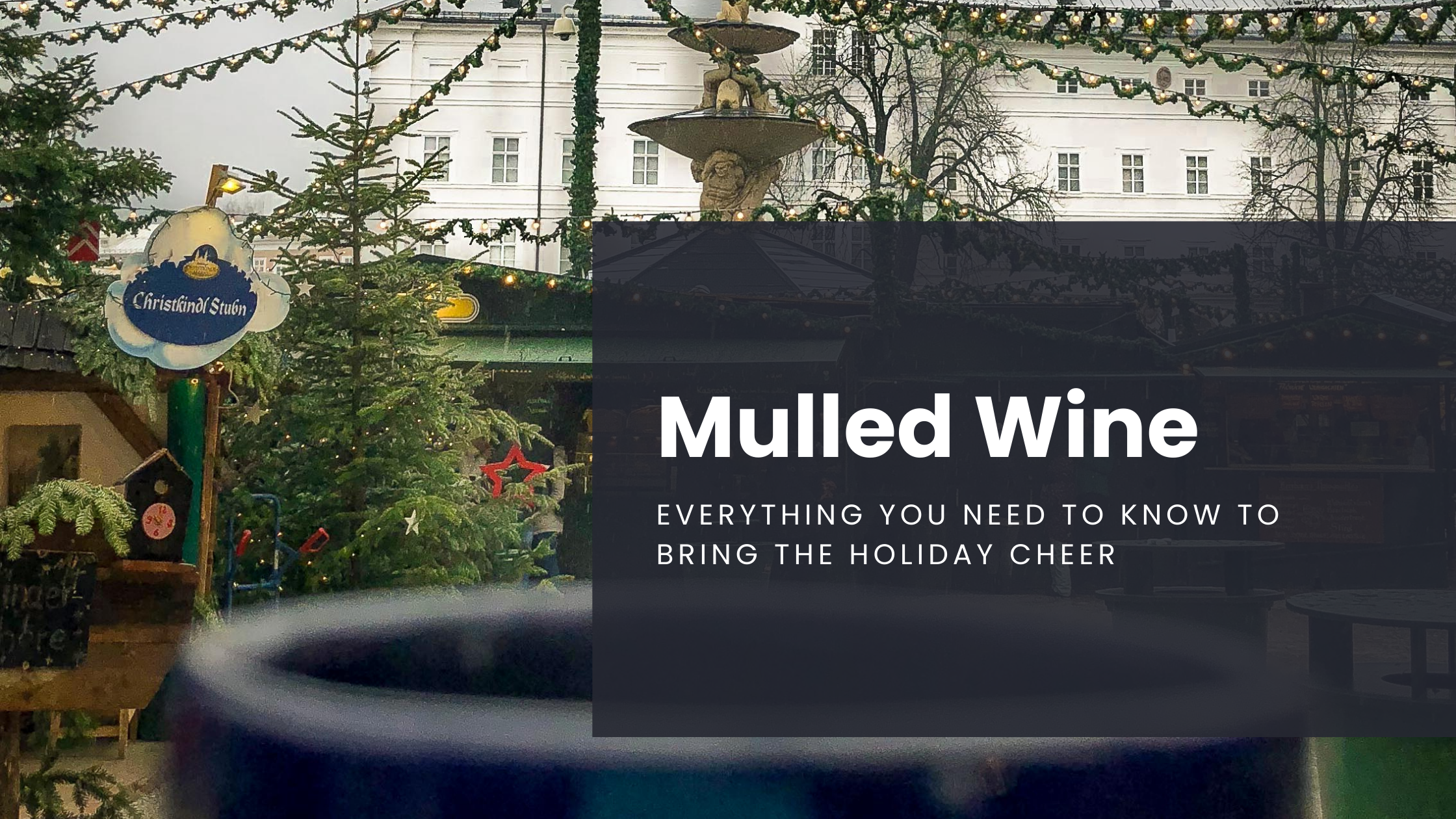
Mulled Wine: Everything you need to know to bring the holiday cheer
Mulled wine has been around for ages, but it hasn't always been synonymous with Christmas. Here's everything you need to know about this popular holiday drink, including a recipe to make it yourself. Cheers!
It’s official: winter is here.
That means it’s time for gingerbread cookies, long shopping lines, and cozying up next to the fireplace… oh, and mulled wine!
If you’ve wandered the Christmas markets throughout Europe during the holidays, then you surely know what I’m talking about. It’s the gold-standard of holiday cheer these days and has carved out a slice of European Christmas culture alongside gift-giving and leaving cookies and milk for Santa.
For those of you that have no idea what I’m referring to, allow me the privilege of introducing you to my favorite holiday alcoholic drink and a sure-fire way to tolerate the in-laws.
Here’s everything you need to know about mulled wine!
A BRIEF HISTORY OF MULLED WINE
Thought to have originated as far back as the 2nd century, mulled wine was created by the Romans as a way to fight off the cold winters. As they expanded their empire throughout Europe, so too did their love for this warm drink.
Popularity continued to grow during the middle ages and the recipe expanded. Europeans began mixing the wine with various herbs and flowers as a way to not only stay warm during long winters but also provide a natural boost to their immune systems.
It’s worth noting that sources of wine were limited back in those days, so it’s likely that the spices had a second and, some may argue more important, function: making the drink more palatable.
As is the case with all great fads, the desire for mulled wine faded over time. It wasn’t until the 1890s when the drink became associated with Christmas and popularity skyrocketed.
Suddenly merchants across Europe began developing their unique recipes to share within their towns and, once distributing their product with festive bottles, mulled wine’s resurgence was in full effect and has continued to spread like wildfire beyond Europe’s borders.
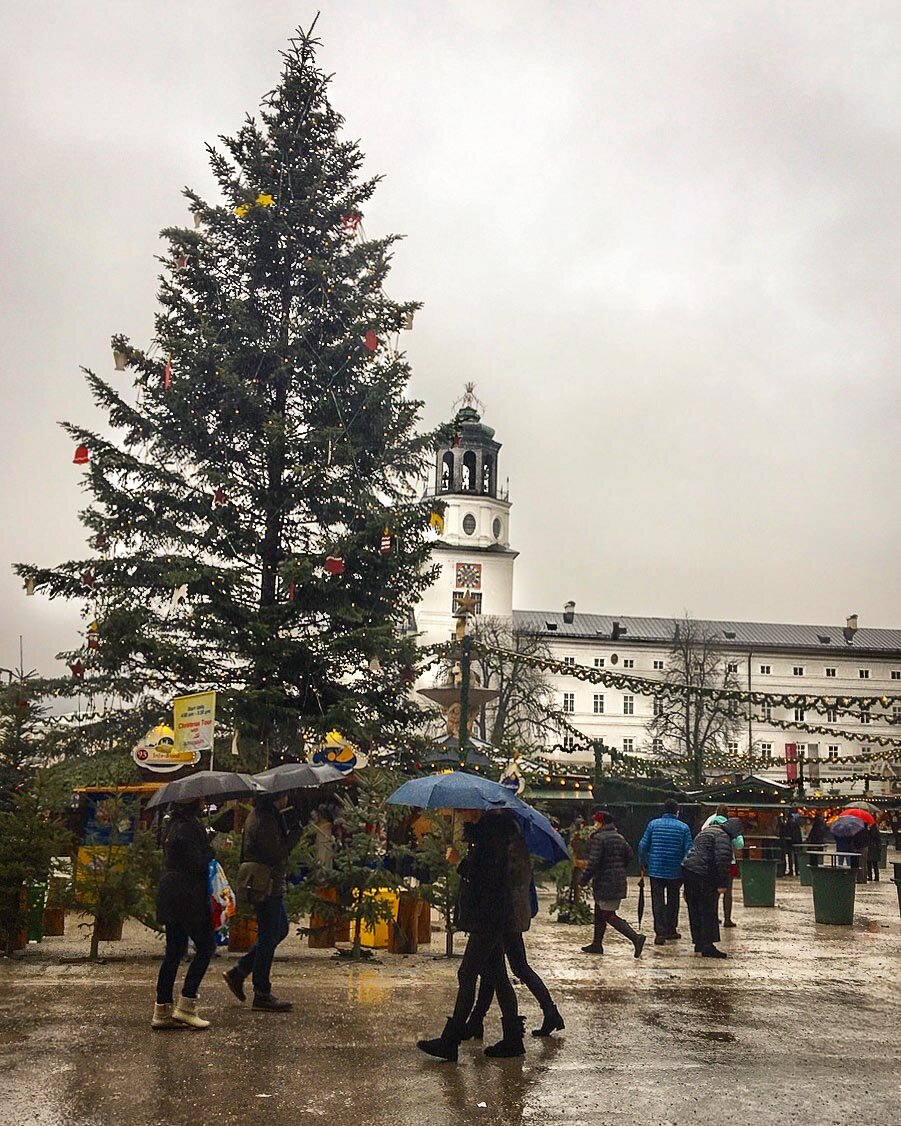
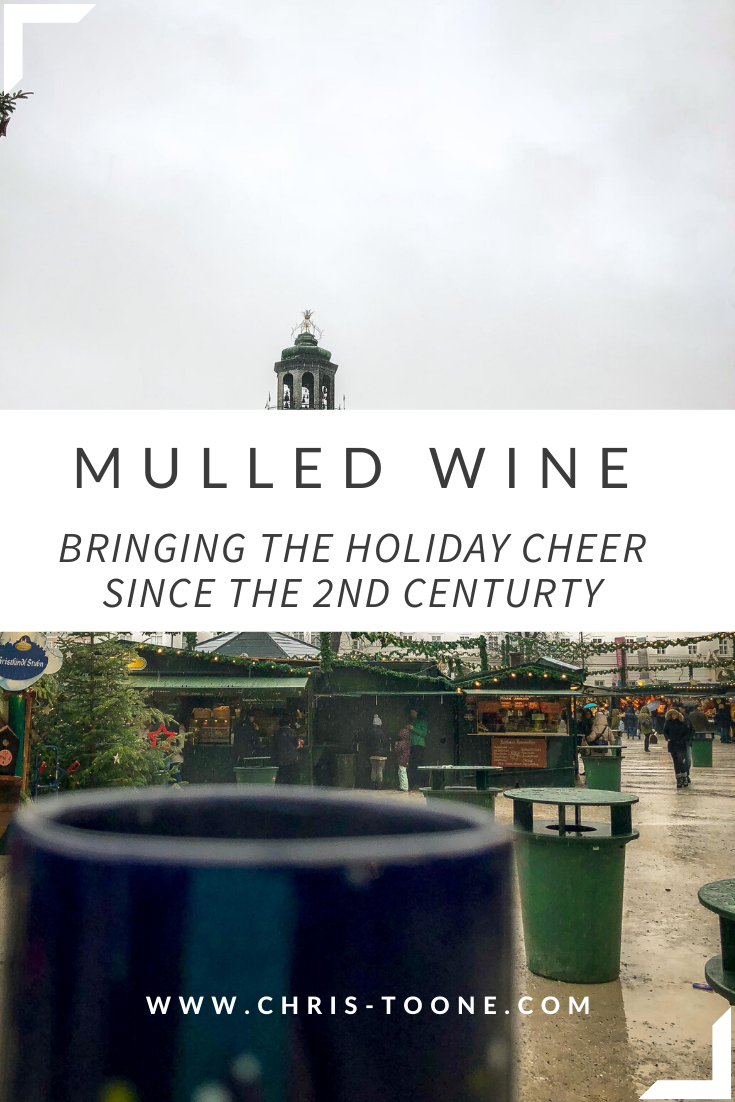
Christmas Market in Salzburg, Austria
WHY IT MATTERS
It matters because mulled wine’s popularity is stronger than ever. Visit any Christmas market in the world and you’ll surely notice a crowd gathered around a table, sipping on a mug and laughing the night away. It’s no longer a matter of if you’ll ever have the chance to try this beautiful blend of wine, fruit, and spices, rather when you will do so.
I was fortunate enough to spend a Christmas over in Austria, meandering between markets and sampling the various recipes as I went.
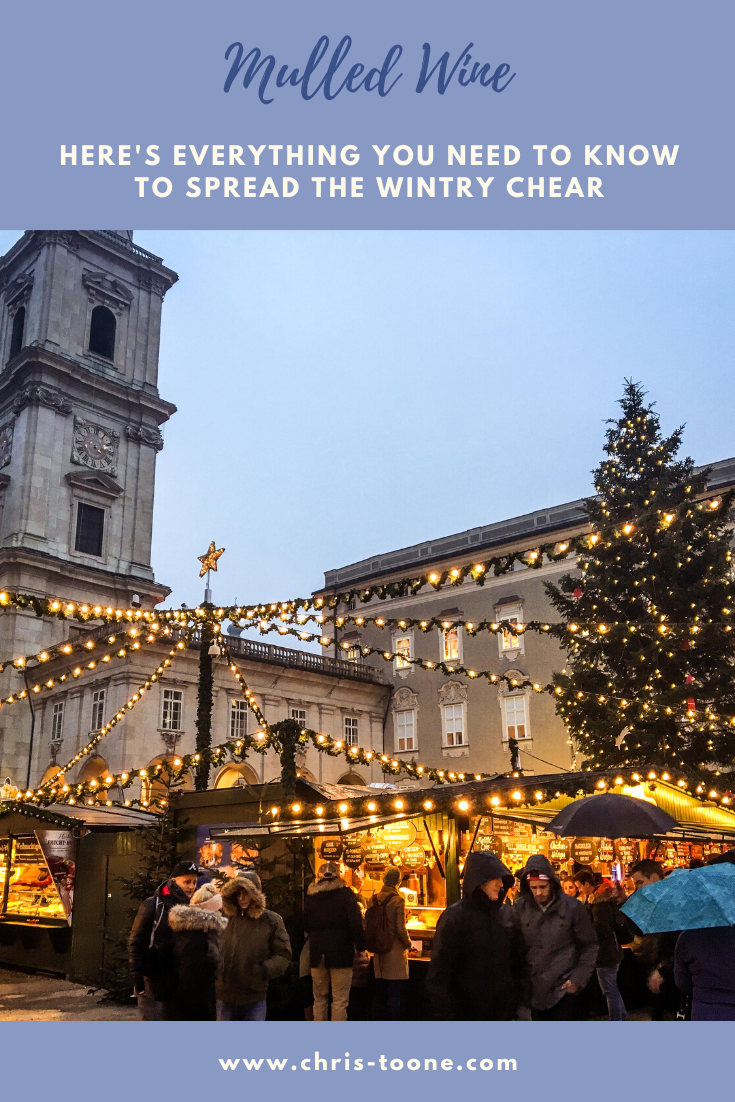
Regardless of location, whether a large city such as Innsbruck or a smaller town, mulled wine (along with mulled cider, its holiday-sibling) was the staple of each celebration.
For foreigners such as myself, it served as a way to stay warm while aimlessly wandering between the artisan stalls, searching for the perfect gift to bring home, but for the locals, it was much more.
It served as an after-work event, a gathering of neighbors, and a place for family reunions. The drink has quickly become synonymous with good times and holiday cheer.
As much as I enjoyed being able to shop through the expansive markets, I much preferred the smaller villages where the events were centered around the social aspect and nothing more. Simply walk to the town square, grab a mug of mulled wine, snack on a brat, and chat with friends. It was a great way to experience the local Christmas culture!

Christmas Market - Innsbruck, Austria
How to Make Your Own
Several different variations exist as the popularity has grown over the years but, traditionally speaking, mulled wine is made using red wine.

INGREDIENTS:
1 bottle of red wine - 750ml (merlot or cab sauv typically works best)
1 orange - sliced into rounds (plus more for garnish)
6 whole cloves
3 cinnamon sticks (plus more for garnish)
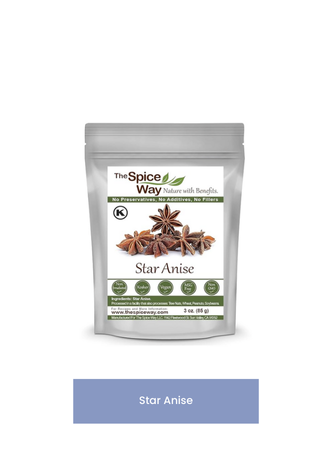
3 star anise
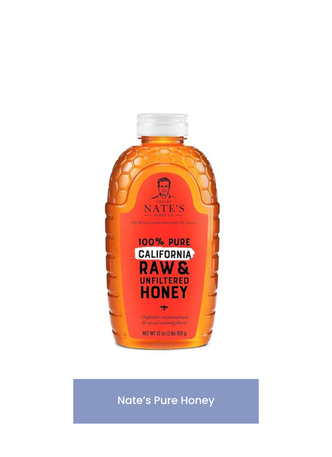
1/4 cup honey
1/2 cup brandy (optional)
DIRECTIONS:
Over medium heat, combine all ingredients into a saucepan
Bring to a simmer (not boil) and reduce heat to low. Simmer over low heat for 10 minutes
Once finished, strain the liquid
Serve warm and garnish with an orange slice and cinnamon sticks
Enjoy and go back for more!


It’s that simple! Whip yourself up a batch at your next family gathering, enjoy the company of others, and bring a slice of European history into your home this holiday season. Bottoms up!
Do you have a story from a Christmas market around the world? Have you created your own unique mulled wine recipe? Let me know in the comments below! I’d love to hear about it.
As always, stay safe & happy travels.
Pin this post and save it for later!



7 Apps That Will Change The Way You Travel
From offline maps to easy translations and guided walks, check out these 7 apps that I guarantee will elevate your travel game!
Please note: This post was updated as of December 2023
It’s not as if smartphones invented travel, however, they have drastically changed the way in which we go about wandering the world. From booking itineraries to audio guides and even foreign communication, it’s entirely possible that everything you need - and even what you don’t need - can be done from the palm of your hand.
Although I’m not in any way, shape, or form suggesting that travelers should rely solely on their mobile device, there are a few apps floating around that help to enhance the travel experience, rather than control it. Here’s some 5-star advice from your favorite 3-star travel blogger!
Skip to app:
* Note to readers: This is NOT a sponsored post. All opinions are my own.
1. ALLTRAILS
In short, AllTrails utilizes a database of over 100,000 hikes to provide users with everything needed in order to get out and hit the trails.
I constantly find myself on the app while at home, scrolling through hikes like it’s Instagram (but much more productive, of course), however, it has also proved invaluable while traveling abroad and I am a huge fan of what it has to offer.
Most recently, AllTrails became my best friend while exploring Panama. I’m all for “getting lost” in the jungle, but I certainly felt a lot more comfortable being able to track my little blue dot along with the interactive trail maps.
Sign up is free so if you plan to explore the great outdoors during your travels, this is a must-have resource!
Keep in mind that the database is built from user interaction, so although a rarity, information can sometimes be slightly inaccurate or minimal.
Be sure to pay it forward and review your own adventures so others can have a great experience as well!
Apple users get it here.
Android users get it here.


AllTrails features including a trail overview, explore map, and interactive tracking
2. DUOLINGO
Although Duolingo touts itself as “the world’s best way to learn a language,” some people swear by it while others despise it, as is the case with most things I suppose.
When beginning a new language, you’ll find that the lessons are built for long term language comprehension through a guided curriculum, however, I’ve found it to have short term value as well.
The app includes 35 languages for English speakers, including the likes of Klingon and High Valyrian if you’re really looking to impress a date. Track me down on a transatlantic flight and you can surely bet I’ll be studying up on whatever language I’ll be greeted with when the wheels touch down.
At the very least, the lessons have significantly helped me to identify useful words, recognize key conversational phrases, and more.
Learn the basics with Duolingo and then put the rest of the puzzle together during your travels!
Apple users get it here.
Android users get it here.
3. GOOGLE TRANSLATE
Do you get frustrated when you can’t read a menu? What about when you’re not sure if a building is a restaurant or a day spa?
It’s ok. We’ve all been there. That’s where Google Translate comes in handy!
The app has gone through some significant transformations in the past few years and now allows users to translate in a few different ways: text, instant camera (just point your camera and read), photos (the app will scan a photo and translate accordingly), or even conversations on the fly.
No more trying to type out what it says on the bathroom door when you’ve really got to go; just point your camera and get down to business!
Don’t get me wrong, playing charades and trying to communicate in a foreign culture is one of my favorite things I get to do while traveling, but sometimes you just need help and that’s where Google Translate quickly becomes a saving grace whether you’re lost or trying to console a fellow hangry traveler.
Apple users get it here.
Android users get it here.
4. MAPS.ME
Shortly after booking a rental car in South Korea, I realized that I had no idea how to get from point A to point B. “Ah, no problem,” I thought, “that’s what Google Maps is for.” As it turns out, Google Maps doesn’t work in South Korea, so what’s a guy supposed to do?
Maps.me turned out to be an incredible alternative, providing comprehensive offline maps and driving directions as well as hiking trails, bike paths, and even metro maps.
The app also includes an offline search feature, making it easy to find transportation hubs, ATMs, hotels, or anything else you may need!
As useful as that all is, the most important feature may very well be the inclusion of speed camera locations. After all, nothing ruins a vacation quite like a speeding ticket!
In recent years the Maps.me has expanded its services, now offering hotel searches via integration with booking.com and even the ability to purchase tours with local guides.
This is definitely the way to go when you need maps for traveling! Just be aware that you need to download each individual country onto your phone, so if you’re heading to Germany and planning a road trip to Austria, be sure to download both ahead of time before you find yourself lost in the hills, although I hear they’re alive with the sound of music!
Apple users get it here
Android users get it here


Screenshots from Maps.me
5. LONLEY PLANET GUIDES
Lonely Planet isn’t exactly an “off the beaten path,” however, the Guides app offers some great functions that are worth exploring.
The collection of over 8,000 cities around the world includes offline maps as well as curated advice from local experts. It also integrates seamlessly with Lonely Planet’s TripApp which is a way for users to share photos and stories from their adventures.
One of the most useful features is the ability to get individualized advice on what to explore based on your budget. Simply plug in your restrictions and voilà! The app will take care of the rest.
The one downside is that unlimited access comes at a cost: $4.99 for one month, $21.99 for 6 months, or $39.99 for 1 year.
Is it worth the price? Only you can decide, but it’s certainly something to consider.
As of February 2022 Guides by Lonely Planet is no longer updated. The app can still be used, but development has ceased.
6. PACKPOINT
Are you the type of person that leaves packing to the last second? Welcome to the club.
My normal strategy is to shove a random collection of clothes into a duffle bag the night before a flight and hope for the best, all the while telling myself it “adds to the adventure.”
PackPoint is changing the game, mainly because it takes all of the thinking out of the packing process.
The app works to create a custom list based on a multitude of factors including gender, destination, travel dates, duration, and even type of travel (beach, adventure, etc). It goes as far as to check the forecast ahead of time to accurately determine what needs to fill your suitcase.
From there, users can modify number of items and finalize the list on their own… it’s as simple as that!
Basic access is free, while premium costs $2.99. Take the stress out of packing and give it a whirl… or don’t. I completely understand the thrill of playing “what’s in my bag” when arriving in a new country!
Apple users get it here
Android users get it here
7. TRIPLINGO
TripLingo is built by travelers, for travelers.
While Duolingo aims to help users become fluent in foreign languages, this app works to make picking up the local dialect as easy as 1-2-3.
There are hundreds of destinations to choose from and once you’ve selected a target country, you’ll be able to download the associated audio files. Phrase categories include conversation basics, slang, dining, and more.
The app also offers direct translations in a few different ways: voice and text or, if you find yourself in a jam, pay a small fee to call a live translator (something that would be very helpful in the event of an emergency).
Other features include cultural etiquette guides (travel tips, dining, body language, etc.) as well as important safety information, including embassy contact info and medical terminology amongst other things.
If there was ever an app that borders on being the Swiss army knife of travel, it’s TripLingo!


User interface of TripLingo
BONUS: YELP
Yes, I get it. Everyone knows what Yelp is. So then why is it so often overlooked while traveling abroad?
I’ll spare you the synopsis, but let this serve as a reminder to use it the next time you find yourself traversing the globe. From hidden gems to the top local restaurants, it’s a gold mine of information for indecisive people such as myself!
Apple users get it here
Android users get it here
Do you have a different app that you swear by while traveling? I’d love to hear about it in the comments below!
As always, thanks for following along. Stay safe & happy travels!
Find this post helpful? Pin it for later!


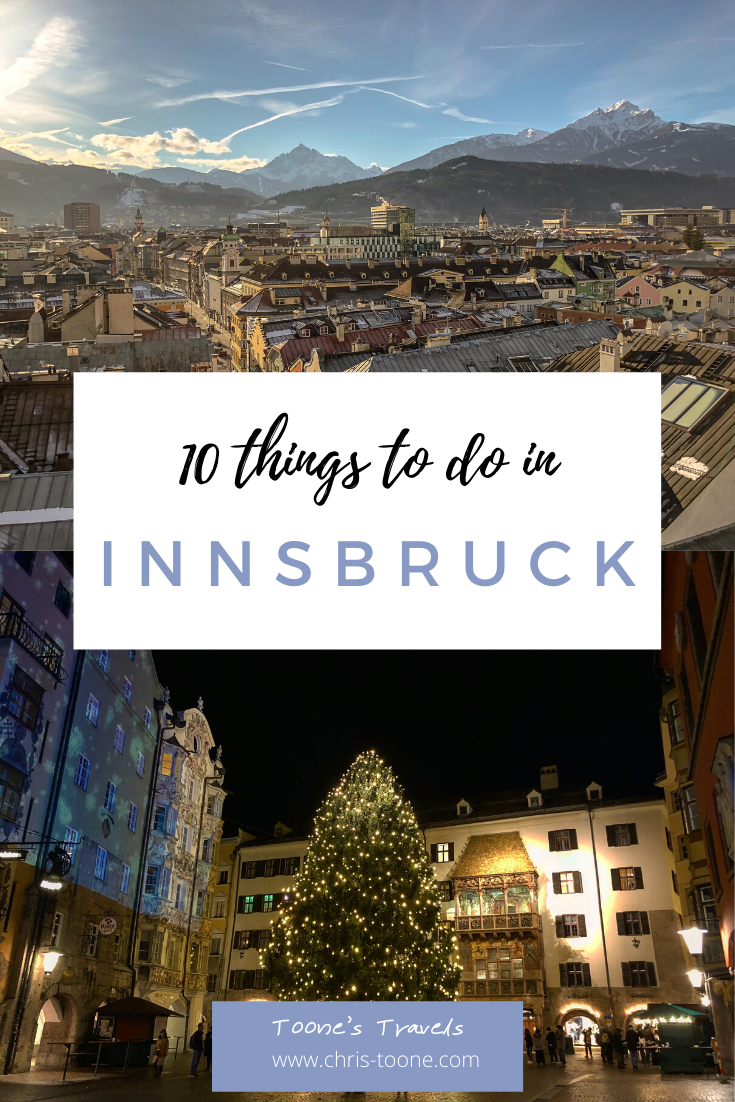
Innsbruck City Guide: 10 things to do in Austria's alpine city
From the local flavors of speck and strudel to the stunning mountainous views that surround the city, Innsbruck has something for everyone. It continues to sit at the top of the list of my favorite European cities and I can guarantee you’ll have a great time!
Please note: All information listed below is up to date as of May 2023
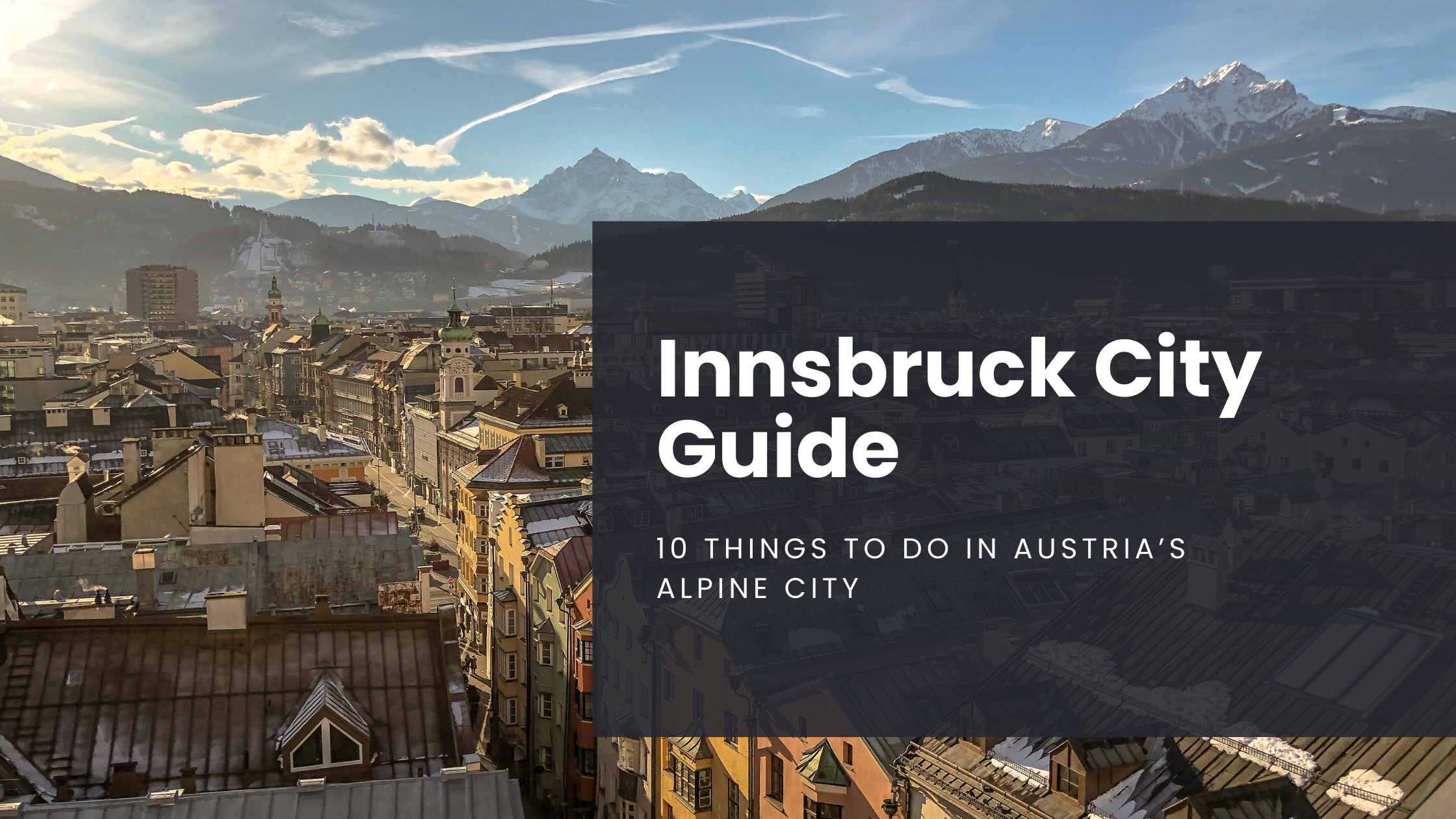
Tucked away within the shadows of the surrounding Alps lies Innsbruck, Austria.
A mountainous paradise that’s known for its rich Tirolean history and the epicenter of winter sports, having hosted the Olympics in both 1964 and 1976.
To this day, it remains one of my favorite European cities of all time and by the end of this post, you should have a pretty good idea as to why!
Let’s explore 10 of the top things to do when in Innsbruck, Austria.
1. SAVOR A STRUDEL AT CAFE KROLL
Nestled within Innsbruck’s old town, Cafe Kroll serves up some of the city’s best homemade strudel as voted by tourists and locals alike.
You can be sure to find a steady stream of customers from the moment the doors open in the morning straight until closing. It’s easy to be overwhelmed by the sheer volume of variety offered, but I would personally recommend giving the apricot and hazelnut strudel a try if in the mood for something sweet or the spinach and feta for savory.
Pro Tip: Cafe Kroll offers several gluten-free items, so there’s no excuse to stay away!
Hours: 6am - 9pm daily
Address: Hofgasse 6, 6020 Innsbruck, Austria
Website: www.strudel-cafe.at
2. EXPERIENCE THE JEWEL OF THE ALPS
Widely known as the “jewel of the Alps", the Nordkette mountain range sits just north of Innsbruck and rises to 8,651 feet at its highest point (Kleiner Solstein Peak) and is part of Austria’s largest Nature Park, the Karwendel.
Find your way to Innsbruck’s Hungerburgbahn Station and hop in the Hungerburg Funicular before catching a tram up to Seegrube (6,250ft.) and Hafelekar (7,401ft.) to enjoy the panoramic views of the city and surrounding mountains.
In the winter months, the area becomes a popular ski destination, the Hafekeler run being one of the steepest in all of Europe, and in the summer months, visitors can enjoy expansive hiking, climbing, and mountain biking.
It made for a great Christmas Day adventure during our most recent trip!
Pro tip: The Hungerburg Funicular will also take visitors to the Alpine Zoo, the highest in all of Europe. A combination ticket for the funicular and zoo entry will cost 19 euros per person.
Helpful Hints: The funicular from Hungerburgbahn Station is operational from 7:15am - 7:15pm M-F, 8am - 7:15pm Saturday and Sunday and runs every 15 minutes. The Seegrube cable car is open daily from 8:30am - 7:30pm while the Hafelekar tram operates from 9am - 5pm daily. Both run every 15 minutes.
Address: Hungerburgbahn Station, Rennweg 3, 6020 Innsbruck, Austria
Cost: Varies based one how many trams you choose to take, but expect to pay around 36.50 euros per person to get from the Hungerburgbahn Station to the top of the Hafelekar cable car (ski pass not included).
Website: More information on the entire area can be found by clicking here.

View from the top of the Hafeleker cable car
3. LOSE YOURSELF IN THE LAND OF SWAROVSKI CRYSTALS
Opening in 1995, the Swarovski Kristallwelten (crystal worlds) welcomes tourists to wander around 17 different underground “chambers of wonder,” each filled with stunning crystal art created by international artists.
When strolling through the gardens, be sure to not miss the Crystal Cloud, a piece comprised of 800,000 hand-mounted Swarovski crystals. Another fan favorite is the Crystal Dome, a room that contains 595 mirrors all working together to create stunning lighting and reflections.
At the very least, exploring the halls is a humble reminder to keep saving your money!
Pro Tip: Although the Kristallwelten is located outside of Innsbruck, a shuttle runs back and forth 5-6 times a day from various locations and costs 10 euros for a round trip ticket. More info can be found here.
Address: Kristallweltenstrasse, Wattens, Austria
Hours: 8:30am - 7:00pm, daily
Cost: 19 euros or free with an Innsbruck Card.
Website: www.kristallwelten.swarovski.com
4. STEP INTO THE RENNAISSANCE AT AMBRAS CASTLE
Once home to Archduke Ferdinand II, Ambras Castle is located in the southern part of Innsbruck and can easily be reached by tram and bus.
Ferdinand II was the prince known for elevating arts and sciences to new levels during his lifetime and the castle’s residential rooms have been transformed into the Habsburg portrait gallery (open to visitors between April and October).
Tickets cost just 12 euros and can be purchased ahead of time by visiting the castle’s website.
Address: Schlossstrassse 20, 6020 Innsbruck, Austria
Hours: Daily from 10:00am - 5:00pm, closed during the month of November
Website: Click here for more information or to purchase tickets.
5. CLIMB TO THE TOP OF INNSBRUCK CITY TOWER
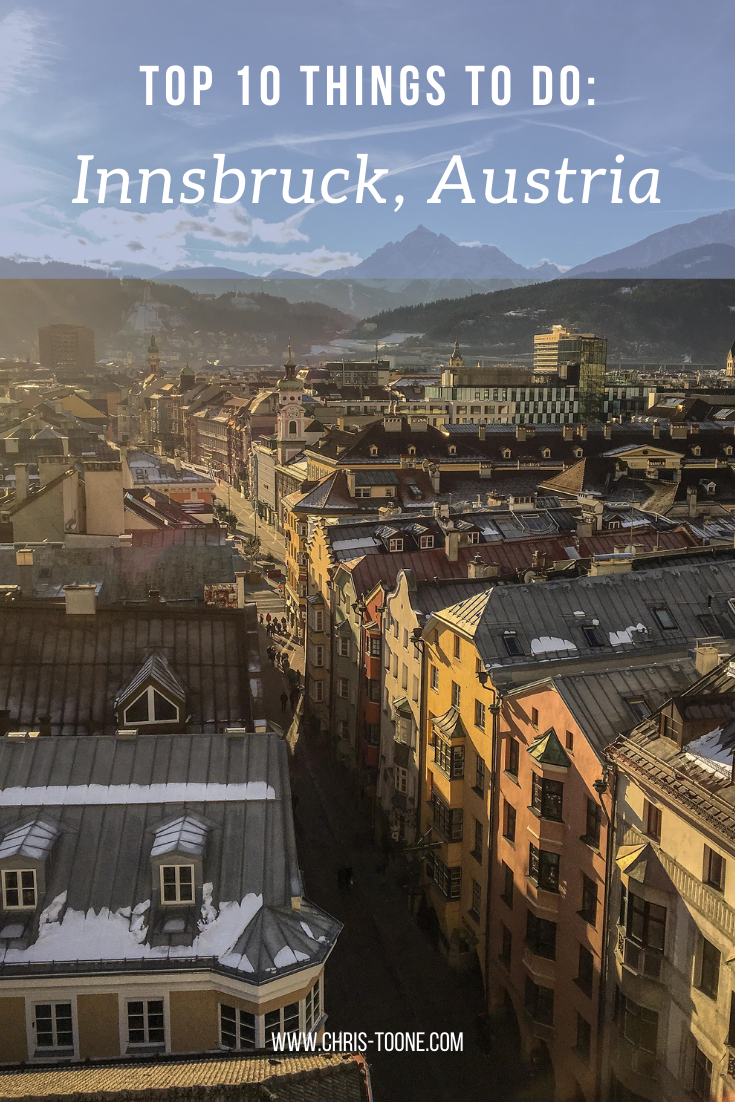
I’ve visited Innsbruck more times than I can count, often passing through for a day or two, but I always make sure to leave time to climb the 148 stairs to the top of the Innsbruck City Tower.
It’s easily my favorite 360-degree view of the city, standing amongst the rooftops and watching life pulsate through the city streets below.
When the tower was still operational, it was manned by watchmen who were tasked with announcing the time every hour and warning the townspeople of incoming danger. The building also housed a prison during the Middle Ages on the ground floor.
Costing only 4 euros per person, this is one of the best “bang for your buck” things to do in Innsbruck and it doesn’t take much time at all! Important note: There is NO elevator available, so it may not be suitable for everyone.
Address: Herzog-Friedrich-Strasse 21, Innsbruck, Austria
Hours: Daily from 10:00am - 5:00pm (winter) and 10:00am - 8:00pm (summer)
Website: Click here for more information

View from the top of the Innsbruck City Tower
6. DEVOUR A PLATE OF SPECK AT TIROLER SPECKERIA
Since 1909 Tiroler Speckeria has been serving up some of the best Tyrolean bacon, commonly known as speck, found in all of Innsbruck.
Do yourself a favor and order the specialty board (15 euros per person). It’s a great way to experience the diversity of Tyrolean flavors and I assure you it will be worth every cent.
If you’re short on time, the owners also offer up sandwiches to take on the go, but I’d recommend taking the time to sit down for a short meal. It’s hard to beat the ambiance and delicious food.
Address: Hofgasse 3, 6020 Innsbruck, Austria
Hours: Daily from 9:00am - 6:00pm
Website: www.speckeria.at
7. CATCH A LOCAL SPORTING EVENT
There are two main sporting events to check out: Football Club Wacker Innsbruck and Hockey Club Tiroler Wasserkraft Innsbruck.
Formed in 2002, FC Wacker plays their home matches at Tivoli Stadium in downtown Innsbruck and currently competes in the Austrian Football Second League. The 16,000-seat stadium played host to the likes of Spain, Russia, Sweden, and Greece during the 2008 European Championships.
HC Tiroler Wasserkraft plays across the street from Tivoli Stadium at the Olympia World Innsbruck Complex. Along with soccer and alpine skiing, ice hockey is one of the most popular sports in all of Austria, so rest assured you’ll be in for quite the local experience without the normal influx of tourists.
Be sure to check the competition schedules during your trip!
Address: Stadionstrasse 1, 6020 Innsbruck, Austria
FC Wacker Innsbruck Website: https://fc-wacker-innsbruck.at/
HC Tiroler Wassercraft Innsbruck Website: https://www.hcinnsbruck.at/de-DE
8. REACH NEW HEIGHTS FROM THE TOP OF THE BERGISEL SKI JUMP
If you couldn’t tell already, I’m all about gaining new perspectives wherever I go in the world and the top of the Bergisel Ski Jump certainly offers a unique one!
Used in both the 1964 and 1976 Winter Olympics, the tower rises 47 meters towards the sky and features a restaurant at the top that rewards visitors with stunning 360-degree views of the surrounding mountains and city below.
The 28,000-seat stadium continues to hold the famed Four Hills Tournament each year, a staple of the winter sports world, so if you’re visiting in January then make sure to check a calendar ahead of time!
Address: Bergiselweg 3, 6020 Innsbruck, Austria
Hours: June to October from 9:00am - 6:00pm, November to May from 9:00am - 5:00pm
Entry Fee: 11 euros
Website: https://www.bergisel.info/at/
9. STROLL THROUGH INNSBRUCK’S OLD TOWN (ALTSTADT VON INNSBRUCK)
Take an afternoon to wander through Innsbruck’s 800-year-old city center and experience the charm and sophistication that exudes the mix of baroque and gothic architecture.
Walk along the Inn River to see the pastel-colored homes across the way, visit the Golden Roof and learn about the royal box where Emperor Maximillian I once watched over the city, or shop along the famed Maria-Theresien-Strasse.
Here is where you’ll stumble upon the Triumphal Arch which was commissioned in 1765 by Empress Maria Theresa to commemorate the marriage of her son to the Spanish Princess Maria Ludovica. Unfortunately, Maria Theresa’s husband passed away during the festivities, so the arch depicts a wedding on the southern facade and the mourning of her late husband on the northern. An interesting tale to say the least.

Golden Roof as seen from above
10. GO BACK IN TIME AT INNSBRUCK’S IMPERIAL PALACE
Constructed in the 1400s, the Imperial Palace is now split into several different museums including a furniture display, an ancestral gallery, and a painting gallery.
Next to the Vienna Hofburg and Schönbrunn, the Innsbruck Imperial Palace is amongst the three most significant cultural buildings in all of Austria!
Entry is free for children and only 9.90 euros for adults, making it a great value and the perfect rainy day activity.
If you’ve ever wondered what the inside of a palace looks like, this is the place to go!
Address: Kaiserliche Hofburg, Rennweg 1, 6020 Innsbruck, Austria
Hours: Daily from 9:00am - 5:00pm
Website: hofburg-innsbruck.at
So, there you have it: 10 of the top things to do when visiting Innsbruck, Austria! In a city that’s filled with so much history, culture, and beautiful mountains, it’s hard to go wrong with whatever you end up deciding to do. I hope you enjoy your trip!
Have you been to Innsbruck before? Did I leave something out? Let me know about your experiences in the comments below and, in the meantime, stay safe & happy travels!
Looking for a tour? Check out these great options!
Was this post helpful? Pin it for later!


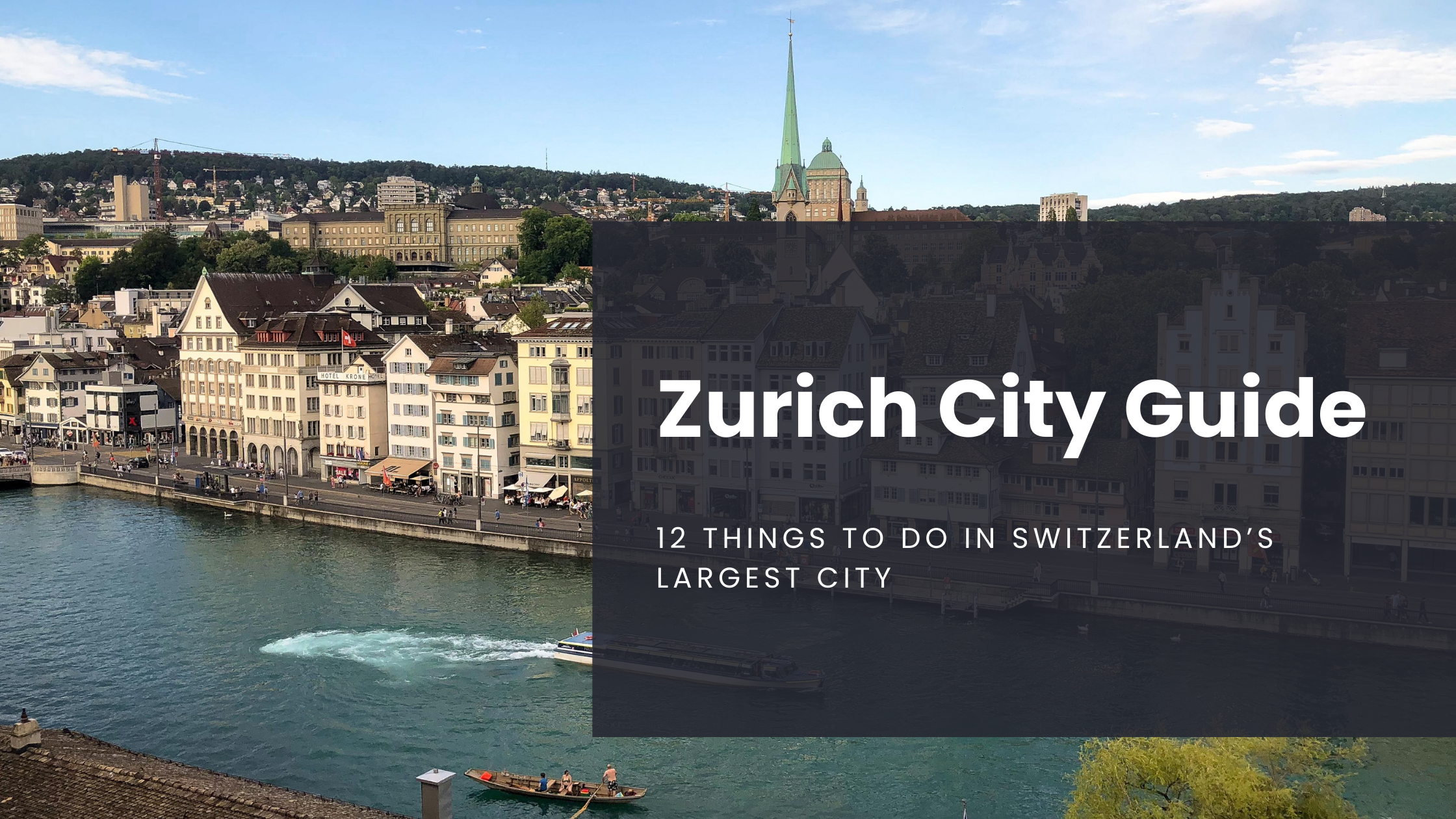
Zurich City Guide: 12 things to do in Switzerland's largest city
Whether it's 5 hours or 5 days, here are some different ways to make the most out of your time in Zurich, Switzerland. Be sure to pack an appetite!
Please note: All information below is up to date as of May 2023
Work has kept me on the move for the better part of the past four years, bouncing between towns and villages around the world every few days. My restless feet have never been known to balk at the chance to explore a new place, so I’ve grown accustomed to taking myself on whirlwind tours of wherever I might find myself.
Thankfully, a Switzerland itinerary Switzerland itinerary has frequently appeared on the calendar.
Zurich is a place I’ve been to on a few different occasions, each lasting less than 24 hours. It’s a city full of history, beautiful architecture, and delicious cuisine, so it’s easy to find something for everyone.
Here are the 12 top things to do when visiting Switzerland’s largest city. Spoiler alert: bring your appetite.
1. LINDENHOF PARK
Located within Zurich’s Altstadt (old town), Lindenhof Park offers panoramic views over the River Limmat and sits on top of the city’s remaining Roman medieval wall. The square also happens to be the site of the Roman and Carolingian era kaiserpfalz, the emperor’s castle, in which the city was built around.
Grab a beer and a pretzel, take a seat on the wall, and enjoy the views in the evening glow. It’s a popular thing to do in Zurich for both locals and tourists alike!

Lindenhof Park - Zurich, Switzerland
2. FIFA WORLD CUP MUSEUM
What better place to learn about Europe’s most popular sport than where the headquarters of the Federation Internationale de Football Association, otherwise known as FIFA, is located?
Opened in 2016, the FIFA World Football Museum takes visitors on a journey through the sport’s history with over 1,000 exhibits, photographs, and texts. It certainly doesn’t hurt that entry is free when you use your Zurich Museum Card.
If you don’t have one, it’s no problem! A ticket will cost you CHF 24 (just over $24) and can be purchased online by clicking here. It makes for a great rainy-day activity!
Address: Seestrasse 27, 8002 Zurich, Switzerland
Hours: 10am-6pm. Closed on Mondays, so plan ahead!
Website: www.fifamuseum.com
3. RESTAURANT LE DEZALEY
Add a hearty portion of Emmenthaler cheese to a moderately aged Gruyère, melt it down, put together a plate of charcuterie, and what do you get? One heck of a meal!
Tucked away in Zurich’s old town, Le Dezaley has been serving up some of the best Swiss dishes in all of the city since opening its doors in 1903, but there’s one main reason to visit: the fondue.
Despite feeling as though you’ve uncovered a hidden gem, the consensus is that the chefs at Le Dezaley do fondue better than anyone else around, so your safest bet to ensure access is to reserve a table ahead of time which, conveniently enough, can be done online by clicking here.
Wherever you choose to go, devouring cheese fondue is a must-do during your time in Zurich! Bonus points if you can say “Swiss dish” ten times fast.
Address: Romergasse 7-9, 8001 Zurich
Hours: 11:30am - 2:00pm & 6:00pm - 12:00am, closed on Sundays
Website: www.le-dezaley.ch
4. OLD TOWN
Also known as Altstadt, this quaint and car-free part of Zurich is where history began for Switzerland’s largest city. It’s here where you’ll find some of the most important landmarks, such as the Fraumunster Church which was built in 853 by the German King Louis for his daughter, Hildegard.
The church is now home to a set of five stained glass windows from world-renowned artist Marc Chagall and serves as a popular destination for tourists.
If shopping is more your thing, make your way over to the Niederdorf District and browse the selection of eclectic boutiques.
Wandering isn’t for everyone, and that’s ok. Luckily there are free tours of the city that lead visitors around to all of the major cultural spots and are available in multiple languages. Visit Free Walk Zurich’s website for more information.
5. RIVER LIMMAT CRUISE
All you need is an hour to spare to discover Zurich from the water.
Embarking from the National Museum, the River Limmat Cruise offers a cheap way to float past famous landmarks around the city, such as the Grossmunster Church and Town Hall, as you make your way to Lake Zurich. The glass-roofed boats guarantee an incredible view regardless of your seat.
Be sure to check dates and timetables in advance as tours are only offered between April and October. The best part? prices start at CHF 6.80 (USD 7.50)!
Address: Zurich Landesmuseum Schiffsteg, 8001 Zurich, Switzerland
Timetables: Click here.
Special Note: The company’s website specifically mentions that boats are not suitable for wheelchairs.

Zurich, Switzerland as seen from the River Limmat
6. LINDT CHOCOLATE FACTORY
This is your chance to live like Willy Wonka.
The Lindt factory offers a glimpse into how different chocolates are made as well as a variety of classes so that you can learn to make your delectable dessert under the tutelage of a master chocolatier.
A new 20,000 square meter facility, The Lindt Chocolate World, will open in 2020 and serve as the chocolate lover’s version of Disney Land, containing the world’s largest Lindt store and chocolate fountain in addition to interactive exhibits and a research facility amongst other things.
Surely this will quickly rise to the top of things to do in Zurich once it opens. I’m drooling already!
Address: Seestrasse 204 , 8802 Kilchberg
Website: www.lindt.ch/en/
7. UNIVERSITY OF ZURICH BOTANICAL GARDENS
Travel around the globe without ever stepping foot outside of Zurich!
From alpine flowers to Mediterranean plants, there’s plenty to see, smell, and explore at the University of Zurich’s Botanical Gardens.
In total, the facility houses 9,000 plant species as well as 3 tropical domes. Entry is free and the greenhouses make for a great way to get your nature fix during a cloudy day! Visit during spring for the best viewing.
Address: Zolilkerstrasse 107, 8008 Zurich
Hours: 7am - 7pm during the week in the summer (8am-6pm on weekends), hours may vary during the off-season
** Tropical greenhouses are open from 9:30am - 5:00pm during summer months, hours may vary during the off-season
Website: Zurich Botanical Gardens
8. KARLSTURM TOWER
For sweeping views across the rooftops of Zurich, head over to the Karlsturm Tower and pay CHF 5 (or free for Zurich Card holders) to climb the 187 stairs to the top.
Part of the Grossmunster Church, this famous landmark is a former monastery that was built on top of the graves of the city’s patron saints, Felix and Regula.
With its rich history and panoramic views, this is a must-do activity in Zurich!
Address: Grossmunster, Grossmunster Platz, 8001 Zurich
Hours: Opens 10am, Monday-Saturday and 12:30pm on Sundays
Website: www.grossmuenster.ch
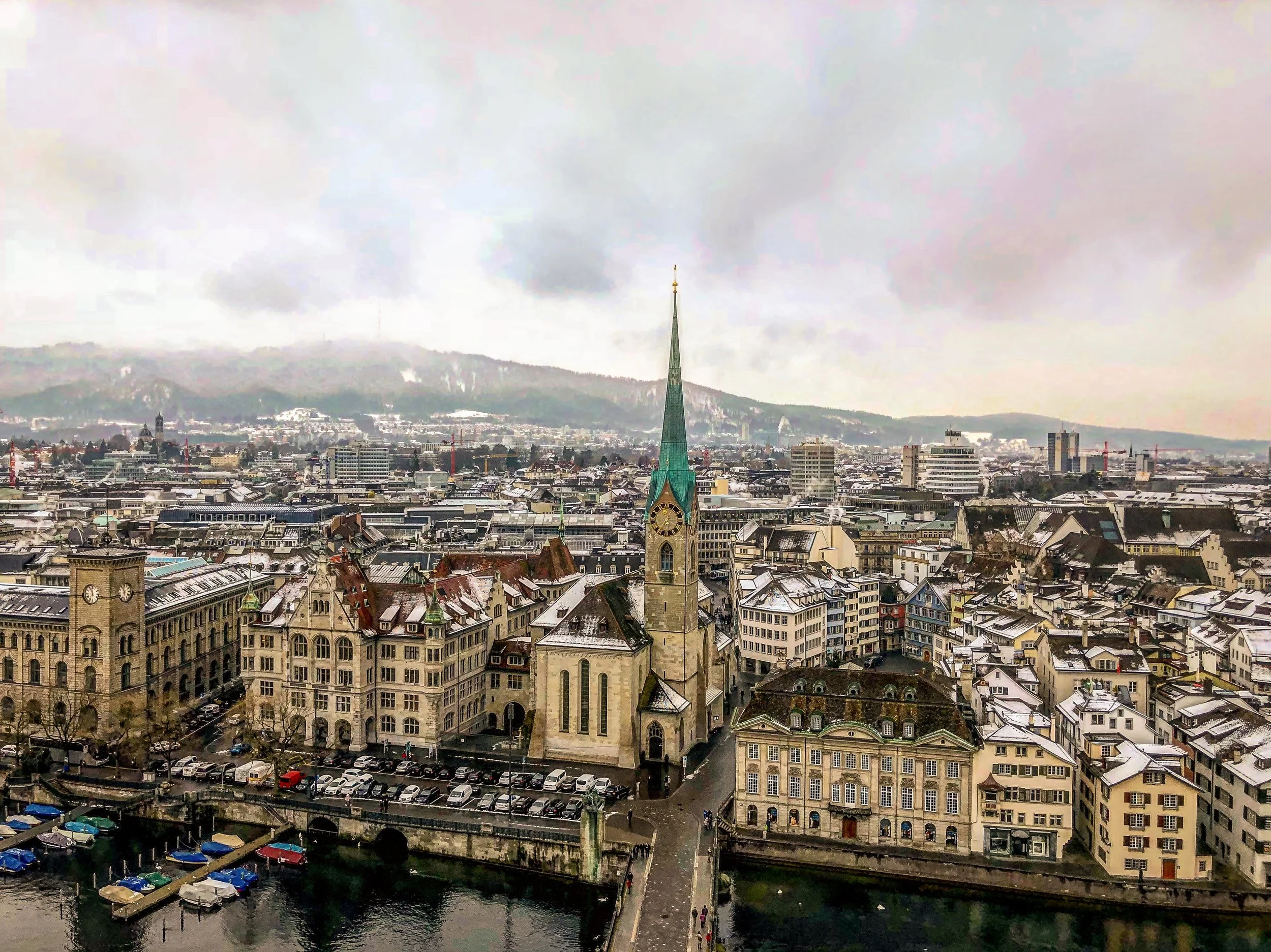
Zurich from above
9. LAKE ZURICH
The most expansive scenery around Lake Zurich can be found at the Burkliterasse, located at the end of the Bahnhofstrasse shopping street.
On a clear day, you’ll be able to see as far as the Swiss Alps!
Itching to get out on the water? This is where the Lake Zurich Navigation Company offers daily cruises that range from 1.5-4 hours in length. Spice things up and book a trip aboard the cheese fondue boat or break out the spandex and hop on the 80s party cruise!
Address: Burkliplatz, 8001 Zurich, Switzerland
Cruise Cost: Varies based on chosen package
Website: Lake Zurich Navigation Company
10. STERNEN GRILL BRATS
Locals and foreigners agree: Sternen Grill is home to Zurich’s best sausage.
Some say it’s the soft bread roll that puts it over the top while others are infatuated with the delicious spicy mustard. Either way, it’s worth the visit.
Seating is available, but my recommendation is to grab a takeaway, cross the street to the Sechselautenplatz and savor your brat while sitting lakeside beneath the shadows of the Opernhaus Zurich.
Roasted chicken is also available for purchase, so don’t worry if brats aren’t your thing.
Address: Theaterstrasse 22, 8001 Zurich, Switzerland
Hours: 10:30am - 11:45pm, daily
11. SWISS NATIONAL MUSEUM
Located along the River Limmat and mere minutes from the train station, this museum is the most frequently visited in all of Switzerland.
Exhibitions usher visitors chronologically through ancient times, Middle Ages, and into the 20th century. Entry is free with the Zurich Museum Card or CHF 10 without it.
This is also where the River Limmat cruise boats depart, so not only is it a great way to learn about Switzerland’s history but then you can get out and explore it!
Address: Museumstrasse 2, 8001 Zurich, Switzerland
Hours: 10:00am - 5:00pm, closed on Mondays
Website: www.landesmuseum.ch/en
12. CHINAGARTEN
An underrated yet great thing to visit in Zurich is the city’s Chinese Gardens, especially if you’re in search of peace and tranquility.
The garden was a gift from Zurich’s sister city, Kunming, as a way to express gratitude for the Swiss’ efforts in providing technical and scientific support towards the expansion of drinking water supplies and urban drainage.
Certainly a beautiful place with a meaningful story behind it.
Address: Bellerivestrasse 138, 8008 Zurich
Entry Fee: CHF 4
Hours: 11:00am - 7:00pm
** The garden is closed in winter months
Website: Zurich Chinagarten
Whether you have 2 hours or 2 days to wander the city, it’s worth getting out and about to experience the Swiss culture.
Snack on a pretzel, sample some chocolate, and learn about the history as you go!
Have any other recommendations for Zurich that I might have missed? Feel free to leave a comment below. I enjoy hearing from you all!
Thanks for following along with Toone’s Travels! As always, stay safe & happy travels.
Check out these tours through GetYourGuide:
Sharing is caring… pin this post for later!


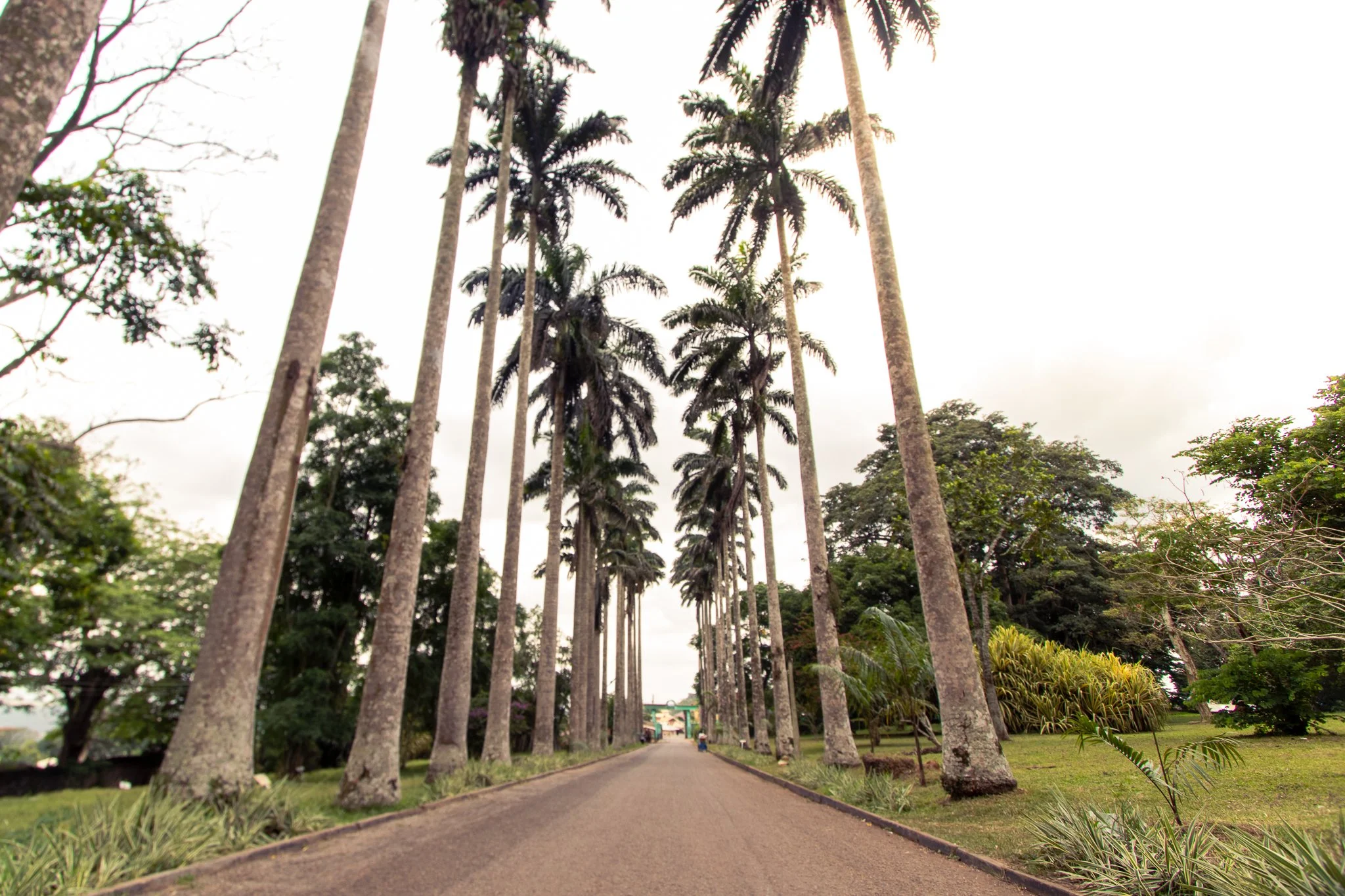
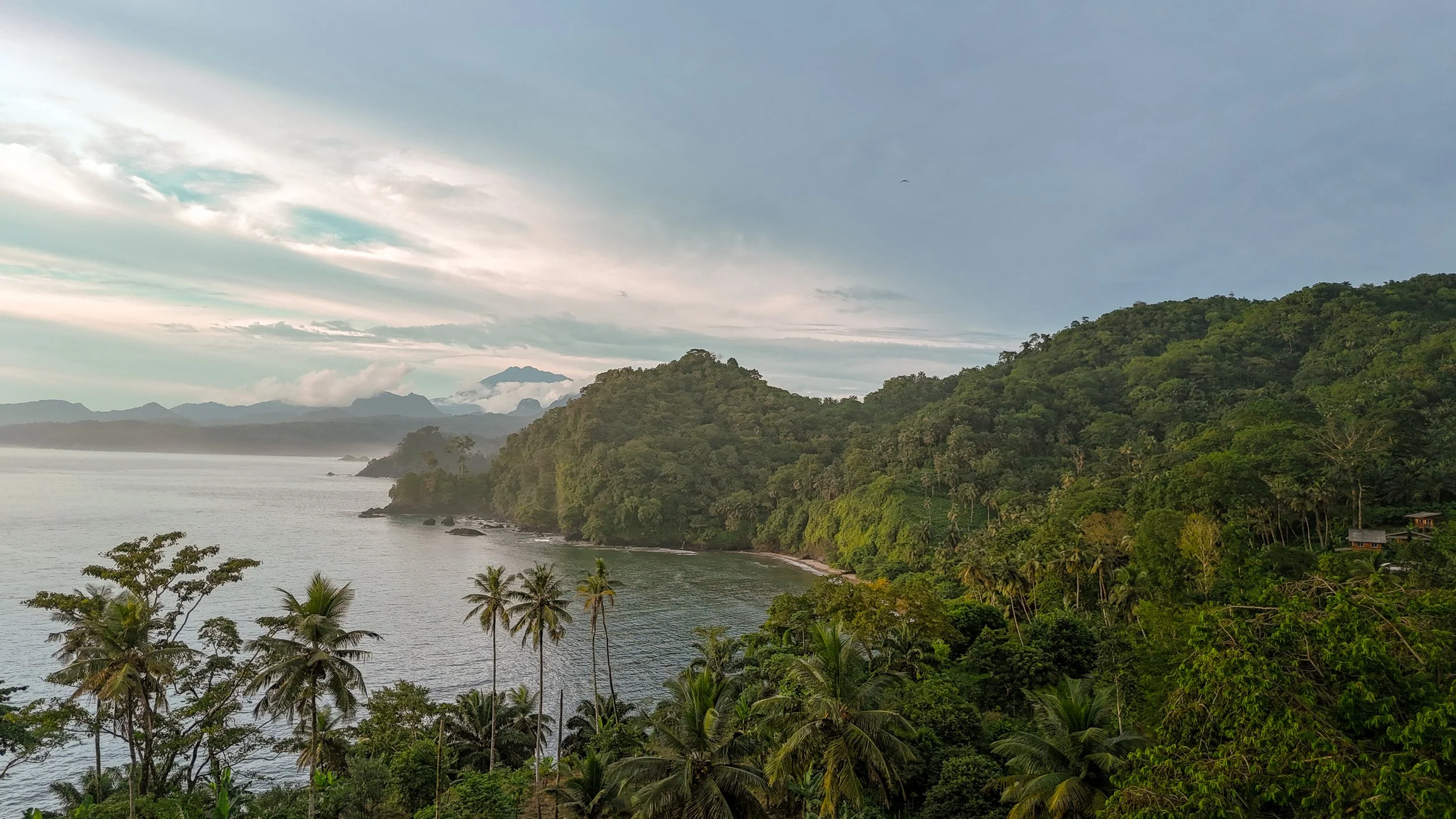
After three years living in Ghana, these are ten of the most unforgettable travel experiences across Africa that changed how I see the world…