
Three Years Living in Africa: 10 Experiences I’ll Never Forget
After three years living in Ghana, these are ten of the most unforgettable travel experiences across Africa that changed how I see the world…
Three years isn't a lifetime, but it's long enough for a place to change you. When I packed up my apartment in Chicago and moved to Ghana in 2022, I expected a change of scenery, maybe an adventure here and there or at least a good story to come home and tell when I, what I figured would be inevitably, decided to return home.
What I didn't expect was how dramatically my perspective on travel, nature, and life would shift; how the journey would become much more impactful than the destination.
Looking back, these aren't necessarily the "best" places I've visited. They're simply the moments that have stayed with me the most.
Three Years, Ten Experiences That Changed Everything
10. Wechiau Hippo Community Sanctuary, Ghana
Imagine yourself in a dugout canoe with a single paddle, a rushing Volta River in one of the most remote parts of Northern Ghana, and a bloat of hippos staring you down while you hang onto the shoreline branches.
In Ghana’s Upper West Region, along the border with Burkina Faso, the Wechiau Community Hippo Sanctuary protects a 40-kilometer stretch of the Black Volta River and the surrounding woodlands.
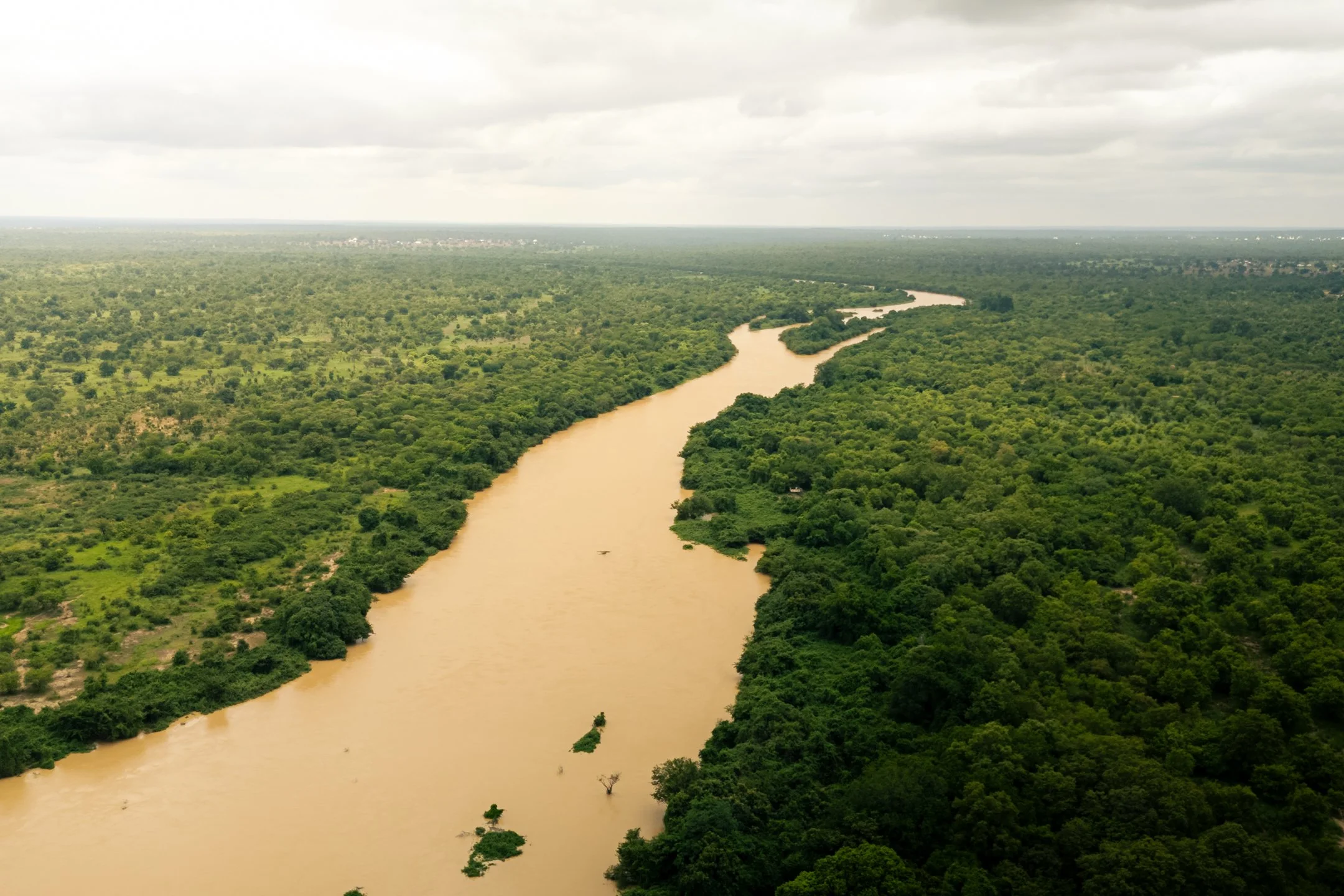
The flooded waters of the Black Volta River, separating Ghana (right) from Burkina Faso (left)
It’s not easy to reach; we managed to arrive after 3 days of driving endless dirt roads from the Eastern Region, but it was well worth the effort. We had spoken to someone who had visited the week prior, spent hours on the river, and didn’t manage to see a single hippopotamus.
As we entered the small house that doubled as a museum, our guides were excited to tell us they had just concluded a census and knew exactly where to look, so we hopped back in the car, picked up our boat captain at the next village en route to the river bank, and off we went. Within ten minutes of paddling against a heavy current, we found ourselves face to face with these majestic animals, nothing but a wooden canoe between us and turning into their afternoon snack.
It sounds a bit crazy, right? It was, but it was also raw and stripped down; the purest form of seeing these hippos in Ghana in their most wild state.
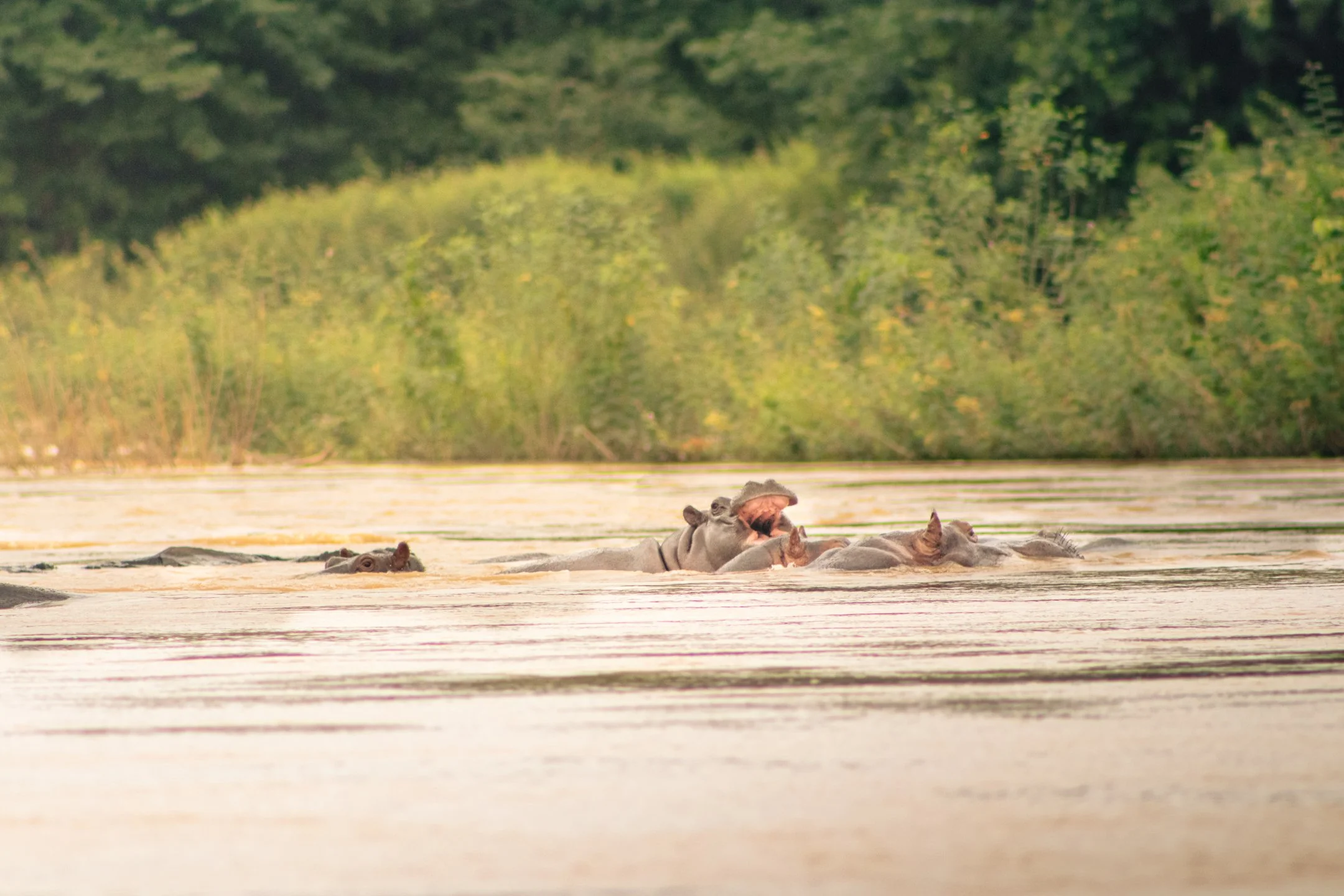
A bloat of hippos in the flooded Black Volta River, part of the protected Wechiau Hippo Sanctuary in Ghana
9. Lake Kivu, Rwanda
Central Africa had been brewing in my mind. Ever since reading Heart of Darkness in high school, the Congo and its mysteries have been tucked away into my subconscious. The longer I stay in Africa, the more I find myself daydreaming about it.
Traveling to Rwanda was a last-second decision, less than a week between booking the ticket and boarding the plane, so I didn’t have much planned beyond knowing I wanted to at least see the Congo, even if I couldn’t enter. Lake Kivu was the closest I could get.
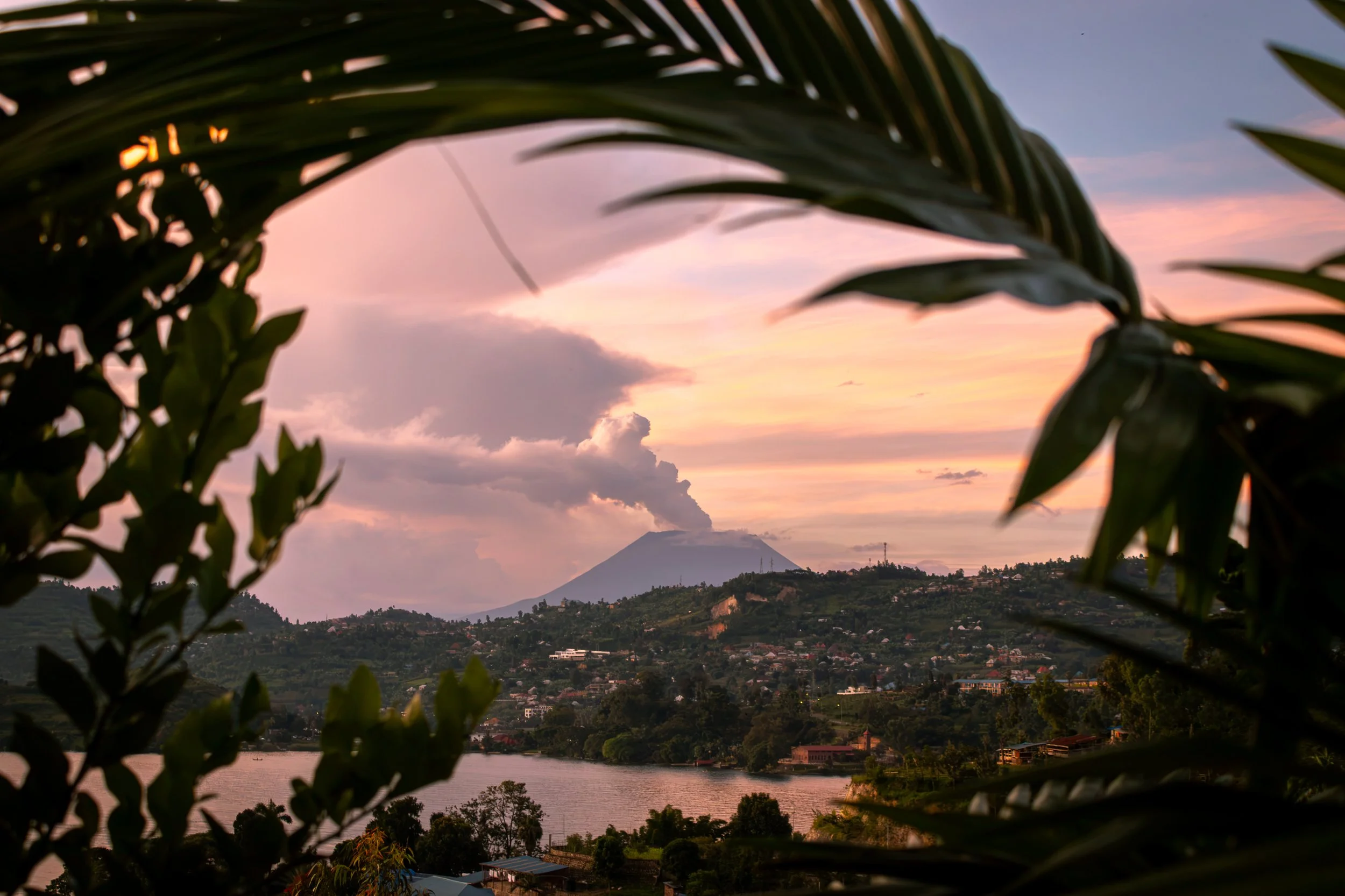
Mount Nyiragongo, in the Democratic Republic of the Congo, with Lake Kivu in the foreground
Rwanda is a complex country with a dark history, having endured the 1994 Tutsi genocide. It’s a tiny nation filled with greenery and rolling hills, but one gets the sense of something “deeper” going on, and the truth is, the fallout from the genocide is a major driving force behind the current conflict in Eastern Congo, but I digress.
Lake Kivu straddles Rwanda and the Congo and sits at the base of active volcanoes with tectonic plates nearby. Why is this important? Large amounts of carbon dioxide and methane gas are trapped at the bottom, and scientists believe a volcanic eruption or earthquake may just be enough to shake the water levels and release the toxic gas.
One can’t deny the natural beauty, though. At the time of my visit, both the Rwandan and Congolese Governments were set to reopen the border at Gisenyi. I spent my time staring across Lake Kivu, into the Congo, and listening to stories from my Belgian host about growing up in Bukavu and her experience living in post-genocide Rwanda, and, of course, swimming in Lake Kivu, flanked by conflict to the west and volcanoes to the east.
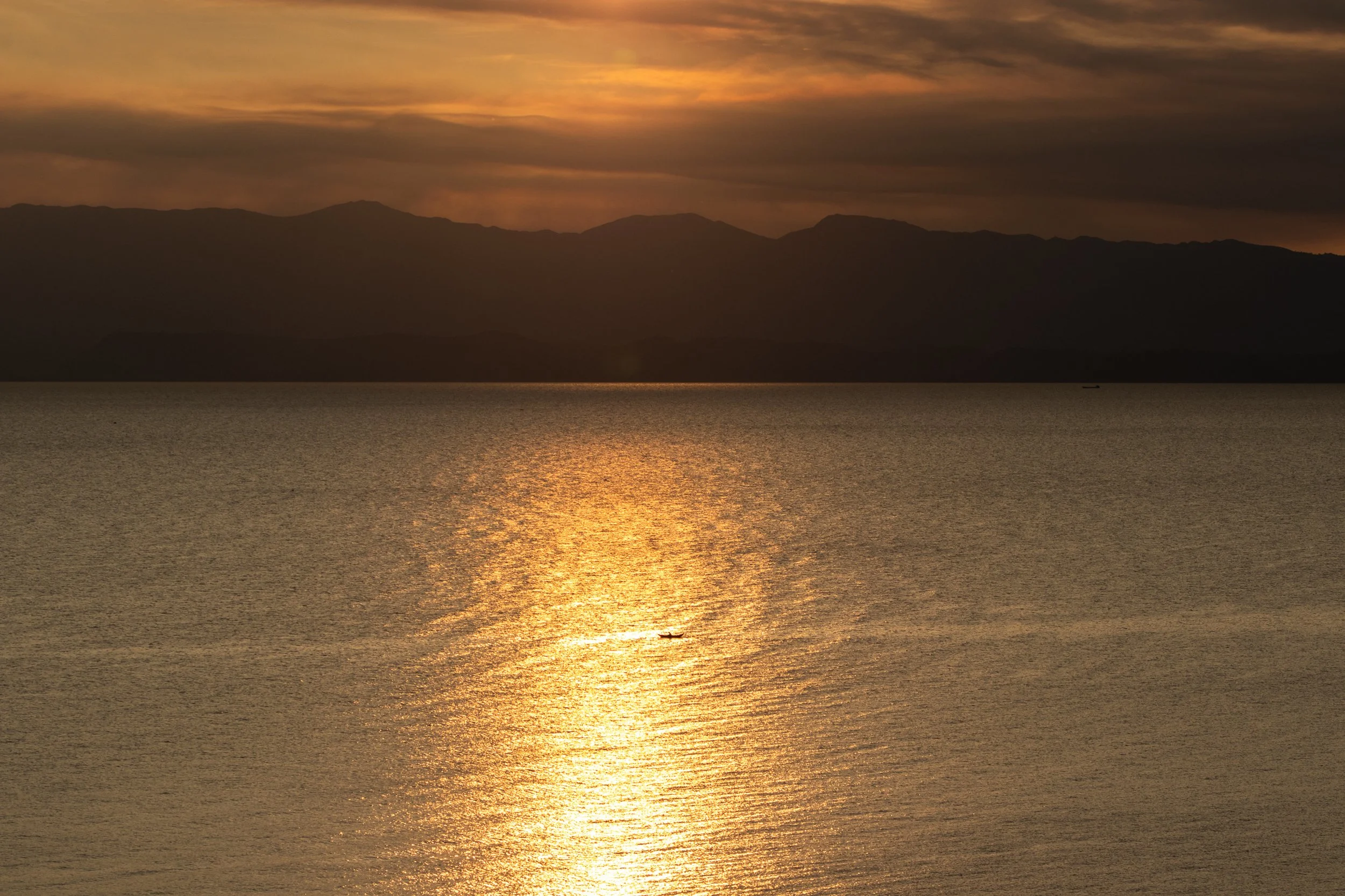
A boat floats on Lake Kivu at sunset as a storm rolls in, shot looking towards the Democratic Republic of the Congo
Rwanda left me with more questions than answers. A country scarred by its unimaginable history, embroiled in regional conflict, and a lake that’s one natural event away from disaster - how much can one place endure? Time will tell. In the meantime, I’ll carry the stunning scenery of Lake Kivu with me for a long while.
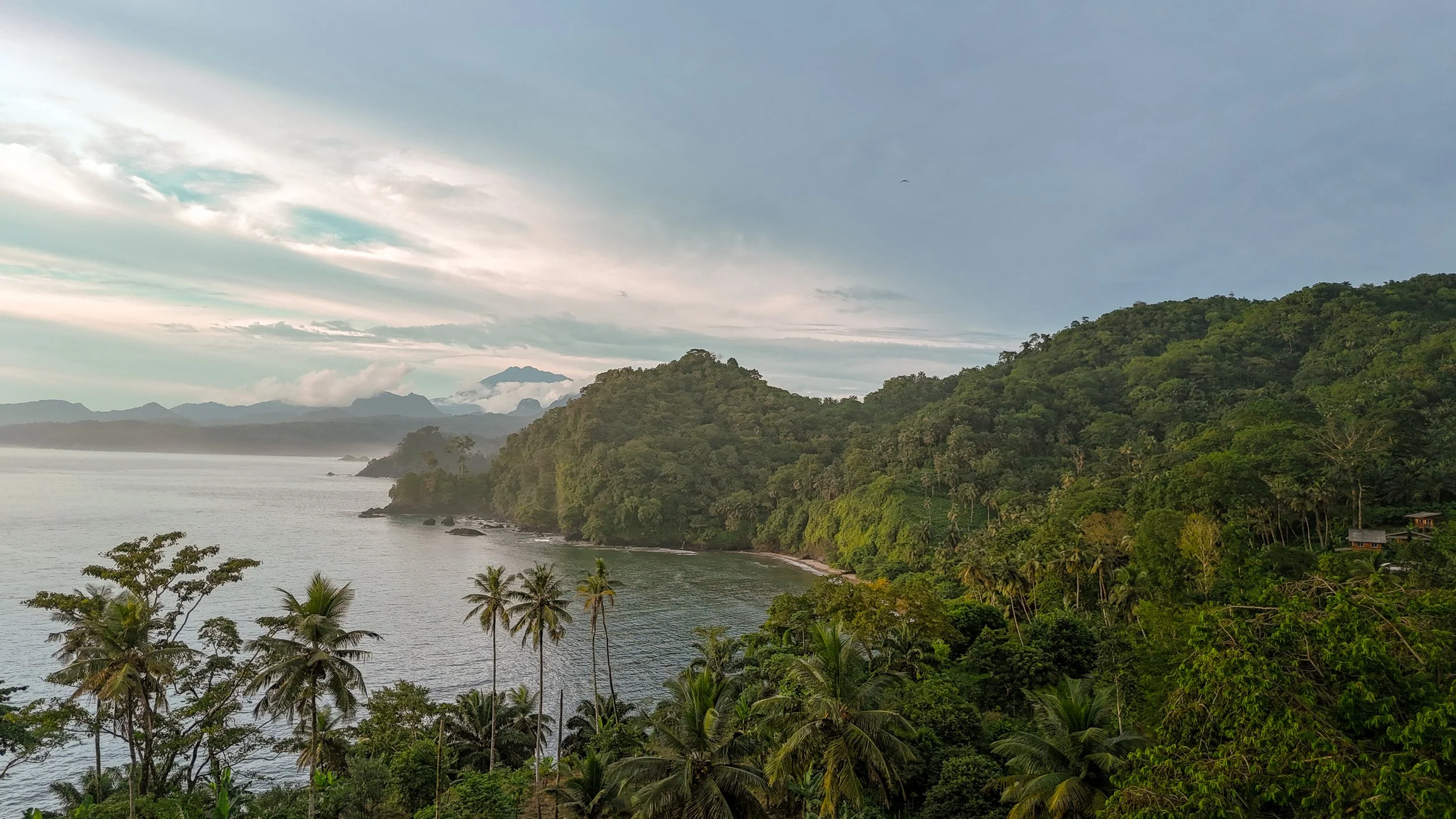
8. São Tomé and Príncipe
The second smallest sovereign state in Africa, one of the least visited countries in the world, São Tomé and Príncipe is less than a two hour flight from Accra and, seemingly, a convenient place to explore for someone living in Ghana.
Although a short flight, São Tomé and Príncipe isn’t the easiest to visit. The country isn’t on the international banking system, which means credit cards don’t work outside of higher end hotels and most foreign debit cards aren’t accepted at ATMs. That means that a certain level of planning and foresight (neither are a strong suit of mine) are important to ensuring you don’t run out of cash during your stay.
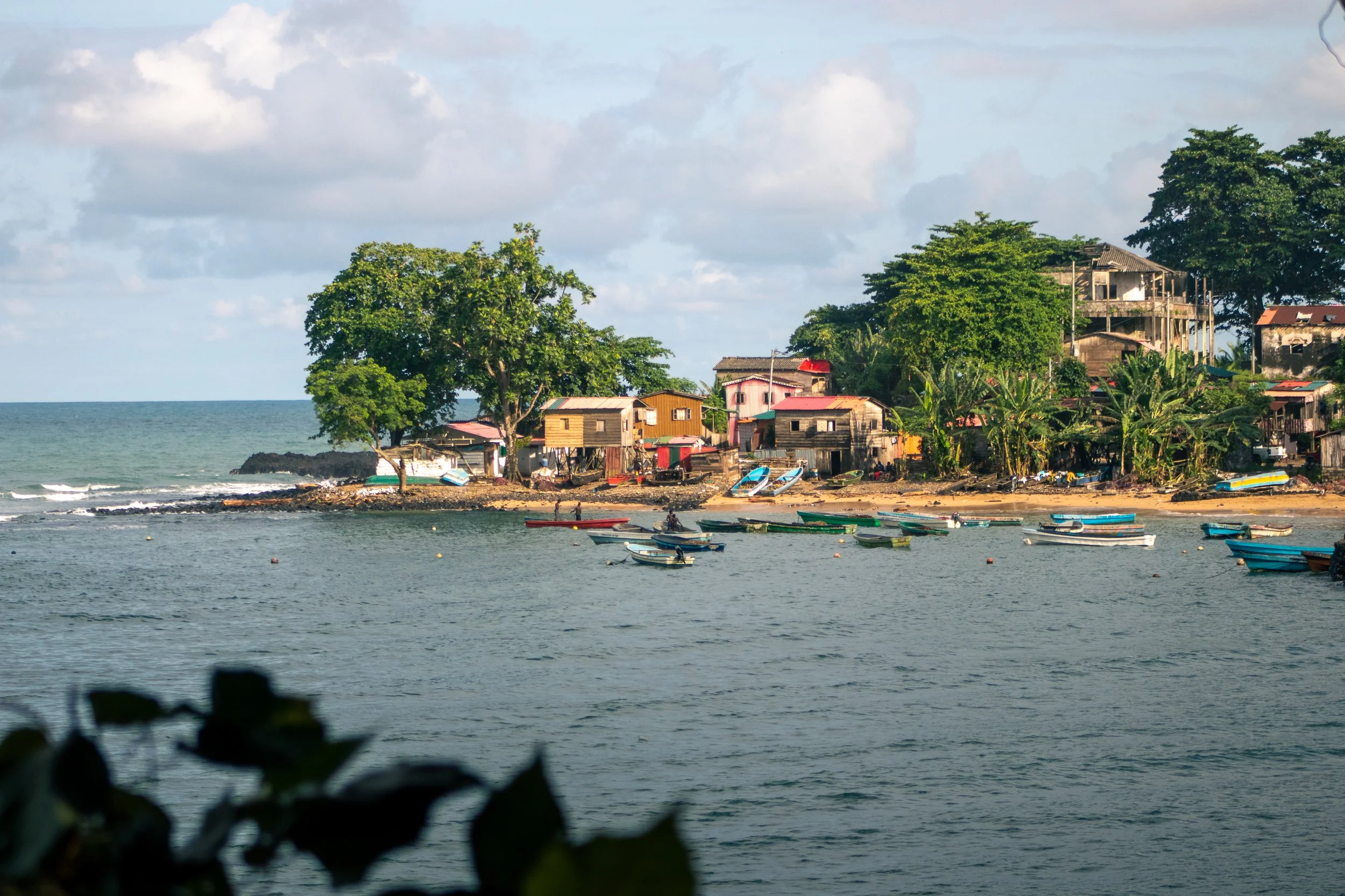
Porto Alegre, a remote village on the southern part of São Tomé, is one of the more difficult places to reach on the island
A few torrential rain storms and an overheated rental car later, São Tomé treated me to unspoiled nature like I’ve never seen, highlighted by coastal drives, coffee plantations, and the majestic Pico Grande, a volcanic plug that dominates the interior landscape of the country.
Such low tourism numbers also come with poor infrastructure. Roads are often difficult to navigate, especially after rain, power and phone networks frequently cut out, and healthcare is challenging to access. São Tomé and Príncipe isn’t necessarily a place to vacation, rather a trip to see, experience, and be a part of.
It’s one of the few places I’ve traveled where I truly felt disconnected from the outside world, where being present was the norm, not the exception.
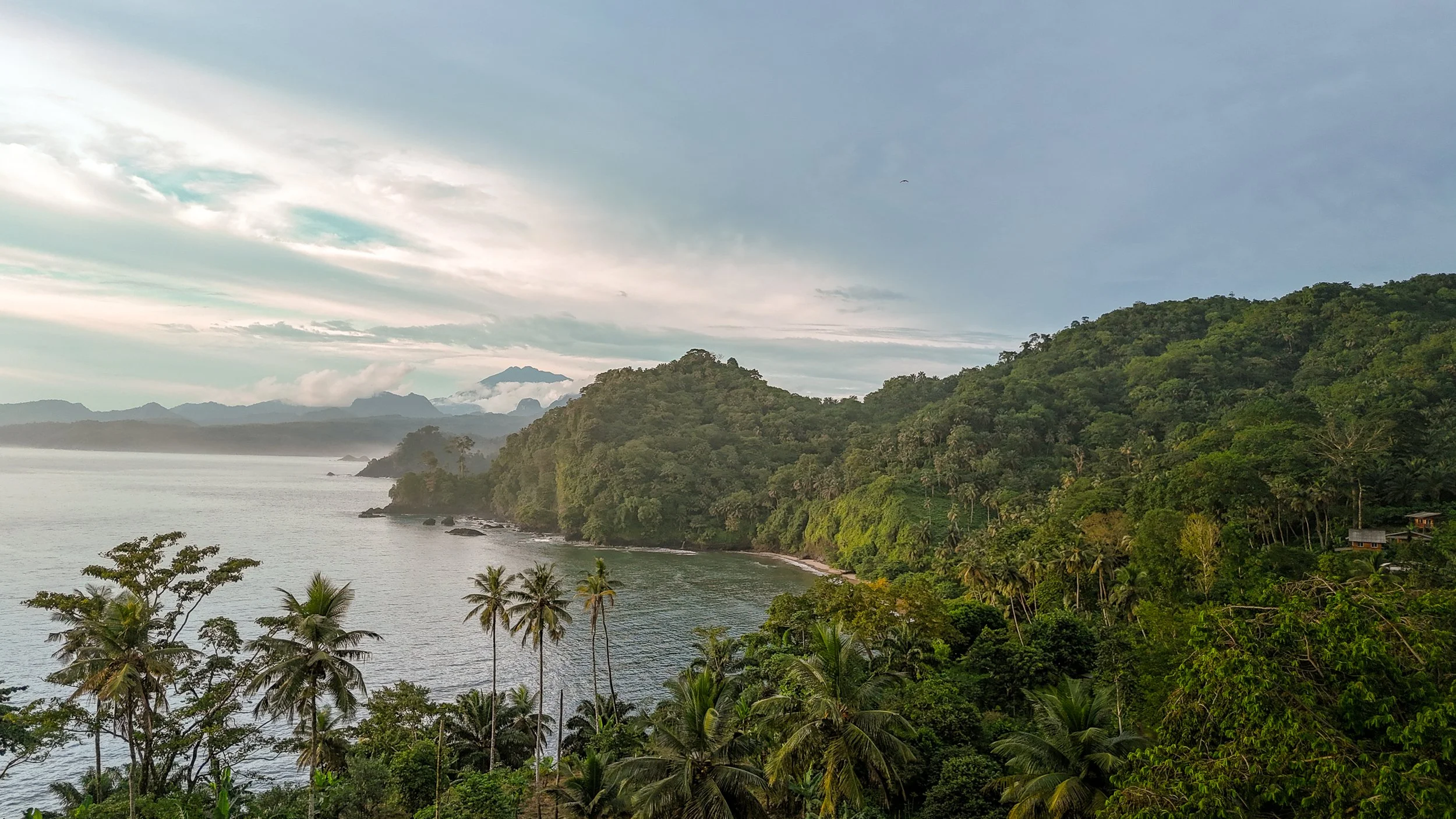
The island of São Tomé is filled with unspoiled nature and landscapes
7. Liwonde National Park, Malawi
Liwonde National Park encompasses 54,000 hectares of land and stretches along the Shire River, making it one of the premier wildlife destinations in Malawi.
By day, the winding dirt roads yielded spectacular sightings: juvenile elephants attempting to assert their dominance, a cheetah digesting a fresh kill, and more.
As the scorching sun started to dip, I, along with the few other guests, clamored onto a boat and headed towards the Shire River.
Out in the open water, we quickly heard grunting, and a hippopotamus surfaced from below. Then another. And another. “Behind us”, our guide shouted as three more surfaced with a loud noise. “Look ahead,” another person said as five more appeared in the distance.
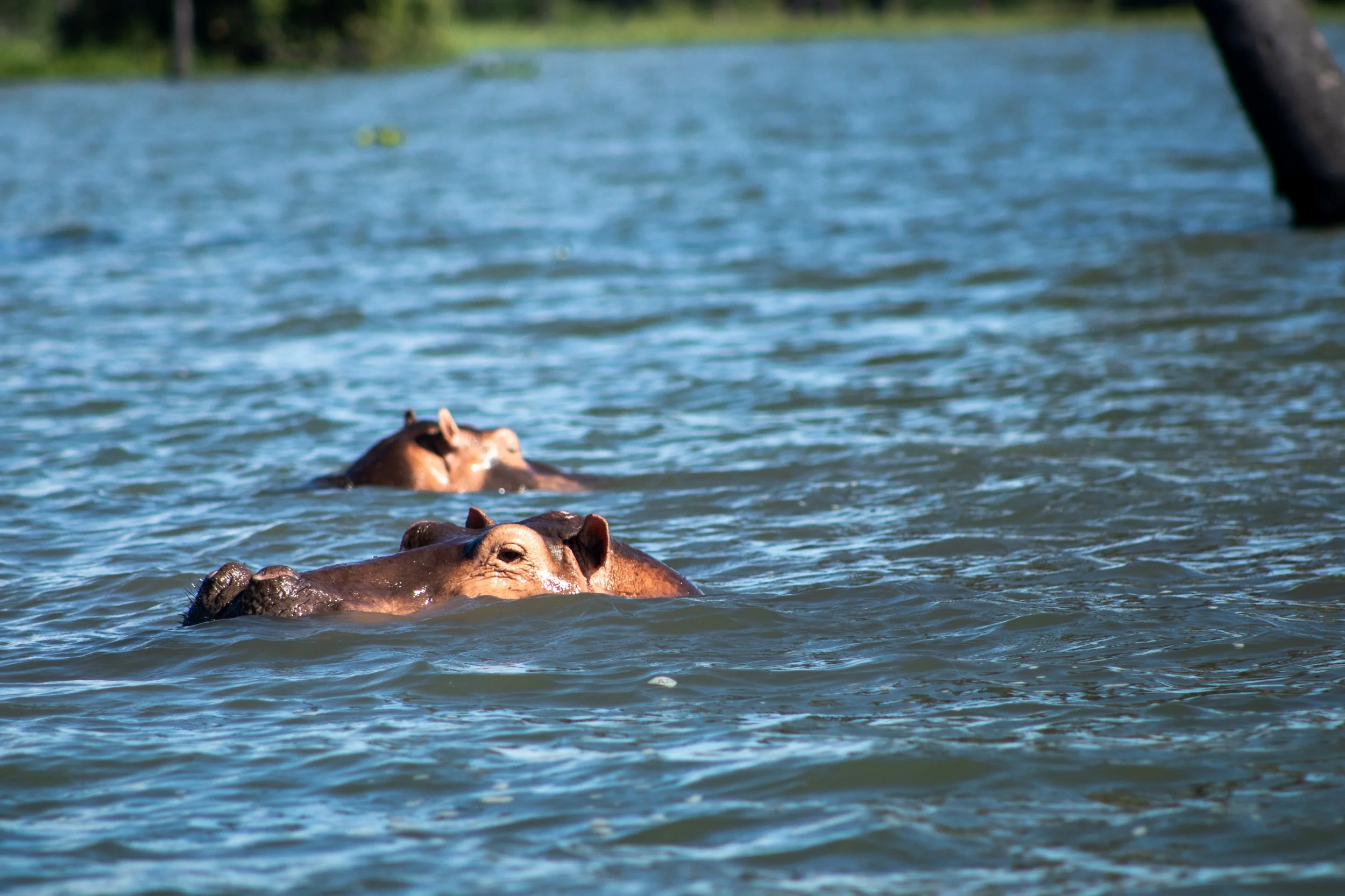
Hippos breach the surface of the Shire River inside Liwonde National Park, Malawi
For a period of time, I didn’t know where to look. As we bobbed up and down in the boat, hippos kept coming and going, seemingly nonstop, so much so that I lost count. I later found out that Liwonde National Park is home to an estimated 2,500 of them!
We continued making our way through the traffic, approaching a family of elephants on the riverbank as they cooled themselves in the water with the evening glow perfectly illuminating the scene. Again, a splash of water, a grunt, and an exclamation: “more hippos, turn around”.
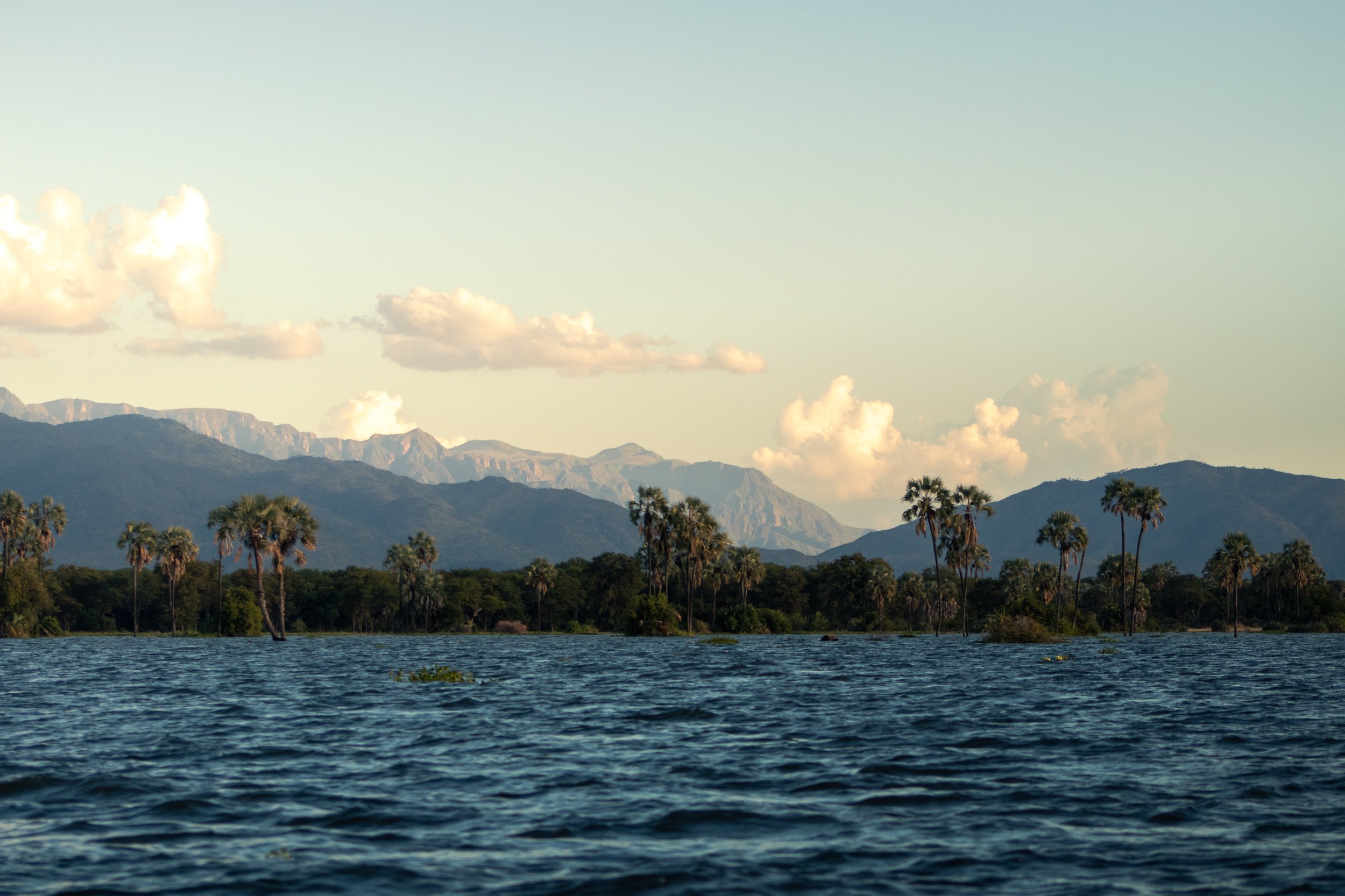
The sun sets along the flooded shores of the Shire River in Liwonde National Park, Malawi
I had come across these majestic, yet volatile animals one other time before this trip, but never in this quantity and certainly not from the confines of a rickety boat with nowhere to go.
As we returned to camp at sunset, all I can remember was the feeling of peace and gratitude, ready for a good night’s sleep after a full day immersed in nature.
6. Sunrise Whale Watching in Hermanus, South Africa
Ever since whale watching in Kaikoura, New Zealand, I constantly find myself researching whale migration patterns anytime I take a trip that’s remotely near the coast. As it turns out, August is one of the peak viewing months for Southern Right Whales and the town of Hermanus, South Africa, located less than two hours' drive from Cape Town, is considered to be the whale watching capital of the world.
Too good to be true since I happened to have a month off work in August, right?
My thoughts exactly.
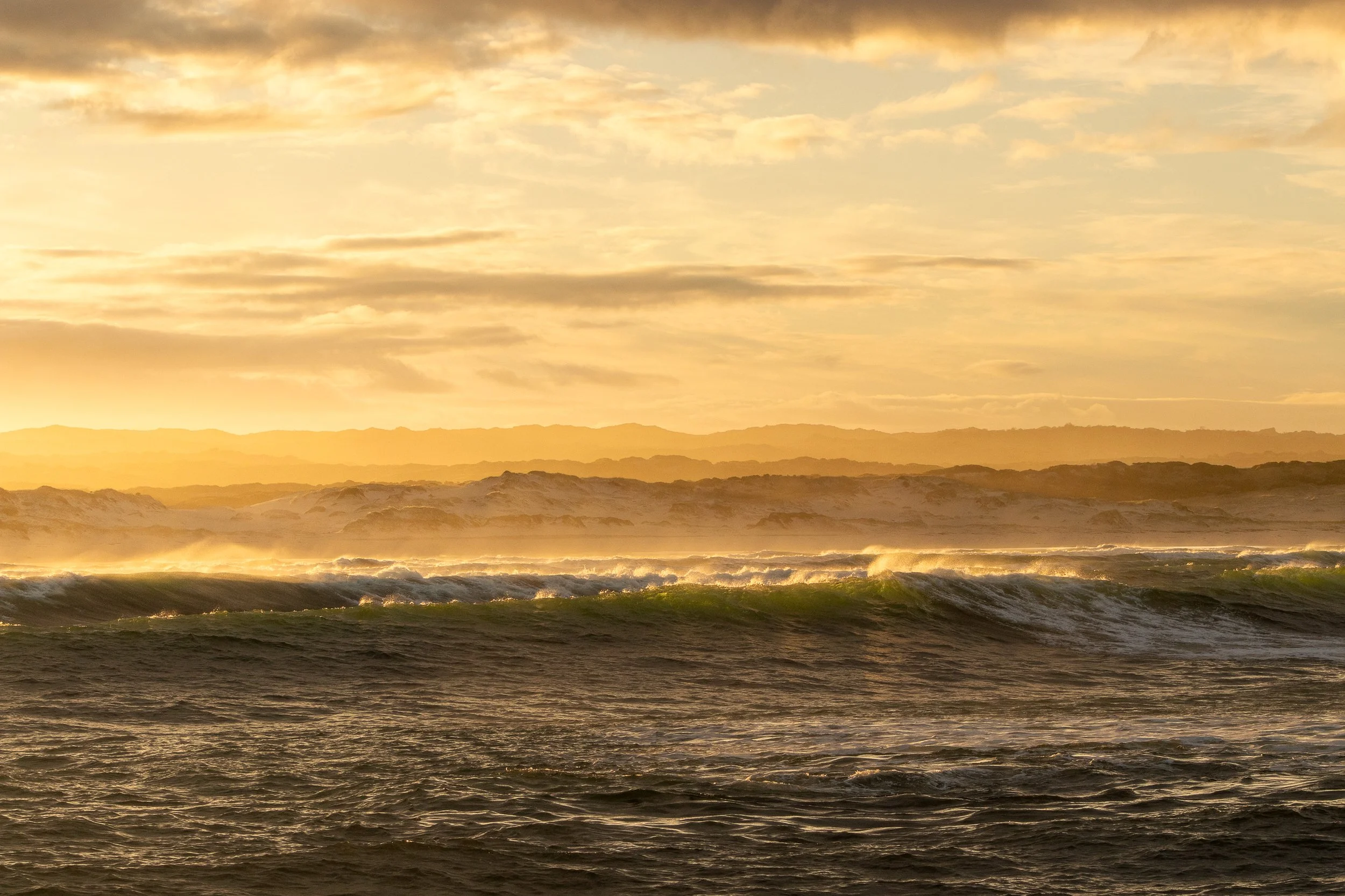
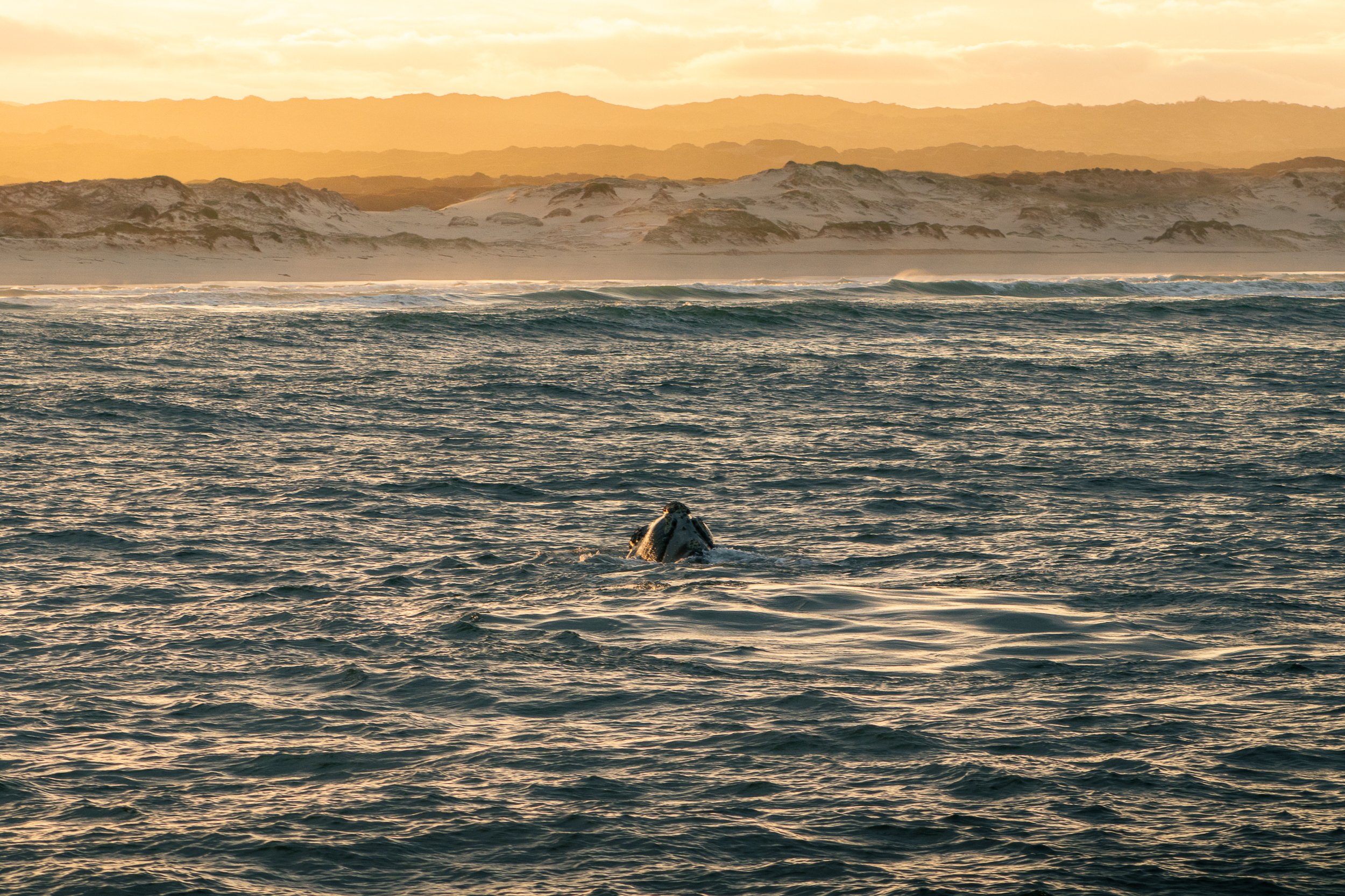
The morning light illuminates the bay in Hermanus, South Africa
Working with a small budget, I opted for the cheapest excursion I could find, which meant waking up at 4 am, bundling up in layers, sleepily making my way to the harbor, boarding a boat in the frigid dark, and heading out to the bay.
Soon enough, the orange glow of the sun warmed the cool South African winter morning as whales played in the waves around us.
Between an unbeatable sunrise scene and several whale sightings, this was one of the highlights of my time spent in South Africa, and an experience I won’t soon forget.
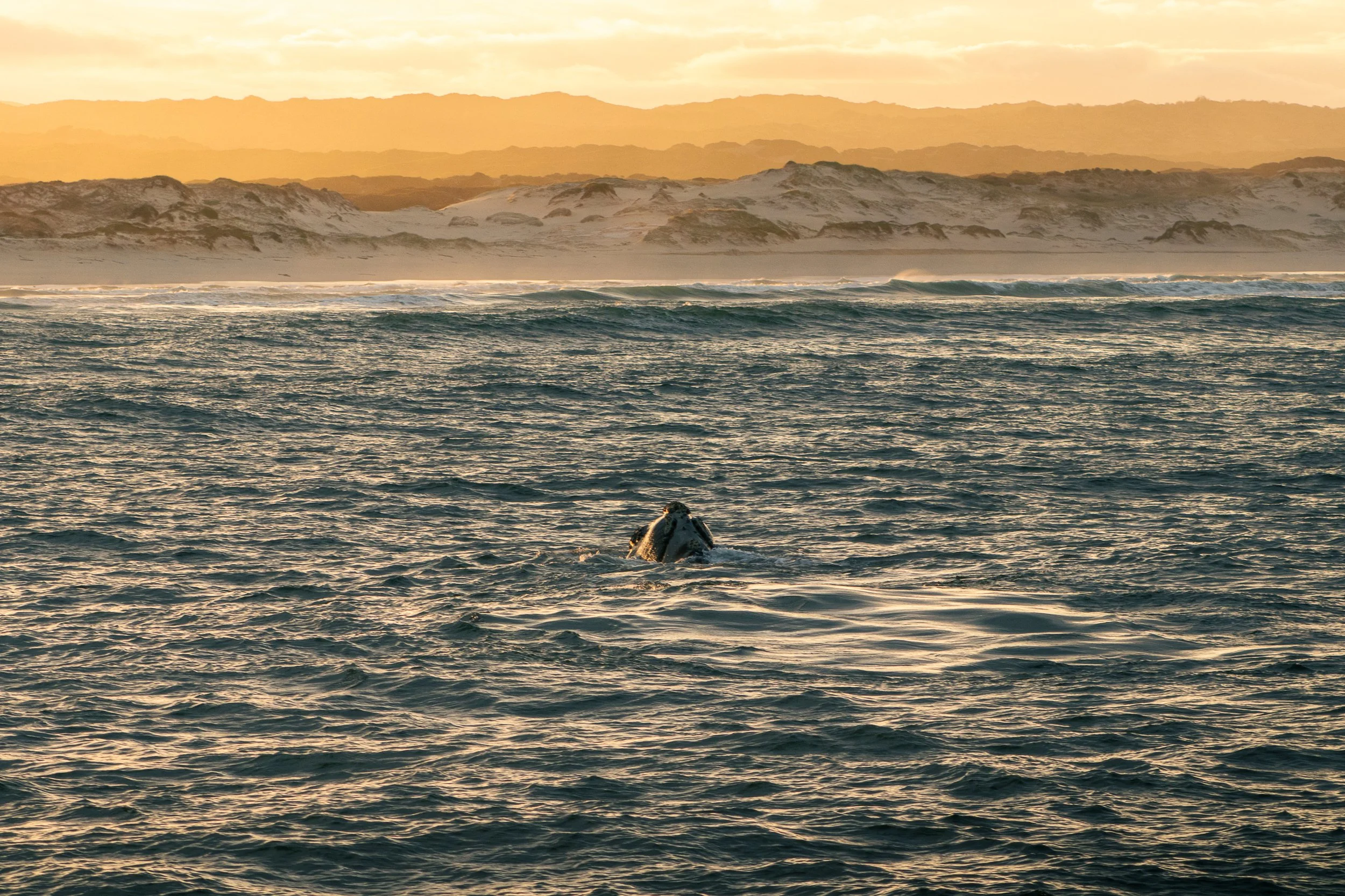
A whale breaches the water in the morning light in Hermanus, South Africa
5. Nyika National Park, Malawi
A quick internet search labels Nyika National Park as one of the most remote and hardest-to-get-to parts of Malawi.
Located in the Northeast of the country, the park itself spans into neighboring Zambia; however, it’s only accessible from the Malawian side.
Sitting on a plateau that rises to 2,600m, the name “Nyika” is derived from the phrase “where the water comes from.”
As Malawi’s largest, Nyika National Park is home to herds of zebra and is said (unsubstantiated in recent years), to have the highest density of leopards in Central Africa. From the logistics just to reach the entry gate to the unique and remote landscapes that awaited, I knew it was a must-visit.
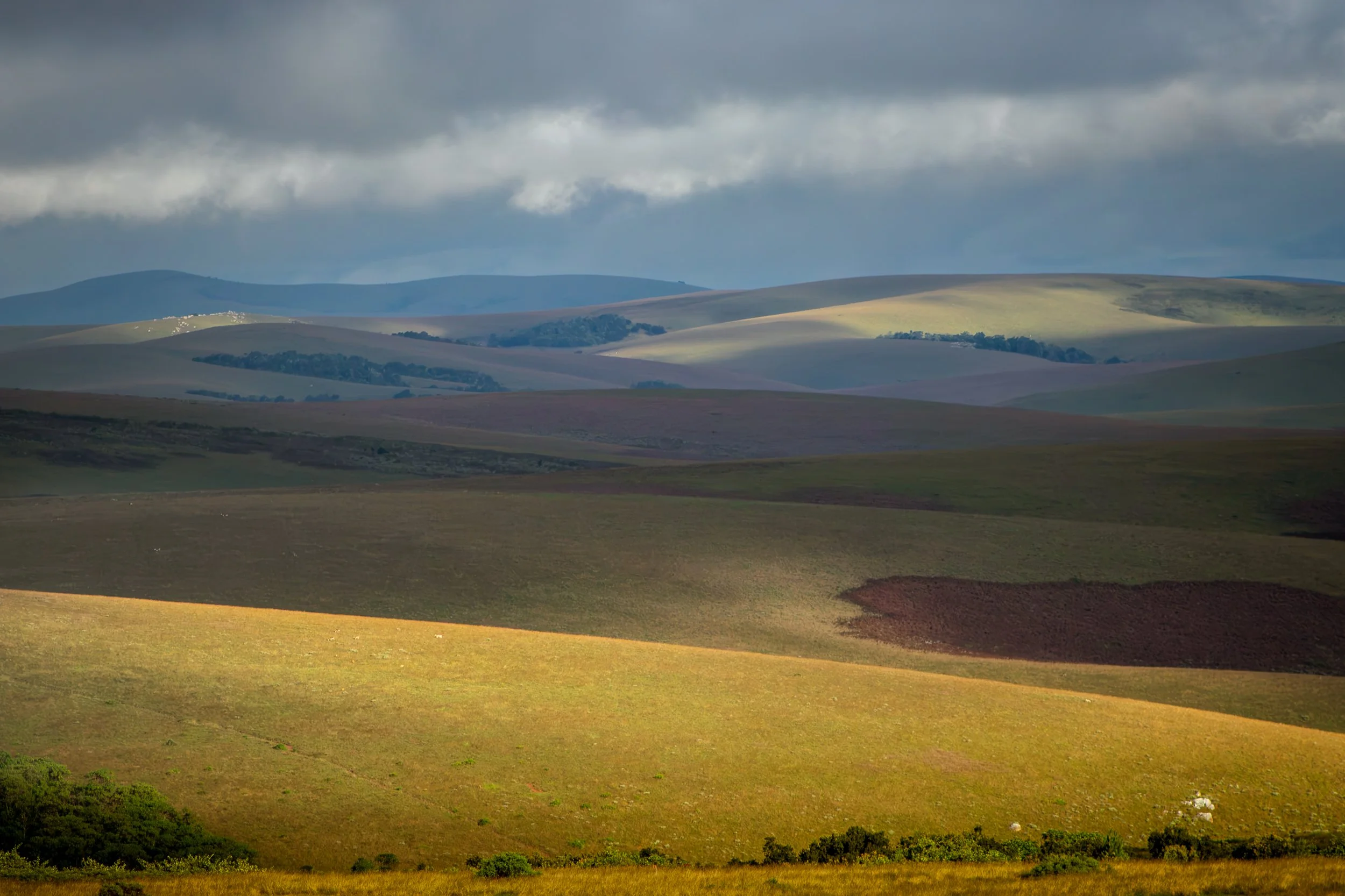
The rolling hills of Nyika National Park are often compared to the Scottish Highlands
So, I made my way from Southern Malawi to the north, using any means necessary, from car to moto to public ferry (see MV Ilala below), and finishing with a shared taxi to Mzuzu. Here, I picked up my Toyota Fortuner and set off.
Each time I mentioned “Nyika” as my destination at the police checkpoints, the officer grinned and said, “car might not make it, good luck.” A normal human being might get deterred after the fifth time, but it simply made me more intrigued.
The further I drove, the more the roads narrowed, and I began to question Google Maps. This seemingly endless, single-lane dirt road with no one in sight isn’t the best way to reach the park, right?
Wrong.
Sure enough, after hours of contemplating the repercussions of bursting a tire or overheating the car alone in the middle of nowhere in Malawi, a small cluster of homes appeared and led to the gates of Nyika National Park.
To describe the park as remote is an understatement. So much so that a worker asked to hitch a ride to the campsite; otherwise, he would have to walk the 60km to work and hope that a ride passed by. As it turns out, my new friend was extremely helpful when the car bottomed out and got stuck in the dense mud tracks 30km into the park.
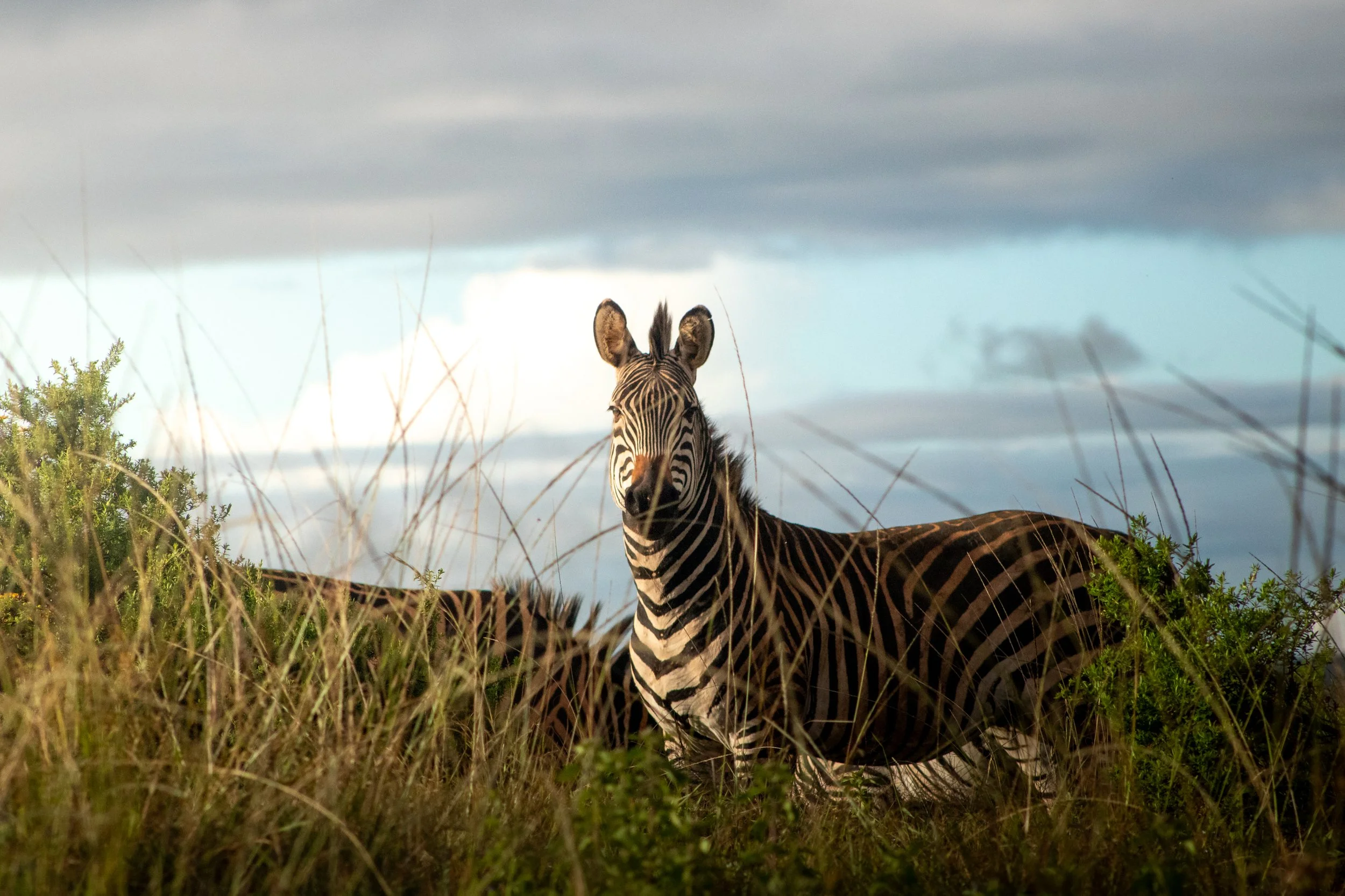
Zebras are one of the most dense animal populations inside Nyika National Park
I finally reached the campsite by nightfall, pitched my tent, dressed in every layer possible (admittedly, as I’m sure you can tell, I did not extensively research this trip before doing it and was severely underprepared), and settled in as one of three visitors in the entire 1250 square mile park.
The morning sun and campfire was a welcomed warmth to a shivering night. My guide walked me through the rolling hills, spotting herds of zebra along the way, before a solo mountain bike around the campsite in the evening.
I’m not sure if it was the nature itself or the effort it took to get there, but either way, Nyika National Park is a top thing to do in Malawi, as far as I’m concerned.
4. Togo’s Akodessawa Voodoo Market
Imagine you’re on the back of a motorbike in Lome, Togo. You arrive at your destination, step onto the sandy road with the afternoon sun beating down, and breathe in.
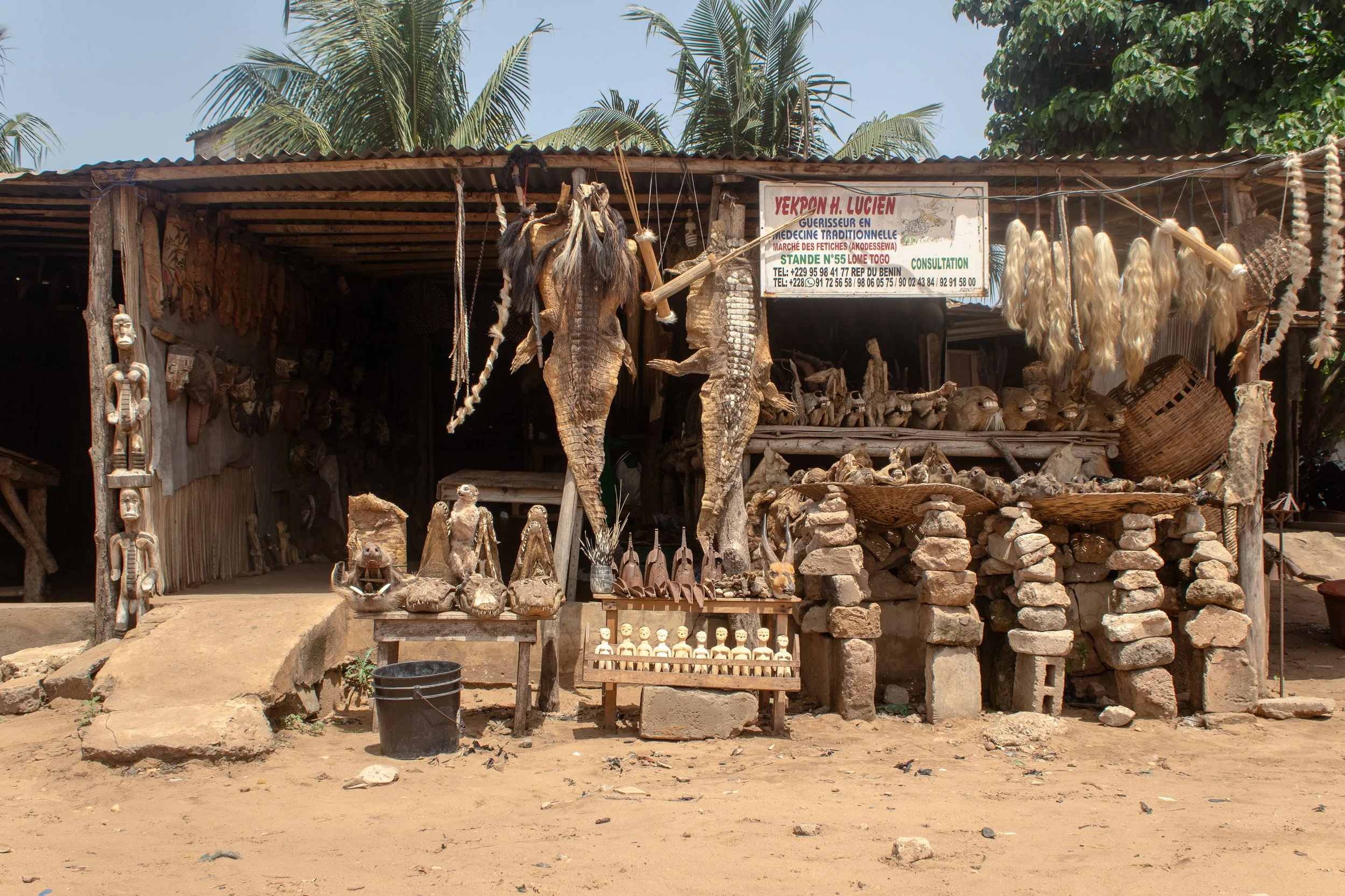
You nearly gag at the stench, turn a corner, and see an open space; stalls of dead animals line an open space, with a sculpture covered at the center, blackened by sundried blood sacrifices.
Welcome to Togo’s Akodessawa Fetish Market, the largest of its kind in the world.
For West Africans, it’s the one-stop shop for ingredients needed for the Voodoo religion, but for me, it was one of those moments that was a stark reminder of where I was in the world.
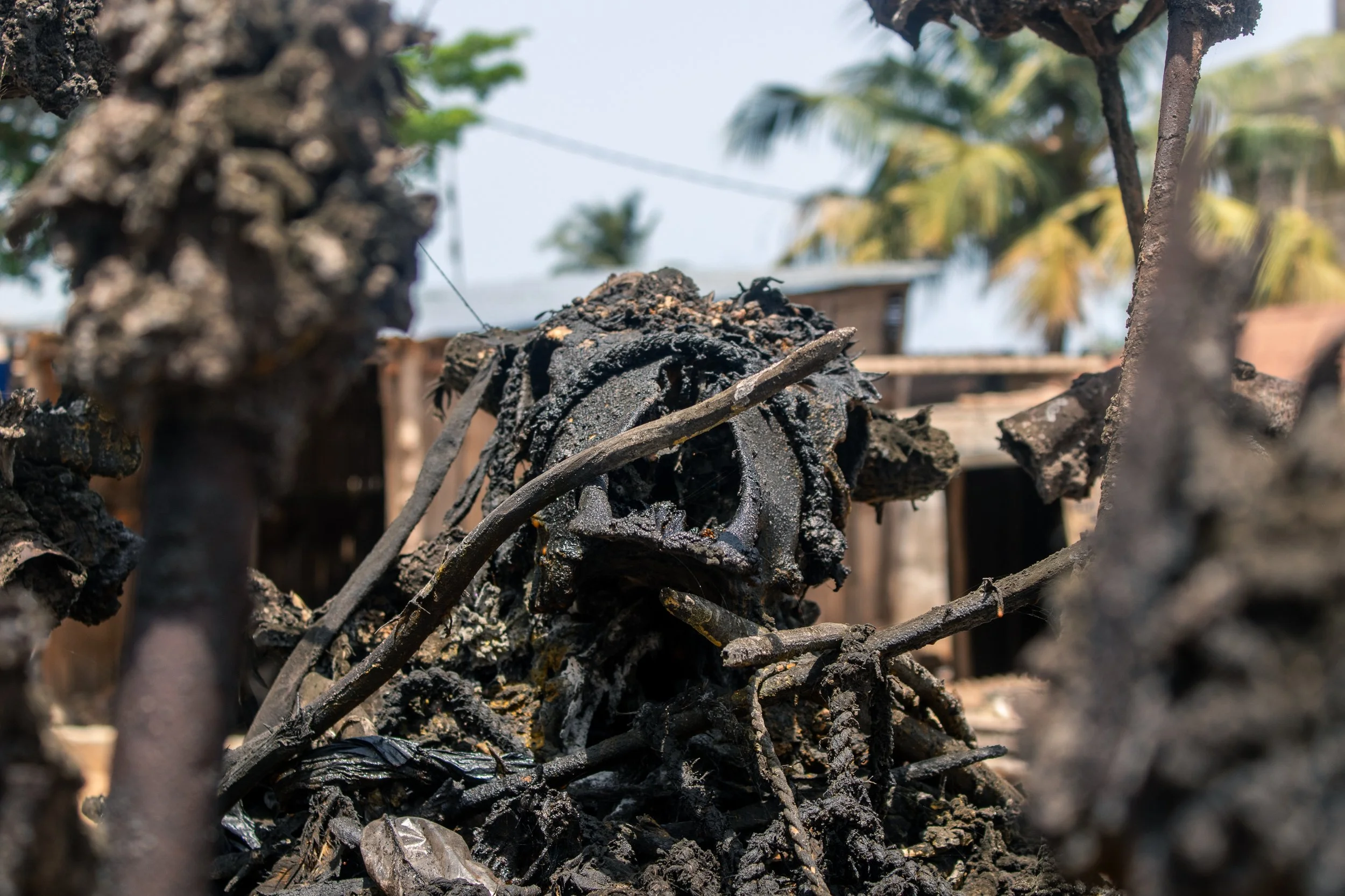
Regular blood sacrifices turn the sculpture black from the sunlight
I didn’t quite know what I was getting myself into. The only concepts I had of Voodoo were dolls used as a source of revenge and curses, but, as I learned, the term “Black Magic” came with colonial roots. A way to fearmonger and create divide, to justify ongoing occupation of Africa.
Strolling around the market, we encountered everything from monkey tails to puppy heads, snake skin, and more. But what we didn’t find was anything “dark”. Instead, Voodoo priests consult with visitors on intrinsic desires, like ensuring safe travels, finding love, or obtaining financial security.
Needless to say, I went into this day with zero expectations, but came away with a deeper, more meaningful understanding and respect of the parts of West African culture that we don’t often learn about.
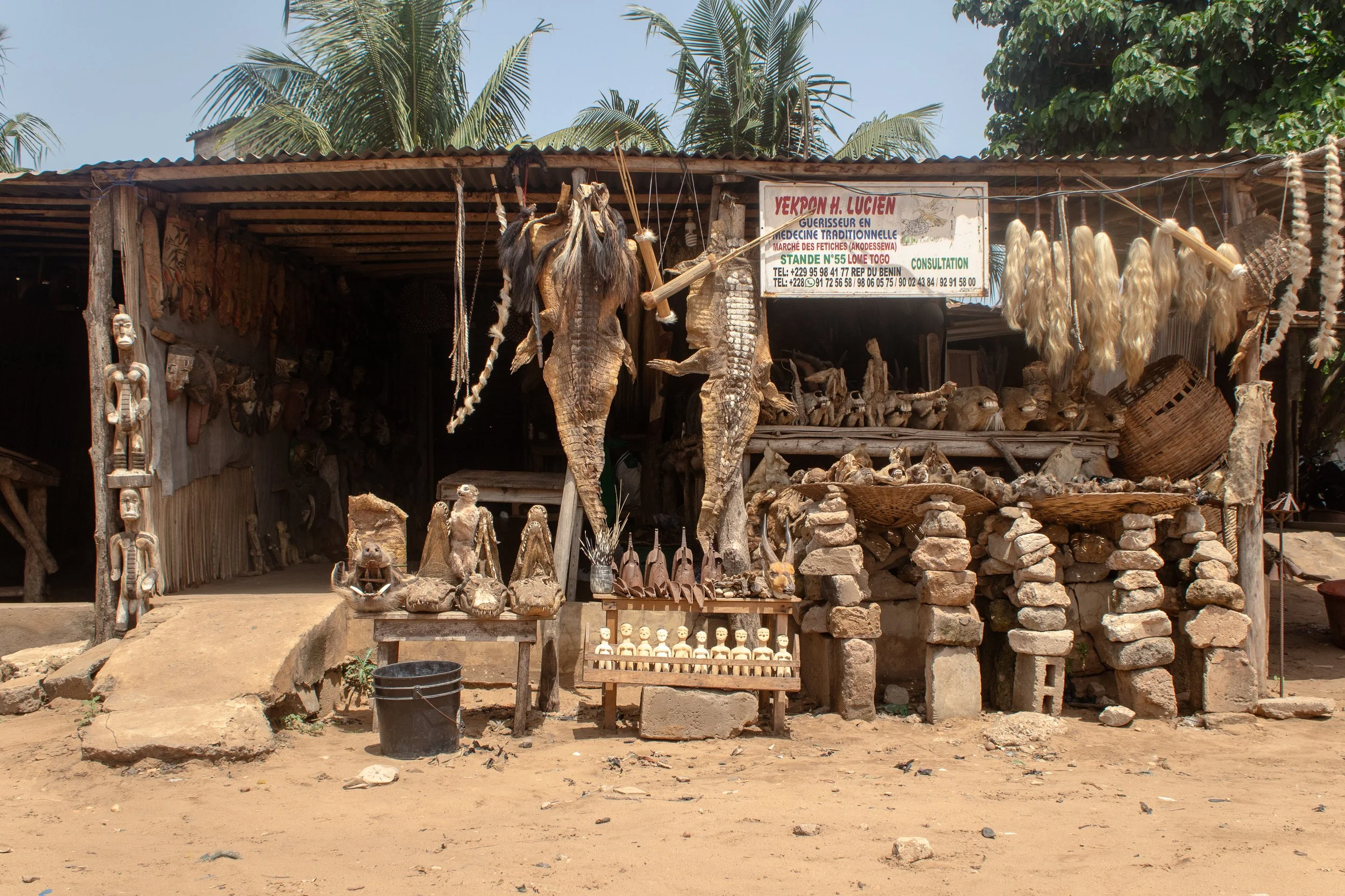
A dusty stall sells common ingredients for Fetish Priests, just one of many at Akodessawa Festish Market
3. Sani Pass, Lesotho and South Africa
As I planned for a month in South Africa, I kept coming back to the Sani Pass. A 9km stretch of tumultuous road descending from the Mountain Kingdom of Lesotho and into South Africa, often described as one of the most thrilling 4x4 roads in the world, it’s commonly touted as the “Roof of Africa”.
What could possibly go wrong, right?
In this case, a failed 4x4 car rental, an adjusted itinerary, no phone working in Lesotho, and that’s just the beginning.
When the car rental agency said they couldn’t honor the 4x4 reservation, my brain immediately went to “how do I make this work?” I had planned to drive up the pass from South Africa into Lesotho, but surely coming down would be easier.
I took the next few hours to adjust my itinerary, working in reverse, and drove into Lesotho at another order before reaching the pass at the top.
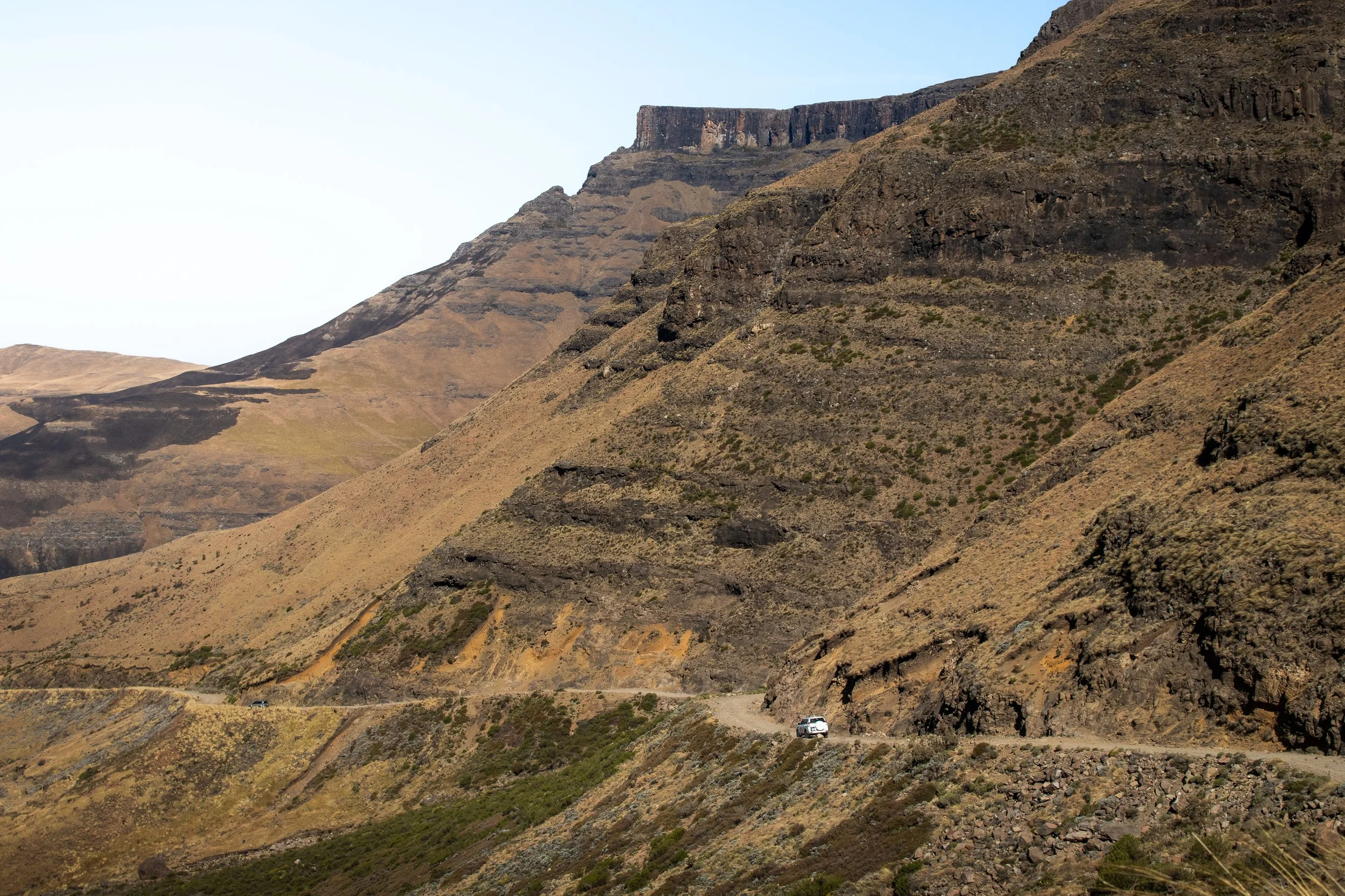
A car carefully navigates the start of the Sani Pass, descending from Lesotho into South Africa
It was a windy morning, so much so that I could barely open the car door and stand up straight. I sat at the Sani Mountain Escape for hours, warming myself with a cup of coffee, watching vehicles struggle up the pass and constantly questioning myself and what I was about to do.
As the afternoon rush of tourists from the South African side entered the pub, it was now or never. I walked across the empty road into the Lesotho immigration shack, stamped my passport, got behind the wheel, and slowly started the solo descent in my Rav4.
Thirteen hairpin turns later, each with a comforting name such as “Suicide Bend” and “Devil’s Corner”, I hit the tar again on the South African side, stamped my passport, thanked my lucky stars for the experience, and carried on my way.
To this day, I still vividly hear the final words from the South African Immigration Officer at the bottom border: “This is a 4x4, right?”
“I think so,” I mumbled, before jumping back in the car and driving off.

A view from the bottom of the pass, in South Africa, and back up towards Lesotho, the “Roof of Africa”
2. Hiking Ghana’s Waterfalls
I’m ashamed to admit that I had been visiting Ghana since 2010 as part of Aya, a non-profit founded on the belief that everyone has the right to quality education. That meant that most of the time in the country was spent on hours-long busses between Accra and Berekum instead of exploring.
When I relocated in 2022, I settled in Ghana’s Eastern Region and was exposed to the natural beauty.
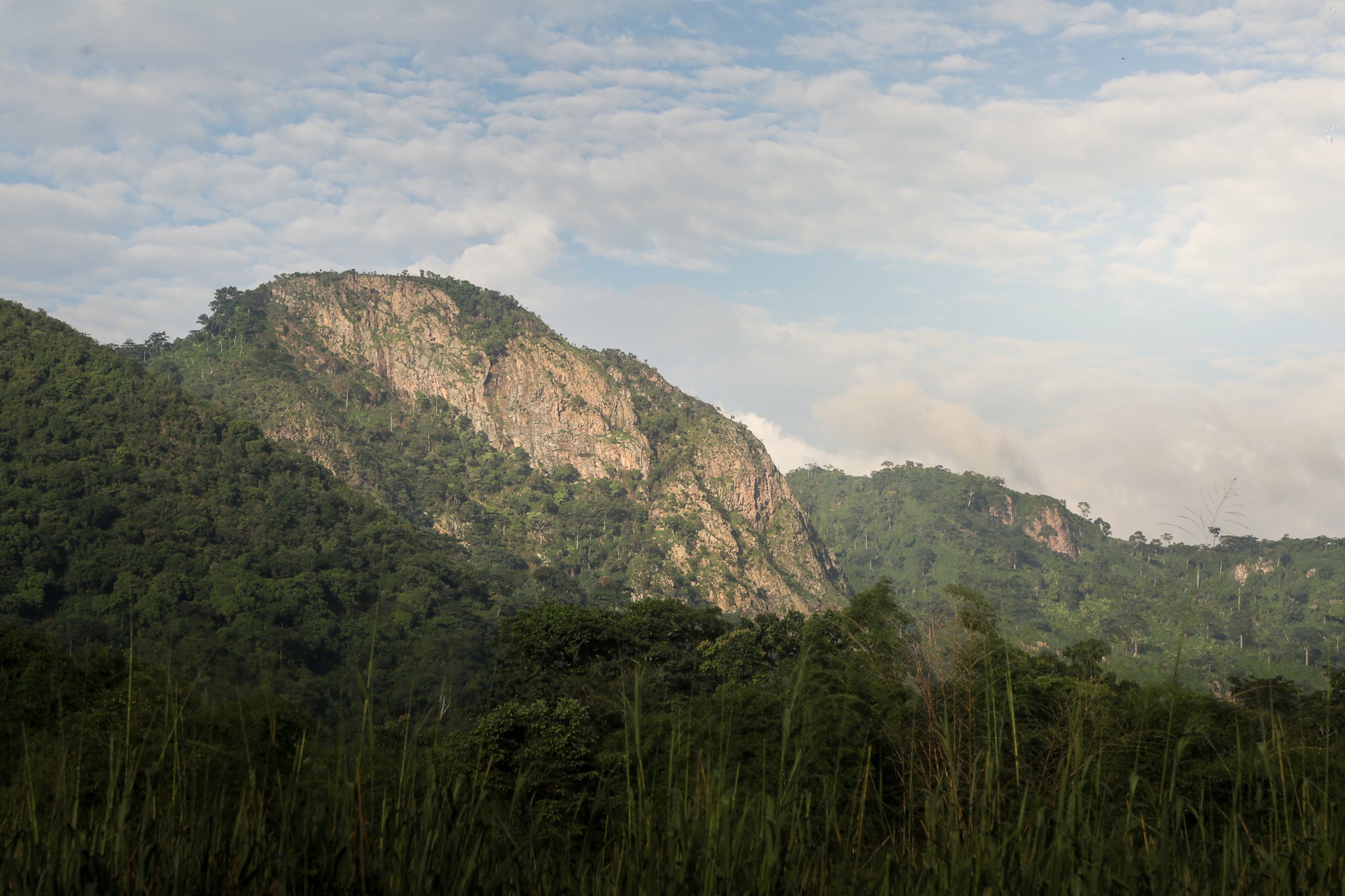
The Akuapem-Togo mountain range, as seen from Ghana, which makes up part of the border with Togo
Fast forward three years and some of my favorite places to explore are the mountains of the Volta Region, on the border with Togo. Not only will you find Mount Afadjato, Ghana’s tallest peak, here, but the area is also home to stunning waterfalls and hikes.
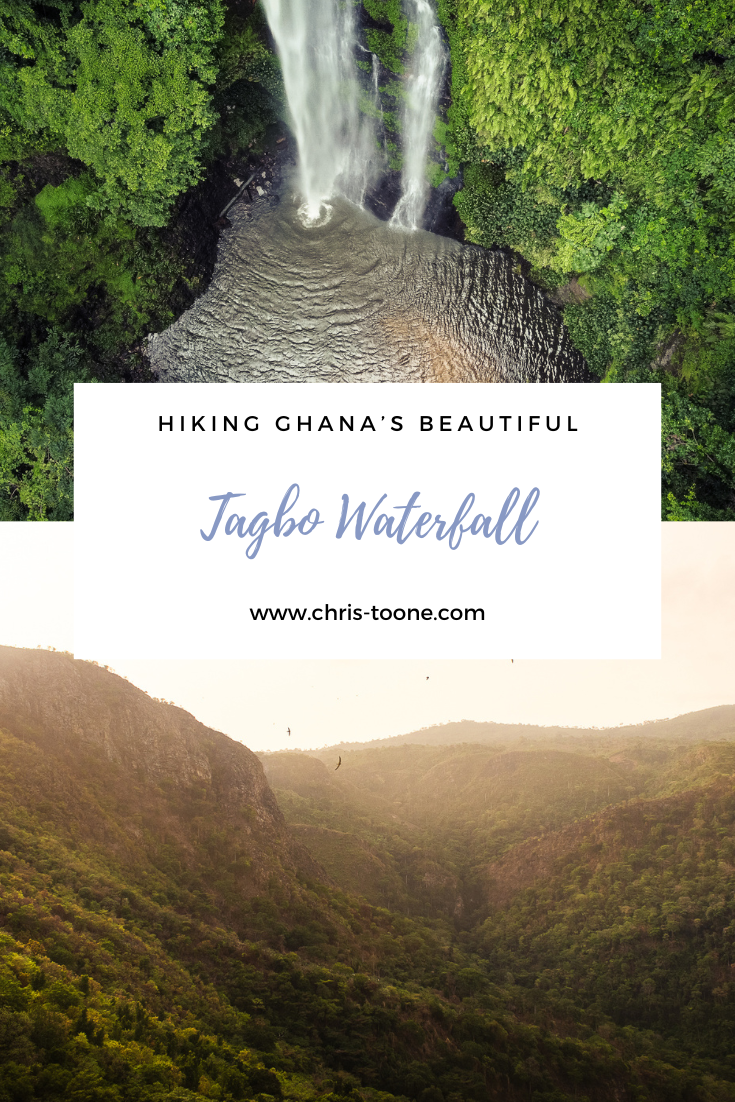
Nothing beats an early evening stroll to Wli Waterfalls or a morning hike and swim at Tagbo Falls. Make a weekend of it and unwind at Tagbo Falls Ecolodge, one of the best places for some rest and relaxation.
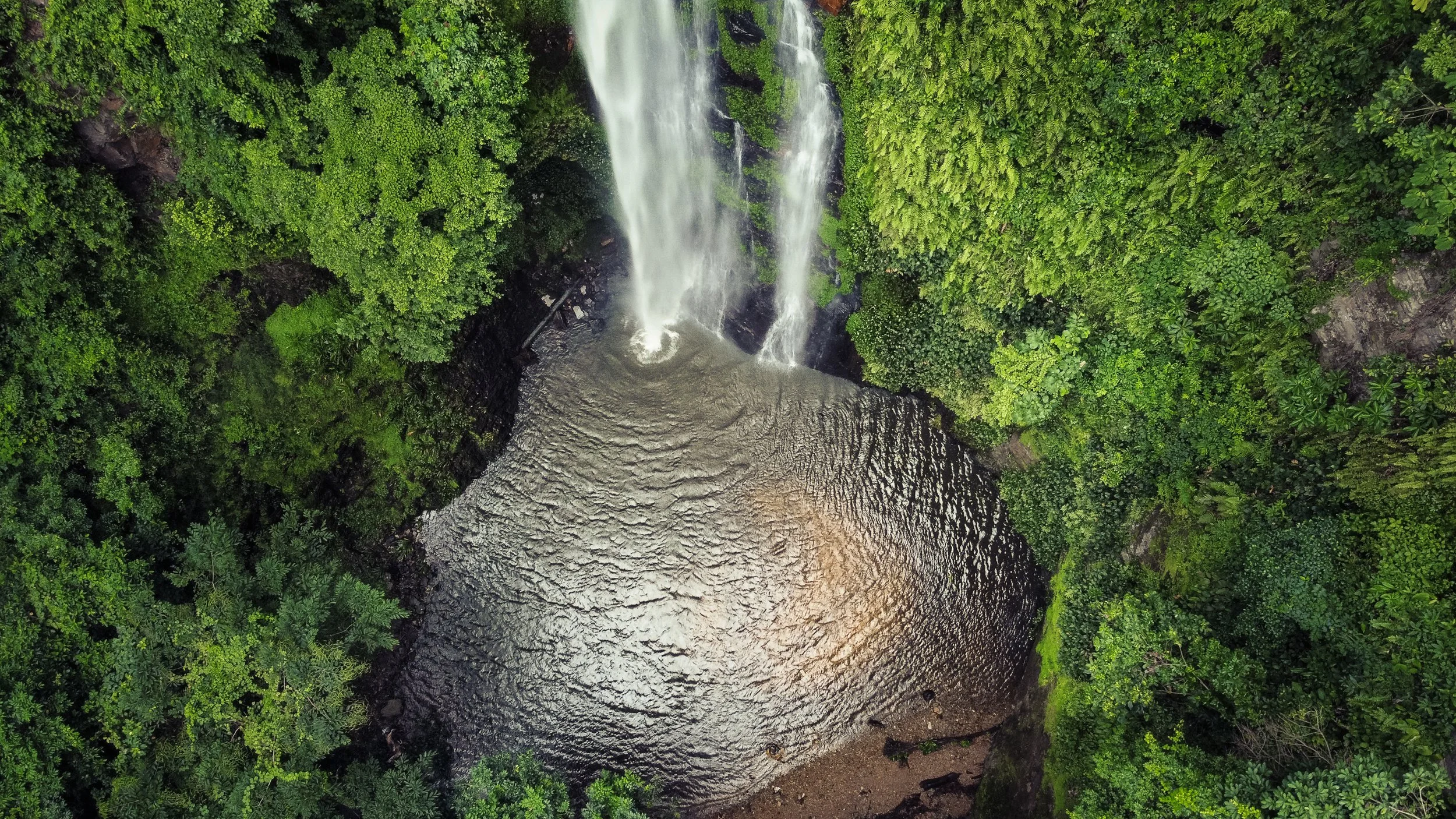
Tagbo Falls as seen from above in Liati Wote, Ghana
1. MV Ilala Ferry, Lake Malawi
Many people ask “why Malawi,” and, to be honest, I don’t really have an answer. I had a month off from work, a flight credit to use, and Malawi fit the criteria of within budget, filled with nature, and plenty of unknowns. So, my response to this question ends up being “why not.”
One experience that I kept coming back to while researching the country was the MV Ilala.
This historic ferry was built in 1949 in Scotland and has since been ferrying passengers and cargo up and down the shores of Lake Malawi since its launch in 1951. Carrying up to 360 passengers and 100 tons of cargo, the MV Ilala runs the length of the lake, from Monkey Bay up to Chilumba near the Tanzanian border, on a weekly schedule.
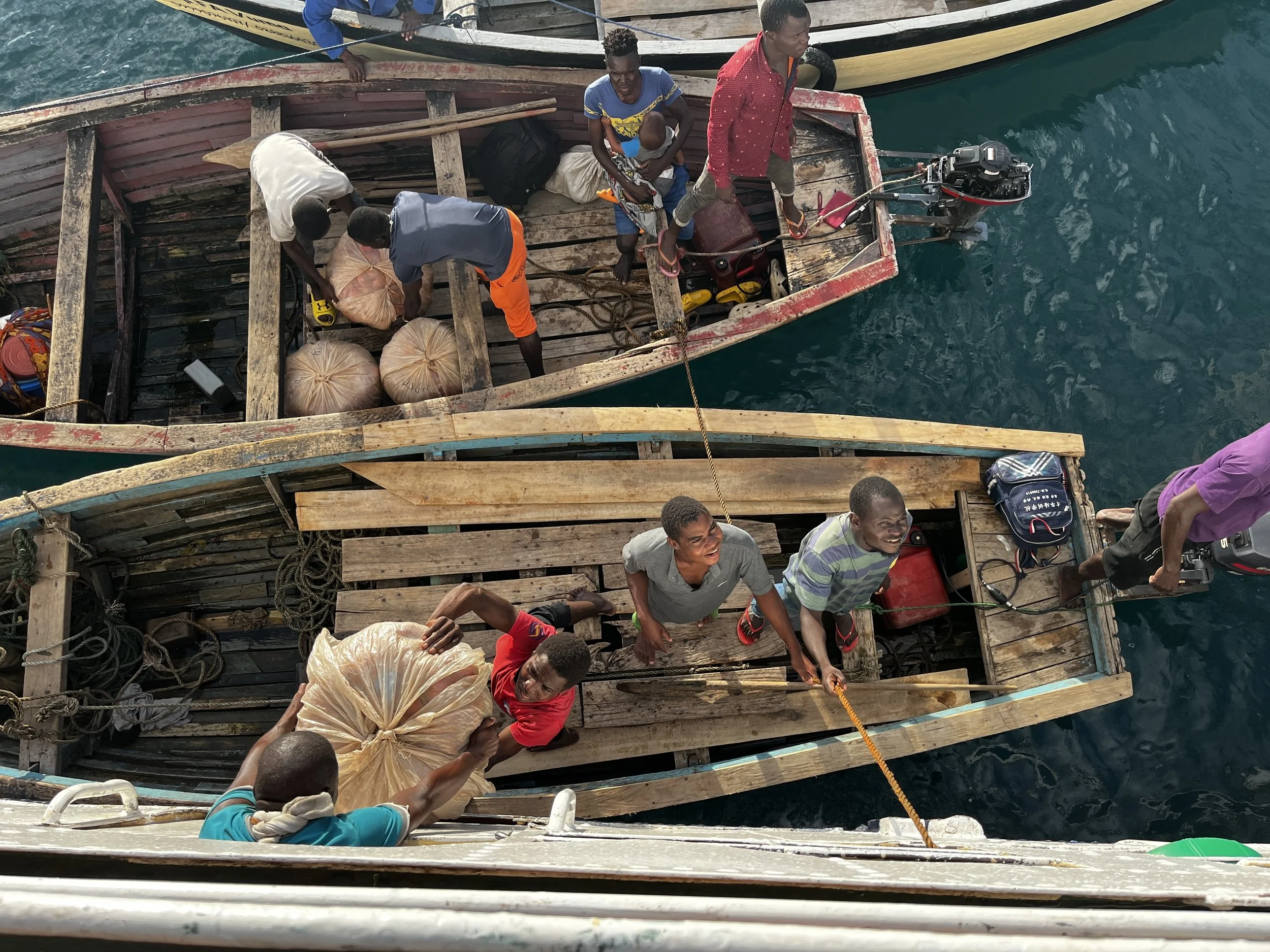
Passengers help load both cargo and people into fishing boats below, the only way to get to shore at many ports
I needed a way to connect the southern part of my Malawi itinerary to Nyika National Park, and what better way to do that than spend 40 hours on a ferry, packed to the brim with 300+ new friends?
Skeptical that the email I sent a week in advance was enough to secure a cabin, I arrived in Monkey Bay early in the morning to a throng of people and cargo, waiting in line, and was pleasantly surprised by the ease of the process.
Ticket in hand, I navigated the crowd and boarded, watching from the top deck as passengers loaded everything from mattresses to stoves, and more. Soon enough, we left the port and were on our way.
Many of the ports of call along the route are too shallow for the ferry to dock, so it was a shock to me when we dropped anchor and fishing boats came out to collect people and baggage, a stream of traffic climbing up and down the side of the ship.
At the second stop, one of the MV Ilala’s official shore boats stalled its engine and was left stranded bobbing up and down in the lake’s waves, signaling for help from shore. By the time that was solved, the weather had turned, winds picked up, and the captain was afraid of capsizing, so we stayed put off the shores of Senga Bay, effectively delaying our travel by 7+ hours.
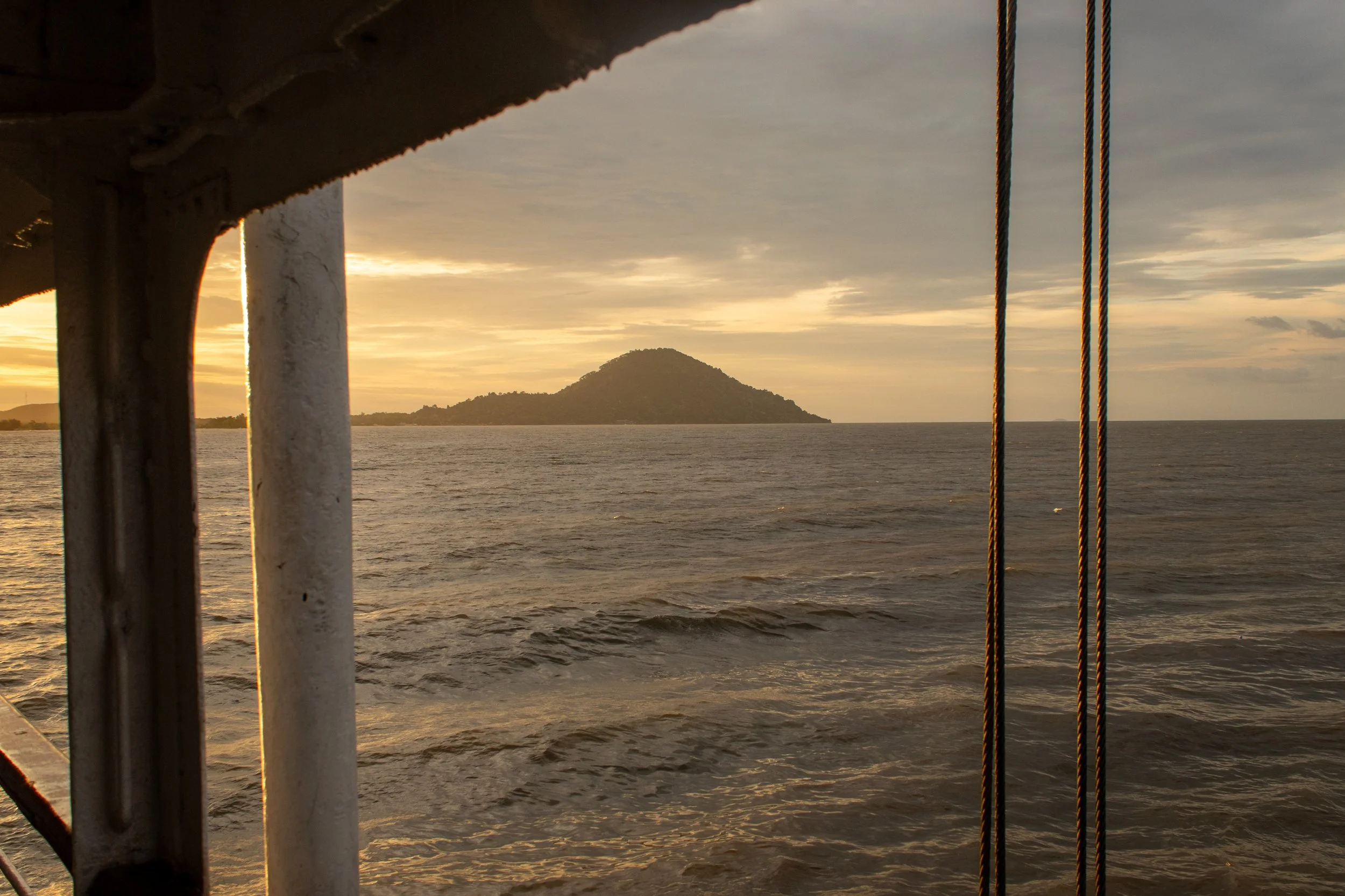
The sun sets along Lake Malawi as we dropped anchor and spent the night after winds picked up
After waking the next morning and wondering why it felt like we weren’t moving (in reality, because we weren’t), the captain cleared us to continue.
A fellow traveler and I decided to disembark at Likoma Island to stretch our legs. As the sun set, we made our way back to the port, elbowed our way into one of the wooden shuttle boats that were so deep you had to stand and use each other for support, before making our way back to the ship in the dark.
I’m convinced that re-boarding is a special skill, having to wait until the waves lift your boat up, grabbing hold of the railings at the right time, and hoisting yourself back onto the ferry with the help of people behind you making sure you don’t fall backwards.
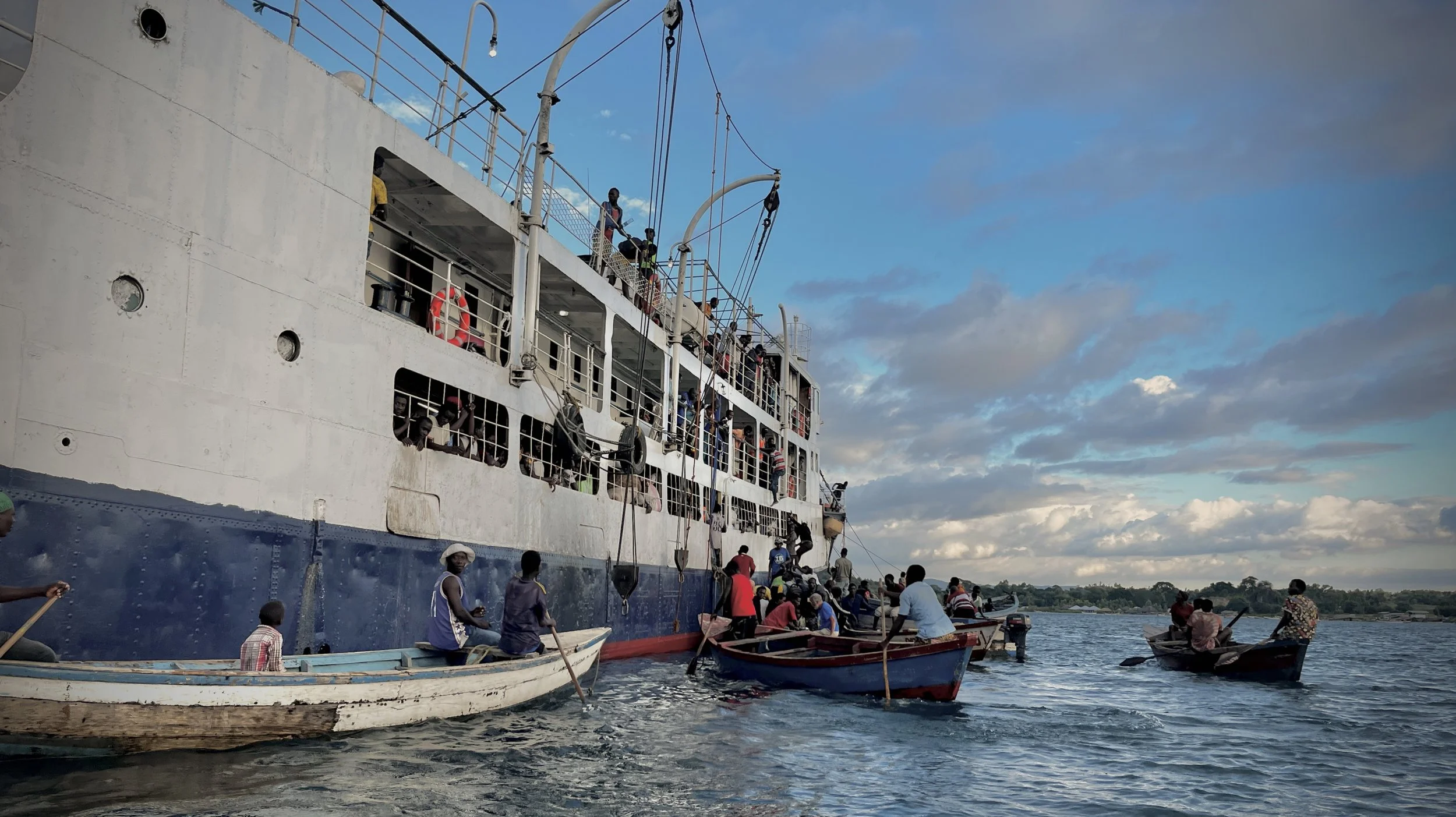
Getting on and off the MV Ilala is often an adventure in itself, climbing from the side of the sip into awaiting fishing boats
On we went, eventually reaching Nkhata Bay at 3 am. I descended below deck to the massive crowd crush trying to disembark, tossed my bags into a waiting boat, and climbed through the dark to reach them. We finally made it to shore after 2+ days traveling Lake Malawi, I pitched my tent in the dead of night, and watched the MV Ilala Ferry pull out of port the next morning from shore.
An experience I won’t forget anytime soon.
Looking Back
I’m now on year four of living in West Africa, and although it’s taught me so much, there’s plenty more to learn and absorb.
This move and these experiences have brought a necessary shift in my perspective, a boost in resilience and adaptability, and, despite the chaos, a level of calmness I never experienced living in the United States.
Thanks for reading, and cheers to whatever adventures may lie ahead in this crazy life of ours.
What are some of your favorite travel stories? Share in the comments below and, until next time, stay safe & happy travels.
Ready to upgrade your camera gear? Here’s what travels with me on every trip:



Sharing is caring! Pin this post for later.




15 Stunning South Africa Travel Photos To Inspire Your Next Trip
The first time I visited South Africa was in 2010 on Semester at Sea. It was a crisp spring morning on the bow of the ship as the sun breached the horizon, lighting up the mighty Table Mountain—and in that moment, I was hooked…
The first time I visited South Africa was in 2010 on Semester at Sea. It was a crisp spring morning on the bow of the ship as the sun breached the horizon, lighting up the mighty Table Mountain—and in that moment, I was hooked.
Fast forward fifteen years. With a month off work and already situated on the African continent, there was only one place calling me back: South Africa.
It’s no secret that South Africa exists in a constant state of tension between its apartheid past and present-day realities. Townships still dot the outskirts of major cities, and crime rates continue to top the continent. But despite this complex backdrop, South Africa has a way of pulling you in—and refusing to let go.
From world-changing history, both evolutionary and geopolitical, and iconic wildlife to unforgettable safaris, dramatic coastlines, and vast landscapes, South Africa is one of the most visually striking countries in the world to photograph.
So, off I went—camera in hand.
Maybe these 15 stunning South Africa travel photos will inspire your next trip (fingers crossed).
Ready for more South Africa content? Don’t miss these posts:
1. Good morning, Cape Town
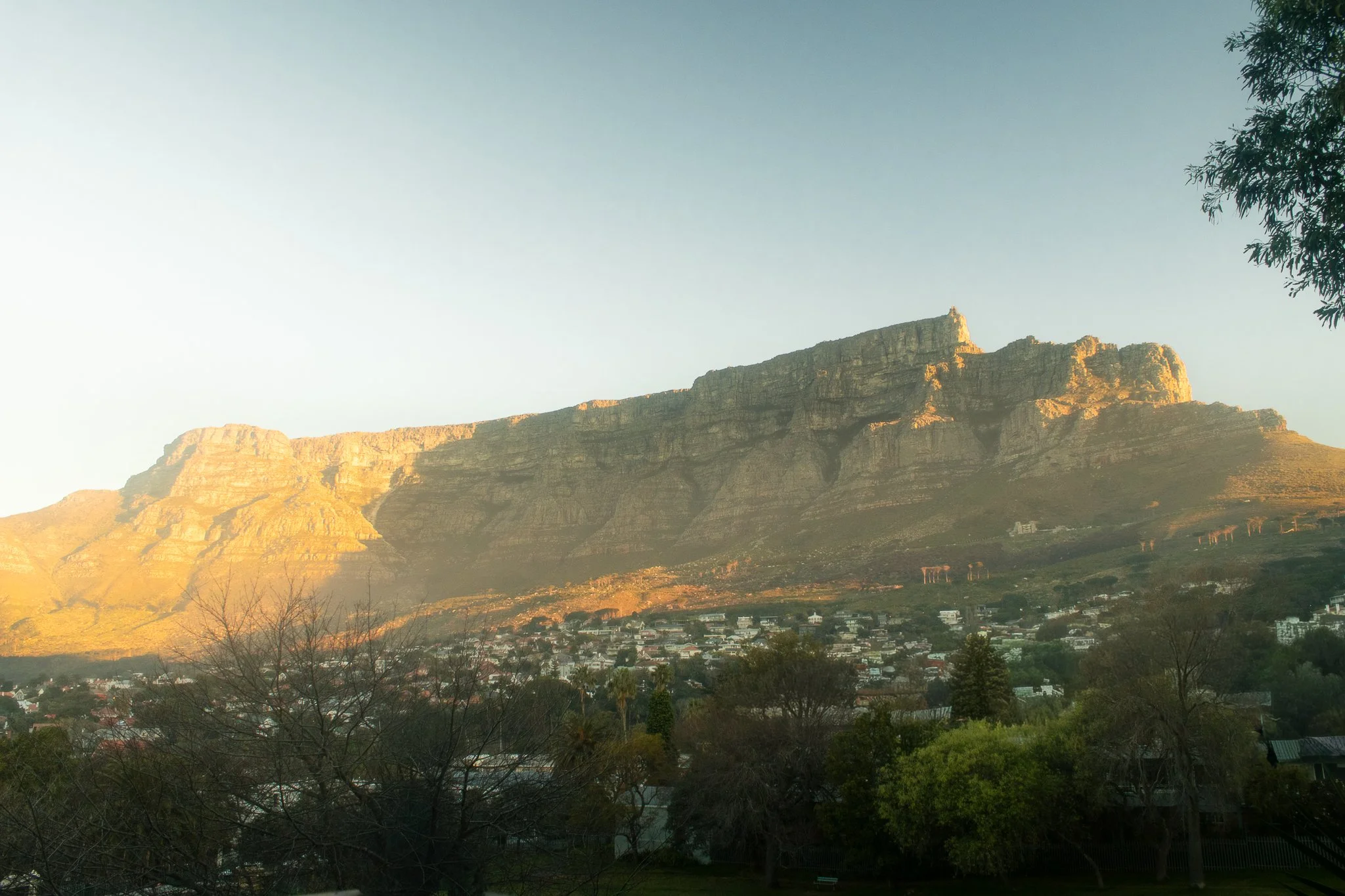
Location: Cape Town, South Africa - Table Mountain
Is there any secret as to why Cape Town is consistently ranked as one of the most beautiful cities in the world for South Africa travel photography? All it takes is a window seat on approach into the airport to understand why. The magestic Table Mountain makes for one of the most unique city backdrops in the world, and is also a reason why it’s so hard to take a bad travel photo here.
This particular photograph was taken from the balcony of my apartment and it quickly became a daily ritual to watch the light move across Table Mountain on several crisp winter mornings.
2. Cape Town in Pastel: View from the Gardens
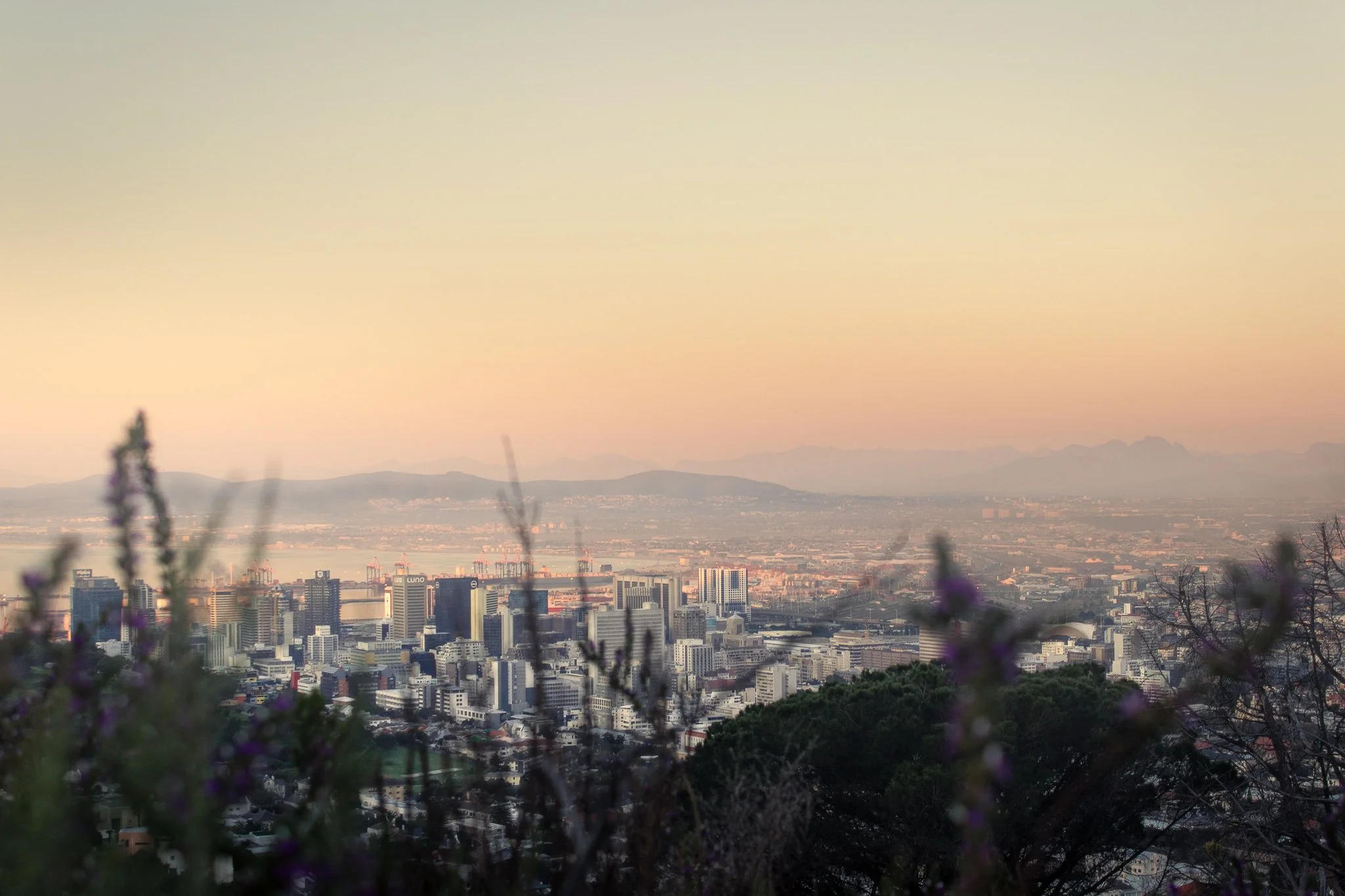
Location: The Gardens Neighborhood, Cape Town, South Africa
Not long after arriving in Cape Town, I fell ill and quickly realized I had brought a case of malaria with me from Ghana (don’t worry—South Africa is malaria-free). Each afternoon, the fever would break just long enough for me to get outside and explore.
The walking paths behind the Gardens neighborhood quickly became my go-to, and it’s easy to see why. Soft pastel buildings, quiet streets, and views toward Table Mountain make this one of my favorite spots in the city—and one of my favorite South Africa travel photos to date. For me, it perfectly captures the calm, colorful essence of Cape Town travel photography.
3. An Afternoon City Break in Cape Town’s Company’s Garden
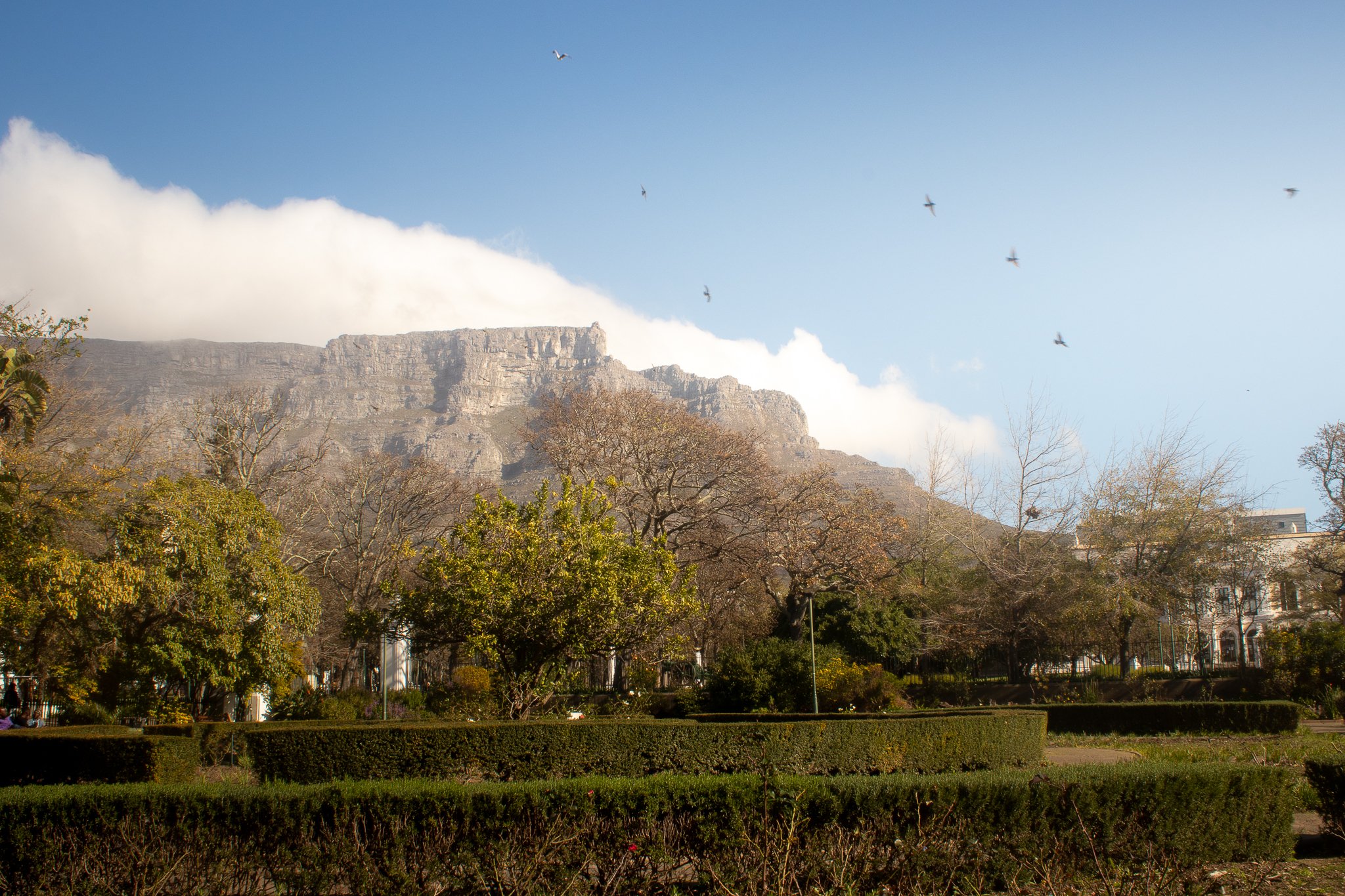
Location: The Company’s Garden, Cape Town, South Africa
Despite visiting towards the end of the winter months, I stumbled upon one of my favorite Table Mountain viewing spots: The Company’s Rose Garden in the Central Business District.
Originally established in the 1650s to bring fresh supplies for ships passing through, the land now serves as a public park and the perfect spot for some stunning Cape Town travel photography, capturing city life in South Africa.
Once you’re done watching the birds and clouds (the “Tablecloth”) move in over Table Mountain, walk around the corner to Truth Coffee Roasting on Buitenkant Street for one of the best cups of coffee in your life (no embellishment necessary).
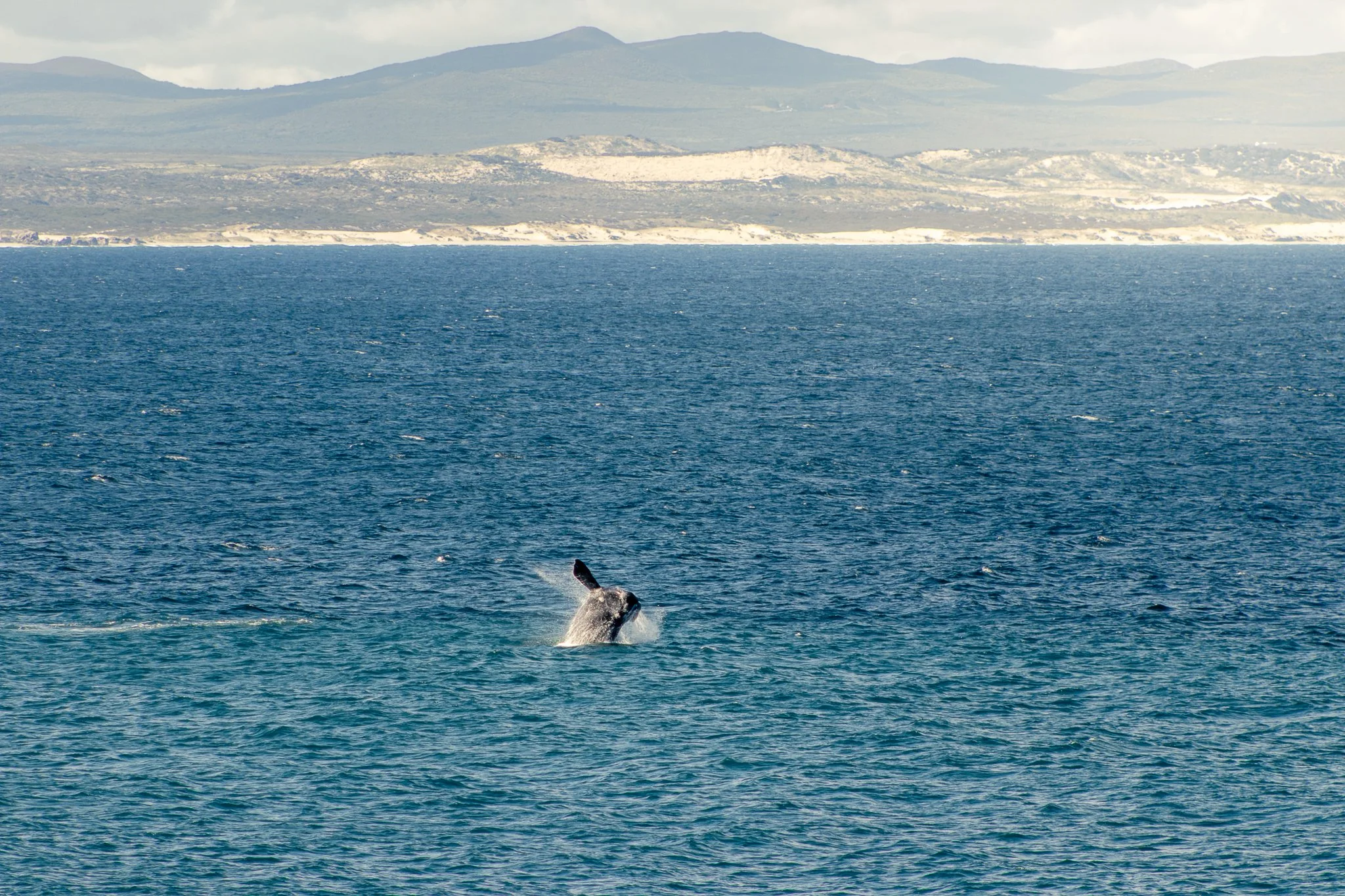
4. Golden Glow: Whale Watching in Hermanus
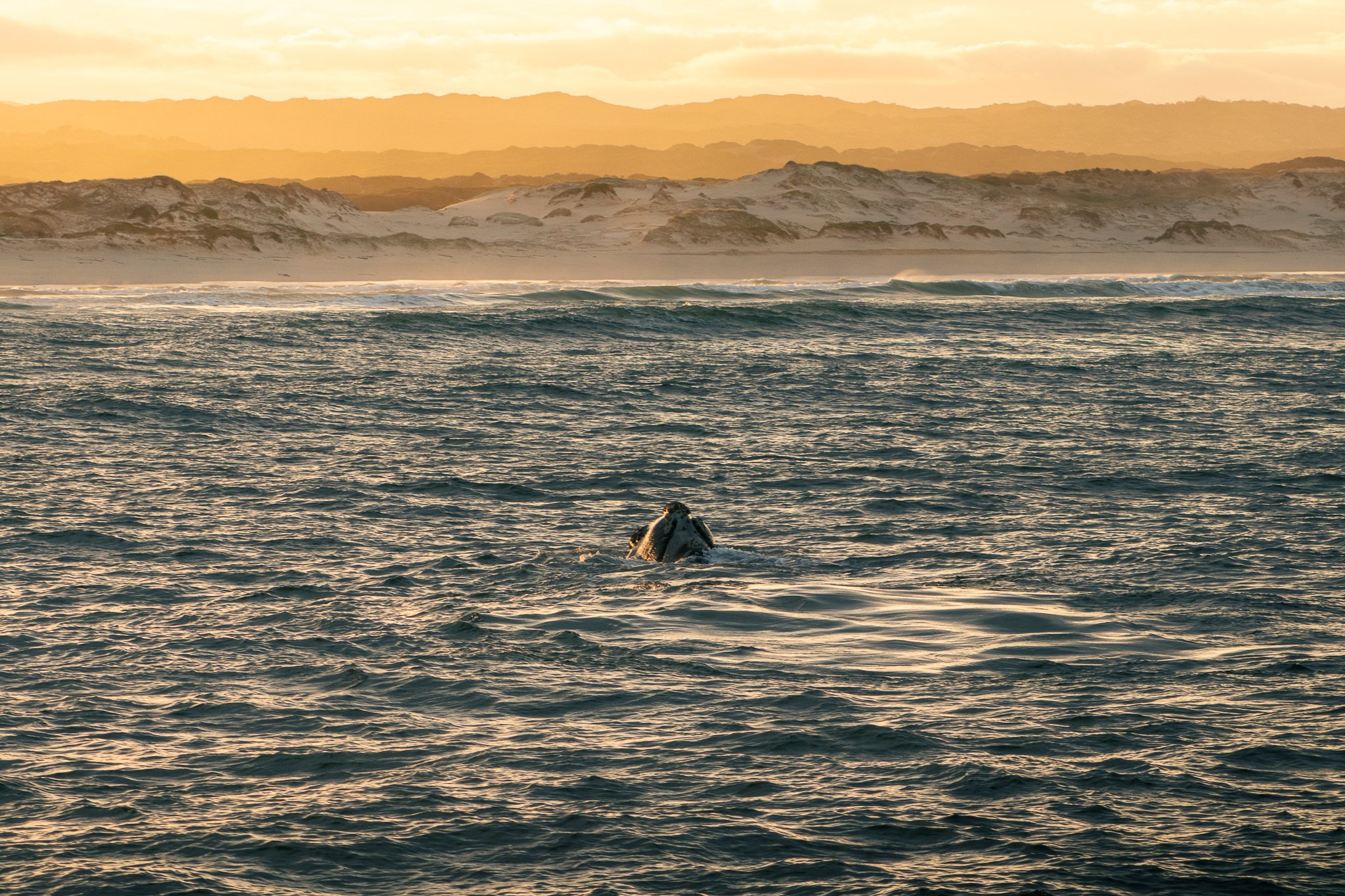
Location: Hermanus, Western Cape, South Africa
Every year, the quaint seaside town of Hermanus attracts so many visitors to Walker’s Bay that it’s commonly referred to as the “Whale Watching Capital of the World.”
After a month of solo-traveling around this incredible country, whale watching in Hermanus at sunrise was the experience of a lifetime that I hope to not soon forget.
The 5am wake up and freezing temperatures were worth it to capture this golden moment, one of my favorite travel photos from South Africa.
5. South Africa’s Nature Bath: Hermanus
Location: Hermanus, Western Cape, South Africa
The coastal landscapes are so pleasing to look at here that doctors once used to prescribe visits to Hermanus for recovering tuberculosis patients. The proof is in the medicine, right?
Even if getting out into the bay isn’t your cup of tea, there’s still plenty of South Africa’s nature to take in. Breathe a little easier and take the two hour drive from Cape Town. It’s worth the effort.

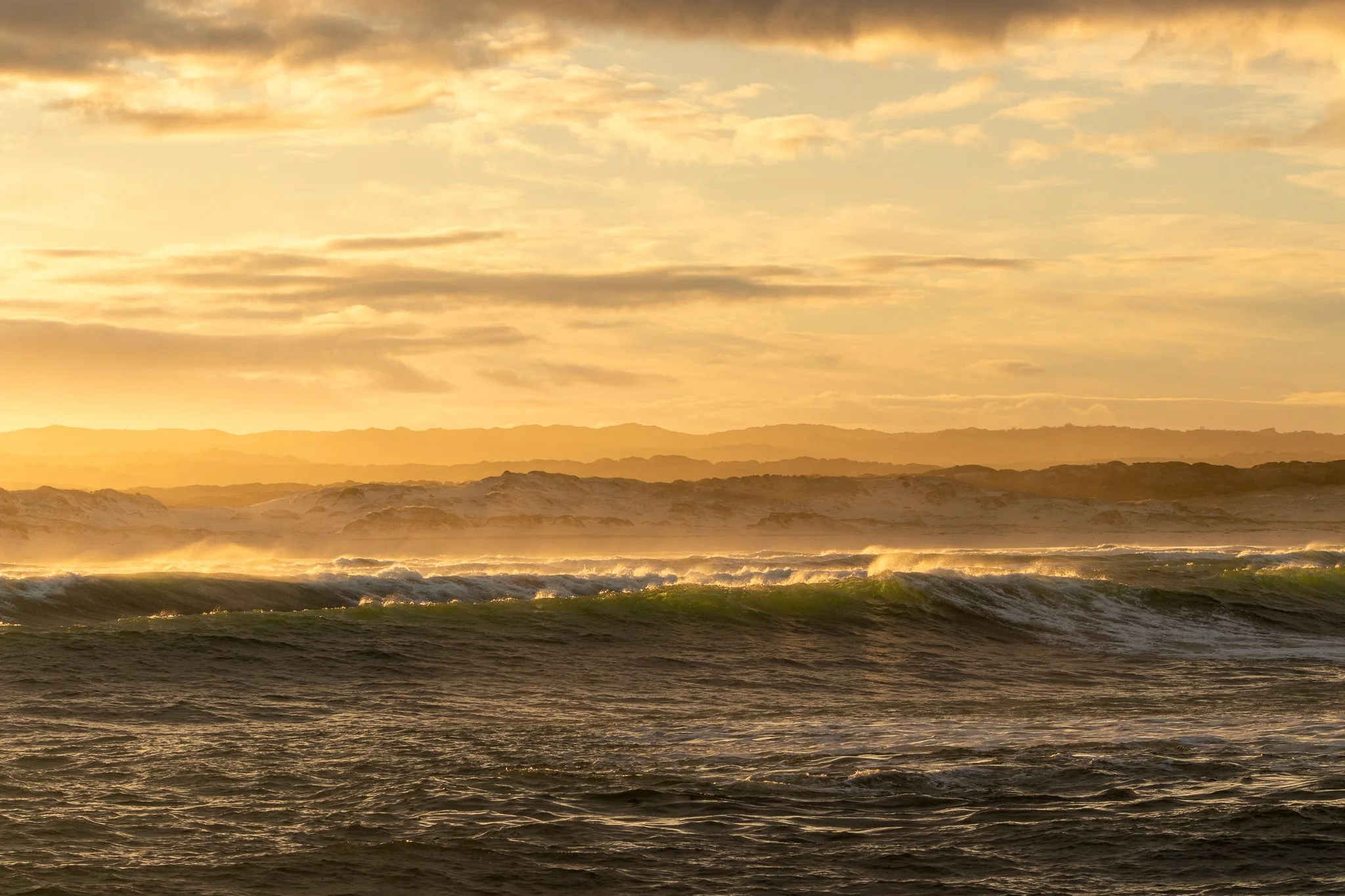
6. Golden Hour in Hermanus: Whales and Crashing Waves
Location: Hermanus, Western Cape, South Africa
No, I’m not done with Hermanus just yet. This travel photo lives rent-free in my mind so I wanted it in yours, too (you’re welcome).
Crashing waves, a golden sunrise, and whales rolling in the water. The coastal scenery provides all the recipe for a South Africa travel photography stunner, making a whale watching excursion in Hermanus a must-do activity.
7. Pure Bliss on the Hermanus Cliff Walk
Location: Hermanus, Western Cape, South Africa
If whale watching by boat isn’t for you there are still plenty of things to do in Hermanus, including a 12km cliff walk along the shore, making it easy to spot wildlife in the bay. The town even employs an official “Whale Crier”, blowing his conch every time one is spotted so you’ll never miss a beat.
8. Generational Differences: A Pilanesberg Safari Moment
Location: Pilanesberg National Park, North West Province, South Africa
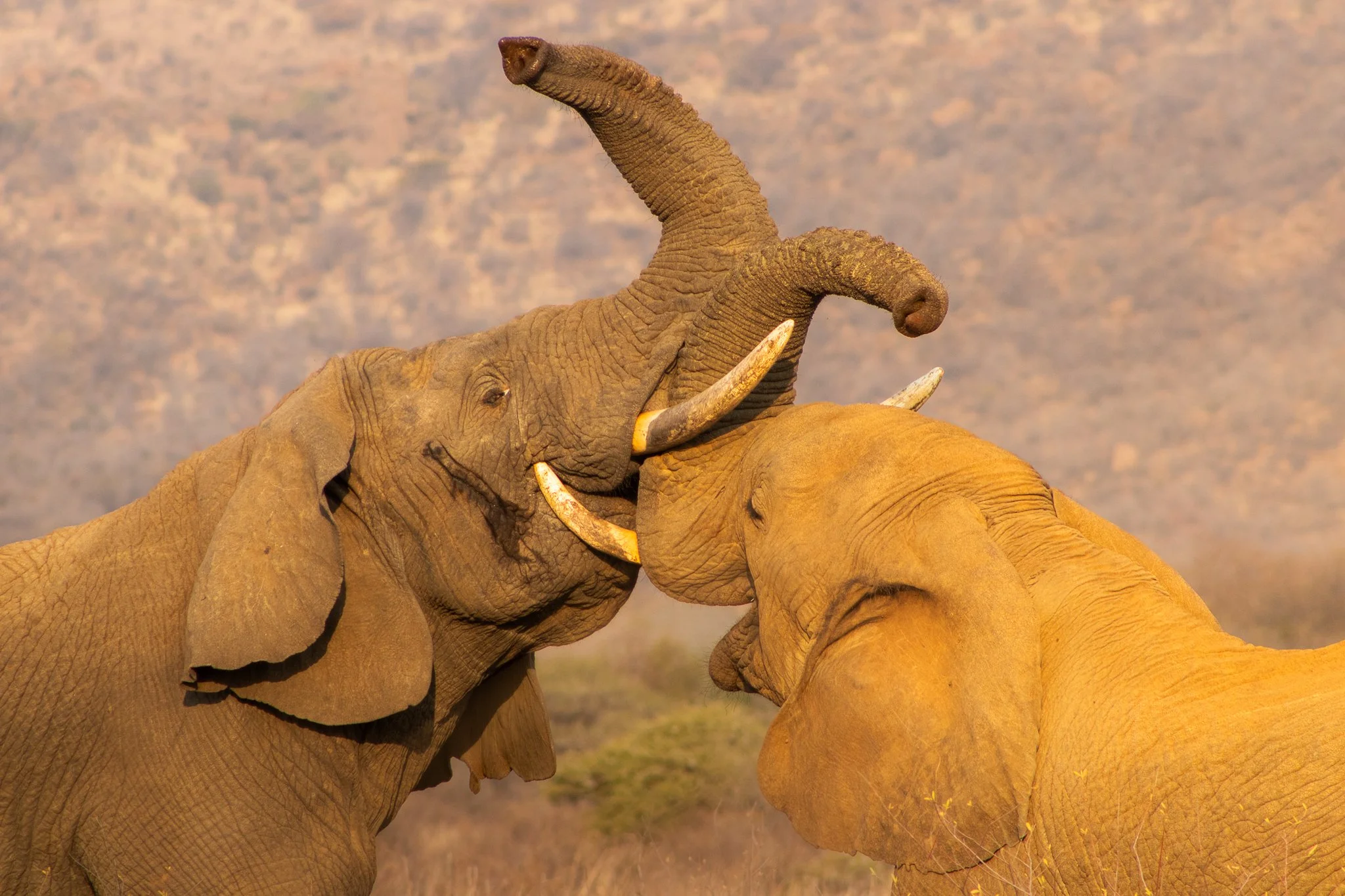
A three hour drive from Johannesburg lies Pilanesberg National Park. Not nearly as vast as nearby Kruger, it serves as a smaller-scale safari for shorter trips.
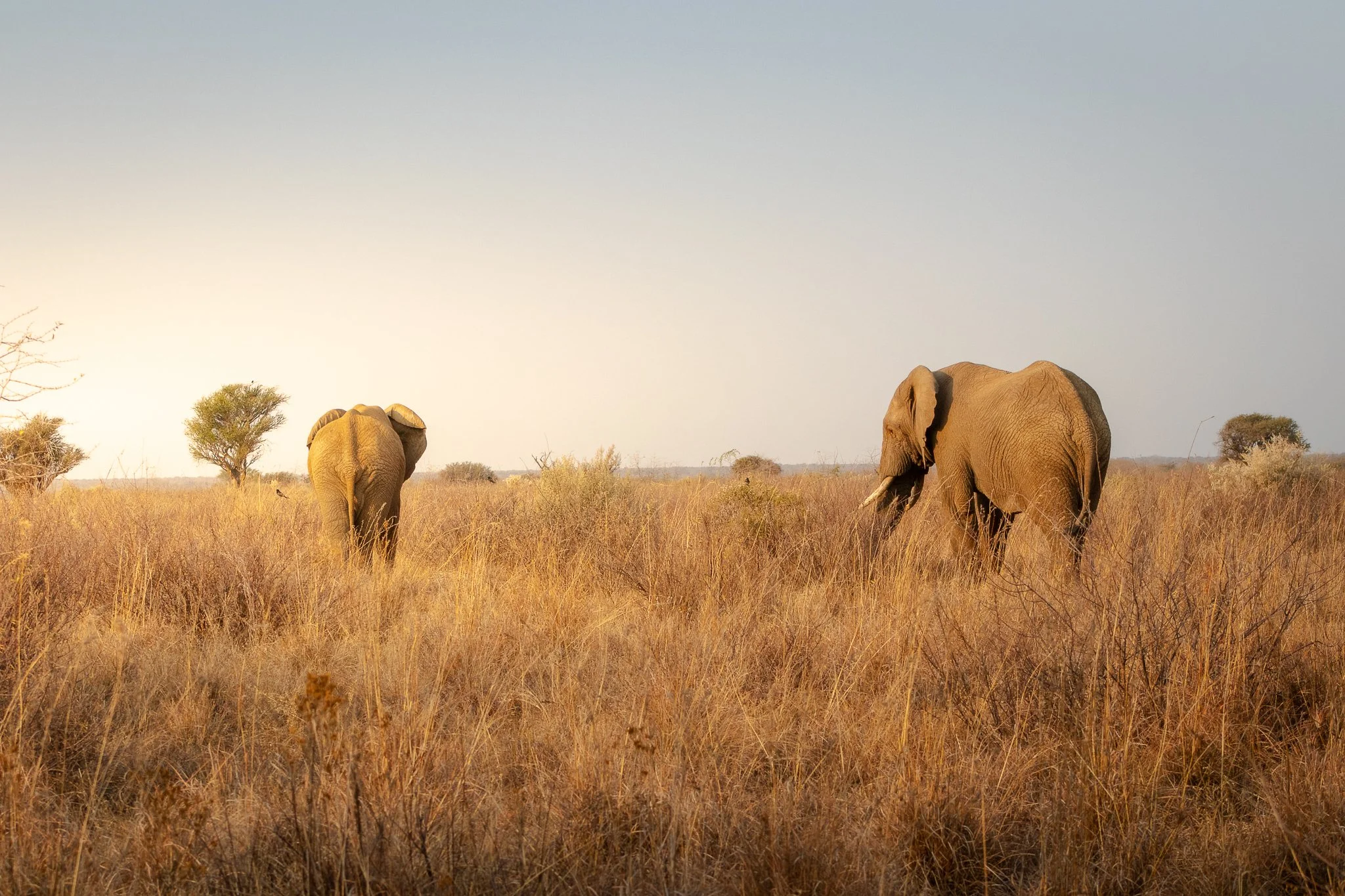
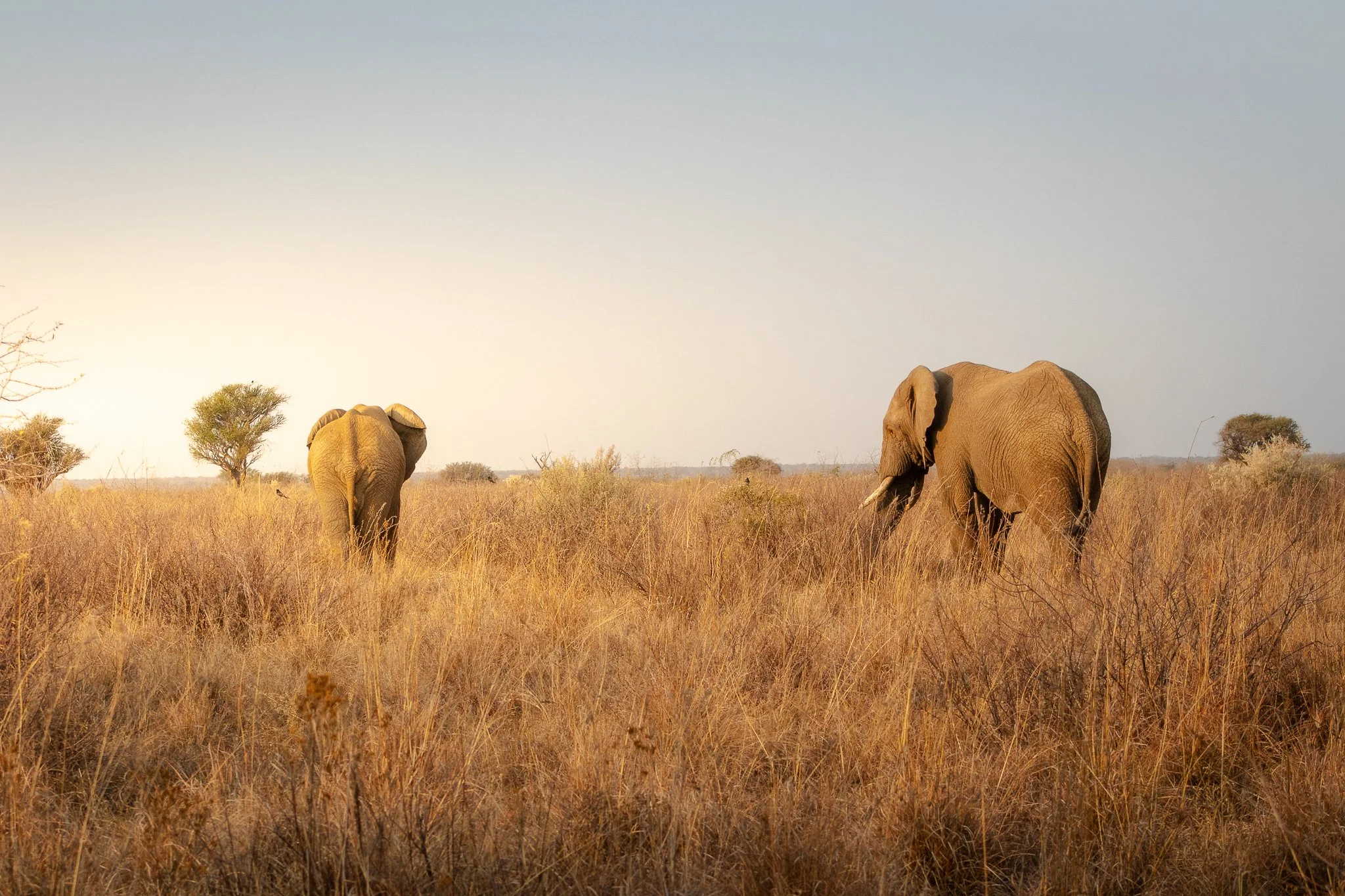
On one of my final game drives, the jeep was nearly empty and we came across this scene: an older male “arguing” with a teen. Luckily we were the only ones there to bear witness.
9. The Spotter Becomes the Spotted in Pilanesberg National Park
Location: Pilanesberg National Park, North West Province, South Africa
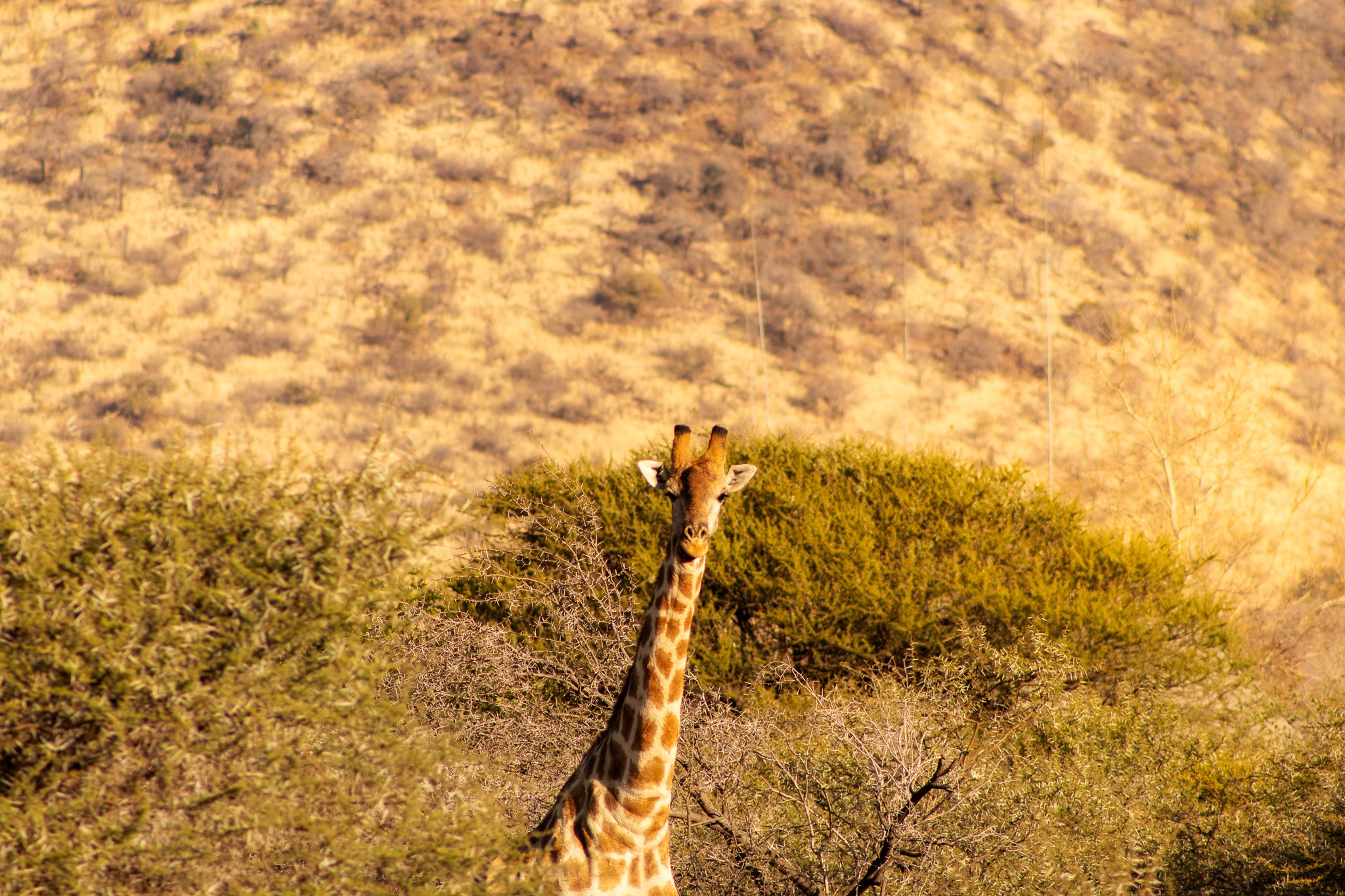
Our guide pulled over after spotting a giraffe hidden behind the bush. As I fiddled with my camera, it slowly emerged and turned to face us at the perfect moment.
We quickly became “the spotted” on our game drive as the tables turned—creating one of my favorite South Africa travel photos, captured during a quiet safari moment in Pilanesberg.
10. “Giraffe Valley” Mornings
Location: Pilanesberg National Park, North West Province, South Africa
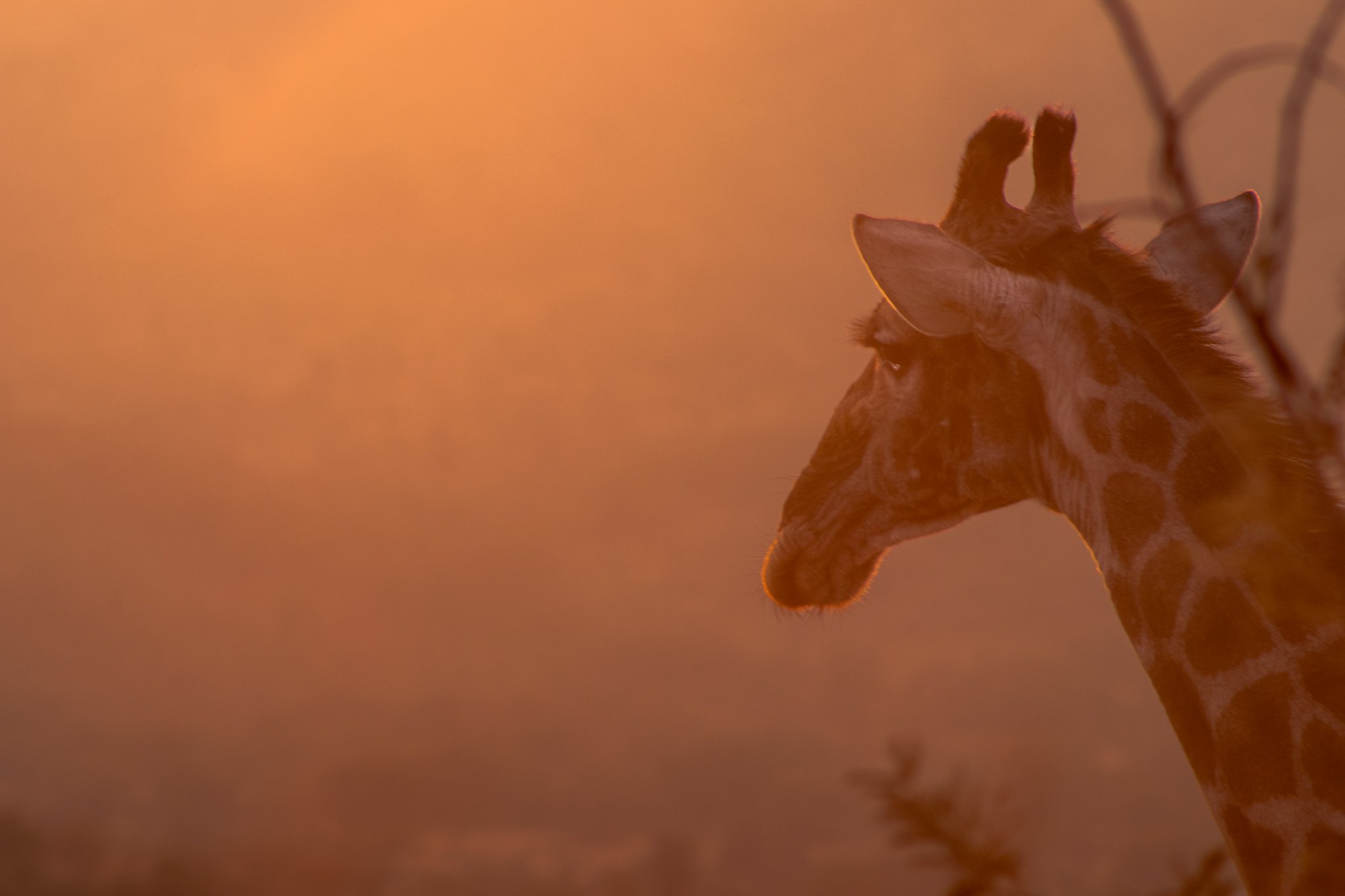
An unofficial nickname, the phrase “Giraffe Valley” quickly took hold during my stay at Black Rhino Game Lodge because every time we drove this particular area, we were greeted by several giraffes.
On this particular morning in the freezing cold, the sun hit the frost and mist just right to create this orange glow. We couldn’t find what this giraffe was staring out over the valley, but it never diverted its gaze.
11. Into the Pilanesberg Sunset
Location: Pilanesberg National Park, North West Province, South Africa
Once the aforementioned generational scuffle ended, we were treated to this scene: both elephants rumbling off into the sunset. One of the more peaceful South Africa travel photos I was able to capture and my favorite Pilanesberg safari moments.
Here’s my go-to camera gear when traveling:
12. The Road to Nowhere in Golden Gate Highlands National Park
Location: Golden Gate Highlands National Park, Free State, South Africa
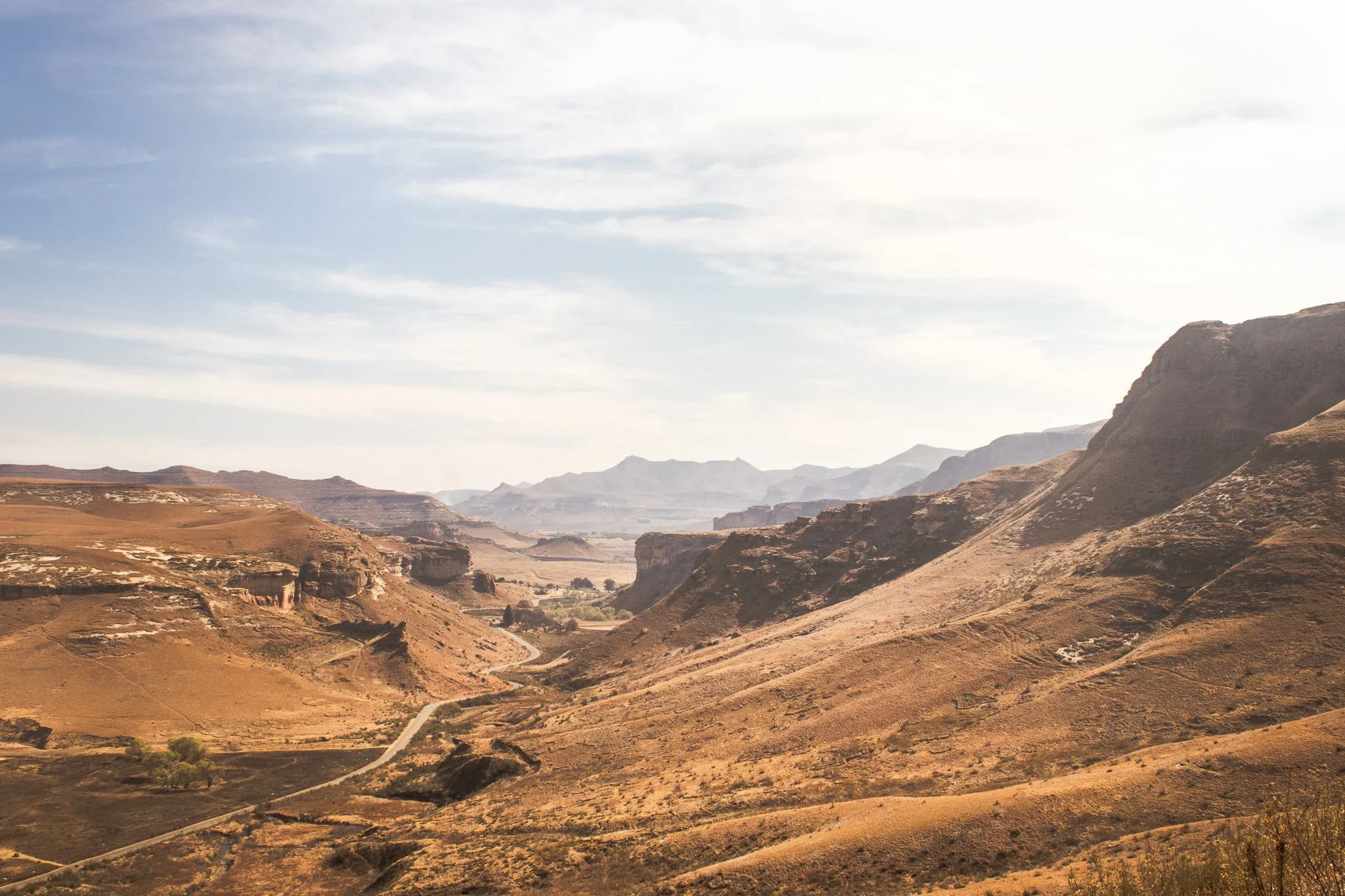
I had a gap in my plans during my South Africa roadtrip after visiting Pilanesberg National Park. One thing led to another and I ended up in nearby Clarens as a base to visit Tugela Falls via the infamous Chain Ladders Route, the second-highest waterfall in the world.
Long story short, a combination of poor planning, time of day, and weather nixed that hike. But the drive back to Clarens passed through Golden Gate Highlands National Park and I decided to pull off and do a short walk. I was treated to the stunning Free State landscapes, herds of wild zebra, and solitude. The afternoon was a lesson in following your gut: things will work out.
13. The Perfect Stopover in Clarens, South Africa
Location: Clarens, Free State, South Africa
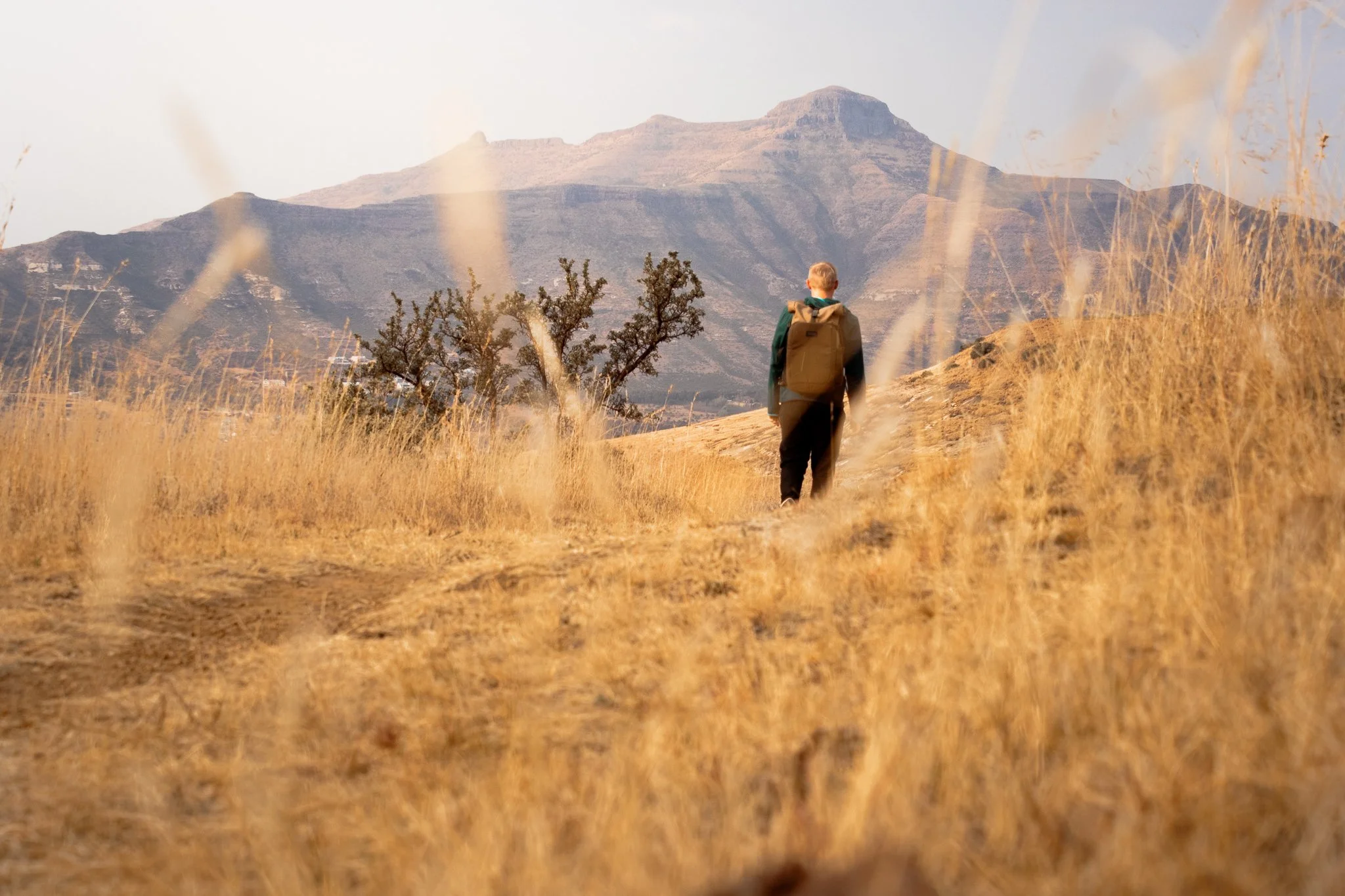
Clarens was never part of the plan, but it seemed a good home base for the next stage of my trip — driving into Lesotho.
Lined with cafes, breweries, and art galleries, this quaint town in South Africa’s Free State is also at the doorstep of jaw-dropping landscapes at neighboring Golden Gate Highlands National Park.
14. Toyota RAV4 vs. Sani Pass
Location: Sani Pass, Drakensberg Mountains, Lesoth-South Africa Border
Driving the Sani Pass was the top item to accomplish during my solo travel around South Africa, so when the rental company in Johannesburg couldn’t give me a 4x4 as was required to drive the road, I had a decision to make.
Do I skip it, or find a way?
That’s the story of how my trusted RAV4 and I (slowly) made our way down from Lesotho and back into South Africa along the infamous Sani Pass. The road was rough and the descent difficult, but the sweeping views of the surrounding Drakensberg Mountains were worth it.
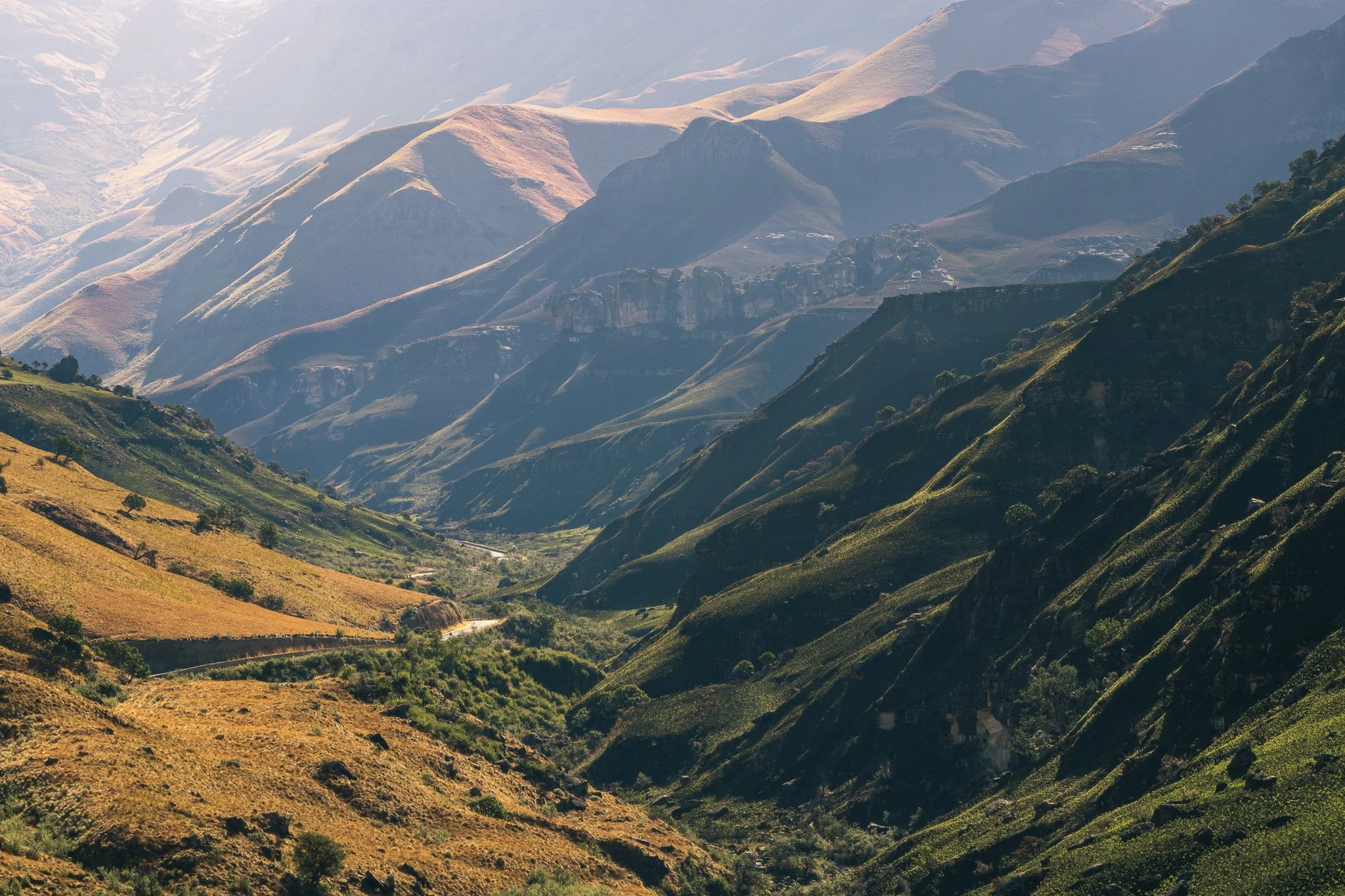
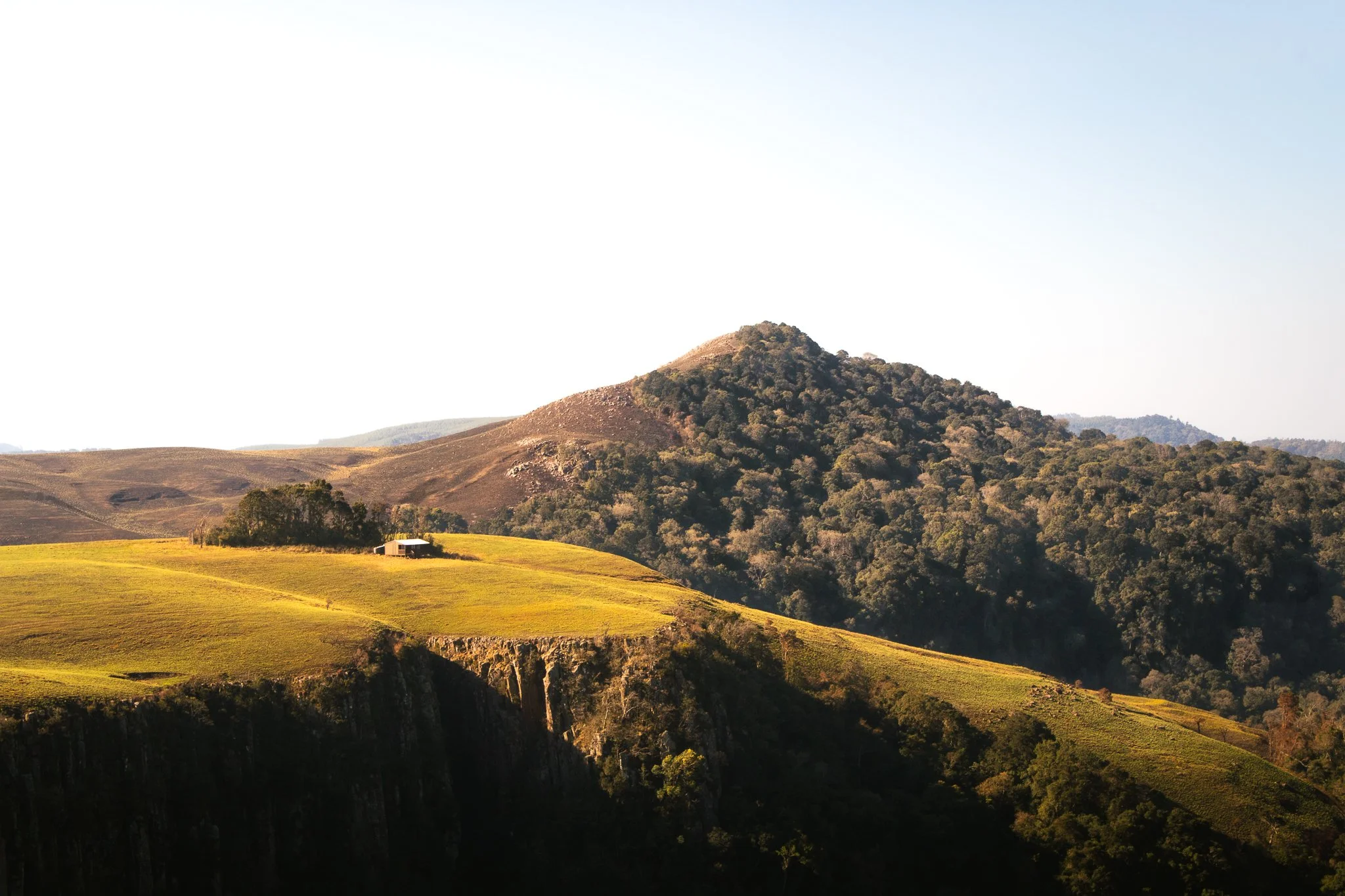
15. Unexpected Peace in KwaZulu-Natal
Location: Howick, KwaZulu-Natal, South Africa
From the Drakensberg Mountains, I made my way into the rolling hills of the KwaZulu-Natal Midlands with the intention of visiting Nelson Mandela’s capture site.
What I found instead was unexpected calm—gentle landscapes, open skies, and endless greenery like Gray Mare’s Trail in nearby Karkloof Nature Reserve. It was a quiet reminder that some of the most peaceful moments of travel come when plans take a back seat
My solo travel started in Cape Town, often named the world’s most beautiful city by Time Out Magazine — and it’s easy to see why. Mountains, outdoor space, coffee, rich culture and endless diversity… you could leave me there and I’d be set for life.
But when you inevitably book that trip, push yourself beyond the city limits and into the far corners of the country. Discover the KwaZulu-Natal Midlands and Drakensberg Mountains. Drive the wide-open roads of the Free State and jump into South' Africa’s wildlife.
You won’t regret it.
In the meantime, I hope these 15 South Africa travel photos help to keep that wanderlust alive and offer a little inspiration for your next adventure.
Questions? Anything to add? Drop it in the comments below. Until next time, stay safe & happy travels!
Sharing is caring! Pin this post for later.



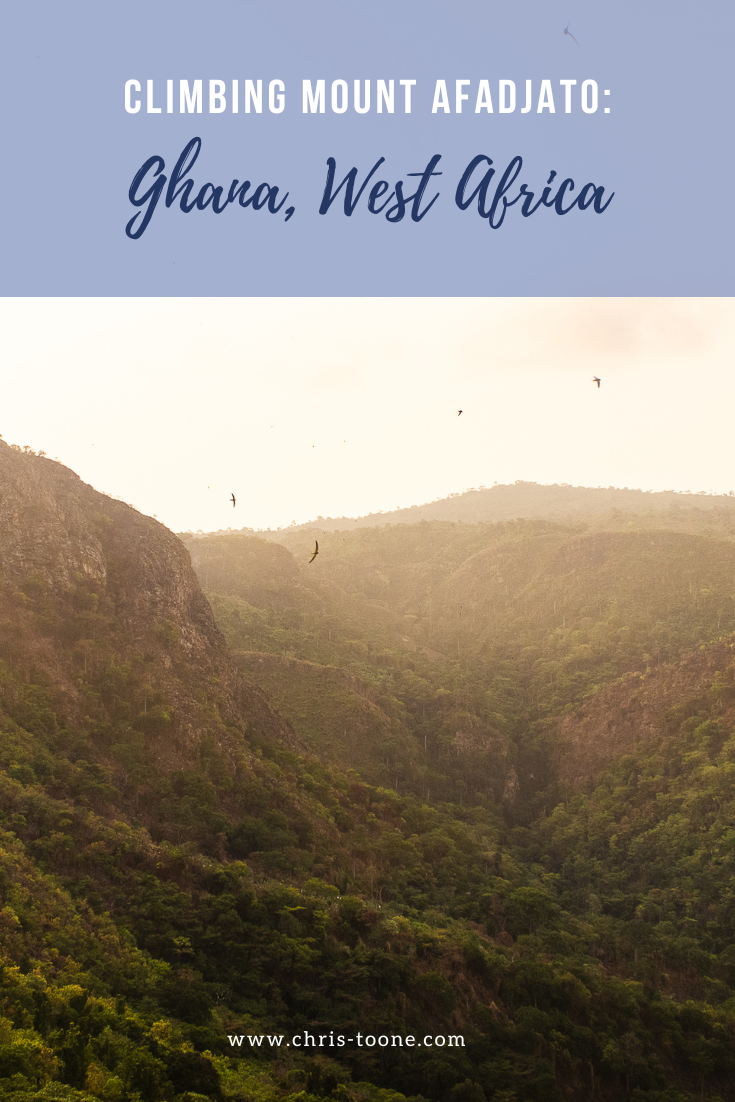
Climbing Mount Afadjato: A Complete Guide to Hiking Ghana's Tallest Mountain
If you’ve been on this blog before, it’s no surprise that this is yet another post about the unbelievable nature of Ghana’s Volta Region. When I first moved to West Africa, I immediately searched for “top places to hike in Ghana,” and every result pointed back to this mountain. So naturally, the surrounding forests and waterfalls of Mount Afadja have become my safe haven…
Note: All information below is accurate as of April 2025
If you’ve been on this blog before, it’s no surprise that this is yet another post about the unbelievable nature of Ghana’s Volta Region.
When I first moved to West Africa, I immediately searched for “top places to hike in Ghana,” and every result pointed back to this mountain. So naturally, the surrounding forests and waterfalls of Mount Afadja have become my safe haven.
Standing at 885 meters (2,904 feet), Mount Afadjato is Ghana’s tallest mountain and offers stunning views of surrounding villages, verdant forests, and even neighboring Togo.
Even more, it’s located in a small, peaceful village with plenty of other trails and waterfalls to explore, including my favorite place to stay: Tagbo Falls Lodge.
Fancy a bit of outdoor adventure on your trip to Ghana? Mount Afadjato is for you!
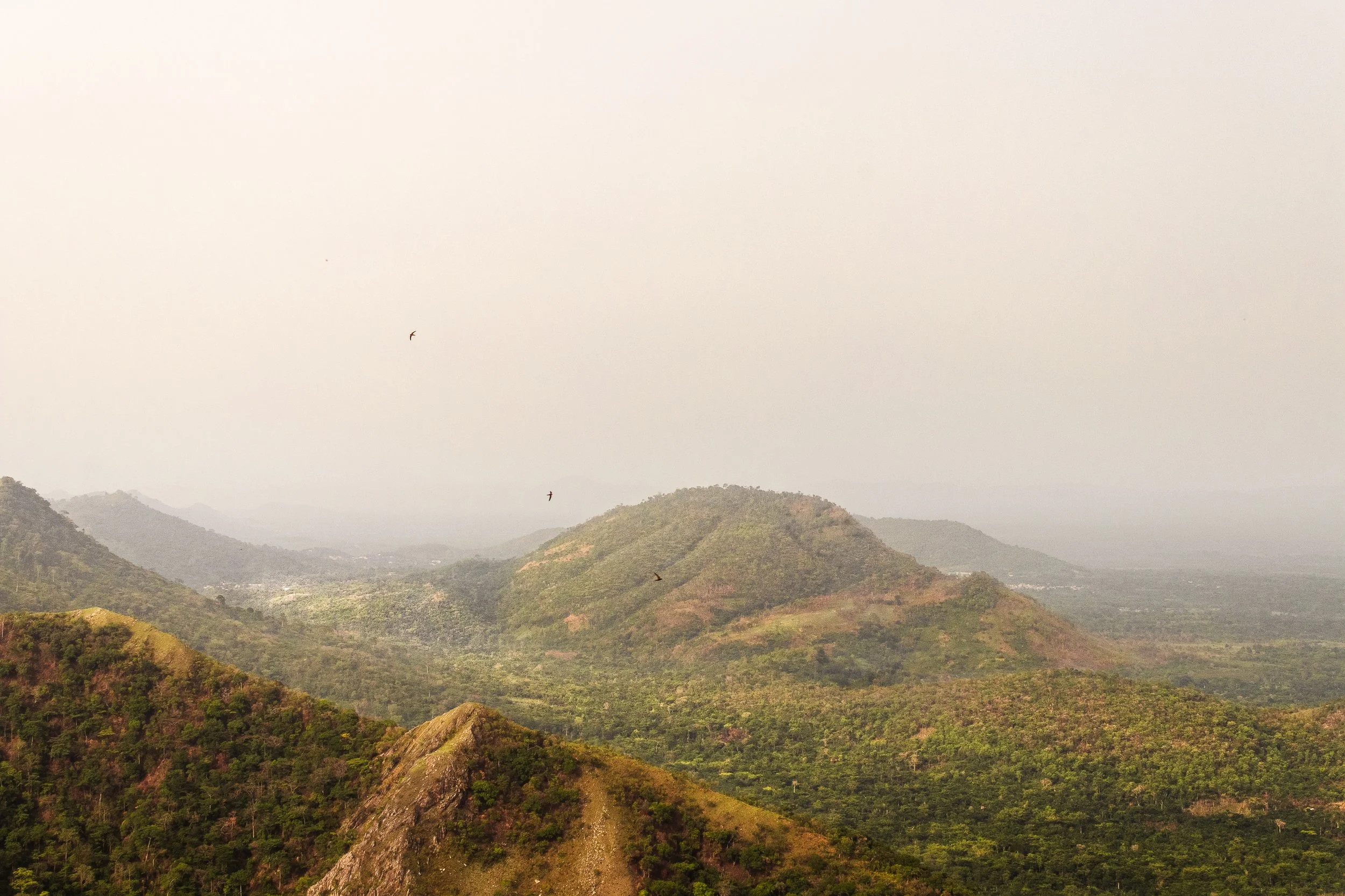
The view of the Volta Region while hiking Mount Afadjato in Ghana
History and meaning of Mount Afadjato
Mount Afadjato derives its name from the Ewe word “Avadzeto,” meaning “at war with the bush.”
As the Ewe tribe settled here from Togo, they were prone to attacks from wild animals. The village revolted, pushing them back into the mountains but as they reached the forest, they were overcome by plants making them itch.
Afadja, Afadjato, it’s all the same! Another way to break it down in the Ewe language: ‘Afar’ means ‘war’, ‘dja’ means ‘plant’, and ‘to’ means ‘mountain.
Despite the name and history, I’m happy to report that the itching plants have since been tamed and it is very safe to hike the trails (but consider long pants, just in case)!
The area remains a symbol of pride for the Ewe people, as Mount Afadja is believed to house the spirits of their ancestors who look over and protect the surrounding communities.
Interested in exploring more of Ghana’s Volta Region? Check out these posts:
Location and how to get to Mount Afadjato
Nestled in the mountains that border Togo, the trailhead is located in the small village of Liati Wote in Ghana’s Volta Region. Sounds great, right? Here’s how to get to Mount Afadjato:
By Car:
From Accra, take the Accra–Hohoe road and follow signs to Liati Wote. The roads are well-maintained (for the most part), making the drive smooth and scenic as you wind through the mountains. The drive should take ~6 hours.
By Public Transport:
Buses and shared taxis from Accra to Hohoe are affordable. From Hohoe, hire a taxi or take a shared ride to Liati Wote. Another option is to take a tro-tro to Golokwati, but this often requires 2-3 changes in vehicles along the way.
From Nearby Attractions:
If you’re already exploring Wli Waterfalls or Tafi Atome Monkey Sanctuary, Liati Wote is just a short drive away (20-40 min depending on where you’re coming from).
If you don’t want to plan your own transportation, consider one of these pre-arranged tours from Get Your Guide. They depart Accra and sort travel, food, and accommodations along the way!
Pro Tip: Whenever I can, I try to travel around Ghana on Sundays. Everyone is in church and this means much less traffic and dangers on the road – and I get to where I’m going quicker! I have my own car, but your safest option is to either rent or hire a reliable taxi. Although cheap, tro-tros (Ghana’s public transportation) are prone to breakdowns and accidents.
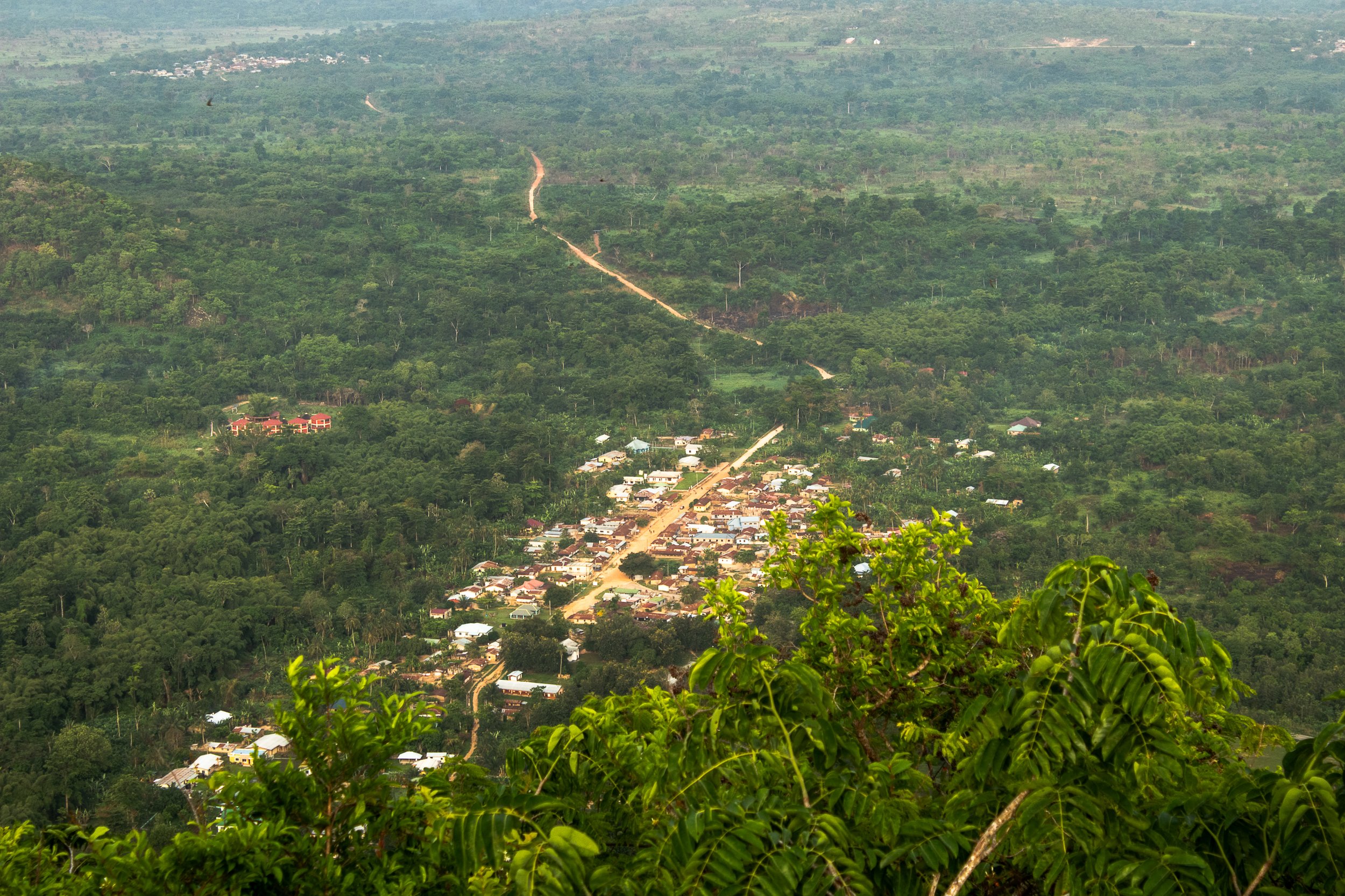
Aerial view of Liati Wote as seen from the trail of Mount Afadjato in Ghana’s Volta Region
Entrance fees & costs
Liati Wote markets itself as a tourist village (don’t worry, I was initially turned off by this as well, but it’s not what we’re used to when we see that tagline).
There are plenty of tours and options available around town, including multi-day hiking, local gin tours, and surrounding waterfalls, but be warned that each one requires a guide (this is used as a means to boost the local economy).
You can find a guide and look at the options available by checking in at the Liati Wote Toursim Office upon arrival, located at the base of Mount Afadja on the main road of town and typically open 8am, daily.
The tourism office accepts cash only, so come prepared as there are no ATMs within a one hour radius.
Hiking only Mount Afadjato requires a modest fee:
Ghanaians: 25 GHS (USD 1.60)
Non-Ghanaians: 50 GHS (USD 3)
You can add on and combine with a trip to Tagbo Falls (GHS 40/USD 2.50 for Ghanaians, GHS 80/USD 5 for non Ghanaians), or continue past Mount Afadjato to Mount Aduadu (GHS 70/USD 4.50 for Ghanaians, GHS 100/USD 6.50 for non-Ghanaians).
A Note on Guide Fees: Guides for hiking Mount Afadjato and surrounding tours don’t get paid from trail fees, so come prepared to tip them for their service to support their income. For this hike, GHS 50-100 is reasonable (USD 3-6).
The trail fees do, however, contribute to maintaining the paths and supporting local community projects, such as their recycling initiative – something that is unique to this village!
Pro Tip: There are many guides and not many visitors, meaning it’s important to find one of quality. The only one I’ll use is Faith (+233 55 083 0914). I will meet him at the reception office, pay the entrance fee, give him a tip, and often he’ll let me take myself on the trail!
What to Expect: Hiking Mount Afadjato
Although Mount Afadjato is considered a popular tourist destination in Ghana, let me be direct with you: It’s not for everyone. The trail starts on a flat path, but quickly becomes a leg burner, what feels like a perpetual stair climber machine.
Most people will tell you it takes, on average, around 2 hours round trip, which I found to be accurate, but it was by no means easy. It’s important to wear sturdy shoes and bring plenty of water and fuel.
Along the way you’ll come across convenient rest stops with scenic views, offering the perfect spot to recharge your legs and observe surrounding wildlife.
Did you know that Ghana is home to over 860 species for butterflies? Don’t worry, I didn’t before moving here, but spotting them is one of my favorite parts of spending time in the Volta Region!
Finally, after 45min-1 hour you’ll reach the peak and soak up the sweeping views across Lake Volta, neighboring Togo, and Liati Wote below. You may even spot Togolese coffee farmers wandering the foohills!
The Volta Region is where both Kawa Moka and Jamestown, two of Ghana’s top coffee companies, produce their beans.
For the most part, the trail is well preserved and shorts and t-shirt will suffice, but if you’re planning to go beyond the peak to nearby Mount Aduadu as I did, be sure to wear long pants.
Reaching this secondary mountain requires bushwhacking lesser-frequented pathways and it’s not uncommon to come across snakes and biting ants.
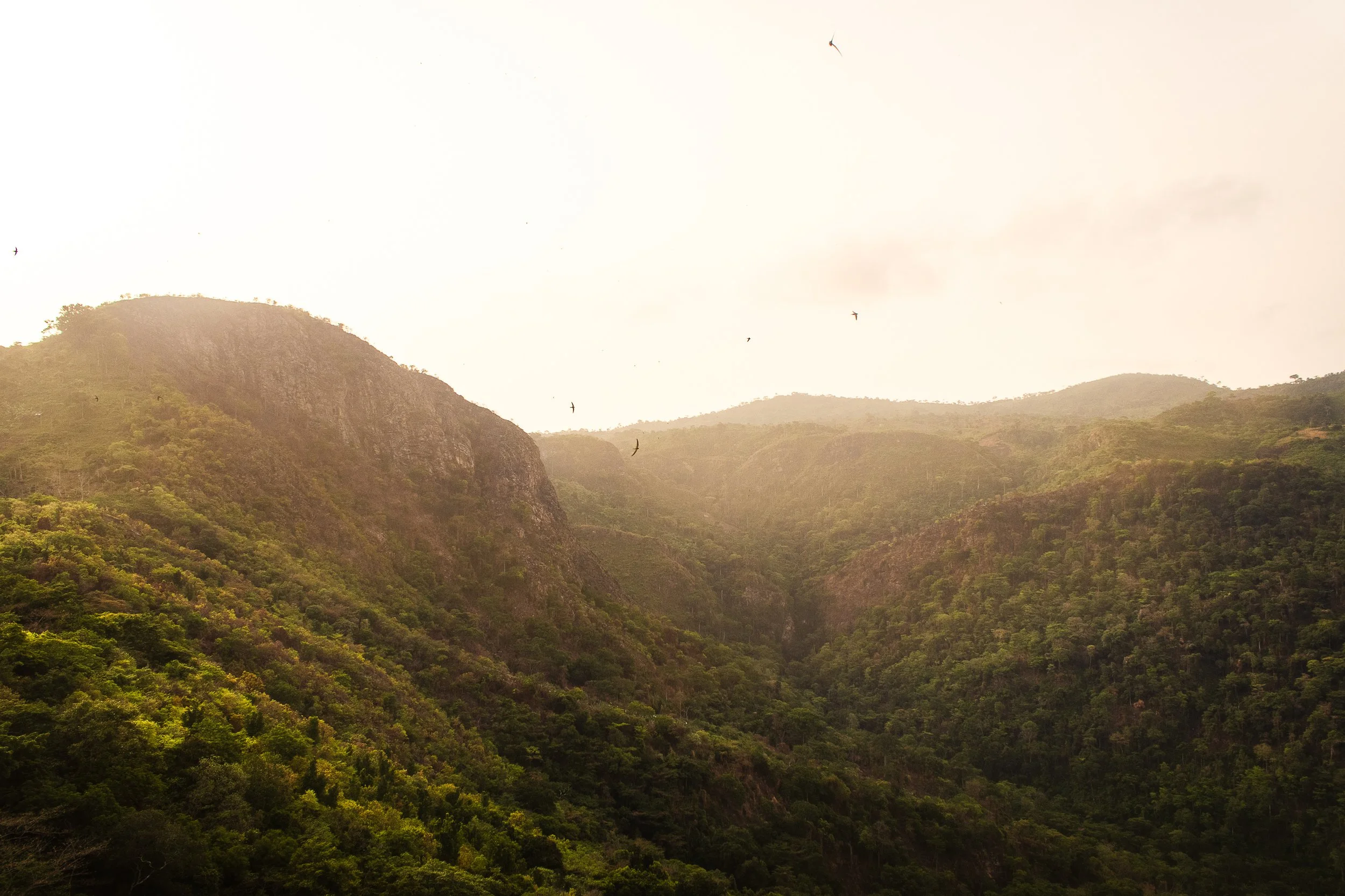
View of Mount Aduadu at sunrise, shot from the peak of Mount Afadjato
Nearby attractions
Tagbo Falls:
Located near Mount Afadjato, this tranquil waterfall is an excellent spot to cool off after your hike. I’d recommend climbing Afadja in the morning, and then continuing on (for an additional trail fee) to Tagbo Falls. It’s a flat, short, 40min hike and the trailheads start from the same location! It’s one on my favorite places to spend an afternoon swimming.
Wli Waterfalls:
Ghana’s highest and most famous waterfall is just a short drive away (20min) and offers another fantastic nature experience. Similar to Tagbo, this short trail is accessible to everyone and cooling off in the pool under the cascading water is a spiritual experience.
Amedzofe Village:
Amedzofe is Ghana’s highest-elevated settlement, originally established by the Germans during colonial times. The area offers cooler weather, more waterfalls, a better (and less frequented) canopy walk than Kakum National Park, and a small climb to the cross on top of Mt. Gemi. If coming from Ho, you’ll pass the turnoff for Amedzofe along the way (less than 1 hour from Liati Wote).
Best time to hike Mount Afadjato
The Harmattan, or dry season, (November to April) is the best time for hiking, as the trails are less muddy. However, the dust being blown from the Sahara can significantly reduce visibility (although makes for beautiful, glowing sunrise).
The rainy season (May to October) brings lush greenery, making the scenery even more vibrant, but the steep trail can get slippery, so be sure to wear proper footwear and plan accordingly.
Finally, beat the heat and hike Mount Afadjato in the morning. If arranged ahead of time, your guide can meet you at the tourist office before sunrise and you can start on the trail before fighting the humidity.
Top packing tips for your hike to Mount Afadjato
Shoes are essential. Especially if planning to visit during rainy season. The trail is steep and can quickly become slippery, so it’s safest to have good treads.
Sunscreen and insect repellent. The trail itself traverses dense forest, and the peak is completely exposed so you’ll have to plan for all elements. After years of sweating off my sunscreen in the humidity, I’ve finally switched over to using a stick instead and it’s been a gamechanger!
A good camera. The top of Mount Afadjato provides some of the most stunning views in the area. If you’re into landscape photography, this is the place to come. Personally, my Canon 80d has been my best travel companion over the years.
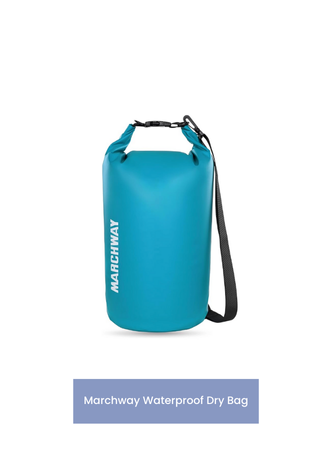
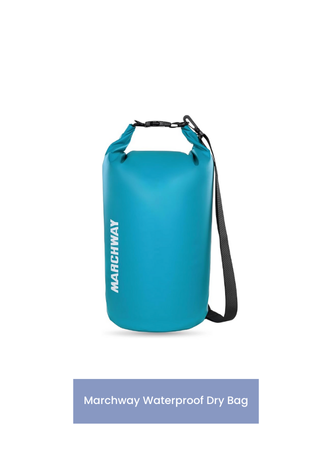
A quality dry bag. Hiking in West Africa can be unpredictable, especially during the rainy season. I’ll always bring my Marchway dry bag to protect my valuables.
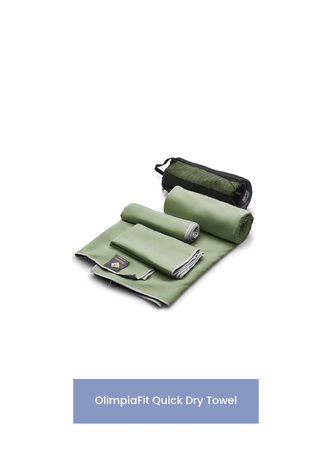
Don’t forget a quick-dry towel. Whether caught in the rains or planning to add on a visit to Tagbo Falls, a lightweight towel is the perfect item to add to your pack.
Water and Fuel. Regardless of season or time of day, you’ll work hard to get to the top of Mount Afadjato. Come prepared with plenty of water and snacks. There aren’t many options available in town, but you can always also your guide where to pick up supplies.
A reliable SIM card. Traveling outside of Accra is never easy and it pays to have a reliable in-country SIM. Recently, I’ve been using Airalo on my travels and, although I enjoy collects SIM cards, they take away the stress of losing it or always looking for a pin to open the port!


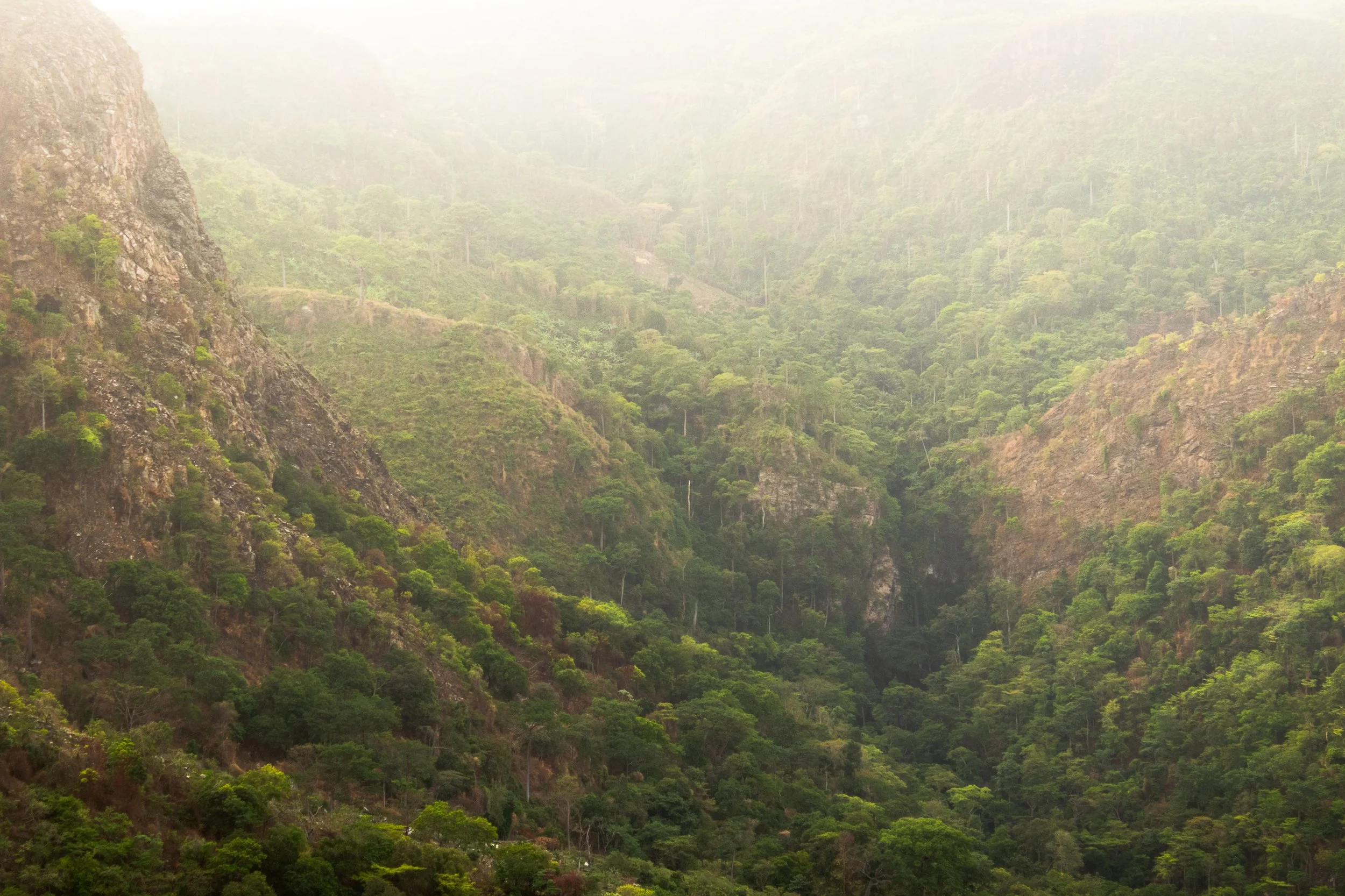
A view into the valley below, shot from the peak of Mount Afadjato
Standing on top of Ghana’s tallest mountain at sunrise is a scene I won’t soon forget. Accra is great, but experiencing the breathtaking nature in the Volta Region is a must during any visit to Ghana, and Liati Wote is the perfect place to base.
Explore, rest, and walk away refreshed from your time in these stunning mountains.
Have you conquered Mount Afadjato or plan to visit? Share your experience in the comments below. As always, stay safe and happy travels!
Sharing is caring! Pin this post for later.






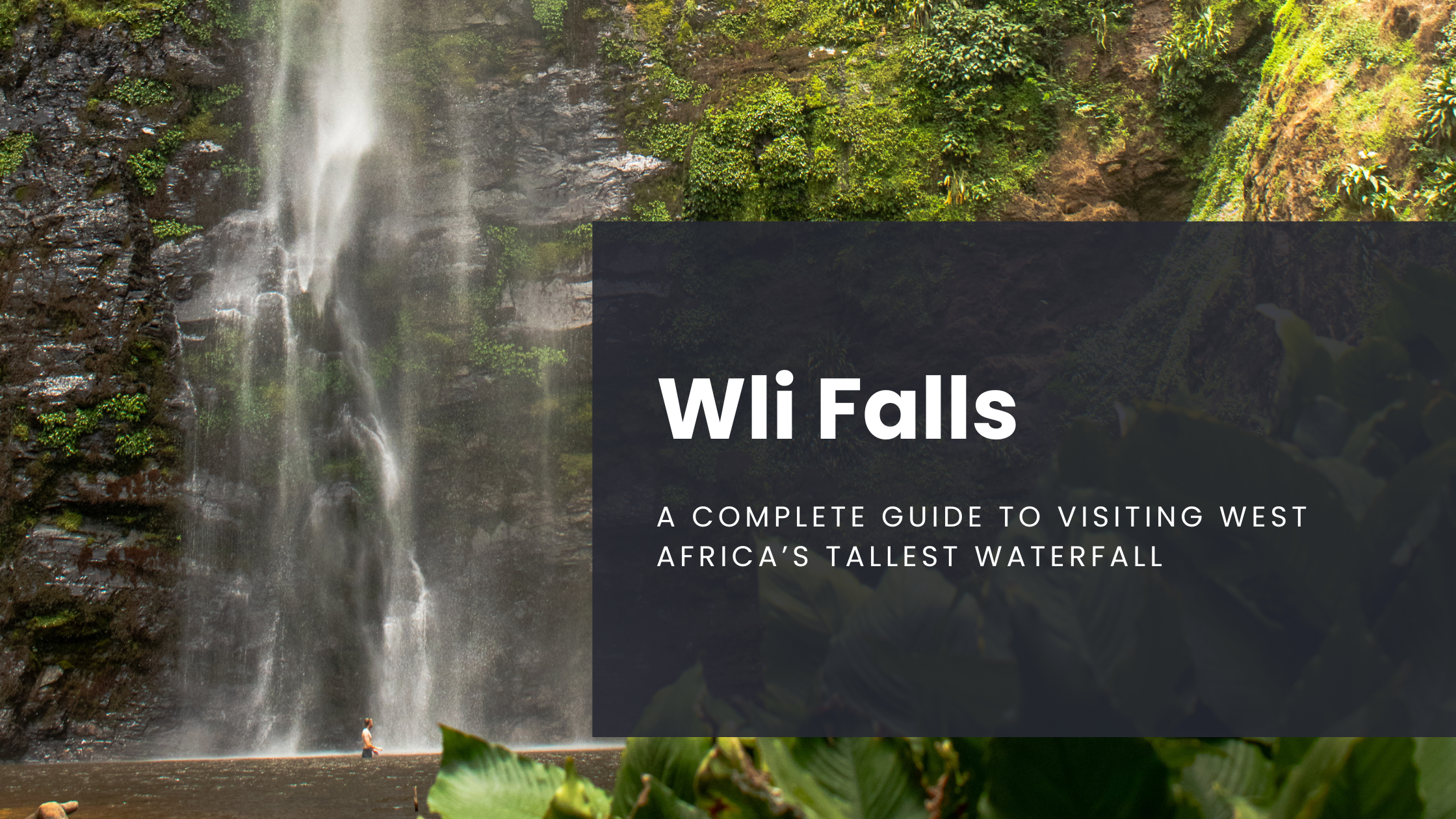
A Complete Guide to Visiting Wli Waterfalls in Ghana
Hidden in the lush greenery of Ghana's Volta Region lies a breathtaking natural wonder, offering an unforgettable experience for nature lovers and adventure seekers alike. Here’s your ultimate guide to making the most of your visit to Wli Waterfalls…
Note: All information below is accurate as of March 2025.
If you haven’t caught on yet, I’m a big fan of the nature in Ghana and, after moving here, I was surprised to learn that the highest waterfall in West Africa is only a short day-trip away from my home.
Hidden in the lush greenery of Ghana's Volta Region lies a breathtaking natural wonder, offering an unforgettable experience for nature lovers and adventure seekers alike.
Here’s your ultimate guide to making the most of your visit to Wli Waterfalls!
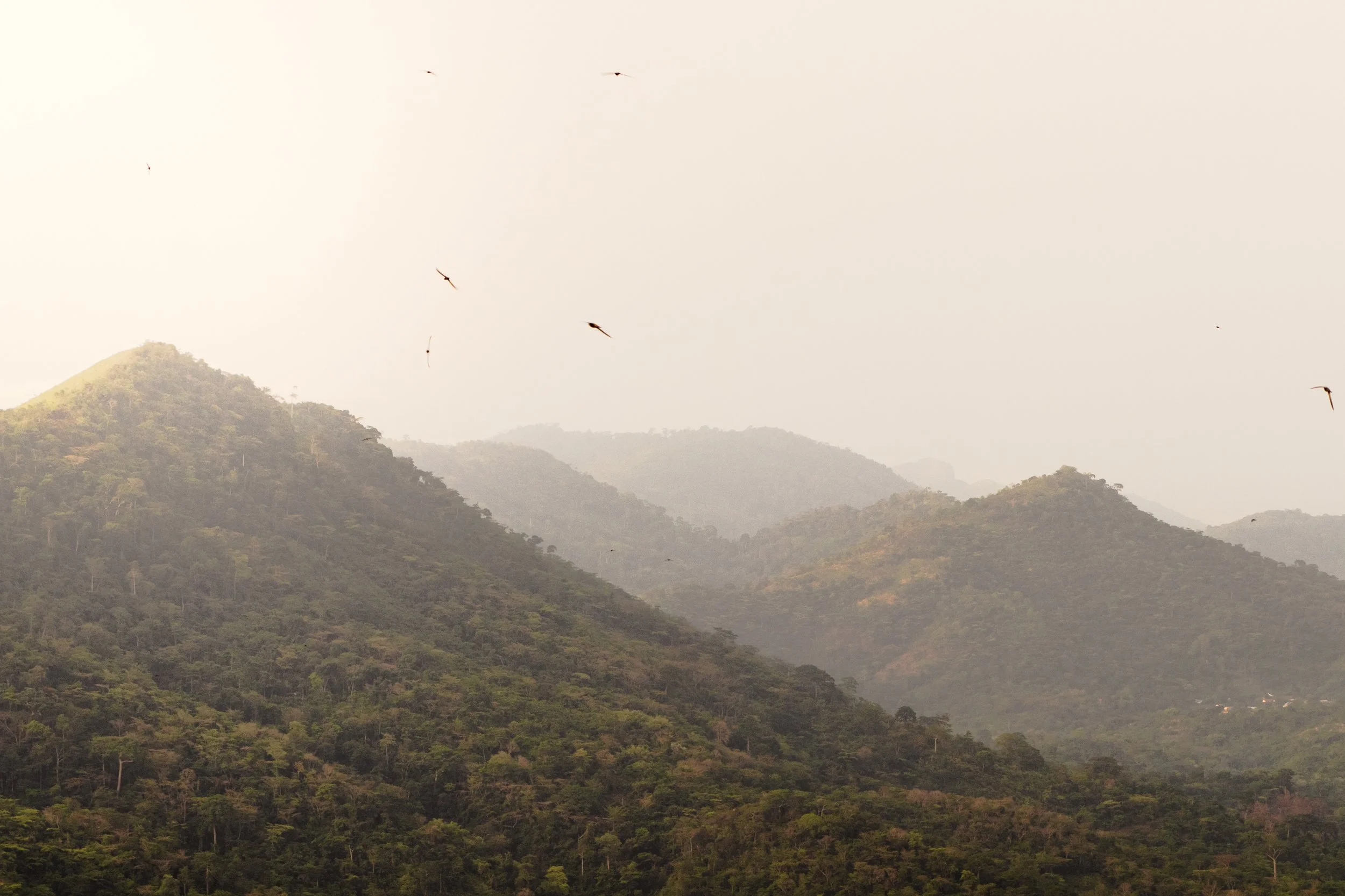
Ghana’s Volta Region is full of lush mountains along the border with Togo
Know Before You Go: Wli Waterfalls Background
Wli Falls, also called Agumatsa Falls, means "let me flow" in the Ewe language. The falls are fed by the Agumatsa River, which comes from neighboring Togo, and plummets 80 meters over the cliffs and into the pools below.
Although a popular tourist spot, the surrounding nature is still relatively untouched, making for a serene and peaceful day in the forest. You’ll run into colorful butterflies, plenty of birds, and even a colony fruit bats along the cliffs.
So, now that you’re hooked, when’s the best time to visit Wli Waterfalls? Well, there are two options that depend on what your priority is.
Dry season in Ghana, also known as Harmattan, runs from November to March. During this time the hiking weather is more pleasant, but the flow of the falls will be slower.
In contrast, rainy season occurs from April to October and makes the hike a bit more difficult with muddy trails, but you’ll get to experience the roar of the waterfalls at full force. Personally, I’d choose the rainy season, but it’s a great place to spend an afternoon either way.
Finally, it’s important to be aware that there are two trails: one to lower falls, and one to upper. The lower trail is classified as easy and good for all ages, while the upper falls trail is moderate to hard and requires a guide (these can be found at the main office).
Choose your adventure and plan accordingly!

Standing beneath Ghana’s Wli Waterfalls
How to get to Wli Waterfalls
Wli Waterfalls is located near the town of Hohoe in Ghana's Volta Region and is most easily accessible by car from Accra. The good news is that, unlike other regions of Ghana, the roads in and out of the waterfall area are well maintained, making for a breathtakingly beautiful drive along the mountainous border with Togo.
To get here…
By Car: From Accra, it’s about a 4-5 hour drive (approximately 230 km). The route takes you through scenic landscapes and vibrant local villages. The biggest places to stop for petrol along the way are Atimpoku, Juapong, and Peki (if passing through Golokwati).
By Public Transport: Take a bus or shared taxi from Accra to Hohoe, then hire a taxi or moto to Wli, which is about 20min away.
Pro Tip: Share a taxi for the day or hire your own car. Local minibus transportation, also known as tro-tros, are notorious for accidents and breakdowns, especially when covering longer distances outside of Accra.
Entrance fees & costs
For a comprehensive list of admittance fees, including child and student discounts, visit the official Wli Waterfalls website.
Entry Fee (Lower Falls):
Ghanaians: 25 GHS (USD 1.60)
Non-Ghanaians: 60 GHS (USD 4.00)
Upper Falls Guided Hikes:
Ghanaians: 60-70 GHS (USD 4.00-4.50)
Non-Ghanaians: 80-90 GHS (USD 5.00-6.00)
Bring extra cash for souvenirs, snacks, or donations to support the local community. A small market is setup outside of the Tourism Office, making it easy to stock up on water and other supplies.
Pro Tip: Remember to tip your guide and get their contact information to recommend their services to others. Ghana’s economy functions off connections and who knows who, so this small gesture will go a long way.
Interested in exploring more of Ghana’s Volta Region? Check out these posts:
What to expact at Wli Falls
Lower Falls
A gentle, 30-minute walk through Ghana’s lush nature on a well-marked trail leads to the lower falls. You’ll cross scenic wooden bridges and enjoy the vibrant sights and sounds of the rainforest. The cascading waters create a refreshing natural pool perfect for a swim.
You’ll hear the falls before you can see them and pay close attention to the towering cliffs as they come into view between the tree-tops. This is where the fruit bat colony resides and, if you’re lucky, you’ll catch them flying off the rocks
Upper Falls
For a more challenging adventure, embark on a steep 3-4 hour hike to the upper falls (guide required). The trek rewards you with stunning views and a quieter, less-crowded experience. There is both a short loop and a long loop, so be sure to discuss with the Tourism Office before setting out on your adventure.
Unlike Lower Wli Falls, the Upper requires hiking through grassy foothills and on narrow paths, so be sure to bring appropriate footwear and long pants. A moderate level of fitness is required for this trail.
Pro Tip: To avoid the crowds, plan your visit for a Sunday morning. This will ensure you beat the post-church rush and as they move in, you’ll be on your way back out!
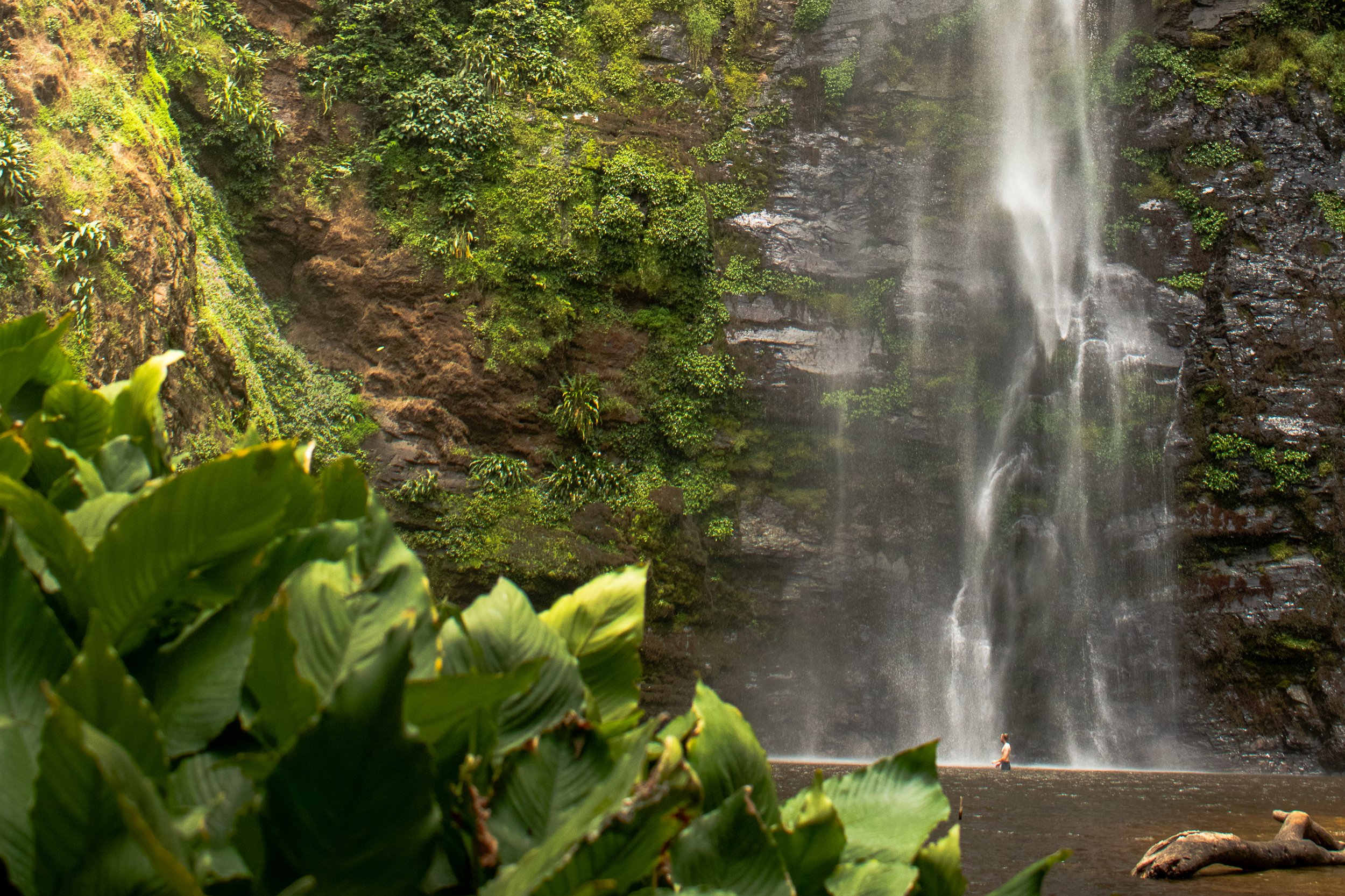
Swimming in the pools beneath Wli Falls in Ghana
Nearby places to visit
The Volta Region is full of amazing nature and experiences, so make your trip even more memorable by exploring more near Wli Waterfalls:
Amedzofe Canopy Walk:
A short 1 hour drive away, Amedzofe is the highest elevated settlement in Ghana and is where you’ll find a canopy walkway with the stunning Oti Falls as a backdrop.
Mount Afadja (Afadjato):
Ghana's tallest mountain offers a thrilling hiking experience and panoramic views in neighboring Liati Wote.
Tagbo Falls:
Another serene waterfall located near Mount Afadja, perfect for a peaceful escape and my favorite place to soak up Ghana’s nature.
What to bring
Hiking Boots: Especially if hiking the Upper Falls or visiting in rainy season.
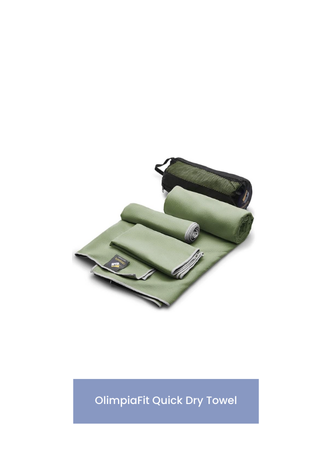
Swimsuit and Towel: Even if you don’t plan to swim, still bring it. The swimming pools act as a great way to cool off from Ghana’s heat and humidity! Pack lightly with a quick dry towel.
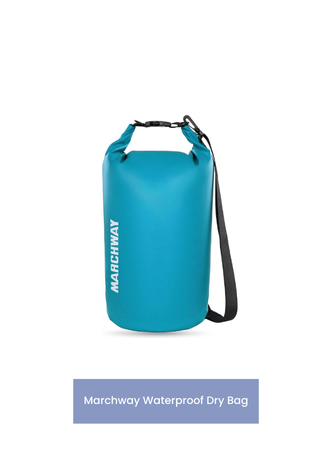
Waterproof Bag: Protect your valuables and be sure bring a waterproof bag, especially if there’s a risk of rain! I never hike in Ghana without my Marchway dry bag.
Water and Snacks: Wli Waterfalls is located within the Agumatsa Wildlife Sanctuary, so although these items are easily accessible at the trailhead, please remember to pack out what you bring in!
A Good Book: What better way to recharge then lounging at the base of West Africa’s tallest waterfall and enjoying a good book. Ever since moving abroad and traveling more extensively, I never leave home without my Kindle Oasis.

A visit to Wli Waterfalls is more than just a trip—it’s an immersion into Ghana's natural beauty and cultural richness. Whether you’re splashing in the lower falls or hiking to the upper falls, you’ll leave refreshed and ready for more of all Ghana has to offer.
Have you visited Wli Waterfalls or plan to go? Share your thoughts in the comments below!
Sharing is caring! Pin this post for later.




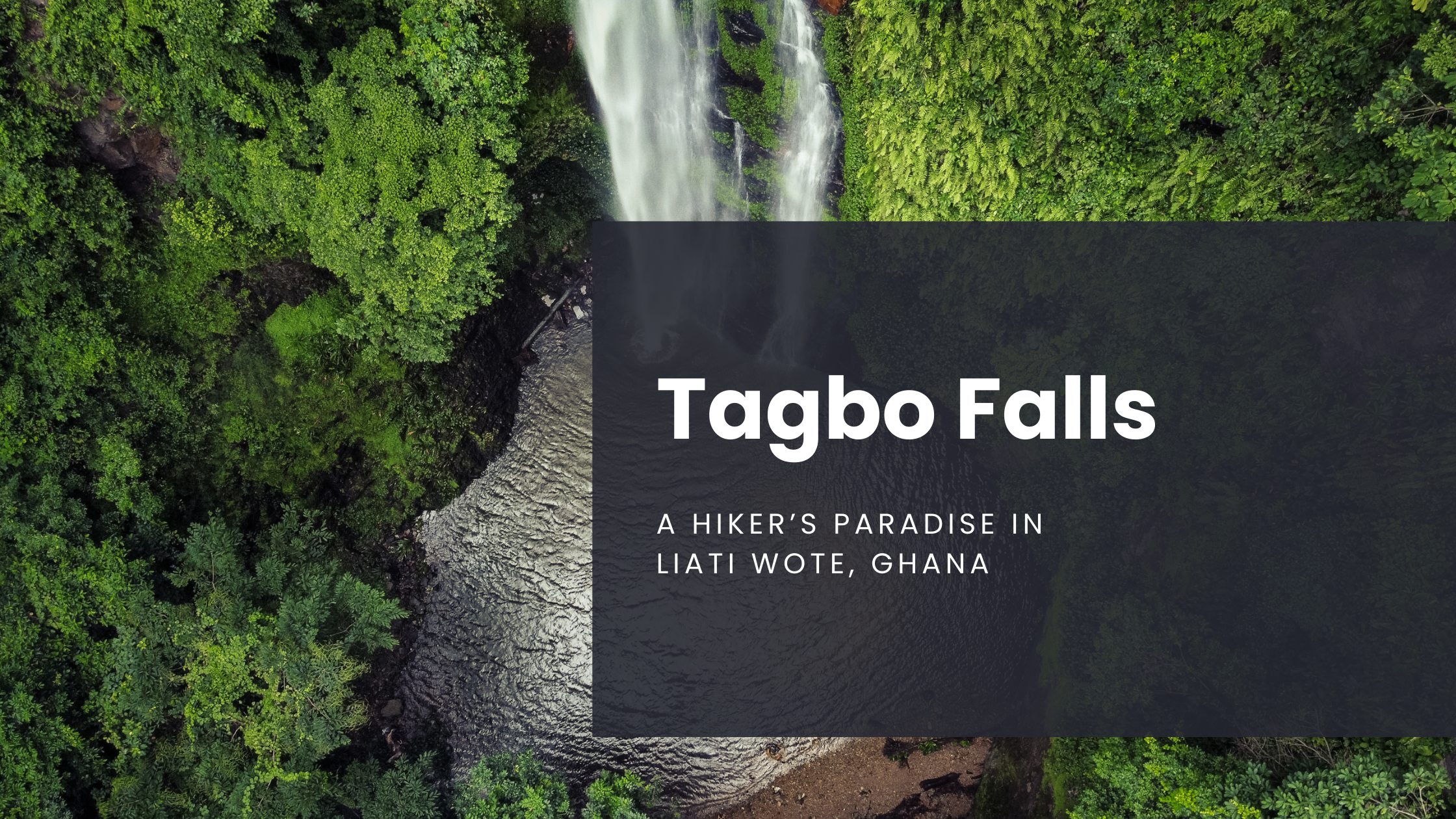
Tagbo Falls: A Hiker’s Paradise in Liati Wote, Ghana
The Volta Region is home to some of the country’s most breathtaking natural beauty, and nestled in this lush landscape is Tagbo Falls—a hidden gem and my favorite under-the-radar destination in the area….
Note: All information below is updated as of October 2024, but as Ghana’s economy fluctuates so to can costs of guides, accommodations, etc.
Ten years. That’s the amount of time I've been traveling in and out of Ghana without having visited the Volta Region and I’ll be the first to admit, I had no idea what I was missing. Verdant mountains rising high along the border with Togo, coffee farms, waterfalls, and endless hiking trails are all at your fingertips.
The Volta Region is home to some of the country’s most breathtaking natural beauty, and nestled in this lush landscape is Tagbo Falls—a hidden gem and my favorite under-the-radar destination in the area.
Hiking to Tagbo Falls is a relatively easy trail with minimal elevation gain and few obstacles. The trail winds through the serene rainforest, cacao farms and, if you time it right, butterfly colonies fluttering along the path, all culminating at the stunning falls.
Take a swim, enjoy the afternoon in the forest, and make the most of this hidden gem.

View overlooking the mountains in the Volta Region of Ghana, from the top of Mount Afadjato
How to get to Tagbo Falls
Tagbo Falls is located in the village of Liati Wote, just at the base of Mount Afadjato, Ghana’s highest free-standing peak. To reach Liati Wote:
From Accra:
It’s about a 3-4 hour drive (200 km). The most common route is via the Hohoe road. You can rent a car or take a tro-tro from Accra’s Tudu Station to Hohoe, then catch a taxi or motorbike to Liati Wote.
Through Golokwati:
An alternative route is to take a tro-tro (local transportation) from Accra through Atimpoku and Juapong, towards Golokwati. Once there, jump on a local motorbike to take you the rest of the way (80 GHC, around USD 5.50) and enjoy the dirt roads as you wind towards the fresh air in the mountains.

Aerial view of Liate Wote, Ghana at sunset
Hiking to Tagbo Falls & what to expect
Note: Remember, this is West Africa which means it’s important to keep an eye out for trail hazards, including snakes, ants, and even land crabs.
The hike to Tagbo Falls is around 45 minutes to an hour each way, depending on your pace and how often you stop to soak in the surroundings. The trail itself is moderate in difficulty, with one or two steep sections that are completely manageable, unless it’s rainy season.
The trail starts at the same point as Mt. Afadjato, branching off to the right from the community park, and is marked the entire way.
Interested in exploring more of Ghana’s Volta Region? Check out these posts:
Here’s a breakdown of what to plan for:
Lush Rainforest: The hike takes you through a rich tropical rainforest, where you’ll encounter towering trees, vines, and an array of birds and butterflies. Keep your eyes peeled for other wildlife – the last time I was on this trail we unexpectedly came across a land crab. It’s tempting to try the cacao pods, but remember this is someone’s livelihood and it’s best to leave the trail as you found it.
Streams and Bridges: As you approach the falls, you’ll cross a series of small streams, all structurally sound and easily navigable.
The Waterfall: Once you arrive, you’ll be greeted by the spectacular 60-meter-high Tagbo Falls. The waterfall cascades into a cool, clear pool at the base, which is perfect for a refreshing swim after the hike. Surrounded by the dense forest, the falls creates one of the best secluded spaces in Ghana in relax and unwind. There’s a sign post stating “No Swimming” but, as the guides say, this is to deter people that don’t know how to swim from trying.
Guides and Entry Fees: Liati Wote is an unconventional tourist destination (yet extremely less visited than the description suggests). Guides are volunteer and required for all excursions. They make their money on tips provided. That said, it’s also possible to pay the trail fee, include a tip, and go guide-free on some of the more common trails, including Tagbo Falls. This gives a bit more flexibility and allows you to enjoy the waterfall as long as you want.
The entry fee to Mount Afadjato and Tagbo Falls is GHC 80 (USD 4.50) for both. This price drops if you visit just the waterfall. A common practice is to tip 40-50 cedis per guide.
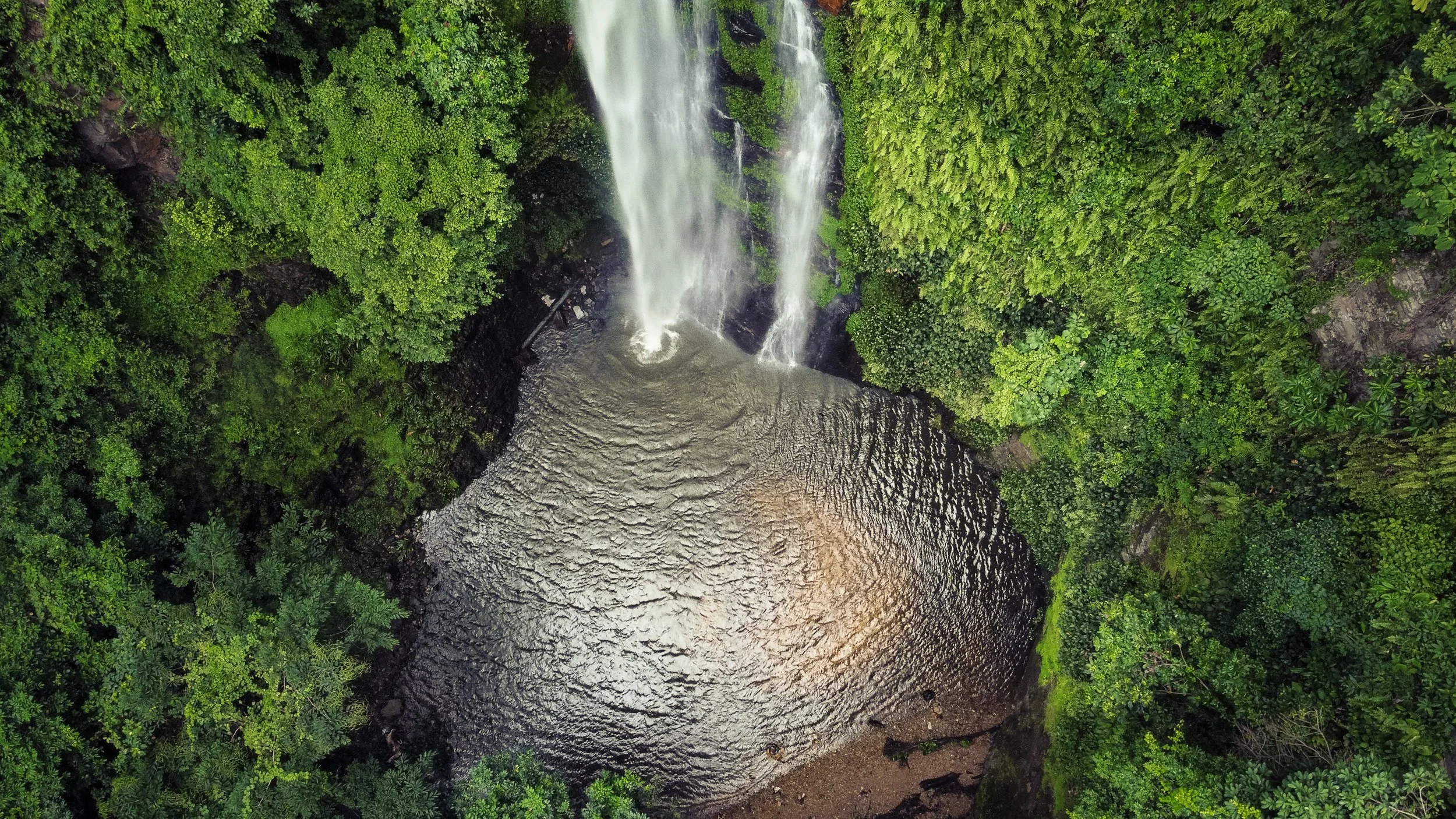
The swimming hole at Tagbo Falls in Ghana makes for the perfect afternoon relaxation spot
Packing tips & tricks for Tagbo Falls
Hiking shoes: Essential for navigating the sometimes muddy and uneven trail, especially if it has recently rained.
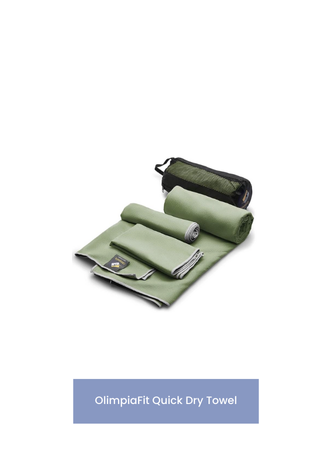
Swimsuit and towel: For a refreshing dip in the cool waters of Tagbo Falls. My go-to quick dry towel is from Olympia Fit. Lightweight and reliable, get it here.
Note: There is nowhere to change by the waterfall other than in the forest. Washrooms and changing stalls can be found at the community park at the trailhead.
Water and snacks: Shops in Liati Wote are minimal, at best. It’s recommended to pack in everything you think you’ll need.
Camera: The scenery is stunning, and you’ll want to capture the moment!
Waterproof Bag: Be sure to protect your valuables from the streams and waterfall spray. It’s also useful as you never know when a storm will blow through the forest. Check out this one from Marchway — I never hike in Ghana without it and it keeps my camera gear dry!

Best time to visit Tagbo Falls
The best time to visit Tagbo Falls is during the rainy season (from April to October) when the waterfall is at its fullest. However, the trail can be slippery during heavy rains, so be sure to wear sturdy hiking boots and plan accordingly. The dry season (November to March) offers easier hiking conditions, but the waterfall might be less dramatic.

It’s hard to pass on the swimming hole at the base of Tagbo Falls
Places to stay near Tagbo Falls
While Liati Wote is a small village, there are several accommodation options nearby for travelers:
Wli Waterfalls Lodge:
Located in Wli, about a 30-minute drive from Liati Wote, this cozy lodge offers comfortable rooms, delicious local meals, and easy access to both Wli and Tagbo Falls. A room here can cost between USD 20 and 40.
Afadjato Guesthouse:
This simple guesthouse is located right in Liati Wote and is a great option if you want to stay close to the trailhead. It offers basic amenities and a friendly, local atmosphere.
Tagbo Falls Lodge:
This is by far and away my favorite place to stay in Ghana. The eco-lodge is located in Liati Wote, adjacent to the guesthouse, and provides unparalleled meals from their organic garden at affordable prices. The phone network is limited, making it the perfect place to disconnect and unwind. A room here costs between USD 20 and 35. Be sure to book ahead of time as this is a popular retreat due to its limited hosting capacity. Be sure to try Madam Philomina’s stove-top bread with garlic butter!
Nearby Attractions
Mount Afadjato:
If you’re feeling adventurous, why not tackle Mount Afadjato? It’s a short hike from Liati Wote, and reaching the summit offers stunning views over the Volta Region and even into neighboring Togo. There’s nothing better than a sunrise hike to the summit followed by an early morning swim at Tagbo on the way back to town.
Wli Falls:
Just 30 minutes away, Wli Falls is another must-see waterfall. It’s the tallest in West Africa, and the hike to the lower falls is less challenging, making it easily accessible for all fitness levels. Additional options are available, including a more strenuous journey to the upper falls, skirting the border with Togo.
Amedzofe Canopy Walk:
About an hour’s drive from Liati Wote leads to Amedzofe, Ghana’s highest elevated settlement. Here you’ll find untouched nature and one of the most picturesque canopy walkways, nestled in the mountains with Oti Falls flowing underneath. It’s definitely a spot worth checking out!
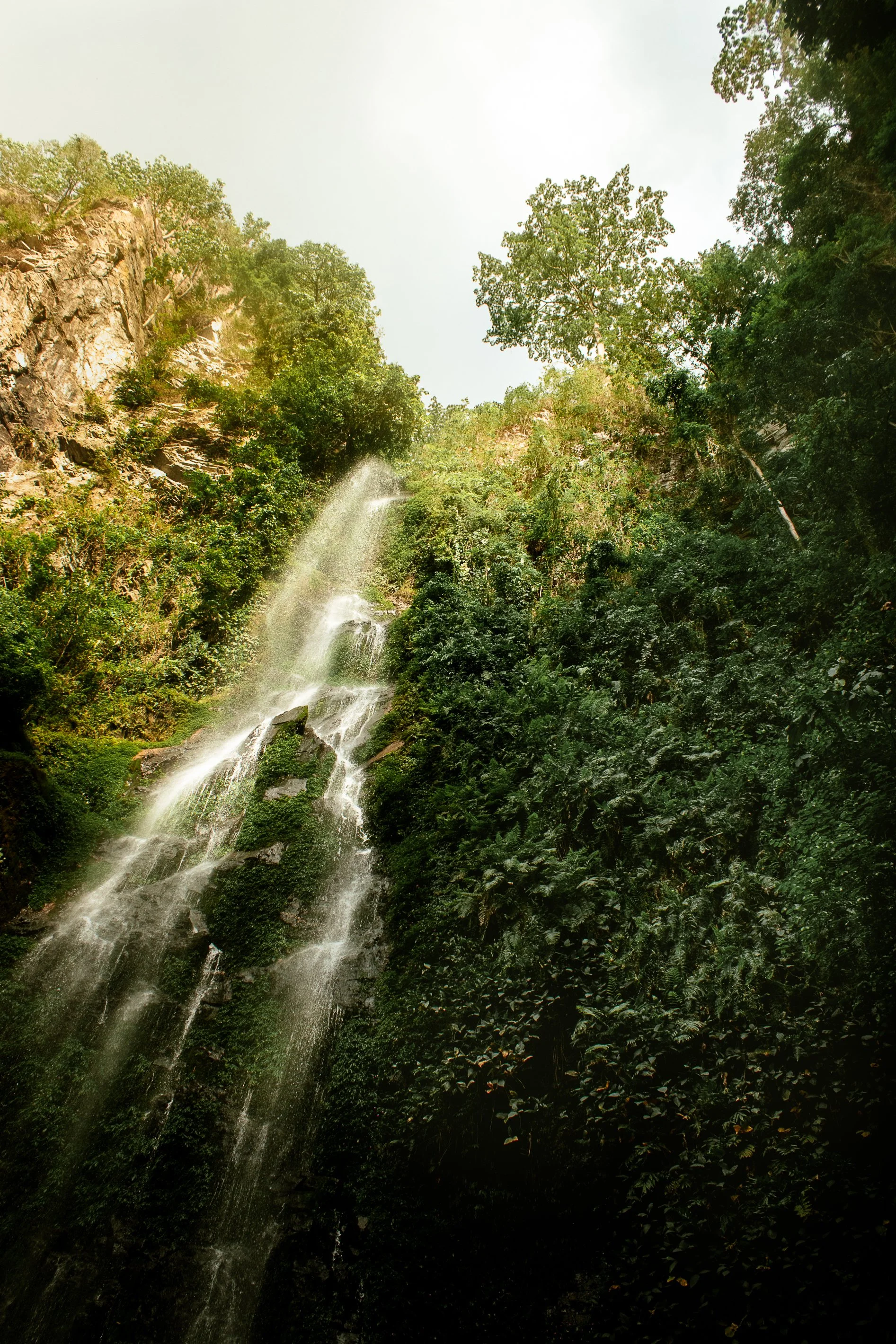
The sunlight makes a beautiful scene as it illuminates the top of the canopy above Tagbo Falls
It may sound extreme, but a visit to Tagbo Falls is the best way to experience one of Ghana’s most beautiful natural landscapes.
Whether you’re a solo traveler or exploring with friends, this adventure offers the perfect combination of challenge, reward, and tranquility.
So lace up your boots, pack your bags, and get ready for a day full of nature in the heart of the Volta Region!
In the meantime, stay safe & happy travels!
Have you hiked Tagbo Falls before? Share your experience in the comments!
Sharing is caring! Pin this post for later.



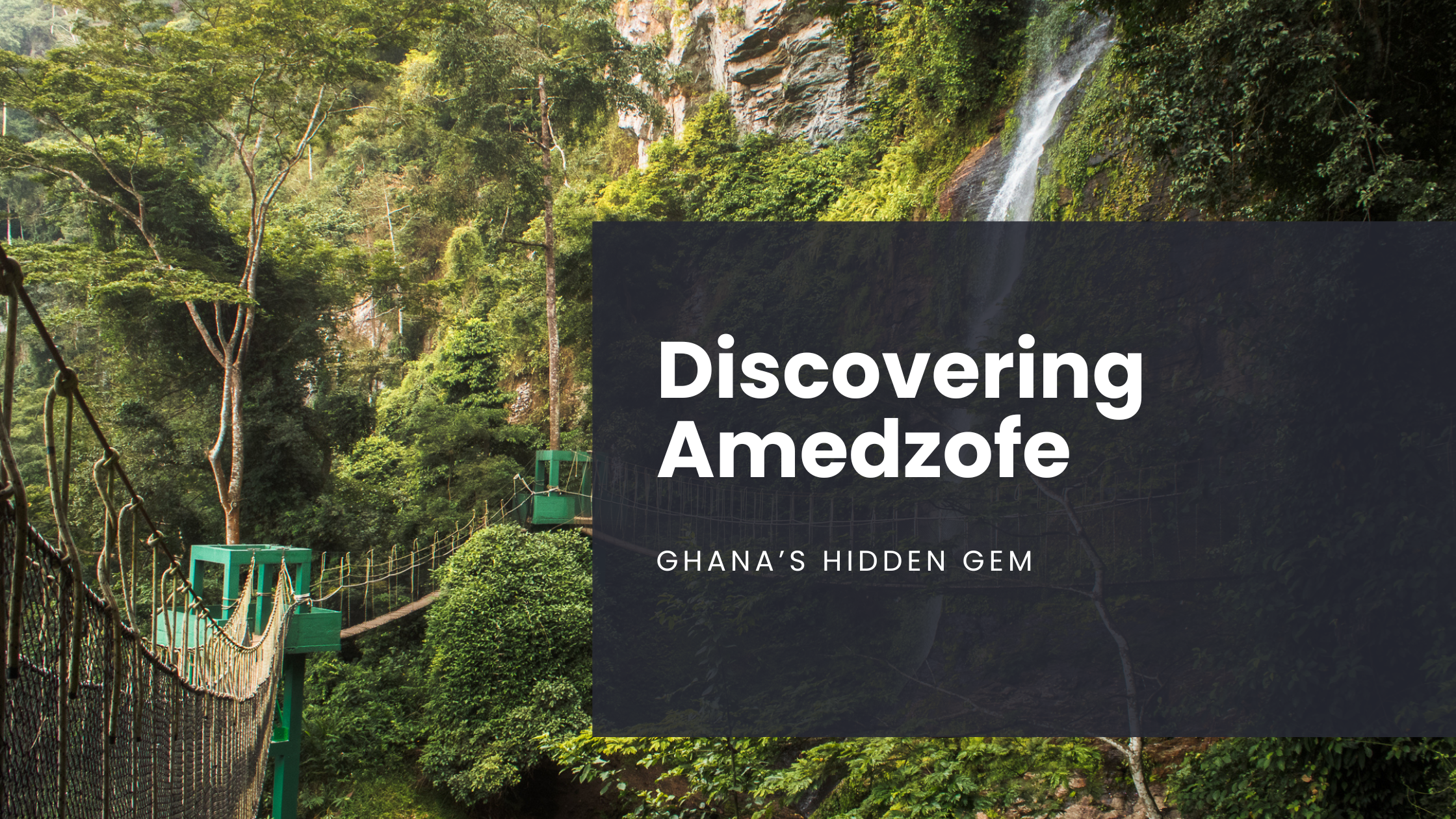
Discover Ghana’s Hidden Gem: Amedzofe
Ghana is home to countless hidden gems, and one of its best-kept secrets is the town of Amedzofe. Nestled in the picturesque mountains of the Volta Region, this serene and welcoming town offers a perfect blend of natural beauty, history, and adventure. Whether you're a nature lover, a history buff, or simply seeking an off-the-beaten-path destination, Amedzofe has something special to offer...
Please note: All info below is accurate as of September 2024
Ghana is home to countless hidden gems, and one of its best-kept secrets is the town of Amedzofe. Nestled in the picturesque mountains of the Volta Region, this serene and welcoming town offers a perfect blend of natural beauty, history, and adventure. Whether you're a nature lover, a history buff, or simply seeking an off-the-beaten-path destination, Amedzofe has something special to offer.
Sounds like paradise, right? Here’s everything you need to know before a visit.

Canopy Walkway - Amedzofe, Ghana
History of Amedzofe
Amedzofe, the highest habitable settlement in Ghana, sits about 750 meters above sea level. Historically, it served as a strategic location for the Ewe people, providing a natural defense against attacks. During colonial times, German missionaries arrived and their influence is still visible today in the architecture, such as the iconic German-built Presbyterian Church. The area’s rich history is intertwined with its cultural heritage, making it a fascinating destination for those interested in learning about Ghana’s past.
Experience more of Ghana’s nature and check out these posts:
How to get to Amedzofe
Amedzofe is approximately 2.5 to 3 hours by road from Accra, the capital of Ghana. Depending on traffic, it’s safer to plan for 4-5 hours of travel!
The best route is via the Accra-Ho road, which offers a smooth drive until you reach the scenic, winding roads that ascend the Amedzofe hills. Public transport is available, but if you're looking for convenience, renting a car or booking a private ride might be the best option.
The final stretch of the journey will treat you to breathtaking views of lush valleys, mountains, and distant villages.
If driving yourself, be aware that once entering Amedzofe the roads deteriorate. Mount Gemi is accessible, but many people choose to park elsewhere and take motobikes to the start of the canopy walkway, especially in rainy season.
Top things to do in Amedzofe, Ghana
Mount Gemi:
One of the town’s main attractions is Mount Gemi, a prominent peak that offers panoramic views of the Volta Region. Atop the mountain stands a stone cross, erected by German missionaries in the early 20th century. A short hike to the summit (~20 minutes) will reward you with sweeping vistas of the surrounding landscape, including Lake Volta on a clear day.
At the top, you’ll find a cross that overlooks the village below. This is a sacred place to the community and it’s not uncommon to see people making pilgrimages to pray.
Cost: 55 GHS (USD 3.50) for foreigners
Note: Although Mt. Gemi is a hike, minimal fitness levels are required. Multiple routes of varying inclines exist, making this attraction suitable for everyone.
Amedzofe Canopy Walk:
Amedzofe is home to a beautiful, lesser-known waterfall that cascades gently into a natural pool. The short but steep hike to the waterfall is an adventure in itself, as you pass through verdant forests and enjoy the peaceful sounds of nature. Don’t forget your camera and swimsuit—this spot is perfect for capturing the tranquil beauty of Ghana’s natural wonders and bathing below the falls.
If it’s between Kakum Canopy and Amedzofe, choose here. It’s far less trafficked and, as a result, the serenity of the surroundings are preserved.
Cost: 75 GHS (USD 4.75) for foreigners. Discounts applied for students.
Hours: The entrance building opens at 8am, 7 days a week. Get there early to have the entire place to yourself.
Note: There is a required level of fitness for this as the path to the canopy walk leads to a steep descent of 259 steps.
Explore Local Culture:
Amedzofe is a culturally rich town, and visitors have the opportunity to interact with the friendly locals, learn about Ewe traditions, and explore the historical sites dotted around the town. The Presbyterian Church and old missionary quarters are great places to start, giving you a glimpse into the town's colonial past.
Birdwatching and Nature Walks:
The area around Amedzofe is a haven for birdwatchers and nature lovers. The lush environment is home to a variety of bird species, including the colorful and rare African grey parrot. Guided nature walks can be arranged for visitors interested in learning more about the local flora and fauna through the local tourism board.

Canopy Walkway and Oti Falls, Amedzofe
Accommodation: Where to stay in Amedzofe
Accommodation is limited but affordable, with local guesthouses offering rooms for as little as GHS 100 (USD 8) per night.
Basic meals at local eateries will cost around GHS 15 to GHS 30 ($1 to USD 3), with more upscale options available in nearby towns like Ho.
Additionally, there are camping options, including equipment rentals, at Mt. Gemi.
Nearby Attractions
Less than an hour from Amedzofe lies the village of Liati Wote. This quiet spot near the border with Togo is another tranquil gateway into nature. Here you can climb Ghana’s tallest free-standing mountain (Mount Afadjato), hike to and swim at Tagbo Falls, or enjoy an afternoon eating some of the best food in the country at the Tagbo Falls Eco-Lodge as you relax in the courtyard. Another 45 minutes north leads to Wli, the home of West Africa’s tallest waterfall.
Other attractions:
Tafi Atome Monkey Village

Amedzofe, Ghana from above
Whether you’re hiking to the top of Mount Gemi, marveling at the cascading waterfall, or immersing yourself in local culture, Amedzofe is sure to leave a lasting impression. For those yearning for adventure and serenity, this charming town in the Volta Region promises to be a rewarding journey.
Pack your bags, hit the road, and leave the bustling streets of Accra, and the tourist trail, behind—Amedzofe awaits!
Sharing is caring! Pin this post for later.


After three years living in Ghana, these are ten of the most unforgettable travel experiences across Africa that changed how I see the world…